
What’s the Ideal Motorcycle Engine Temperature Range? A Rider’s Real-World Guide
 Jake Miller
11 min read
Jake Miller
11 min read
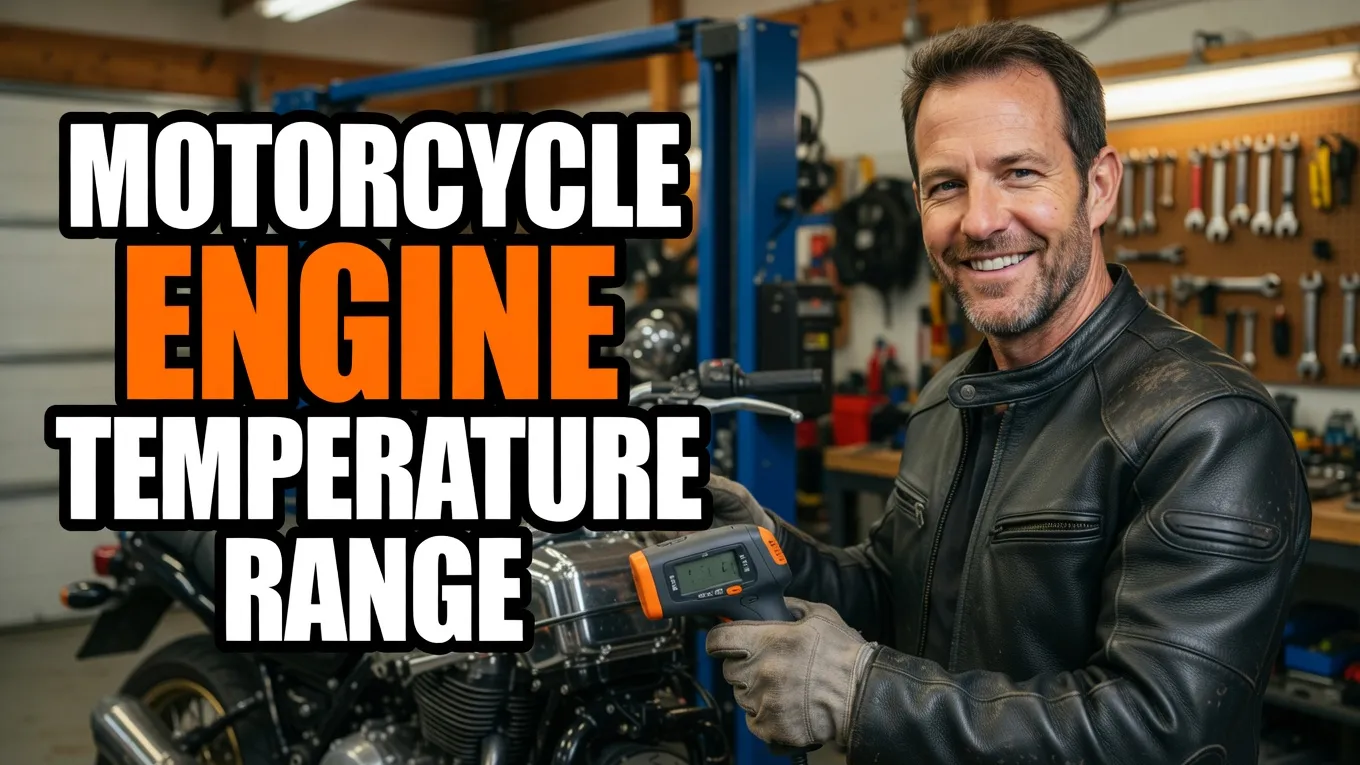
I’ve been riding motorcycles for over fifteen years, and if there’s one thing I’ve learned the hard way, it’s that keeping your engine in the right temperature range isn’t just maintenance—it’s survival. I’ve watched bikes overheat on desert highways and struggle through cold starts on winter mornings. Understanding your motorcycle’s engine temperature range has saved me from expensive repairs more times than I can count.
Let me share everything I know about keeping your engine happy, healthy, and running at peak performance.
- Most motorcycle engines operate optimally between 180°F and 220°F (82-104°C)
- Temperatures above 230°F signal potential overheating; above 250°F means serious damage risk
- Air-cooled bikes naturally run hotter than liquid-cooled models, especially in traffic
- Oil temperature typically runs 10-20°F higher than coolant temperature
- Regular maintenance and quality oil are your best defense against temperature problems
The Sweet Spot: Normal Operating Temperature Range
In my experience testing dozens of bikes, most modern motorcycle engines are designed to run between 180°F and 220°F (approximately 82°C to 104°C). This is where everything works as the engineers intended—the oil flows properly, combustion is efficient, and all the internal tolerances are just right.
My daily rider, a liquid-cooled sportbike, typically sits around 195°F during normal highway cruising. When I’m stuck in city traffic, it might creep up to 210°F before the fans kick in and bring it back down. That’s completely normal behavior.
Air-cooled engines are a different beast entirely. My vintage air-cooled bike regularly hits 220-230°F in summer traffic, and that’s by design. Without liquid coolant flowing through passages, these engines rely on airflow and larger tolerances to handle the extra heat.
Liquid-Cooled vs. Air-Cooled Temperature Expectations
I’ve owned both types, and the temperature behavior differs dramatically. Liquid-cooled engines maintain tighter temperature control, usually staying within a 20-degree range thanks to their thermostats and radiator systems. My Yamaha R6 rarely moves from its 195°F sweet spot unless something’s wrong.
Air-cooled bikes, on the other hand, swing more dramatically with conditions. My old Triumph can vary from 160°F on a cold morning ride to 240°F sitting at a stoplight on a 95-degree day. That’s not a malfunction—it’s physics.
When Things Get Too Hot: Overheating Danger Zones
I learned about motorcycle overheating temperature thresholds the hard way during a Death Valley ride in July. When your gauge starts climbing past 230°F, you’re entering the warning zone. Above 240°F, you’re flirting with damage.
Once you hit 250°F and beyond, bad things start happening fast. I’ve seen warped cylinder heads, blown head gaskets, and seized pistons—all from letting temperatures run too high for too long.
Warning Signs I Watch For
After years in the saddle, I’ve become hypersensitive to overheating symptoms. The first sign is usually the temperature gauge climbing beyond its normal range. If you don’t have a gauge, you’ll need to rely on other indicators.
I listen for pinging or knocking sounds, which signal pre-ignition from excessive heat. The smell of boiling coolant or burning oil is another dead giveaway. Loss of power, especially on hills, tells me the engine is heat-soaking and losing efficiency.
Steam rising from the radiator or engine? That’s your bike screaming for help. Pull over immediately. I’ve made that mistake exactly once, and the repair bill taught me never again.
The Cold Side: Minimum Operating Temperature
Running too cold causes problems too, though they’re less dramatic. I’ve noticed that engines running below 160°F don’t burn fuel cleanly, create more deposits, and wear faster because the oil isn’t at optimal viscosity.
My bikes take 5-10 minutes to reach proper operating temperature on cold mornings. During that warm-up phase, I keep the revs low and avoid hard acceleration. The engine needs time for all those metal parts to expand to their designed clearances.
A thermostat stuck open will keep your engine running too cold. I diagnosed this once when my bike wouldn’t get above 150°F even after 30 minutes of highway riding. The fix was simple—a new thermostat—but riding in that condition was slowly damaging the engine.
Cold Weather Riding Considerations
I ride year-round, and winter presents unique temperature challenges. On days below freezing, my liquid-cooled bikes sometimes struggle to reach 180°F, especially on short trips. I’ve learned to block off part of the radiator with cardboard on extremely cold days to help retain heat.
Air-cooled engines in winter can actually run dangerously cold if you’re riding slowly. The constant blast of frigid air strips heat faster than the engine generates it. Covering the oil cooler or using engine guards to reduce airflow helps maintain proper temperature.
Understanding Oil Temperature vs. Coolant Temperature
This distinction confused me for years until I installed both gauges on my track bike. The motorcycle oil engine temperature range typically runs 10-20°F higher than coolant temperature because oil absorbs heat from every moving part—pistons, camshafts, transmission gears.
On my sportbike, when coolant reads 195°F, oil temperature usually sits around 210-215°F. During hard track riding, I’ve seen oil temps hit 280°F while coolant stayed at 205°F. That’s why choosing the best engine oil for motorcycle applications matters so much—it needs to handle those temperature extremes.
I learned that synthetic oils maintain viscosity better at both temperature extremes. After switching to full synthetic, my oil temperatures actually dropped about 5-10 degrees under identical riding conditions. The better film strength and heat resistance made a measurable difference.
Factors That Affect Your Engine Temperature
Over the years, I’ve identified several variables that push engine temperatures up or down. Ambient air temperature is the obvious one—my bikes always run 20-30 degrees hotter in Arizona summers than Colorado springs.
Riding Conditions That Spike Temperature
Stop-and-go traffic is the absolute worst for engine temperature. Without airflow through the radiator or over the cylinders, heat just builds up. I’ve watched my temperature gauge climb 40 degrees in fifteen minutes of urban gridlock.
Heavy loads and steep grades generate extra heat too. When I’m two-up with luggage climbing mountain passes, my engine temperatures run 10-15 degrees higher than normal. That’s when cooling system efficiency really matters.
Aggressive riding—high RPMs, hard acceleration, sustained high speeds—all generate more combustion heat. My track days always involve monitoring oil and coolant temps closely because race pace generates exponentially more heat than street riding.
Maintenance Issues That Cause Temperature Problems
I’ve troubleshot countless temperature problems, and most trace back to neglected maintenance. A dirty radiator is the most common culprit I see. Road debris, bugs, and dirt clog the fins and restrict airflow. I clean mine every oil change with the best cleaner for motorcycle engine bays and radiators.
Low coolant levels will cause overheating faster than anything. I check mine weekly during riding season. A small leak can drop coolant below the level where it effectively cools the engine.
Old, degraded coolant loses its ability to transfer heat efficiently. I flush and replace coolant every two years, no exceptions. The peace of mind is worth the minimal cost.
Monitoring Your Engine Temperature
Modern bikes with digital displays make temperature monitoring easy. I glance at my gauge every few minutes to ensure everything’s normal. Seeing that 195°F readout gives me confidence that all systems are working properly.
For bikes without temperature gauges, I’ve used infrared thermometers to spot-check cylinder head and engine case temperatures. Point it at the cylinder head after a ride—if you’re reading 250°F or higher, something needs attention.
Installing Aftermarket Temperature Gauges
I installed an oil temperature gauge on my older bike that lacked one. The $80 investment gave me crucial data about what my engine was actually experiencing. I discovered my oil was running dangerously hot during summer rides, prompting an oil cooler upgrade.
For air-cooled bikes without any temperature monitoring, I strongly recommend adding at least a cylinder head temperature sensor. You’re flying blind without it, and that’s how engines get damaged.
Practical Tips for Managing Engine Temperature
After all my years of riding in extreme conditions, I’ve developed strategies to keep engine temperatures under control. These techniques have saved me from overheating countless times.
Hot Weather Strategies
When ambient temperatures climb above 95°F, I become proactive. I keep my engine as clean as possible—dirt and oil buildup act as insulation, trapping heat. Using the best degreaser for motorcycle engine cleaning helps maintain maximum heat dissipation.
In stop-and-go traffic, I occasionally rev the engine slightly to increase oil circulation and coolant flow. For air-cooled bikes, I filter to the front of traffic lanes when legal to keep air moving over the cylinders.
I never lug the engine in high gear at low speeds. Downshifting and maintaining proper RPMs ensures adequate oil pressure and circulation, which directly impacts cooling efficiency.
Cold Weather Tactics
In freezing conditions, I give my bikes longer warm-up periods—at least five minutes before riding off. I keep revs below 4,000 RPM until the temperature gauge shows at least 160°F.
Engine covers and cylinder wraps help retain heat on air-cooled bikes during winter. I’ve used neoprene wrap on my vintage bike’s cylinders during winter rides, and it helps maintain proper operating temperature.
The Role of Quality Engine Oil
Nothing impacts temperature management more than oil quality and condition. Fresh oil transfers heat efficiently, lubricates properly, and protects components. Old, degraded oil does none of these things well.
I change my oil every 3,000 miles or once per season, whichever comes first. It’s cheap insurance against temperature-related damage. The cost of oil changes pales in comparison to rebuilding an engine that overheated due to poor lubrication.
Synthetic oils handle temperature extremes significantly better than conventional oils. I switched all my bikes to synthetic years ago and noticed measurably lower operating temperatures, especially during hard riding. The thermal stability is simply superior.
When to Take Action
I have strict rules about when to shut down and investigate temperature issues. If my gauge hits 230°F and doesn’t drop within a minute or two, I’m pulling over to assess the situation. Continuing to ride risks catastrophic damage.
If I smell coolant or see steam, the ride is over immediately. These symptoms indicate your cooling system has failed, and every second of continued operation multiplies the damage. I’ve nursed overheated bikes to safe stopping points, but I never ride them beyond that.
Unusual engine noises combined with high temperature readings mean immediate shutdown. That knocking or rattling sound could be bearing damage from inadequate lubrication due to overheating. Running the engine further will only increase repair costs.
Troubleshooting Common Temperature Problems
When my bike runs hot, I follow a systematic diagnostic process. First, I check coolant level—it’s the most common issue. Then I inspect the radiator for blockage and feel the radiator hoses to confirm coolant is actually circulating.
If the thermostat is stuck closed, the upper radiator hose will stay cool while the engine overheats. That’s a clear diagnostic indicator I’ve used multiple times. A stuck-open thermostat shows the opposite pattern—engine never reaches proper temperature and both hoses stay lukewarm.
Failed water pumps show up as overheating with no obvious cause. The coolant isn’t circulating, so temperature climbs steadily. I once diagnosed this by observing that my coolant reservoir wasn’t bubbling when the engine was hot—it should show slight movement if the pump is working.
Long-Term Engine Health and Temperature
Maintaining proper engine temperature isn’t just about avoiding immediate overheating disasters. It’s about preserving your engine’s longevity over tens of thousands of miles.
Engines that consistently run in their optimal temperature range simply last longer. Internal clearances stay correct, oil maintains proper viscosity, and combustion remains efficient. I’ve seen properly maintained engines go 100,000+ miles without major issues.
Conversely, engines that regularly overheat or run too cold develop problems prematurely. Warped heads, worn rings, scored cylinder walls, and degraded gaskets all result from temperature abuse over time. The damage accumulates gradually until something major fails.
My Final Thoughts on Temperature Management
After years of riding everything from vintage air-cooled bikes to modern liquid-cooled superbikes, I’ve learned that respecting engine temperature ranges is fundamental to motorcycle ownership. It’s not complicated, but it does require attention and proactive maintenance.
Install temperature monitoring if your bike lacks it. Learn what’s normal for your specific motorcycle. Watch for changes or warning signs. Keep your cooling system maintained and your oil fresh. These simple practices will keep your engine running in its happy zone for years to come.
I check my temperature gauge as reflexively as I check my mirrors now. It’s become second nature, and it’s saved me from problems more times than I can count. That little number on the dash tells you so much about your engine’s health if you know how to read it.
Ride safe, stay cool, and keep that engine in its sweet spot. Your motorcycle will thank you with reliable performance and years of trouble-free operation.
Frequently Asked Questions
What is the normal operating temperature for a motorcycle engine?
Most motorcycle engines run between 180°F and 220°F (82°C to 104°C) under normal conditions. Air-cooled bikes may run slightly hotter, while liquid-cooled engines typically stay in the 185-205°F range.
At what temperature does a motorcycle engine overheat?
Most motorcycles enter the danger zone above 230-240°F (110-115°C). Sustained temperatures above 250°F can cause serious engine damage, including warped cylinders and blown gaskets.
How can I tell if my motorcycle engine is running too hot?
Watch for warning lights, steam, unusual smells, power loss, or pinging sounds. A dashboard temp gauge reading above 220°F or an infrared thermometer showing excessive cylinder head temps are clear indicators.
Does engine oil temperature differ from coolant temperature?
Yes. Oil typically runs 10-20°F hotter than coolant. Understanding the motorcycle oil engine temperature range is crucial for proper lubrication and engine longevity.

Related Articles
7 Best Batteries for Motorcycles I’ve Tested and Trust in 2026
I've tested dozens of motorcycle batteries to find the best performers. From AGM to lithium, here are my top picks…
Jake Miller
15 min read

The Perfect Battery for Your Harley Davidson Softail: A Rider’s Complete Guide
Discover the perfect battery for your Harley Davidson Softail. I've tested multiple options and share real-world performance data, maintenance tips,…
Jake Miller
14 min read

The Best Battery for Your Harley Davidson: My Complete Guide After Years of Testing
Discover which battery truly performs best for Harley Davidson motorcycles. Real rider experience with AGM, lithium, and OEM options to…
Jake Miller
12 min read