
Motorcycle Oil Color Guide: What Amber, Black, Milky and Foamy Oil Really Mean
 Jake Miller
11 min read
Jake Miller
11 min read
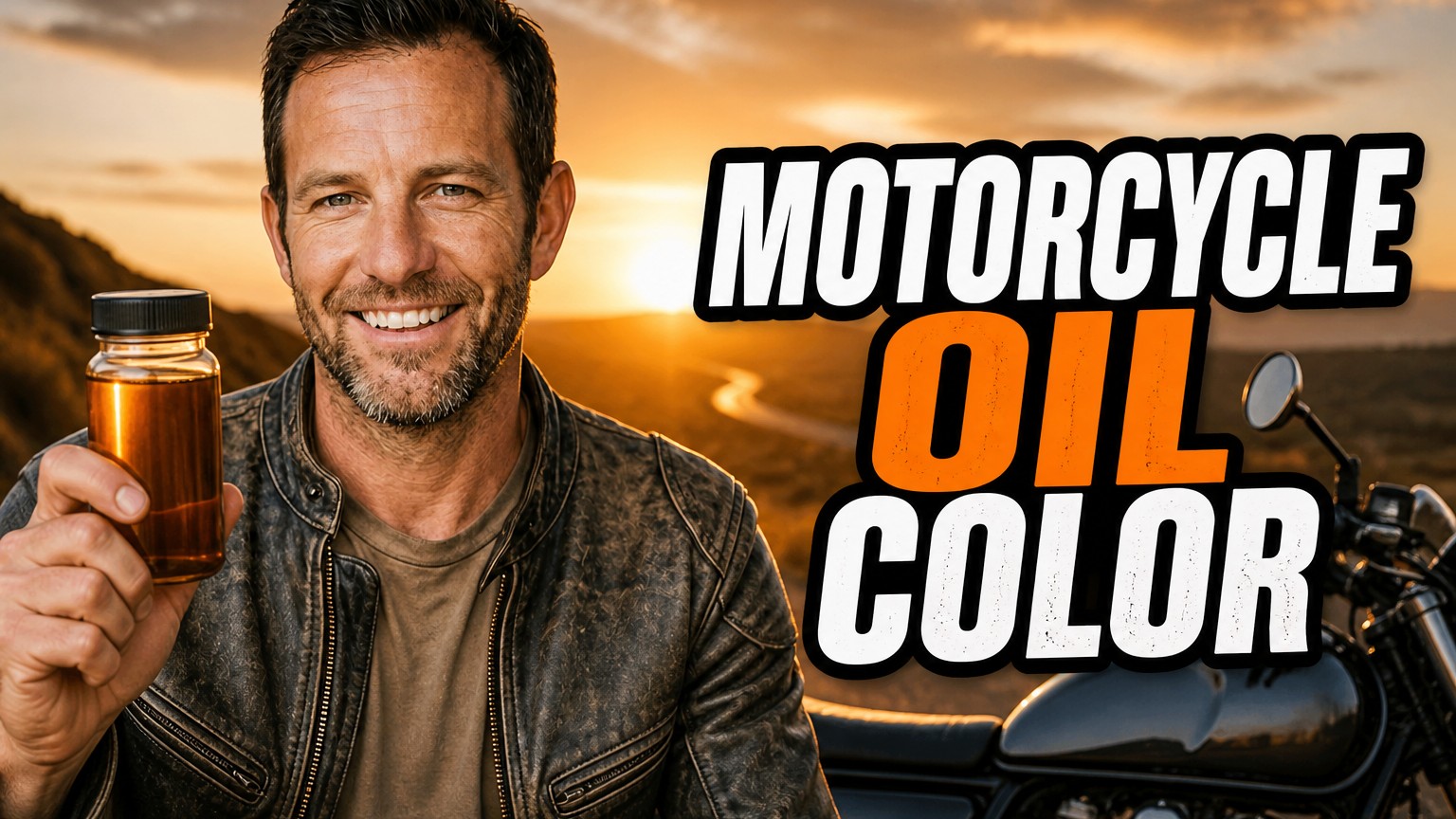
I still remember the first time I pulled my dipstick and found oil that looked like black coffee. I panicked, called a friend, and nearly changed it that same night. It turned out to be perfectly healthy oil doing exactly what it was designed to do.
Since then I’ve checked a lot of oil on a lot of bikes, from commuters to old air-cooled twins. Color is one of the quickest clues you get about what’s happening inside your engine. But it isn’t the whole story, and I’ll show you how I read it.
- Fresh oil is usually amber or golden, and darkening to brown or black over time is normal.
- Milky, foamy, gritty, or glittery oil is the real warning sign and needs attention fast.
- Never judge by color alone. Check smell, texture, level, and mileage too.
- Use a white paper towel drop test for a quick, reliable read.
Why Oil Color Matters More Than You Think
Engine oil does far more than lubricate. It cools, cleans, protects against corrosion, and carries away microscopic debris. Because it touches nearly everything inside your engine, it ends up carrying evidence of what’s going on.
Color is the easiest piece of that evidence to read. You don’t need tools or lab results, just a clean sight glass, dipstick, or drain pan.
That said, I treat color as a starting point, not a verdict. It tells me when to look closer, and it rarely tells me everything on its own.
What Fresh Oil Looks Like
New oil is typically a clear, translucent amber or light golden color. Hold it up to the light and you can see through it. It pours smoothly and has a mild, almost neutral smell.
Some synthetic oils look slightly different. A few are paler, and some have a slight green, pink, or reddish tint from their additive packages. Don’t assume the bottle is wrong just because it isn’t classic amber.
A Quick Note on Oil Type
Conventional, semi-synthetic, and full synthetic oils can all start with slightly different tones. So I always compare used oil against how that specific oil looked when new, not against some universal standard.
If you’re still deciding what to pour in, my guide to the best motor oil for 4 stroke motorcycle engines is a good place to start.
The Oil Color Spectrum: What I Look For
Over the years I’ve learned to sort oil colors into a few buckets. Here’s how I interpret each one when I’m standing over the bike with a flashlight.
Amber or Golden: All Good
Light amber oil means it’s clean and fresh, or close to it. If I see this shade on the dipstick after a few hundred miles, I move on with my day. Nothing to do here but enjoy the ride.
Honey or Light Brown: Normal Aging
As oil heats and cycles, it darkens gradually. Honey or tea-colored oil tells me it’s doing its job and picking up small amounts of combustion byproducts. I consider this a healthy middle-of-life look.
At this stage I just keep an eye on mileage and make sure the level is correct.
Dark Brown to Black: Usually Fine, But Pay Attention
This is where most riders worry. Modern oils contain detergents and dispersants that grab soot and carbon and keep them suspended rather than letting them settle as sludge. That makes the oil dark.
So black oil can actually mean the oil is working. Many bikes turn their oil dark within the first few hundred miles, especially fuel-injected engines with hot combustion temperatures.
When black oil is a concern
I get suspicious when black oil is also thick, sludgy, or gritty between my fingers. If it smells burnt or the bike is well past its service interval, I change it right away.
Dark oil in an engine that’s overdue is a very different story from dark oil with 300 miles on it.
Milky, Creamy, or Light Tan: Red Flag
This is the one that really worries me. Oil that looks like a latte or chocolate milk usually means coolant or water has mixed in. Common causes include a failing head gasket, a leaking water pump seal, or a damaged oil cooler.
Sometimes the cause is more innocent. If I mostly take short trips in cold weather, condensation can build up and leave a bit of creamy residue near the filler cap.
But if the dipstick or sight glass shows milky oil, I don’t gamble. I stop riding and investigate.
Foamy or Bubbly: Aeration Issues
Foamy oil looks like it’s been whipped. It can come from overfilling, a low level that lets the pump suck air, contamination, or the wrong oil type. Foam doesn’t lubricate well, so it’s a real problem.
If I see foam, I check the level first, then look for a coolant leak or a bad oil type choice.
Glittery or Gritty: Metal in the Mix
When oil has a metallic shimmer, I rub a bit between my fingers. A fine sparkle after a break-in period can be normal on a new engine. Visible flakes or a gritty feel are not.
Metal particles can mean bearing, gear, or clutch wear. This is when I check the magnetic drain plug and think hard about a deeper inspection.
Greenish, Pink, or Odd Tints
Strange tints can come from coolant contamination, since coolant is often green, pink, or orange. They can also be the natural dye in certain synthetic oils.
If I haven’t just added a tinted oil, an odd color is my cue to compare against the bottle and check the coolant level.
My Simple Paper Towel Test
This is the trick I use more than any other. It takes about a minute and costs nothing.
- Warm the engine for a few minutes, then shut it off and wait briefly.
- Pull a bit of oil from the dipstick, or drain a small amount.
- Place a drop on a clean, white paper towel.
- Wait a couple of minutes and watch how it spreads.
Healthy oil spreads out evenly with a soft, light-brown halo. A dark, solid center with heavy sooty rings means a lot of contaminants. If there’s a visible water ring, I suspect moisture or coolant.
Beyond Color: The Other Clues I Check
Color alone can mislead you, so I always check a few other things. Together they give me a much clearer picture of oil health.
Smell
Fresh oil smells mild. A strong gasoline smell suggests fuel dilution, often from short trips, a rich-running engine, or a sticking injector or carburetor float. A burnt smell suggests overheated or very old oil.
Texture
I rub a drop between my thumb and finger. It should feel slick and smooth. Gritty, sticky, or tar-like oil means it’s done its time.
Level
A low oil level can make even clean-looking oil a problem. Meanwhile, a level that rises over time can signal fuel or coolant getting into the crankcase. I always check on level ground, with the bike upright, following the owner’s manual procedure.
Mileage and Time
Oil ages even when the bike sits. If I only ride a couple thousand miles a year, I still change it annually. Condensation and oxidation don’t care how few miles I rode.
How Riding Style Changes Oil Color
Not every bike darkens oil at the same pace. My own experience shows plenty of variables at play.
Short Trips and City Riding
Short rides never let the engine fully warm up. That traps moisture and fuel in the oil, which can create a milky film or a gasoline smell. For commuting, I change oil a bit more often than the maximum interval.
Hard Riding and Track Days
High rpm and heat break oil down faster. After a spirited weekend the oil often looks darker than it would after the same mileage of cruising. I’d rather over-service than gamble on a hot engine.
Air-Cooled vs. Liquid-Cooled Engines
Air-cooled engines run hotter overall, and the oil does a lot of the cooling work. They tend to darken oil faster, and heat stress is real. Liquid-cooled bikes add the risk of coolant contamination, which is why milky oil matters so much there.
Shared Sump and Wet Clutch Bikes
Most motorcycles share oil between the engine, gearbox, and wet clutch. That means the oil works harder than in a typical car and shears down faster. Gearbox wear and clutch debris can both change the look and feel of the oil.
Choosing the Right Oil After You Drain the Old Stuff
Once I decide it’s time for a change, I always check the manual for viscosity and specification, like the JASO MA rating for wet clutches. Using car oil with friction modifiers can cause clutch slip on many bikes.
If you want a shortlist, see my breakdown of the top engine oil for 4 stroke motorcycle options. It covers what I look for in a quality bottle.
For riders in warmer, dustier conditions, I put together a guide to the best engine oil for 4 stroke motorcycle in india. Climate and traffic matter a lot when choosing viscosity.
And if you want the broader picture, I also answer what is the best engine oil for 4 stroke motorcycle for different riding styles. For a general overview, my roundup of the best engine oil for motorcycle riders covers the major brands.
My Oil Check Routine
I keep this routine simple so I actually stick with it. Consistency matters more than perfection.
- Before long rides: check the level and look at the color.
- Monthly: do a quick sight glass or dipstick check.
- At every change: inspect the drained oil and the magnetic drain plug.
- Once a year at minimum: change oil and filter, even with low mileage.
Tracking what I see in a small notebook has helped me notice trends. A sudden change from my usual look is usually the first sign something’s off.
Common Mistakes I See Riders Make
I’ve made a few of these myself, so no judgment. Avoiding them can save you money and stress.
Changing Oil Just Because It’s Dark
Dark oil within its interval is usually fine. Changing too early isn’t harmful, but it wastes money when the real problems, like milky oil or low levels, go unnoticed.
Ignoring Clean-Looking Old Oil
Pale oil past its service interval is still worn out. Additives deplete and viscosity shifts even when the color looks fine. Never skip a change because it “looks good.”
Checking Cold or on a Side Stand
Checking at the wrong time gives false readings. I follow my manual, usually warm engine, upright bike, and a short wait for oil to settle.
Mixing Up Normal Condensation with a Serious Leak
A light creamy residue under the filler cap after cold, short rides is often condensation. But milky oil on the dipstick or in the sight glass deserves action. When in doubt, have a mechanic run a pressure test on the cooling system.
When I Call a Mechanic
I’m happy to do my own oil changes, but some signs take it out of DIY territory. If I see any of the following, I stop and get professional help:
- Persistent milky or creamy oil on the dipstick
- Visible metal flakes in the oil or on the drain plug
- Oil level rising without me adding any
- Strong fuel smell that doesn’t go away after a change
- Oil pressure light flickering on
Catching these early is often the difference between a small repair and a full engine rebuild.
Final Thoughts
After years of watching oil change from gold to black, my advice is to relax about dark oil and stay alert to the strange stuff. Milky, foamy, or metallic oil deserves immediate attention, while ordinary darkening is just oil doing its job.
Combine color with smell, feel, level, and mileage, and you’ll make smart calls every time. Your engine will thank you with many more miles of smooth, reliable riding.
So next time you’re in the garage, grab a flashlight and a paper towel, and take a good look. It takes a minute, and it might save your engine.
Frequently Asked Questions
What color should motorcycle oil be?
Fresh motorcycle oil is usually translucent amber or golden, though some synthetics look slightly lighter or tinted. After a few hundred miles it normally darkens to a honey or brown shade, which is perfectly normal.
Does black motorcycle oil mean I need an oil change?
Not automatically. Detergent additives hold soot and contaminants in suspension, so oil often turns dark quickly. Judge it by mileage, texture, smell, and level as well as color, and follow your owner’s manual interval.
What does milky or creamy motorcycle oil mean?
Milky, coffee-with-cream oil usually means coolant or heavy condensation has mixed in. Short trips can cause mild condensation, but if it persists, stop riding and have the head gasket, water pump seal, and oil cooler checked.
How do I check my motorcycle oil color accurately?
Warm the engine, let it sit for a few minutes, then check the sight glass or dipstick on level ground. Put a drop on a white paper towel to see the color, spread pattern, and any grit or metal flakes.

Related Articles
7 Best Batteries for Motorcycles I’ve Tested and Trust in 2026
I've tested dozens of motorcycle batteries to find the best performers. From AGM to lithium, here are my top picks…
Jake Miller
15 min read

The Perfect Battery for Your Harley Davidson Softail: A Rider’s Complete Guide
Discover the perfect battery for your Harley Davidson Softail. I've tested multiple options and share real-world performance data, maintenance tips,…
Jake Miller
14 min read

The Best Battery for Your Harley Davidson: My Complete Guide After Years of Testing
Discover which battery truly performs best for Harley Davidson motorcycles. Real rider experience with AGM, lithium, and OEM options to…
Jake Miller
12 min read