
10 Motorcycle Safety Tips That Could Save Your Life (From a Rider Who’s Been There)
 Jake Miller
12 min read
Jake Miller
12 min read
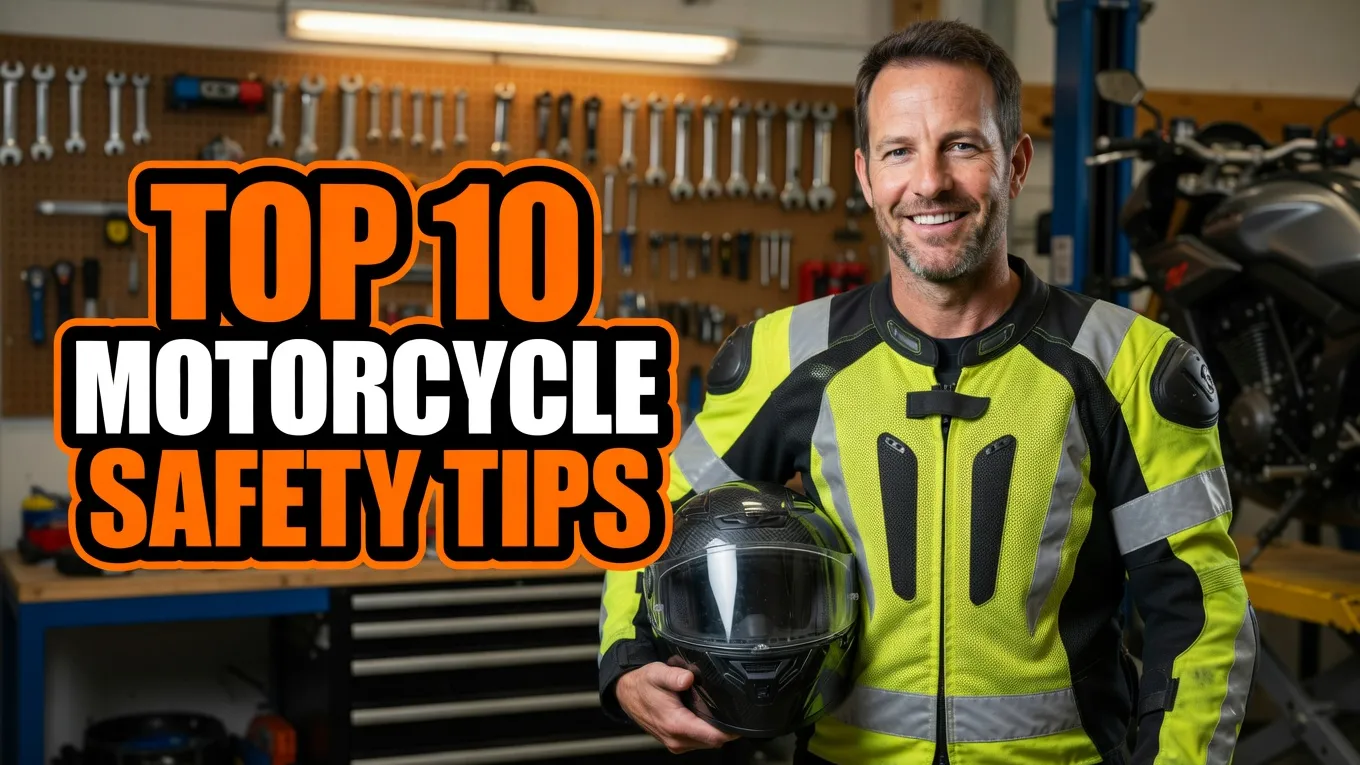
I’ll never forget the day a car merged into my lane without looking. If I hadn’t positioned myself defensively and kept an escape route open, that story would’ve ended very differently. That close call reinforced what I’d learned over years of riding: staying safe on a motorcycle isn’t about luck—it’s about preparation, awareness, and respect for the machine you’re riding.
After logging thousands of miles on everything from cruisers to sport bikes, I’ve learned that the difference between a close call and a serious accident often comes down to following fundamental safety principles. These aren’t just theoretical tips from a textbook—they’re the practices that have kept me upright and injury-free through urban commutes, highway rides, and twisty mountain roads.
In this article, I’m sharing the top 10 motorcycle safety tips that I consider non-negotiable every time I throw my leg over the saddle. Whether you’re a new rider or a seasoned veteran, these strategies will help you ride smarter and safer.
- Always wear full protective gear including a DOT-approved helmet, jacket, gloves, and boots
- Perform pre-ride inspections and maintain your bike regularly, including proper oil changes
- Position yourself defensively, assume you’re invisible, and always have an escape route
- Take professional training courses to develop advanced riding skills
- Never ride impaired and adjust your riding style to match weather and road conditions
1. Invest in Quality Protective Gear and Wear It Every Single Ride
I don’t care if I’m riding two blocks to the grocery store or two hundred miles across state lines—I wear full gear every time. This is my number one safety tip because it’s the last line of defense between your skin and the pavement.
A DOT or Snell-approved helmet is absolutely non-negotiable. I’ve upgraded my helmet twice in the past five years, and each time I’m amazed at how much technology has improved. Modern helmets offer better ventilation, lighter weight, and superior impact protection.
Beyond the helmet, I wear a proper motorcycle jacket with armor at the elbows, shoulders, and back. Even in summer heat, I opt for a perforated or mesh jacket rather than riding in a t-shirt. My hands are protected by gloves with knuckle armor, and my feet are covered by over-the-ankle boots with reinforced toe boxes and ankle protection.
Yes, it’s tempting to skip gear on hot days or short trips. But I’ve seen too many riders learn the hard way that most accidents happen close to home on familiar roads. The gear stays on, period.
2. Perform Pre-Ride Inspections Using the T-CLOC Method
Before every ride, I spend about five minutes doing a quick walk-around inspection. This habit has caught potential problems before they became dangerous failures on the road.
I use the T-CLOC checklist that I learned in my Motorcycle Safety Foundation course: Tires and wheels, Controls, Lights and electrics, Oil and fluids, and Chassis. I check tire pressure and tread depth, test my brakes and clutch, verify all lights work, check fluid levels, and look for any loose bolts or leaks.
Just last month, my pre-ride inspection revealed a slow leak in my front tire that I would’ve never noticed otherwise. Catching it in the driveway instead of at highway speeds potentially saved me from a serious accident.
Key Inspection Points I Never Skip
Tire pressure is critical—I check it when the tires are cold before every ride. Underinflated tires affect handling and can overheat, while overinflated tires reduce traction and make for a harsh ride.
I also give the chain a quick look to ensure proper tension and lubrication. A poorly maintained chain can snap or come off the sprocket, which is a nightmare scenario I never want to experience.
3. Maintain Your Motorcycle Religiously
Regular maintenance isn’t just about keeping your bike running smoothly—it’s a critical safety practice. I follow my manufacturer’s maintenance schedule without exception, and I’ve never regretted it.
Oil changes are the foundation of engine health. I use only top engine oil for 4 stroke motorcycle applications, as quality oil protects engine components and ensures reliable performance. For riders with air-cooled engines, using the best oil for air cooled motorcycle engines top picks for performance is especially important since these engines run hotter and demand more from their lubricants.
I also pay attention to viscosity ratings and choose the best top viscosity engine oil for motorcycle conditions I ride in. The right viscosity ensures proper lubrication in both cold starts and hot operating temperatures.
Beyond oil changes, I stay on top of brake pad replacement, chain maintenance, coolant flushes, and air filter cleaning. I even keep my exhaust pipes clean using a best cleaner for motorcycle pipes top picks to shine your ride, because corroded pipes can develop leaks that affect engine performance.
4. Take Professional Rider Training—Even If You’re Experienced
I took my first Motorcycle Safety Foundation (MSF) Basic RiderCourse before I got my license, and it was invaluable. But I didn’t stop there. Years later, I completed an advanced rider course, and I learned more in that weekend than I had in years of riding on my own.
Professional instructors teach you proper techniques for emergency braking, swerving, cornering, and low-speed maneuvering. They also break bad habits you’ve developed without realizing it.
The controlled environment of a training course lets you practice emergency situations that would be too dangerous to experiment with on public roads. I can now execute a quick-stop from highway speeds with confidence because I’ve practiced it dozens of times in a safe setting.
Advanced Skills That Training Teaches
One of the most valuable skills I learned was countersteering—pushing the handlebars in the direction opposite to where you want to turn at higher speeds. It sounds counterintuitive, but it’s how motorcycles actually steer above about 12 mph.
I also learned proper throttle control through corners, how to read road surfaces for traction, and how to position my body for better control. These skills have become second nature, but they required deliberate practice to master.
5. Ride Defensively and Assume You’re Invisible
This mindset shift transformed how I ride. I operate under the assumption that every car driver simply doesn’t see me. It sounds paranoid, but it keeps me alert and ready to react.
I never assume a car will yield at an intersection, even if I have the right of way. I watch drivers’ heads, not just their turn signals, to anticipate their movements. When approaching intersections, I cover my brakes and prepare to take evasive action.
I’m especially cautious around vehicles that are merging, turning left across my path, or pulling out from driveways and parking lots. These are the scenarios where “I didn’t see the motorcycle” accidents most commonly occur.
Strategic Lane Positioning
I constantly adjust my lane position to maximize visibility and create escape routes. I avoid riding in drivers’ blind spots, and I position myself where I can be seen in their mirrors.
On multi-lane highways, I ride in the left or right tire track of my lane rather than the center. The center often has oil deposits and debris, and the tire tracks give me better traction while making me more visible to adjacent vehicles.
6. Always Have an Escape Route Planned
Every second I’m riding, I’m scanning ahead and asking myself: “If that car does something unpredictable right now, where do I go?” This constant threat assessment has saved me multiple times.
I maintain space cushions around my bike whenever possible. I don’t tailgate, and I adjust my speed to avoid getting boxed in by traffic. If cars surround me on all sides, I accelerate or slow down to create space.
When stopped at red lights, I keep my bike in gear and watch my mirrors until at least one vehicle stops behind me. There’s always a risk of being rear-ended, and I want the option to pull forward into the intersection if I see trouble coming.
7. Master Your Brakes—Both Front and Rear
Proper braking technique is one of the most critical skills for emergency situations. I use both my front and rear brakes together, applying about 70% of my braking force to the front and 30% to the rear.
The front brake provides most of your stopping power because weight transfers forward during braking. But I never grab the front brake suddenly—I squeeze it progressively to avoid locking the front wheel, which would result in an instant crash.
I practice emergency stops regularly in empty parking lots. I’ve trained myself to resist the instinct to “freeze” and forget to brake in panic situations. Muscle memory from practice takes over when you need it most.
Understanding ABS and Its Limitations
My current bike has ABS, which is a fantastic safety feature that prevents wheel lockup during hard braking. But ABS isn’t magic—it can’t overcome the laws of physics. On gravel, wet leaves, or other low-traction surfaces, even ABS has limits.
I’ve learned to feel how ABS activates through the brake lever, and I trust it during emergency stops on pavement. But I still practice smooth, progressive braking because that’s the safest technique regardless of whether you have ABS.
8. Adjust Your Riding to Weather and Road Conditions
I’ve ridden in rain, fog, intense heat, and even light snow (not recommended). Each condition demands different techniques and heightened caution. The key is being honest about whether the conditions exceed your skill level.
In rain, I reduce my speed significantly, increase following distances, and avoid sudden inputs to the throttle, brakes, or steering. Painted road markings, metal surfaces, and manhole covers become incredibly slippery when wet.
I’m also cautious during the first 15 minutes of rainfall, when road oils haven’t washed away yet. That’s when roads are most slippery. After a good rain has washed the surface, traction improves somewhat.
Cold Weather and Tire Traction
Many riders don’t realize that tire performance degrades significantly in cold temperatures. Below about 45°F, most motorcycle tires lose grip because the rubber compounds don’t warm up properly.
When I ride in cold weather, I’m extra gentle with throttle and braking inputs, especially in the first few miles before the tires have warmed up. I also watch for ice patches in shaded areas and on bridges, where freezing happens first.
9. Stay Sober and Well-Rested
This should be obvious, but it bears repeating: never ride under the influence of alcohol, drugs, or even certain medications that cause drowsiness. Riding a motorcycle demands sharp reflexes and clear judgment—there’s no margin for impairment.
I apply the same standard to fatigue. If I’m exhausted, I don’t ride. Long-distance rides require regular breaks every hour or two. When I start feeling tired, I pull over, stretch, hydrate, and rest before continuing.
I’ve cut trips short when I realized I was too tired to ride safely. There’s no shame in stopping early or even getting a hotel room—your safety is worth more than arriving on schedule.
Recognizing Signs of Fatigue
Watch for warning signs like drifting between lane lines, missing exits or turns, or having trouble maintaining steady throttle control. If you’re experiencing any of these, it’s time to stop immediately.
I also avoid riding during my body’s natural low points—typically mid-afternoon and late evening. If I must ride during these times, I’m extra vigilant about monitoring my alertness.
10. Continue Learning and Stay Humble
One of the most dangerous attitudes in motorcycling is thinking you’ve learned everything there is to know. I’ve been riding for over a decade, and I still learn something new regularly.
I read motorcycle safety articles, watch training videos, and discuss techniques with other experienced riders. I review my rides mentally, analyzing what I did well and where I could improve.
I’m not embarrassed to admit when I make mistakes or don’t know something. That humility keeps me open to learning and prevents the overconfidence that leads to accidents.
Learning From Close Calls
When I have a close call, I don’t just shake it off—I analyze what happened and what I could have done differently. Was I riding too fast for conditions? Did I fail to see a hazard? Was my lane position wrong?
These mental reviews have helped me avoid repeating the same mistakes. Every close call is a free lesson that could save your life down the road.
Putting It All Together: A Mindset of Continuous Safety
These ten safety tips aren’t just a checklist to run through once—they’re habits that I’ve integrated into every aspect of my riding. Safety isn’t something you achieve and then forget about; it’s a continuous mindset.
The truth is that motorcycling has inherent risks that you can never eliminate completely. But by wearing proper gear, maintaining your bike, riding defensively, staying alert, and continuously improving your skills, you can dramatically reduce those risks.
I love riding motorcycles. The freedom, the connection to the road, the pure joy of it—nothing else compares. But I love coming home safely even more. These safety practices let me enjoy riding for the long haul, and that’s exactly what I plan to keep doing for many years to come.
Stay safe out there, and remember: the best rider is the one who makes it home every time. Ride smart, ride prepared, and never stop learning.
Frequently Asked Questions
What is the most important motorcycle safety tip?
Wearing proper protective gear, especially a DOT-approved helmet, is the single most important safety measure. In my experience, quality gear has prevented serious injuries in close calls.
How can I improve my motorcycle riding skills?
Take advanced riding courses, practice emergency braking in safe environments, and gradually build experience in different conditions. I recommend starting with a Motorcycle Safety Foundation course.
What should I check on my motorcycle before every ride?
Always perform the T-CLOC inspection: Tires, Controls, Lights, Oil, and Chassis. I check these every time before I start my engine.
How do I stay visible to other drivers on a motorcycle?
Wear bright or reflective gear, use your headlight at all times, position yourself strategically in your lane, and avoid riding in blind spots. I treat every ride as if I’m invisible to car drivers.

Related Articles
7 Best Batteries for Motorcycles I’ve Tested and Trust in 2026
I've tested dozens of motorcycle batteries to find the best performers. From AGM to lithium, here are my top picks…
Jake Miller
15 min read

The Perfect Battery for Your Harley Davidson Softail: A Rider’s Complete Guide
Discover the perfect battery for your Harley Davidson Softail. I've tested multiple options and share real-world performance data, maintenance tips,…
Jake Miller
14 min read

The Best Battery for Your Harley Davidson: My Complete Guide After Years of Testing
Discover which battery truly performs best for Harley Davidson motorcycles. Real rider experience with AGM, lithium, and OEM options to…
Jake Miller
12 min read