
8 Best Touring Motorcycles for Small Girls and Petite Riders
 Jake Miller
9 min read
Jake Miller
9 min read
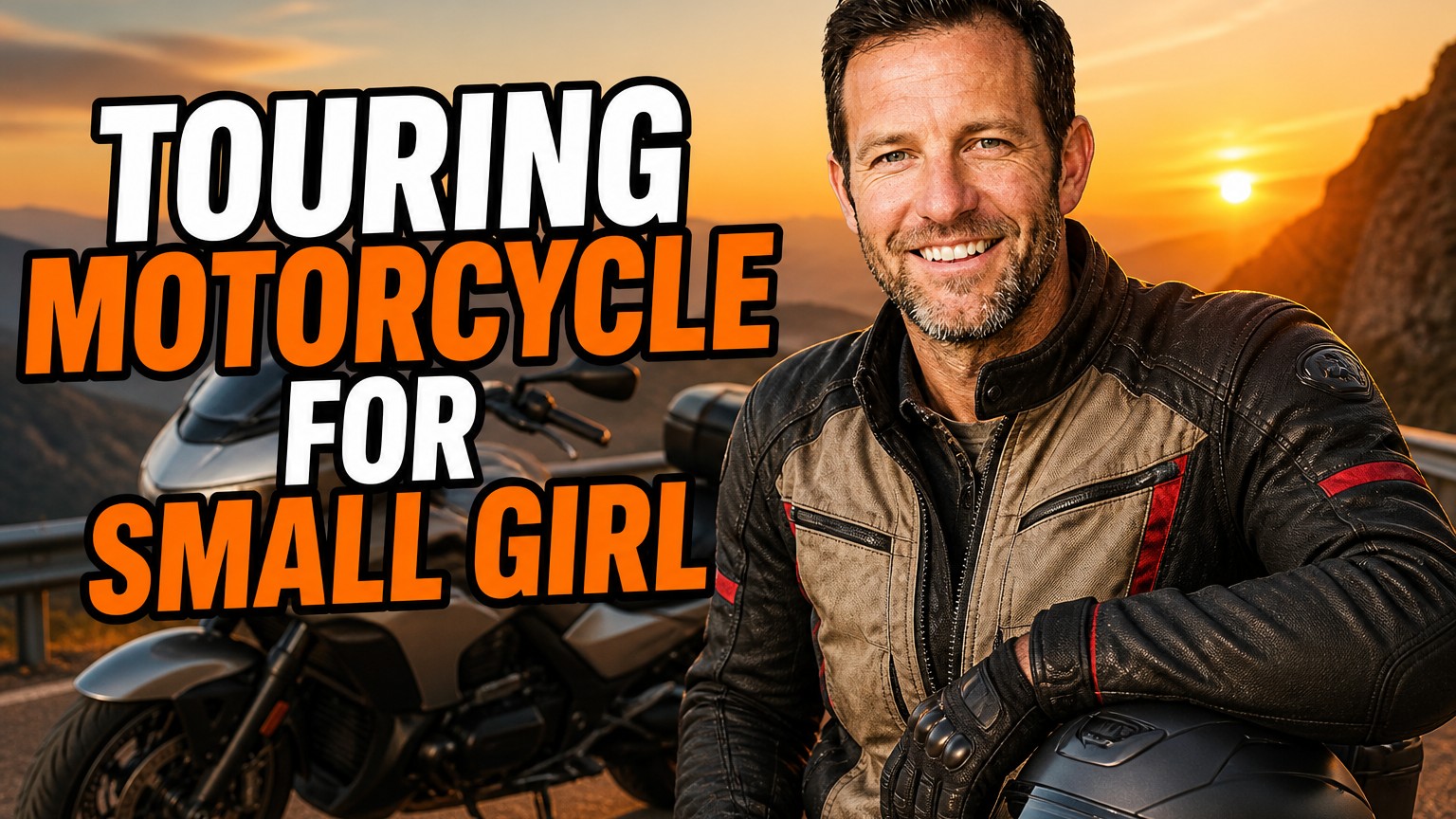
I’m not tall. At 5’2″ on a good day, I’ve spent years learning that a motorcycle’s spec sheet and my real-life riding experience can be two very different things. A bike can look perfect online and then leave me on tiptoes at the first red light.
Over the years I’ve ridden, borrowed, and spent long days in the saddle on a lot of machines. This list is what I’ve learned about which touring bikes actually work for shorter riders. I’m looking at seat height, weight, ergonomics, and the ability to carry luggage without feeling like I’m wrestling a refrigerator.
Whether you’re planning a weekend loop or a month on the road, there’s a bike here that can fit you.
- Aim for a seat height under about 29 inches, and favor a narrow seat profile for easier footing.
- The Honda Rebel 1100 DCT is my top overall pick; the Rebel 500 and Vulcan S are the best value options.
- Heavy bikes like the Gold Wing and Heritage Classic can work because of their low center of gravity, but they take practice.
- Always sit on the bike first, and budget for a low seat, windscreen, and luggage.
What Makes a Touring Bike Work for a Smaller Rider?
Before the list, let me explain how I judge a bike. Seat height gets all the attention, but it’s only one piece of the puzzle.
Seat Height and Seat Shape
A 27-inch seat that’s wide and flat can feel taller than a 29-inch seat that narrows at the front. I always check how far my knees splay when I plant my feet.
For me, being flat-footed at stops is the real goal. If I can do that, I can relax and enjoy the ride.
Weight and Center of Gravity
Curb weight matters, but where that weight sits matters more. A bike with a low engine and low tank feels far lighter than its number suggests.
Still, I’m honest with myself about what I can pick up if it goes over. That’s the reason I’m picky about weight in the 500 to 600 pound range and above.
Reach and Ergonomics
Long reaches to the handlebars or forward foot controls can wear you out over a long day. I look for a comfortable bar position and footpegs I can reach without stretching.
1. Honda Rebel 1100 DCT — Best Overall Pick
If I had to choose one bike for a petite rider who wants real touring capability, the Honda Rebel 1100 DCT would be it. The seat sits at roughly 27.5 inches, and the bike carries its weight low, so it feels surprisingly approachable.
The 1,084cc parallel twin from the Africa Twin delivers smooth, torquey power. The optional Dual Clutch Transmission is a huge win for shorter riders because there’s no clutch lever to pull in traffic, and no stalling on a hill with a heavy load.
Why I Love It
The Rebel 1100 weighs around 500-plus pounds with the DCT, but it feels light on the move. It’s also priced from about $9,500 to $10,500, which is fair for what you get.
Add a windscreen and a pair of soft saddlebags and you have a legitimate long-distance machine. I’d only warn you that the stock suspension is a bit firm on rough roads.
2. Kawasaki Vulcan S — Best for Adjustable Fit
The Kawasaki Vulcan S has a trick most cruisers don’t: its ErgoFit system lets you adjust the seat and footpeg positions. That’s a lifesaver if you have shorter legs or a shorter reach.
The seat height is about 27.8 inches, and the 649cc parallel twin is smooth and friendly. It weighs roughly 500 pounds, but it’s balanced well enough that I never felt intimidated.
Touring Setup
At around $8,000, it’s a great value. If you’re planning a trip by yourself, it’s also one of the best choices for what I’d call a best motorcycle for solo touring setup, because it’s easy to manage on your own.
Add a windshield and a sissy bar bag and you’re ready for a weekend away. Just don’t expect highway passing power like a big twin.
3. Honda Rebel 500 — Best Budget Pick
The Honda Rebel 500 is where I send most new riders who ask me for advice. The seat is only around 27.2 inches, the bike weighs about 410 pounds, and the 471cc twin is forgiving.
It’s priced around $6,500, which makes it a strong candidate if you’re searching for a best cheap motorcycle for touring.
What to Know
It isn’t a highway cruiser in the way bigger bikes are, but it can hold 70 mph. I’ve done long days on one with a windscreen and a tail bag, and it was more comfortable than I expected.
The ABS version is worth the small upcharge, in my opinion. Confidence matters a lot when you’re learning.
4. Honda NC750X DCT — Best for Practical Touring
The Honda NC750X is a quirky bike that I think is seriously underrated. The seat is roughly 32 inches, which sounds tall, but the bike is slim at the seat and light for its class.
It also has a front storage compartment where a fuel tank would normally sit, big enough for a full-face helmet. The fuel tank is under the passenger seat, which keeps the weight low.
Why It Works for Me
The DCT option means no clutch work, and the fuel economy is superb, often around 60 mpg. That means fewer fuel stops on long days.
It’s also a great option for a more rugged best motorcycle for adventure touring approach, since it handles gravel roads without drama. Expect to pay roughly $8,500 to $9,500.
5. Royal Enfield Himalayan 450 — Best Lightweight Adventure Pick
The Royal Enfield Himalayan 450 is a different kind of tourer: light, simple, and built for rough roads. The seat is about 31.9 inches in standard form, and a lower seat option is available from Royal Enfield.
It weighs around 430 pounds fueled, and the liquid-cooled 452cc single makes about 40 horsepower. It’s priced near $6,000, so it’s also a very budget-friendly option.
Where It Shines
I’d choose this bike for gravel, mountain passes, and anywhere that a big, heavy bike would worry me. If I were dreaming up a trip through remote country, like a best motorcycle for touring Alaska, I’d consider this bike for its simplicity and light weight.
The tradeoff is highway speed. It’s happiest at 60 to 65 mph, not 80.
6. Royal Enfield Super Meteor 650 — Best Budget Cruiser for Long Rides
The Royal Enfield Super Meteor 650 gets a lot right. The seat is about 29.1 inches, and the 648cc parallel twin is smooth, relaxed, and happy on the highway.
It has a forward-leaning cruiser stance, but the reach to the pegs is manageable for me. At roughly $7,000 to $7,500 for the Astral and Interstellar trims, it’s a good value, too.
Notes From the Road
The Tourer trim has a taller windscreen and a plush pillion seat, which helps on longer days. At around 530 pounds, it’s not light, but it’s balanced.
I’d call it a real contender if you want vintage-style touring with modern reliability.
7. Harley-Davidson Heritage Classic — Best Classic American Tourer
The Harley-Davidson Heritage Classic is for riders who want the full cruiser touring experience. The seat height is only about 26 inches, one of the lowest in this guide, and the bike comes with a windshield and hard saddlebags.
It’s heavy, at around 700-plus pounds, and it costs roughly $21,000 or more. I won’t pretend that’s an easy bike to move around a garage.
Why It Still Makes My List
Once it’s moving, the low center of gravity makes it feel steady and planted. I’ve watched petite riders handle these confidently after a good training session.
If you want to ride in Europe someday, such as a best motorcycle for european touring trip, a low seat and comfort like this will help on twisty and crowded roads. Just practice parking-lot maneuvers first.
8. Honda Gold Wing Tour — Best Luxury Pick
It surprises many people that the Honda Gold Wing is manageable for shorter riders. The seat is about 29 inches, and the bike is remarkably well balanced for its size.
It’s heavy, at roughly 800 pounds or more, and costs about $24,000 and up. But the available electric reverse on DCT models takes a lot of stress out of parking.
The Comfort Factor
The Gold Wing has a smooth flat-six engine, adjustable windscreen, cruise control, and a very plush seat. It’s the bike I’d choose if I planned to cross the country in comfort.
It’s not for everyone, and I’d recommend a demo ride first. But I’ve seen riders of 5’1″ handle one beautifully.
How I Choose the Right Bike for My Height
Here’s the process I use whenever I’m considering a new bike. It’s simple, but it’s saved me from some expensive mistakes.
Sit on It First
Always sit on the bike in person. Check your footing, reach the bars, and see if you can rock it off the side stand without strain.
Check Low-Seat Options
Many manufacturers offer factory low seats or lowering kits. I’d always try these before altering the suspension, since they keep geometry closer to what the engineers intended.
Take a Course
A rider course will teach you how to handle weight, make tight turns, and pick up a dropped bike. It’s the best money I’ve ever spent on riding.
Must-Have Upgrades for Long-Distance Comfort
Even the best bike benefits from a few smart additions. I’d prioritize these before a long trip.
- A windscreen: It cuts fatigue dramatically at highway speeds.
- Soft luggage: It’s lighter than hard cases and easier on a smaller frame.
- Riding boots with a thick sole: They can add a little extra reach at stops, but I never rely on them alone.
- A gel or custom seat: It can transform a 300-mile day.
Final Thoughts
Being short doesn’t mean you have to settle for a small bike or give up on long-distance dreams. The right machine is out there, and it will make the miles feel effortless.
My favorite overall is the Honda Rebel 1100 DCT, with the Rebel 500 as the best starter. Whichever you choose, sit on it, test it, and build your skills. Then go see the world.
Frequently Asked Questions
What seat height is best for a short rider on a touring motorcycle?
Most petite riders feel confident on a seat between 26 and 29 inches. Seat shape matters as much as the number, because a narrow seat lets your legs reach the ground more easily than a wide one at the same height.
Is a heavy touring bike too much for a small rider?
Not necessarily. Weight matters less once you’re moving, and a low center of gravity makes a heavy bike feel stable. The tricky moments are parking, U-turns, and tipping it over, so practice slow-speed control and learn proper pick-up technique.
Can I lower a motorcycle to fit my height?
Yes. Many riders use lowering links, a lower or reshaped seat, or adjusted fork height. Be careful, though, because over-lowering can reduce ground clearance and change the handling. Try a factory low seat first before modifying suspension.
What is the best first touring bike for a petite beginner?
The Honda Rebel 500 and Kawasaki Vulcan S are great starting points. Both have low seats, friendly power, and enough comfort for weekend trips, and both can be fitted with a windscreen and soft luggage.

Related Articles
7 Best Batteries for Motorcycles I’ve Tested and Trust in 2026
I've tested dozens of motorcycle batteries to find the best performers. From AGM to lithium, here are my top picks…
Jake Miller
15 min read

The Perfect Battery for Your Harley Davidson Softail: A Rider’s Complete Guide
Discover the perfect battery for your Harley Davidson Softail. I've tested multiple options and share real-world performance data, maintenance tips,…
Jake Miller
14 min read

The Best Battery for Your Harley Davidson: My Complete Guide After Years of Testing
Discover which battery truly performs best for Harley Davidson motorcycles. Real rider experience with AGM, lithium, and OEM options to…
Jake Miller
12 min read