
6 Best Indian Scout Motorcycles for Beginners: Rider-Tested Picks
 Jake Miller
8 min read
Jake Miller
8 min read
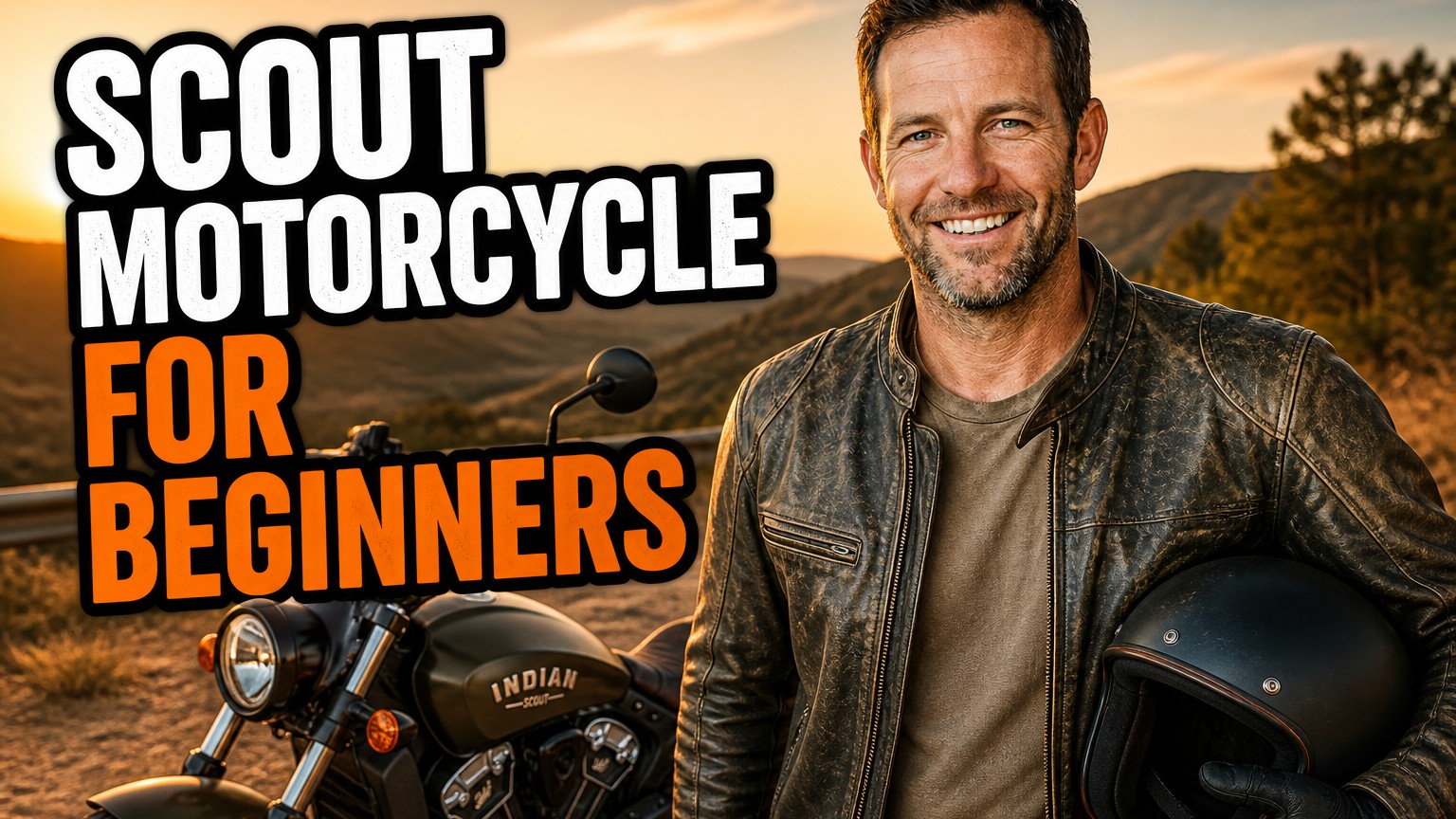
I get asked all the time whether a cruiser like the Indian Scout makes sense as a first big bike. My honest answer is yes, with the right model. The Scout has always been the “friendly” Indian: low, balanced, and easy to place in a corner.
I’ve spent plenty of saddle time on the Scout family, and I’ve watched friends learn on them too. This is my pick of the best Scout motorcycle for beginners, ranked by how forgiving each bike is for someone new to riding.
I’ll cover power, weight, seat height, price, and the quirks you should know about before signing anything.
- My top pick for most new riders is the Indian Scout Classic Sixty: low seat, manageable power, lower price.
- The 1250cc Scout Classic and Scout Bobber are great if you’ll ride a lot and want room to grow.
- Skip the Sport Scout and Super Scout as a very first bike unless you have some riding experience.
- Take a Motorcycle Safety Foundation course, wear proper gear, and sit on the bike before you buy.
How I Judged These Scouts for New Riders
Raw horsepower isn’t the main thing for a beginner. What matters is how the bike behaves when you’re nervous, at a stoplight, in a parking lot, or on a slow U-turn.
I ranked each model on five things:
- Seat height: can you plant both feet with confidence?
- Weight and balance: does it feel manageable when you push it around?
- Throttle and power delivery: is it smooth or snatchy?
- Riding position: are you relaxed or stretched out?
- Price and insurance: will it fit a first-bike budget?
Prices below are approximate U.S. MSRP ranges and change by year, color, and dealer fees. Check Indian’s site for current numbers.
1. Indian Scout Classic Sixty — Best Overall for Beginners
If a friend asked me to name one Scout to start on, I’d say the Scout Classic Sixty without hesitation. It uses the smaller 999cc V-twin, which makes roughly 78 horsepower. That’s plenty for highway riding without being intimidating.
Why I Like It
The throttle on the Classic Sixty is smooth and predictable. I never felt the engine surge unexpectedly, which is exactly what you want while learning clutch control.
The seat sits low, around 25 to 26 inches, and the mid-mount controls put your legs in a natural, relaxed spot. At parking-lot speeds, the bike feels planted rather than top-heavy.
What to Watch Out For
The stock suspension is on the simple side, and big potholes make that obvious. It’s also not a featherweight, so expect to build some confidence moving it by hand.
Pricing generally lands lower than the 1250cc models, often in the low-to-mid $12,000 range. For the quality of fit and finish, I think that’s fair for a first “real” cruiser.
2. Indian Scout Bobber Sixty — Best Budget-Friendly Style Pick
The Scout Bobber Sixty shares the same 999cc engine and friendly manners as the Classic Sixty. The difference is attitude: blacked-out parts, a stripped-down look, and a slightly more aggressive stance.
Riding Impressions
In my experience, the Bobber Sixty feels a little sportier because the riding position sits you more upright and more engaged. The handlebar is lower and closer than the Classic’s.
That makes it fun, but long highway days can feel a bit more tiring. I’d choose this one if you mostly ride around town or on twisty back roads.
Who Should Buy It
If you love the bobber look and want to keep power modest, this is the one. It usually costs about the same as, or slightly less than, the Classic Sixty. Just try the riding position before you commit.
3. Indian Scout Classic — Best for Growing Into
The 2025 redesign brought the Scout Classic a bigger 1250cc engine making around 105 horsepower. That’s a big jump from the Sixty, so I wouldn’t call it the gentlest choice. I would call it the best “buy once” choice.
Why It Still Works for Newer Riders
Even with that extra power, the Classic’s power delivery is linear and smooth. The seat height stays low, and the chassis feels stable and neutral.
I’d recommend it to a rider who has finished a safety course and plans to ride regularly. You won’t outgrow it in a year, which saves you from the cost of trading up.
Things to Know
Expect a starting price around the low-to-mid $14,000 range, and a weight in the mid-500-pound territory. You’ll need discipline with the throttle in the first few weeks.
The Classic’s upgraded electronics and display are a nice bonus. Traction control in particular adds a useful margin of safety for newer riders.
4. Indian Scout Bobber — Best Looks With Room to Grow
The 1250cc Scout Bobber is the Classic’s moodier sibling. It has the same big engine but a lower, tougher look, and it feels more urgent when you roll on the throttle.
My Take
I enjoy this bike a lot, but I’d call it a “confident beginner” machine. Because you sit more forward and low, bumps and long rides are less comfortable than on the Classic.
The Bobber rewards you with sharp handling and a great exhaust note. If you’re someone who gets bored quickly, that excitement can keep you motivated to practice.
Budget Notes
Pricing usually sits close to the Classic, though special paint can add up. Budget extra for a better seat or aftermarket adjustments if you plan on long days.
5. Indian Sport Scout — Best Step-Up After Your First Season
The Sport Scout is the most performance-focused of the group. It makes roughly 111 horsepower from the 1250cc engine, with firmer suspension and a more aggressive chassis.
Why It’s Not a First Pick
I love how it corners, but a brand-new rider doesn’t need this much grunt. The throttle response is livelier, and the stiffer setup is less forgiving of mistakes.
That said, a rider with a bit of experience, or someone coming from a smaller bike, will grow into it quickly. Think of it as your second season Scout.
Pro Tip
If you’re torn, ride the Classic Sixty first, then the Sport Scout. The difference in feel will tell you more than any spec sheet.
6. Indian Super Scout — Best for Comfort Once You’ve Got Skills
The Super Scout adds a fairing, more luggage-friendly touring touches, and a more comfortable ergonomic setup. It’s a lovely road bike with a big 1250cc engine.
Honest Assessment
I wouldn’t put a total beginner on this bike. It’s heavier and costs more, and the fairing adds wind loads that you’ll need to learn to manage.
For a rider with some miles under their belt, though, it’s a comfortable and stylish way to cover distance. Expect pricing in the mid-to-high $15,000 range or above.
Which Scout Should You Choose?
Here’s how I’d break it down in plain terms:
- Brand-new rider, smaller budget: Scout Classic Sixty.
- New rider who loves the bobber look: Scout Bobber Sixty.
- New rider who wants one bike for years: Scout Classic.
- Style-first, a little riding experience: Scout Bobber.
- Experienced-ish and want performance: Sport Scout.
- Touring comfort later on: Super Scout.
Should a Scout Really Be Your First Bike?
It depends on your goals. A Scout is heavier and more expensive than most starter bikes, so a drop or tip-over costs more than on a lightweight machine.
If you’re not set on a cruiser, smaller bikes can build skills faster. I often point people to my guide on the best 250cc motorcycle for beginners or the best 300cc motorcycle for beginners for that reason.
Stepping Up Gradually
Some riders want a bit more power without jumping straight to a 1000cc-plus cruiser. In that case, the best 400cc motorcycle for beginners list is worth a look.
Others prefer a middleweight sport or standard bike. My roundups of the best 600cc motorcycle for beginners and the best 650cc motorcycle for beginners cover those.
My Beginner Buying Tips for Any Scout
Sit on It First
Go to a dealer and sit on every model you’re considering. Check that you can reach the ground comfortably, and that the handlebars and pegs feel natural.
Don’t just trust seat-height numbers. Your inseam, boots, and weight all change how a bike feels.
Take a Safety Course
I can’t stress this enough. A Motorcycle Safety Foundation course teaches braking, swerving, and low-speed control in a safe environment, and it often lowers insurance costs.
Budget for Gear
Set aside a few hundred dollars for a quality helmet, jacket, gloves, and boots. Never skimp on protective gear, even on a short ride.
Consider Insurance and Financing
Get insurance quotes for each model before you buy. A 1250cc bike can cost noticeably more to insure than the 999cc version, especially for younger or brand-new riders.
Think About Used
Earlier-generation Scout Sixty bikes show up used at attractive prices. Look for a clean service history and have a mechanic check the bike over before you buy.
Final Thoughts
My bottom line: the Scout Classic Sixty is the most beginner-friendly bike in the family. It’s approachable, comfortable, and still has the classic Indian character that makes you want to go for a ride.
If you’re confident and committed, the 1250cc Classic or Bobber will serve you for years. Whichever you choose, take your time, practice often, and enjoy every mile.
Frequently Asked Questions
Is the Indian Scout a good motorcycle for beginners?
It can be, with caveats. The low seat height, balanced handling, and smooth power delivery make it friendlier than most cruisers. The 999cc Sixty models are the gentlest option, while the 1250cc models are quicker and need more respect.
Which Indian Scout is the easiest to ride for a new rider?
I think the Scout Classic Sixty is the easiest. It has the lowest power output in the current lineup, a low seat, and a more relaxed riding position than the Bobber.
How tall do I need to be to ride a Scout?
Most Scouts have a seat height around 25 to 26 inches, so riders from about 5’3″ up can usually flat-foot or come close. Always sit on the bike first, because boot soles and inseam length make a difference.
Should a beginner buy a new or used Indian Scout?
A used earlier-generation Scout Sixty can be a smart, budget-friendly choice if it has a clean service history. A new model gives you a warranty and modern electronics, which many first-time riders value.

Related Articles
7 Best Batteries for Motorcycles I’ve Tested and Trust in 2026
I've tested dozens of motorcycle batteries to find the best performers. From AGM to lithium, here are my top picks…
Jake Miller
15 min read

The Perfect Battery for Your Harley Davidson Softail: A Rider’s Complete Guide
Discover the perfect battery for your Harley Davidson Softail. I've tested multiple options and share real-world performance data, maintenance tips,…
Jake Miller
14 min read

The Best Battery for Your Harley Davidson: My Complete Guide After Years of Testing
Discover which battery truly performs best for Harley Davidson motorcycles. Real rider experience with AGM, lithium, and OEM options to…
Jake Miller
12 min read