
5 Best Tire Pressure Monitoring Systems for Motorcycles in 2025
 Jake Miller
10 min read
Jake Miller
10 min read
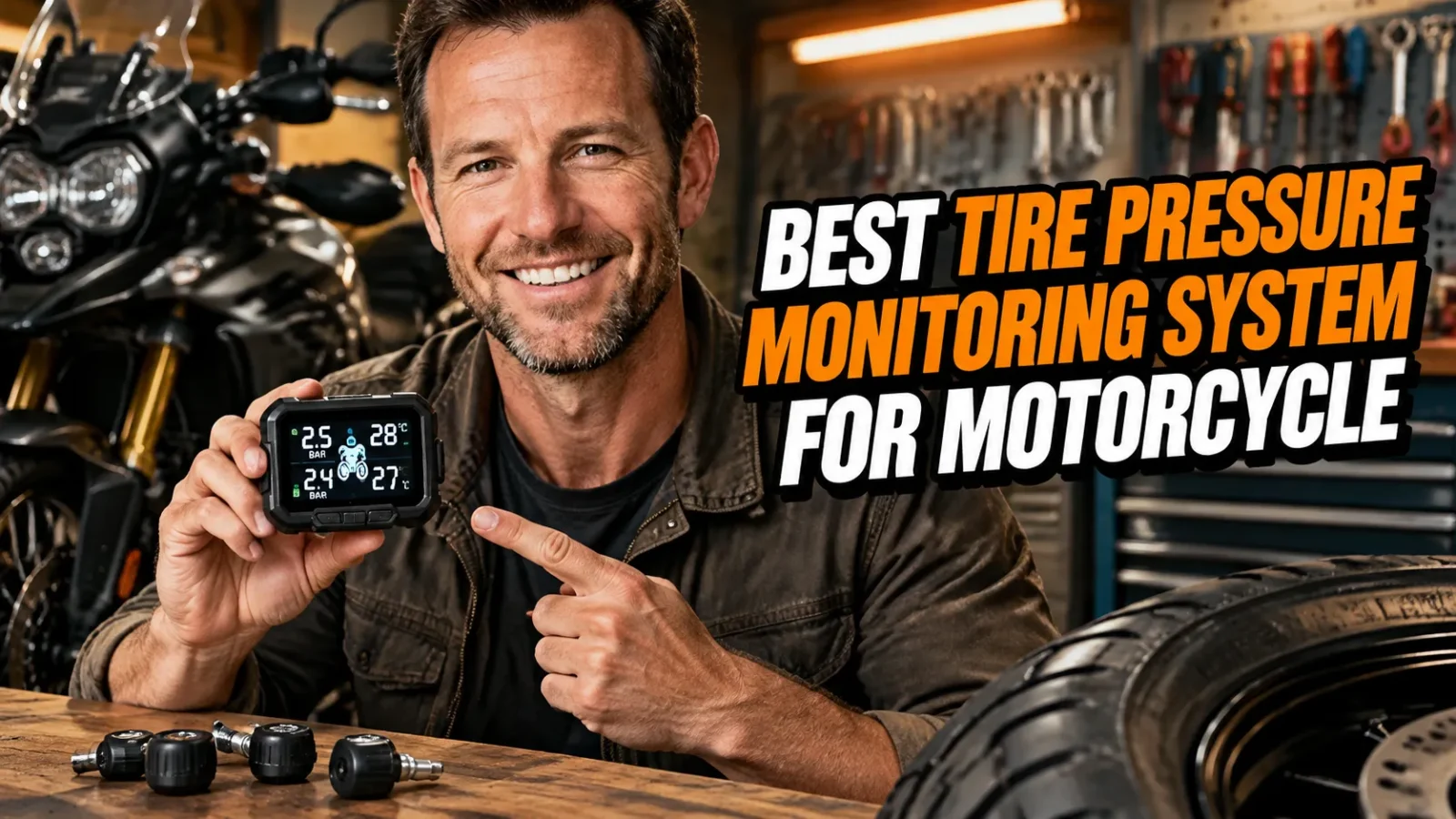
I used to think tire pressure monitoring was a car thing. Then I picked up a slow leak on a Friday evening ride, and I did not notice until the front end started feeling vague in a fast sweeper. That was the day I started taking motorcycle TPMS seriously.
Since then I have tested, borrowed, and ridden with several systems, and I have talked with plenty of fellow riders about theirs. In this guide I share my honest picks, what I like and dislike about each, and how to choose one that suits your bike and riding style.
A quick note before we dive in: prices and exact specs change between model years and retailers. I give typical ranges and key features, but always confirm compatibility with your bike before you buy.
- My top overall pick is the Fobo Bike 2 for its easy setup, app alerts, and fair price.
- Garmin’s TPMS is the best choice if you already ride with a compatible Garmin motorcycle GPS.
- Tymate offers a dedicated handlebar display, which suits riders who do not want to rely on a phone.
- BMW Motorrad RDC is the gold standard if your bike was built or prepared for it.
- No TPMS replaces a good manual gauge, so I also recommend the Motion Pro Digital Tire Pressure Gauge.
1. Fobo Bike 2 — Best Overall Bluetooth TPMS
The Fobo Bike 2 is the system I recommend first to most riders. It uses two small external sensors that screw onto your valve stems and send live data to your phone over Bluetooth. Setup takes only a few minutes.
What I like most is how simple the whole experience is. You pair the Fobo Bike 2 with its app, name your front and rear tires, and set your preferred pressure thresholds. From then on, the app tracks pressure and temperature and alerts you if something drifts.
What I Like About the Fobo Bike 2
The sensors are compact and fit most standard valve stems without fuss. On my own bike, they did not interfere with the wheel or look out of place. Battery life is solid, and the cells are user-replaceable coin cells, so you are not locked into recharging.
The app is clean and quick to read at a glance. I also appreciate that the Fobo Bike 2 shows temperature alongside pressure, because heat build-up tells you a lot on long highway days. Typical pricing sits around the lower-to-mid $100 range, which I consider good value.
Where the Fobo Bike 2 Falls Short
You need your phone mounted or in a pocket to see live readings. If your phone is buried in a tank bag or you run it in airplane mode, you will miss alerts. Some riders also prefer a dedicated display, which is where the Tymate comes in.
Still, for a daily commuter, weekend tourer, or sport rider who already mounts a phone, the Fobo Bike 2 is the easiest way to get serious monitoring without a big spend.
2. Garmin Tire Pressure Monitoring System — Best for Garmin GPS Users
If you already ride with a compatible Garmin motorcycle navigator, the Garmin Tire Pressure Monitoring System is a natural fit. Instead of juggling another app, your tire data appears right on the navigator screen you are already glancing at.
I like this approach because it reduces clutter. One display, one mount, one set of alerts. The Garmin TPMS sensors replace your valve caps and communicate wirelessly with the unit, so you see front and rear pressure while you navigate.
Why I Rate the Garmin Setup
Integration is the big selling point. Alerts show up over your map, so you do not need to look at a second device. For long-distance touring, where I want to keep my eyes focused and my cockpit tidy, this is a real advantage.
Garmin’s hardware is also built for abuse. Rain, vibration, and cold mornings are exactly what these navigators are designed for. If you tour in unpredictable weather, pairing the Garmin TPMS with the best motorcycle tire for wet roads makes a strong safety combo.
The Catch
The obvious drawback is that you need a compatible Garmin motorcycle GPS. If you do not own one, the total cost climbs fast. Check Garmin’s current compatibility list for your specific navigator before ordering, because support varies by model.
For riders already in the Garmin ecosystem, though, this is my favorite way to keep tire data in view without adding another gadget.
3. Tymate Motorcycle TPMS — Best Dedicated Handlebar Display
Not everyone wants their phone involved. The Tymate Motorcycle TPMS takes the classic approach: external valve-cap sensors paired with a small dedicated display you mount on your handlebars or dash.
I like this style for riders who keep their phone in a pocket, or who ride off the beaten path where signal and screen glare are issues. A dedicated screen means the information is always there, no unlocking and no app launching.
Who the Tymate Suits Best
Adventure and dual-sport riders tend to appreciate this layout. If you ride rough terrain, a standalone display is one less thing that depends on a phone battery or Bluetooth connection. Tymate-style systems generally offer high and low pressure alarms plus temperature readouts.
If you are heading into dust and heat, it also pairs nicely with the right rubber. When I think about riders chasing sand and speed, I think of the best motorcycle tire for desert racing, where a quick pressure warning can save a ride.
Things to Watch
Display brightness, mounting position, and sensor fit vary between versions, so read recent reviews for your exact model. Valve stem angle matters too: some wheels have awkward stems that make external sensors tricky.
Overall, I see the Tymate as a sensible, no-nonsense option when you want information on the bars rather than in an app.
4. BMW Motorrad RDC — Best Factory-Integrated System
The BMW Motorrad Tire Pressure Control (RDC) system is in a different category because it is integrated into the bike itself. The sensors sit inside the wheel, and pressure and temperature appear on your instrument display.
If you own a BMW that came with RDC, or one that is prepared for it, you already know how nice it feels. There is nothing to attach, nothing to charge, and nothing to forget. The readout is simply part of the dash.
Why Factory Integration Matters
Internal sensors are protected from the elements and cannot be knocked off. Data is shown right in your normal line of sight, and warnings follow the bike’s existing alert logic. For a long-distance tourer, this is the most seamless experience I have used.
It also makes it easy to check pressures before you set off. On heavier bikes, where correct pressure affects handling and tire wear, that convenience is worth a lot. If you ride a heavy bike, reading up on cruiser motorcycle tire pressure will help you choose sensible targets.
Limitations
RDC is not a universal aftermarket option. Availability depends on your model, year, and whether the bike has the necessary preparation. Retrofitting can be expensive and usually needs dealer involvement, so I only recommend it if your bike is already set up for it.
If your BMW has it, use it. If not, one of the aftermarket systems above is a more practical path.
5. Motion Pro Digital Tire Pressure Gauge — Best Backup Companion
I want to be upfront: the Motion Pro Digital Tire Pressure Gauge is not a TPMS. But I include it because every rider with a TPMS should also own a trustworthy handheld gauge. It is how I verify that my sensors are telling the truth.
Sensors can drift, batteries can run low, and cold-versus-hot readings can confuse things. A reliable digital gauge gives you a known reference. I check my cold pressures with the Motion Pro Digital Tire Pressure Gauge, then compare against my TPMS readout.
Why I Keep One in My Kit
It is compact, easy to read, and designed for motorcycle-friendly pressure ranges. That matters because many car gauges are not precise enough in the lower PSI range that bikes use. A good gauge makes your TPMS data far more meaningful.
I also like pairing it with a roadside plan. A quick check can confirm a leak, and the best tire repair kit for motorcycle can get you home if the news is bad.
How I Choose a Motorcycle TPMS
After living with several systems, I narrow the decision down to a few practical questions. These matter more than any spec sheet. Answer them honestly and the right product usually becomes obvious.
Display Style: Phone, GPS, or Dedicated Screen
Ask yourself where you want to see the data. If you already mount a phone, an app-based system like the Fobo Bike 2 is easy. If you use a Garmin GPS, integration makes sense. If you want independence from electronics, a dedicated display is better.
Sensor Type: External or Internal
External valve-cap sensors are easy to install and move between bikes. The tradeoff is that they are exposed and can be stolen or knocked off, so I use a small anti-theft lock nut or simply remove them when parking somewhere sketchy.
Internal sensors are tidier and safer from theft, but installation needs a tire shop. For most aftermarket buyers, I think external is the practical choice.
Alert Quality and Battery Life
Fast, reliable alerts are the whole point. I look for adjustable high and low thresholds, plus a clear warning for rapid pressure loss. Replaceable batteries are a big plus because they keep running costs low and avoid mid-trip charging.
Your Tires and Riding Style
Pressure targets depend heavily on your tire, load, and riding. A sport rider chasing grip will run different numbers than a commuter. If you are in the sport camp, take a look at the best micheline sport tire for motorcycle and follow the manufacturer’s recommended pressure range.
Common Mistakes I See Riders Make
The first mistake is trusting a TPMS blindly. Sensors are a tool, not a guarantee. I still do a quick visual walk-around and a cold gauge check before bigger rides.
The second is ignoring temperature. Pressure rises as tires heat up, so a hot reading will be higher than your cold target. Do not let air out just because the number climbed after a spirited ride. Set alerts around your cold baseline with a sensible margin.
The third is skipping the basics of installation. Make sure each sensor is tightened properly, the seal is intact, and the valve stem is straight. A poorly seated sensor can leak air, which defeats the entire purpose.
Final Thoughts: My Honest Recommendation
If I had to pick one system for the average rider, I would buy the Fobo Bike 2. It is affordable, simple, and does the job well. For Garmin owners, the Garmin TPMS is the cleanest integration, and for riders who want a standalone display, the Tymate is a sensible choice.
If you ride a BMW with RDC, you are already set. And whichever route you take, keep a reliable gauge like the Motion Pro Digital Tire Pressure Gauge in your garage. Good data starts with a trustworthy reference.
Tire pressure is one of the cheapest, easiest safety upgrades you can make. A small sensor on a valve stem can warn you before a minor leak becomes a major problem. Ride safe, and keep an eye on those numbers.
Frequently Asked Questions
Do motorcycles really need a tire pressure monitoring system?
Not legally, but I think they are worth it. A motorcycle has just two small contact patches, so a slow leak can become dangerous quickly. A TPMS gives you a live warning instead of relying on a visual check.
Are external valve-cap sensors accurate enough?
Good ones are typically accurate to within about 1 to 2 PSI, which is fine for monitoring. I still recommend checking them against a quality gauge such as the Motion Pro Digital Tire Pressure Gauge when you first install them.
Can I fit a TPMS to a tubeless or tubed tire?
Valve-cap (external) sensors work on both tubed and tubeless tires, since they simply thread onto the valve stem. Internal sensors are generally only suited to tubeless wheels and need professional fitting.
How often should I still check pressure manually?
I still check cold pressures with a gauge before every longer ride, or at least weekly. A TPMS is a safety net and a convenience, not a replacement for good habits.

Related Articles

8 Best Cruiser Motorcycle Tires for Street Riding: My Real-World Picks
I rank the 8 best cruiser motorcycle tires for street riding, from Michelin to Pirelli, with real notes on grip,…
Jake Miller
9 min read

8 Best Michelin Motorcycle Tires for Every Riding Style (Tested Picks)
Looking for the best Michelin motorcycle tires? I break down my 8 favorite models for sport, touring, adventure, cruiser, and…
Jake Miller
9 min read

Yamaha Tire Pressure Guide: The Right PSI for Safer, Smoother Rides
Learn the right tire pressure for your Yamaha, from sportbikes to cruisers and dirt bikes. Check, adjust and maintain PSI…
Jake Miller
9 min read