
The Ultimate Guide to Motorcycle Gloves: What I Wish I Knew Before My First Crash
 Jake Miller
10 min read
Jake Miller
10 min read
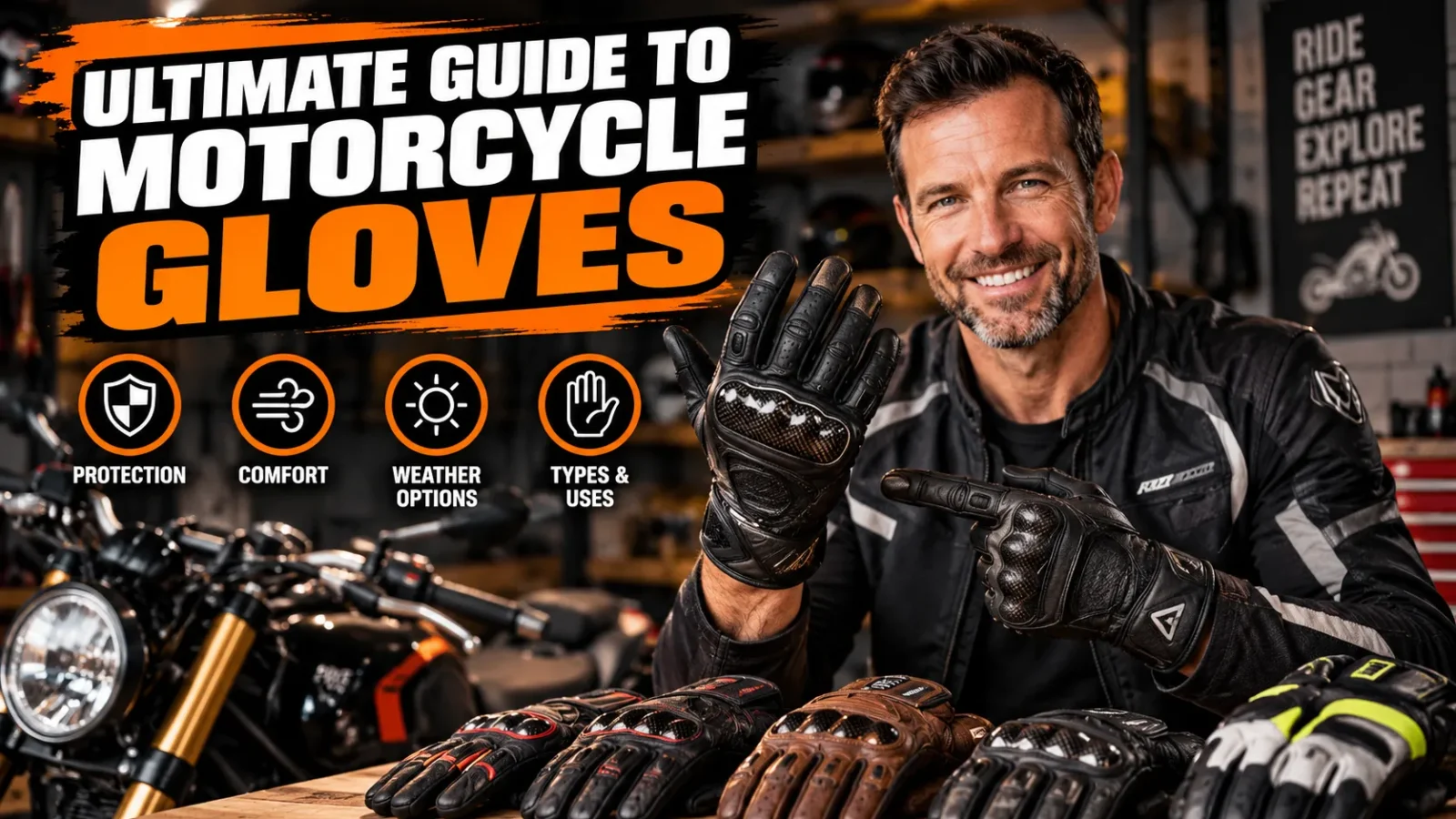
I still remember the first time I low-sided on a wet backroad. My bike slid out from under me, and my hands instinctively shot out to catch my fall. That split second is exactly why I never ride without gloves anymore, no matter how short the trip.
- Your hands hit the ground first in almost every crash, so gloves aren’t optional gear, they’re essential armor.
- Fit matters more than price. A $50 glove that fits perfectly beats a $200 glove that’s too loose or too tight.
- Match your gloves to your riding style and climate. Track gloves, touring gloves, and rain gloves all serve different purposes.
- Look for CE-rated armor, quality stitching, and materials suited to abrasion resistance, not just style.
- Replace your gloves after any crash and every couple of years with regular use, even if they look fine.
Over the years, I’ve gone through dozens of pairs, from cheap textile gloves that fell apart in a season to premium leather gauntlets that saved my hands from serious damage. I’ve learned what works, what doesn’t, and what actually matters when you’re standing in a gear shop feeling overwhelmed.
This guide is everything I’ve picked up from riding in scorching summers, freezing winters, and one too many surprise rainstorms. Let’s get into it.
Why Motorcycle Gloves Are Non-Negotiable Gear
I get it. Gloves can feel like an afterthought when you’re excited to just get on the bike and ride. But your hands are packed with tiny bones, tendons, and nerves that don’t recover well from asphalt.
Think about it this way: in a fall, your palms are usually the first point of contact. Without protection, even a slow-speed tip-over can shred skin down to the muscle in seconds.
I’ve seen riders lose full use of fingers from injuries that proper gloves would have completely prevented. It’s not dramatic to say gloves are one of the cheapest forms of insurance you can buy for your body.
The Everyday Benefits Beyond Crash Protection
Gloves aren’t just for the “what if” moments. They genuinely make everyday riding more comfortable and controlled.
Good gloves reduce vibration numbness on long rides, keep your grip secure in sweaty or wet conditions, and shield your hands from wind chill that saps your energy over time. I notice the difference on every single ride, even short commutes.
Understanding the Different Types of Motorcycle Gloves
Not all gloves are built for the same job. I learned this the hard way when I tried wearing thick winter gloves on a summer track day and nearly cooked my hands.
Here’s how I break down the main categories based on years of trial and error.
Sport and Track Gloves
These are built for aggressive riding and typically feature hard knuckle armor, palm sliders, and a gauntlet cuff that seals tightly around your jacket sleeve. They’re stiff at first, but the protection is unmatched.
I wear these almost exclusively for canyon rides and track days because I want maximum armor if things go sideways at speed.
Touring and Adventure Gloves
Touring gloves prioritize comfort and weather protection over raw abrasion resistance. Many include waterproof membranes, insulation, and adjustable cuffs for temperature control.
If you’re planning long days in the saddle, these are worth every penny. My hands stay comfortable even after eight hours on the highway.
Cruiser and Casual Riding Gloves
These tend to be shorter, more relaxed in fit, and often made from soft leather without heavy armor. They’re stylish and comfortable but offer less protection than sport gloves.
I still recommend at least some palm padding and knuckle protection even in this category. Style shouldn’t completely override safety.
Off-Road and Dirt Gloves
Off-road gloves are thin, breathable, and prioritize grip and dexterity over impact armor since crashes at lower speeds on dirt are different from pavement slides. They’re great for trail riding but not ideal for street use.
Materials That Actually Matter
I used to think all “motorcycle gloves” were basically the same underneath the branding. That’s just not true once you start comparing materials side by side.
Leather: The Classic Choice
Full-grain leather remains my top pick for abrasion resistance. It’s tough, it molds to your hand over time, and it genuinely holds up in a slide better than most synthetic alternatives.
The downside? Leather can be less breathable and takes longer to break in comfortably. I always spend a few rides “wearing in” new leather gloves before a long trip.
Textile and Synthetic Blends
Textile gloves have come a long way. Modern materials like Kevlar-lined fabric or ballistic nylon offer solid protection at a lower price point and often breathe better in hot weather.
If you’re just starting out, I’d point you toward some of the Best Beginner Gloves for Motorcycle riding, since many combine textile durability with an affordable price tag while you figure out your riding style.
Mesh and Perforated Options
For hot climates, mesh panels or perforated leather keep airflow moving so your hands don’t turn into a sweaty mess. I switch to these every summer and never look back once temperatures climb past 85°F.
Protection Features I Never Skip
After enough close calls, I’ve become pretty particular about the protective features I look for in every glove I buy.
Knuckle Armor
Hard plastic or composite knuckle protection absorbs impact that would otherwise go straight into your finger joints. I consider this a dealbreaker feature for anything beyond casual cruising.
Palm Sliders
These reinforced patches on the palm reduce friction burns and help your hand slide rather than catch on pavement during a fall. This single feature has saved my palms more times than I can count.
Wrist Straps and Gauntlet Closures
A glove that flies off your hand mid-crash is useless. Secure wrist straps or gauntlet-style cuffs keep everything locked in place exactly when you need it most.
CE Certification
Look for the CE rating (Level 1 or Level 2) on the glove’s label or product description. This is an actual tested standard, not just marketing language, and it tells you the glove has been evaluated for impact and abrasion resistance.
Getting the Fit Right
I can’t stress this enough: a poorly fitted glove is almost as dangerous as no glove at all. If it’s too loose, it can slide off in a crash. Too tight, and it restricts blood flow and grip strength.
How I Measure My Hand for Gloves
Wrap a soft tape measure around your dominant hand at the widest part, usually just below the knuckles. That measurement in inches typically corresponds to glove size charts from most major brands.
Always check the specific brand’s sizing chart though, because I’ve found sizing varies more than you’d expect between manufacturers.
The In-Store Fit Test
Whenever possible, I try gloves on in person before buying. Make a fist, mimic gripping a throttle, and flex your fingers fully to check for pinching or excess material.
If you can’t try them on, buy from a retailer with a solid return policy. Online sizing charts help, but nothing beats physically testing the fit.
Riding in Different Weather Conditions
One pair of gloves can’t do everything well. I’ve built up a small rotation depending on the forecast, and it’s made a massive difference in comfort.
Hot Weather Riding
Perforated leather or mesh gloves with minimal lining keep my hands cool without sacrificing too much protection. I still make sure knuckle armor is present even in summer gloves.
Cold Weather Riding
Insulated, windproof gloves with longer gauntlet cuffs are essential once temperatures drop. I also layer thin glove liners underneath on especially frigid mornings.
Wet Weather Riding
Nothing ruins a ride faster than soggy, cold gloves gripping a wet handlebar. I learned this lesson the hard way, so now I always keep a dedicated pair on hand for unpredictable weather.
If you ride through unpredictable climates like I do, it’s worth checking out the best motorcycle gloves for rain to avoid getting caught with soaked, useless gear halfway through a storm.
Common Mistakes I’ve Made (So You Don’t Have To)
I’ve made basically every glove mistake possible over the years. Here are the big ones worth avoiding.
Buying Based on Looks Alone
I once bought a gorgeous pair of fashion-forward gloves that looked incredible but had zero armor. They lasted about two rides before I replaced them with something actually functional.
Ignoring Break-In Time
New leather gloves feel stiff, and that’s normal. I’ve learned to break them in around the house before committing to a long ride, so I’m not fighting the material at 70 mph.
Skipping Gloves for “Short Rides”
The most dangerous rides are often the short, casual ones where you talk yourself out of gearing up properly. Some of the worst injuries I’ve heard about happened just blocks from home.
Not Replacing Worn-Out Gloves
Padding compresses, stitching weakens, and leather thins out over time. I set a mental reminder to evaluate my gloves every riding season and replace anything showing real wear.
How Much Should You Actually Spend?
I’ve owned gloves ranging from $25 to well over $200, and I can tell you the relationship between price and quality isn’t always linear.
Budget Range ($25-$60)
This range is fine for casual, low-speed riding but often skips advanced armor. Great for beginners who are still figuring out their preferences and riding style.
Mid-Range ($60-$150)
This is where I do most of my shopping. You’ll find solid armor, durable materials, and reliable weatherproofing without paying for unnecessary brand premiums.
Premium Range ($150+)
Premium gloves often include advanced materials like kangaroo leather, superior ergonomics, and race-proven protection. Worth it if you’re riding aggressively or doing serious track time.
Caring for Your Gloves So They Last
Good gloves are an investment, and simple care extends their life significantly. I clean mine regularly and store them properly instead of just tossing them in my bike’s saddlebag.
Cleaning Leather Gloves
Wipe down with a damp cloth and use a dedicated leather conditioner every few months to prevent cracking. Avoid direct heat sources when drying, since that dries out the leather too fast.
Cleaning Textile Gloves
Many textile gloves can be hand-washed with mild soap, though I always check manufacturer instructions first. Air-dry them completely before storing to prevent odor or mildew buildup.
My Final Thoughts Before You Buy
Choosing the right gloves isn’t about finding the flashiest pair on the shelf. It’s about matching protection, fit, and material to how and where you actually ride.
I’ve crashed enough times to know that the few seconds it takes to pull on a proper pair of gloves is nothing compared to months of recovering from a hand injury. Trust me on this one.
Take your time, try on multiple pairs if you can, and don’t be afraid to invest a little more for gear that could genuinely protect your hands for years of riding ahead.
Frequently Asked Questions
How do I know if motorcycle gloves fit correctly?
A properly fitted glove should feel snug like a second skin with no bunching in the palm or excess material at the fingertips. You should be able to make a full fist and grip the brake lever without the glove sliding or restricting movement.
Are leather or textile motorcycle gloves better?
Leather generally offers superior abrasion resistance and molds to your hand over time, making it great for sport and touring riders. Textile gloves are often more affordable, breathable, and easier to clean, which suits commuters and casual riders.
How often should I replace my motorcycle gloves?
I replace mine every 2-3 years with regular use, or immediately after any crash even if damage isn’t obvious. Stitching, padding, and armor degrade over time and after impacts, so don’t wait until they look destroyed.
Do I really need armored knuckles on motorcycle gloves?
Yes, absolutely. Hands are one of the first things riders instinctively use to break a fall, and hard knuckle armor or reinforced palm sliders can prevent fractures and severe road rash during a crash.

Related Articles
8 Best Waterproof Motorcycle Gloves for Summer Riding
I tested and researched the 8 best waterproof motorcycle gloves for summer, balancing breathability, dry hands, and all-day comfort. Find…
Jake Miller
10 min read
10 Best Motorcycle Gloves for Protection That I’d Actually Trust My Hands To
I've crashed, dropped bikes, and tested dozens of gloves. Here are the 10 best motorcycle gloves for protection I genuinely…
Jake Miller
11 min read
9 Best Mechanix Gloves for Motorcycle Riding You Can Actually Trust
I've tested Mechanix gloves on real rides—here are the 9 best models for motorcycle riding, from impact protection to cold-weather…
Jake Miller
11 min read