
5 Lowest-Priced Indian Motorcycles to Consider Before You Buy
 Jake Miller
11 min read
Jake Miller
11 min read
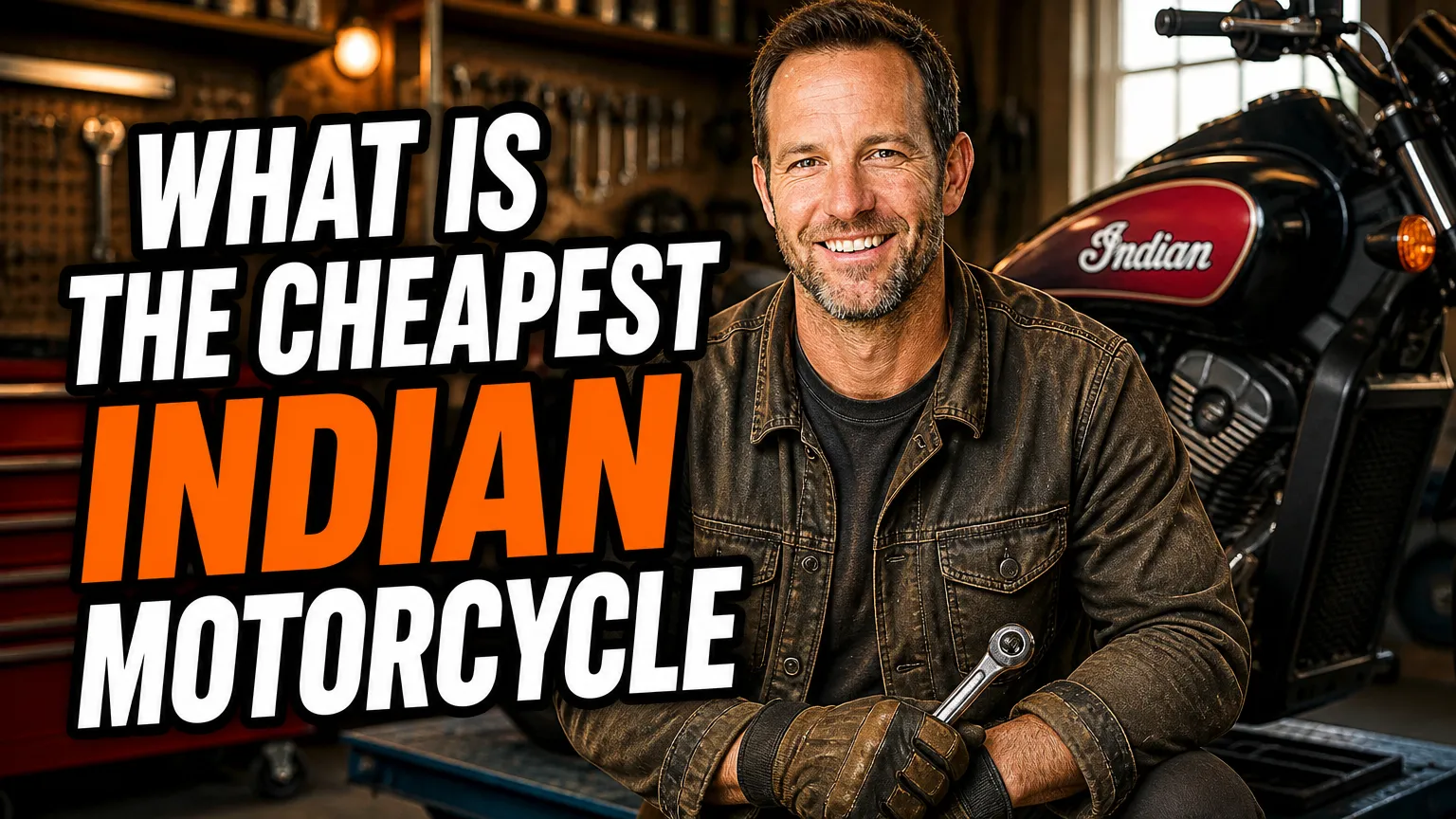
I hear “Indian motorcycle” and sometimes need to clarify what someone means: an Indian Motorcycle brand bike, or a motorcycle manufactured in India. Here, I’m talking about the American brand, whose entry-level choices are mainly in its Scout family. My quick answer is the Indian Scout Sixty Bobber, although the exact cheapest option depends on model year, dealer inventory, and local pricing.
I’d treat the advertised starting price as a starting point, not the amount I’ll ride away for. Destination charges, taxes, registration, dealer fees, accessories, and financing can all change the final bill. Below, I compare five real Scout models, explain where the lower price comes from, and share how I’d shop for one.
- I’d start with the Scout Sixty Bobber when I’m looking for the lowest-priced new Indian Motorcycle.
- The Scout Sixty Classic is another relatively affordable choice, with a more traditional look.
- Recent Scout Sixty models use a liquid-cooled 999cc V-twin; I’d judge the bike by its weight and fit, not displacement alone.
- I’d compare the out-the-door price and test-ride options before choosing between new and used.
1. Indian Scout Sixty Bobber: My Pick for the Lowest Starting Price
When I’m asked what the cheapest Indian Motorcycle is, the Scout Sixty Bobber is the first model I check. Recent U.S. model-year pricing put its introductory MSRP at about $9,999, making it the entry point to the modern Scout lineup. That figure is a useful reference, but I’d ask a local dealer for the current price on the exact bike in stock.
The recent Scout Sixty Bobber is powered by a liquid-cooled 999cc V-twin, paired with a five-speed transmission. Indian has listed claimed output at about 85 horsepower and 65 lb-ft of torque for this newer Scout Sixty generation. To me, those numbers describe a substantial cruiser, not a small beginner motorcycle; I’d make sure I’m comfortable with its size, weight, and response before buying.
What I like about the Bobber
I like the Bobber’s stripped-back styling, low seat, and compact-looking profile. It has blacked-out details and a solo-seat, minimalist appearance that suits the custom-cruiser look without requiring me to build a bike from scratch. I’d still sit on it rather than assume the low seat automatically means it will fit me well.
The lower starting price is the main reason I’d put it at the top of this list. I’d be careful to compare equivalent versions, though: optional equipment, paint choices, accessories, and dealer-installed parts can push the price above the base figure. Before signing, I’d request an itemized out-the-door quote.
Who I think it suits
I’d consider the Scout Sixty Bobber if I want a new Indian-branded cruiser and prioritize the lowest entry price over extra styling features. I wouldn’t buy it just because it is the cheapest. A comfortable reach to the bars, manageable low-speed balance, and a test ride matter more to me than saving a little money on a bike that doesn’t fit.
2. Indian Scout Sixty Classic: My Choice for Traditional Cruiser Style
I’d look at the Scout Sixty Classic next if I wanted the Scout Sixty engine in a more traditional package. Recent introductory U.S. pricing has placed it slightly above the Scout Sixty Bobber, around $10,499. I use that as a model-year reference rather than a promise of today’s local retail price.
Like the Bobber version, the recent Scout Sixty Classic uses a 999cc liquid-cooled V-twin and five-speed transmission. Its appeal to me is less about a different engine and more about its styling and equipment. I’d compare the two side by side because seat design, fenders, trim, and finish can affect both the look and the feeling of the bike.
Why I might pay extra
I’d pay the difference if I preferred the Classic’s more traditional cruiser appearance to the Bobber’s stripped-down look. That choice is personal, but I’d also compare the exact standard equipment and available options for the model year I’m considering. I never assume that two bikes with the same engine have identical features or pricing.
For me, this model is a useful reminder that the lowest sticker price isn’t always the best value for an individual rider. If I’d immediately spend money changing a bike’s appearance or adding practical accessories, I’d include those costs when comparing it with the Classic. I’d also ask whether the dealer has both versions available for a test sit or ride.
3. Indian Scout Bobber: A Bigger-Engine Step Up
The Scout Bobber is where I’d look if I wanted the Bobber styling but didn’t want the lower-priced Scout Sixty specification. Recent Scout models use a 1,250cc liquid-cooled V-twin, and Indian has listed claimed output around 105 horsepower for this engine family. In recent U.S. lineups, its starting price has been notably higher than the Scout Sixty Bobber, with introductory figures around $12,999.
I’d be clear about what that extra money buys me: a larger engine and a different performance proposition, as well as model-specific equipment and styling. It isn’t automatically the sensible choice for every rider. In my experience, I’d rather choose a bike I can control comfortably than pay more for capacity I don’t need.
How I’d compare it with the Scout Sixty Bobber
I’d compare the two by sitting on them, checking the controls, and arranging a proper test ride where possible. The Scout Bobber can make sense for a rider who wants its larger engine and is comfortable with the price increase. If I were new to motorcycling, I’d also think about my training and experience; I’ve found that engine size alone doesn’t tell me whether a motorcycle is beginner-friendly.
For a deeper look at matching displacement to experience, I’d read this guide to the best motorcycle engine size for beginners. I’d use it as one part of my research, then consider seat height, curb weight, throttle response, and the kind of roads I actually ride.
4. Indian Scout Classic: More Traditional Styling with the Larger Engine
The Scout Classic gives me the larger 1,250cc Scout engine in a more traditional cruiser style. Recent U.S. starting-price references have put it above the Scout Sixty Classic, around $13,499. Since prices and model specifications can change by year and market, I’d confirm the exact version rather than rely on an old listing.
I’d consider the Scout Classic if I liked the Classic’s styling but wanted the larger engine offered in the standard Scout range. Its place on this list is as a step-up option, not a cheap alternative to the Scout Sixty. I’d work out whether I value the engine difference enough to justify the additional purchase cost.
My value check
When I compare a Scout Classic with a Scout Sixty Classic, I’d write down the actual differences for the model years being sold. I’d check the manufacturer’s current specifications, standard equipment, available safety features, and warranty details instead of assuming that trim names tell the whole story. I’d also compare dealer quotes on similarly equipped bikes.
I’d include likely ownership costs in that comparison. Insurance, protective gear, scheduled maintenance, tires, and accessories are part of my real budget, even though they don’t appear in the advertised MSRP. If the larger-engine model would leave me short on money for good gear and training, I’d take that seriously.
5. Indian Sport Scout: My Option for a More Sporty Look
The Sport Scout is another real Scout-family model I’d consider, though it sits higher in price than the entry-level Scout Sixty choices. Recent U.S. launch pricing has been around $14,999. It uses the 1,250cc Scout engine, and its sportier styling and riding position make it a distinct choice rather than simply a cheaper alternative.
I’d look at the Sport Scout if I wanted a more assertive, custom-inspired appearance and liked how it felt on a test ride. I wouldn’t include it in my search for the absolute lowest-priced Indian Motorcycle, but it helps show how the Scout range steps up from the base-price models. The initial MSRP is only one piece of that comparison.
What I’d test before deciding
I’d pay attention to how the bars, seat, and foot controls fit my body. A bike that looks sporty in photos might not be comfortable for my commute or longer rides, so I’d try to ride it in the conditions I expect to encounter. I’d also check how manageable it feels when walking it backward or making a slow turn.
If I’m comparing motorcycles by performance, I’d be wary of treating top-speed claims as the whole story. My everyday needs are more likely to include smooth low-speed control, predictable braking, and comfort. For context, I’d look at this explanation of how fast a 300cc motorcycle can go and remember that engine size alone doesn’t define a bike’s usefulness.
How I’d Decide Which Indian Motorcycle Is Truly Cheapest
I’d start with the exact model year and trim, then ask for an itemized out-the-door price. A low advertised price might exclude freight, setup, documentation, taxes, registration, and add-ons. I’d compare written quotes from more than one dealer, and I’d question any accessories or protection packages I didn’t request.
Next, I’d compare the bike’s purchase price with the total cost of ownership. I’d get an insurance quote before buying, budget for a helmet and protective clothing, and ask what scheduled service is likely to cost. If I’m financing, I’d compare the total amount paid over the loan rather than focusing only on the monthly payment.
New versus used
If the new Scout Sixty is outside my budget, I’d also search for used Scout Sixty and Scout models. I’d look for maintenance records, check the tires and brakes, inspect for crash damage or corrosion, and verify the title and vehicle identification number. I’d arrange an independent inspection if I wasn’t confident assessing the bike myself.
A used motorcycle can be a better deal, but I wouldn’t assume every older bike is cheaper after repairs. I’d account for worn tires, overdue maintenance, missing keys, damaged parts, and any changes that could affect safety or reliability. I’d also make sure the specific used model and year suit my needs, rather than buying the first low-priced listing I find.
What I’d Know Before I Buy
I’d keep one naming detail straight: Indian Motorcycle is the American motorcycle brand, while “Indian motorcycle” can also be read as a bike made in India. Those are different questions. If I’m researching manufacturing origins, I’d check this overview of what motorcycle is made in India rather than infer a bike’s origin from its brand name.
I’d also remember that the Scout Sixty is a powerful, full-size cruiser even though it is positioned as an entry point in the Indian range. A 999cc engine may be manageable for an experienced rider, but I wouldn’t use displacement by itself to decide whether it’s right for me. Training, fit, weight, confidence, and responsible practice all matter.
For a new rider, I’d compare the Scout Sixty with less expensive and smaller-displacement motorcycles from other brands before committing. If sound is part of the appeal, I’d still listen in person and check local noise rules rather than choose by online clips alone. I’d use this guide to the cheapest best-sounding motorcycle for first-time riders as another research stop.
My bottom line is simple: the Scout Sixty Bobber is the model I’d check first when looking for the lowest-priced new Indian Motorcycle, while the Scout Sixty Classic is my next comparison for a more traditional look. I’d verify current pricing, get a real out-the-door quote, and ride before I decide. The cheapest bike is only a good buy if it fits my budget, my body, and the way I plan to ride.
Frequently Asked Questions
What is the cheapest new Indian Motorcycle?
The Scout Sixty Bobber has been the lowest-priced model in the recent Scout lineup, with an introductory U.S. MSRP around $9,999. I’d confirm the current price and availability with a dealer.
Is the Indian Scout Sixty a 999cc motorcycle?
Yes. The recent Scout Sixty uses a liquid-cooled 999cc V-twin. Its engine size is close to 1,000cc, so I’d consider its weight and power as well as its displacement.
Is Indian Motorcycle made in India?
No. Indian Motorcycle is an American motorcycle brand. Its name does not mean its bikes are made in India, and manufacturing details can vary by model and production year.
Can I find a cheaper Indian Motorcycle used?
Yes. I’d compare older Scout Sixty and Scout models from multiple sellers, then check maintenance records, condition, title status, and any repair costs before making an offer.

Related Articles

7 Fastest Indian Motorcycles for Speed, Power, and Real-World Riding
Explore the quickest Indian Motorcycle models, engine specs, realistic speed estimates, and my picks for riders seeking performance and comfort.
Jake Miller
12 min read

5 Most Expensive Indian Motorcycles: Elite Touring Models Compared
Compare the priciest Indian Motorcycle models, from the Pursuit Elite to premium touring trims, with 2025 U.S. MSRP context, key…
Jake Miller
9 min read

6 Lightest Indian Motorcycles Ranked by Weight, Specs and Riding Feel
Find the lightest Indian motorcycle for your riding style. I compare six models by published weight, engine, features, price and…
Jake Miller
11 min read