
6 Best Electric Motorcycles for Highway Commuting: Range, Comfort, and Charging Compared
 Jake Miller
11 min read
Jake Miller
11 min read
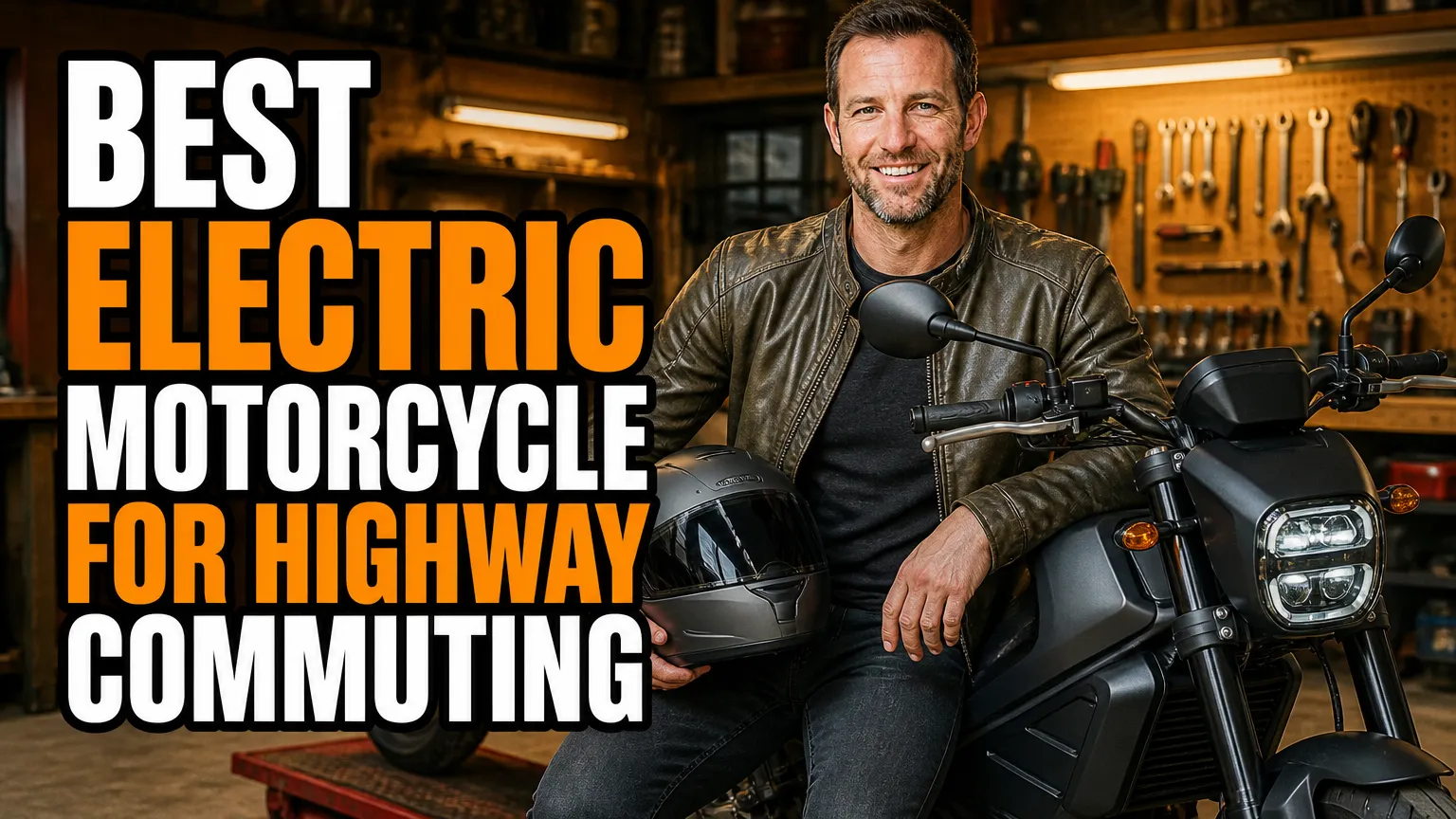
I find that an electric motorcycle can make a daily highway commute quieter, smoother, and easier to live with, especially when I can charge at home. The catch is that highway speed uses energy quickly, so I look beyond the biggest advertised range number and consider charging access, wind protection, comfort, and the length of my actual route.
When someone asks me for the best electric motorcycle for highway commuting, I start with the commute itself: average speed, round-trip distance, weather, and whether there is a dependable place to charge. These six models stand out for different reasons, but I would not treat any published range figure as a guarantee of what I will get on a fast, cold, windy day.
- I’d put the Zero SR/F at the top of my all-around shortlist for highway commuting.
- I’d choose the faired Zero SR/S if wind protection matters more than a naked-bike feel.
- The LiveWire ONE and Zero DSR/X make sense for different priorities: charging support and versatility, respectively.
- I’d treat manufacturer range figures as estimates and plan around real highway speed, weather, and charging access.
1. Zero SR/F: Best All-Around Highway Commuter
I see the Zero SR/F as the strongest starting point for a rider who wants one electric motorcycle to handle weekday highway miles and enjoyable weekend rides. Its upright naked-bike layout gives me a natural riding position, while its performance-focused motor has the reserve I want for merging and passing.
Zero lists an estimated range of up to about 187 miles in city riding and roughly 117 miles on the highway for the SR/F, though the exact figure depends on model year, configuration, and test conditions. I pay more attention to that highway estimate than the city maximum because steady high speeds, cold weather, and headwinds can shrink practical range.
Why I’d consider it for commuting
The SR/F’s connected features and ride modes give me useful ways to tailor the bike to a daily route. Depending on specification and market, its charging equipment can also support faster AC charging than a basic household outlet, so I would check the precise trim and installed options rather than assume every used or new example charges identically.
My main reservation is cost: I’d expect a premium price, with new-bike pricing varying by model year, trim, and dealer. I’d also test the seat and wind exposure before buying; the naked design is appealing around town, but it gives me less protection from sustained wind than a faired motorcycle.
2. Zero SR/S: Best for Wind Protection and Longer Highway Runs
If I know most of my commute involves open highway, I’d give the Zero SR/S a close look. It shares much of its performance and electric platform with the SR/F, but its sport-touring bodywork and windscreen give me a more sheltered riding position for longer stretches at speed.
Zero’s published range estimates for the SR/S are around 187 miles in city use and about 117 miles on the highway, depending on model and conditions. I’d use the highway figure as a planning reference, not a promise, and leave extra battery in reserve for detours or an unexpectedly fast traffic flow.
What I like about the SR/S
The fairing is the key difference I notice when comparing it with the SR/F. Less wind pressing against my chest can make a commute feel calmer, and the sport-touring setup suits riders who want weekday practicality without moving to a large, heavy touring motorcycle.
I’d compare the SR/S and SR/F back-to-back if possible, because bodywork is only an advantage if the fit works for me. The SR/S can cost more depending on trim and year, and I’d confirm charging capability on the specific bike. For a mostly urban route with only a few highway miles, the less-faired SR/F may be the more sensible spend.
3. LiveWire ONE: Best for Fast-Charging Capability
I’d consider the LiveWire ONE when charging time and highway performance are high on my list. It is a full-size electric motorcycle with strong acceleration and a claimed top speed in the neighborhood of 110 mph, which gives me useful headroom for typical highway travel and passing.
LiveWire has quoted range figures of up to about 146 miles in city riding and roughly 95 miles on the highway. Those are estimates, and I would expect my results to change with speed, temperature, rider weight, and route. For a longer commute, I’d map the return trip and identify a reliable charging option before relying on the bike every day.
My charging and ownership checks
The LiveWire ONE supports DC fast charging, which can make a meaningful difference when a compatible public charger is on my route. Charging speed still depends on the charger, battery state, and conditions, so I’d check the current owner’s manual and charging network rather than plan around a best-case time.
I’d also compare the purchase price, dealer support, and service access in my area. LiveWire ONE pricing can vary with model year and availability, and I would not assume that every region has the same support network. If I had convenient charging and a commute that fit its real-world range, it would be a compelling premium choice.
4. Zero DSR/X: Best for Rough Roads and All-Weather Versatility
The Zero DSR/X is the choice I’d investigate if my commute includes broken pavement, gravel access roads, or the occasional detour beyond smooth city streets. Its adventure-bike stance and suspension travel offer a different kind of comfort from the SR/F, and its upright riding position gives me a good view in traffic.
Zero has listed range estimates of up to around 180 miles in city riding and approximately 107 miles on the highway for the DSR/X. I’d plan with the highway number in mind and consider how much extra energy I might use with luggage, a passenger, cold temperatures, or off-pavement riding.
Where it earns its place
I like that the DSR/X is not limited to one narrow idea of commuting. It can be a practical choice for someone who wants to leave pavement behind on weekends, and its range of ride settings helps me adapt the bike to changing road and traction conditions.
For a simple paved commute, though, I’d ask myself whether I really need the taller adventure-bike format. It can be a substantial investment, and extra capability does not automatically mean better efficiency or easier parking. I’d choose the DSR/X because I want its versatility, not just because an adventure motorcycle looks ready for anything.
5. LiveWire S2 Del Mar: Best for a Lighter, More Agile Daily Ride
I’d shortlist the LiveWire S2 Del Mar if my commute mixes city streets with manageable highway sections and I value a compact, agile feel. It is smaller and less imposing than the LiveWire ONE, but its electric acceleration can still make it feel lively when I need to merge or move through traffic.
LiveWire has advertised city range of up to roughly 113 miles for the S2 Del Mar, with highway range substantially lower. Depending on the published estimate and conditions, I’d think of its highway capability as best suited to shorter highway legs rather than a long, high-speed daily haul. Its top speed is around 100 mph, so I’d still check that it has comfortable headroom for my local roads.
Who I think should look at it
The Del Mar makes the most sense to me when most of the route is urban or suburban and the highway portion is limited. Its size and styling feel more approachable for daily errands than a larger touring-oriented electric bike, and that can matter when I’m filtering through tight parking areas or navigating stop-and-go traffic.
I would not buy it based on city range alone if my commute is mostly freeway. I’d calculate my round trip using conservative highway expectations, then add a buffer for weather and detours. I’d also confirm the charging setup on the exact model year, since charging equipment and specifications can differ across versions.
6. LiveWire S2 Mulholland: Best for a Distinctive Urban-to-Highway Mix
The LiveWire S2 Mulholland is another option I’d consider if I want an electric motorcycle that feels at home around town but can still cover shorter highway stretches. It shares the S2 platform’s compact character while using a distinctive cruiser-inspired design, giving it a different fit and feel from the Del Mar.
LiveWire has published an estimated city range around 120 miles for the Mulholland, with a lower highway estimate often cited at roughly 70 miles. I treat those figures as useful comparison points rather than a prediction for my own ride. A longer highway commute could leave too little reserve, especially when I’m riding fast or facing cold, wet, or windy conditions.
My practical take
I’d choose the Mulholland because its styling and riding position suit me, not because I expect it to be the longest-range bike on this list. Before committing, I’d sit on one, check the reach to the bars and foot controls, and see whether the seat remains comfortable for the length of my daily trip.
For charging, I’d confirm the motorcycle’s onboard charging specifications and compare them with the outlets or public stations I can actually use. If my commute is short enough to recharge at home overnight, that may be all I need. If I have a long round trip or limited charging access, I’d look first at the larger-range Zero or LiveWire ONE options.
How I Choose the Right Electric Motorcycle for My Commute
I start by measuring the full round trip, including the ride to work, errands, and any regular detour. Then I compare that distance with a conservative highway-range estimate, rather than the most optimistic city figure. I want enough reserve to handle an alternate route or an unexpected change in weather without turning every ride into a battery countdown.
I check highway speed and passing ability
I look at top speed, acceleration, and the kind of road I use. A bike that can reach the speed limit is not automatically comfortable for a fast-moving highway: I also want enough power for merging and passing without pushing the motor continuously at its limit.
If I’m moving up from a smaller motorcycle, I find it useful to compare the role of displacement and performance in my decision. These guides on how fast a 150cc motorcycle can go, how fast a 300cc motorcycle can go, and how fast a 500cc motorcycle can go can help frame the conversation, even though electric motors deliver power differently from gasoline engines.
I plan charging before I buy
Home charging is a major advantage in my eyes: if I can plug in overnight, I can start most workdays with a full battery. I still check whether the bike uses AC charging, supports DC fast charging, or needs optional equipment for faster charging, and I confirm that my home electrical setup and public charging options suit it.
I also think about where I’ll park the bike and charge it at work. A motorcycle that fits my range on paper may be inconvenient if I have no secure outlet or dependable charging stop. I’d rather choose a model that comfortably fits my routine than depend on a charger that is often occupied or out of service.
I consider the whole riding experience
Seat comfort, wind protection, suspension, and ergonomics shape how I feel after a week of commuting. I’d test-ride the exact model if possible, ideally on roads similar to my route, and pay attention to wind buffeting and riding position at speed. Range and horsepower matter, but a bike that leaves me sore or exposed may not be the right daily choice.
For newer riders, I’d also balance performance with experience and confidence. My guides to the best electric motorcycle for beginners and choosing a motorcycle engine size as a beginner offer useful background for thinking through that decision. An electric motorcycle’s instant torque can feel very different from the familiar power delivery of a small gas bike.
My Final Shortlist
If I wanted the most balanced highway commuter here, I’d start with the Zero SR/F and compare it directly with the Zero SR/S if wind protection were important. I’d pick the LiveWire ONE if its fast-charging capability and highway performance suited my route, and I’d lean toward the DSR/X if my commute also involved rough roads or weekend adventure riding.
For shorter highway sections and more urban riding, I’d consider the S2 Del Mar or S2 Mulholland, but I would check highway range especially carefully. The best match for me is the motorcycle that covers my real commute with a sensible reserve, fits my body and roads, and can be charged conveniently. I’d let those practical details guide the purchase more than a headline range number.
Frequently Asked Questions
What is the best electric motorcycle for a highway commute?
I would start with the Zero SR/F for its balance of highway range, performance, and charging options. The best fit depends on your route, speed, and ability to charge.
How much range do I need for an electric motorcycle commute?
I recommend choosing a bike with more than your round-trip distance in usable highway range, since speed, temperature, wind, and hills can reduce battery range.
Can electric motorcycles charge quickly on road trips?
Some models support DC fast charging, while others rely on slower AC charging. I check the exact bike’s charging equipment and local charger access before buying.
Are electric motorcycles suitable for highway speeds?
Several models can comfortably reach typical highway speeds, but I compare top speed, passing power, and highway-range estimates before choosing one.

Related Articles

7 Best Motorcycles for Short Highway Commutes: Comfortable, Capable Picks
I compare seven commuter-friendly motorcycles for brief highway rides, covering power, comfort, seat height, wind protection, and how I’d choose…
Jake Miller
12 min read

8 Best Motorcycles for Comfortable, Confident Freeway Commuting
Compare eight freeway-ready motorcycles, from practical middleweights to luxury tourers, with real-world comfort, power, features, and buying advice for daily…
Jake Miller
13 min read

8 Best Motorcycles for Los Angeles Commuting: City Scooters to Freeway Bikes
Compare eight commuter-friendly motorcycles and scooters for Los Angeles traffic, from nimble city picks to freeway-ready bikes, with prices, specs,…
Jake Miller
11 min read