
Motorcycling in Early Pregnancy: Risks, Questions to Ask, and Safer Choices
 Jake Miller
9 min read
Jake Miller
9 min read
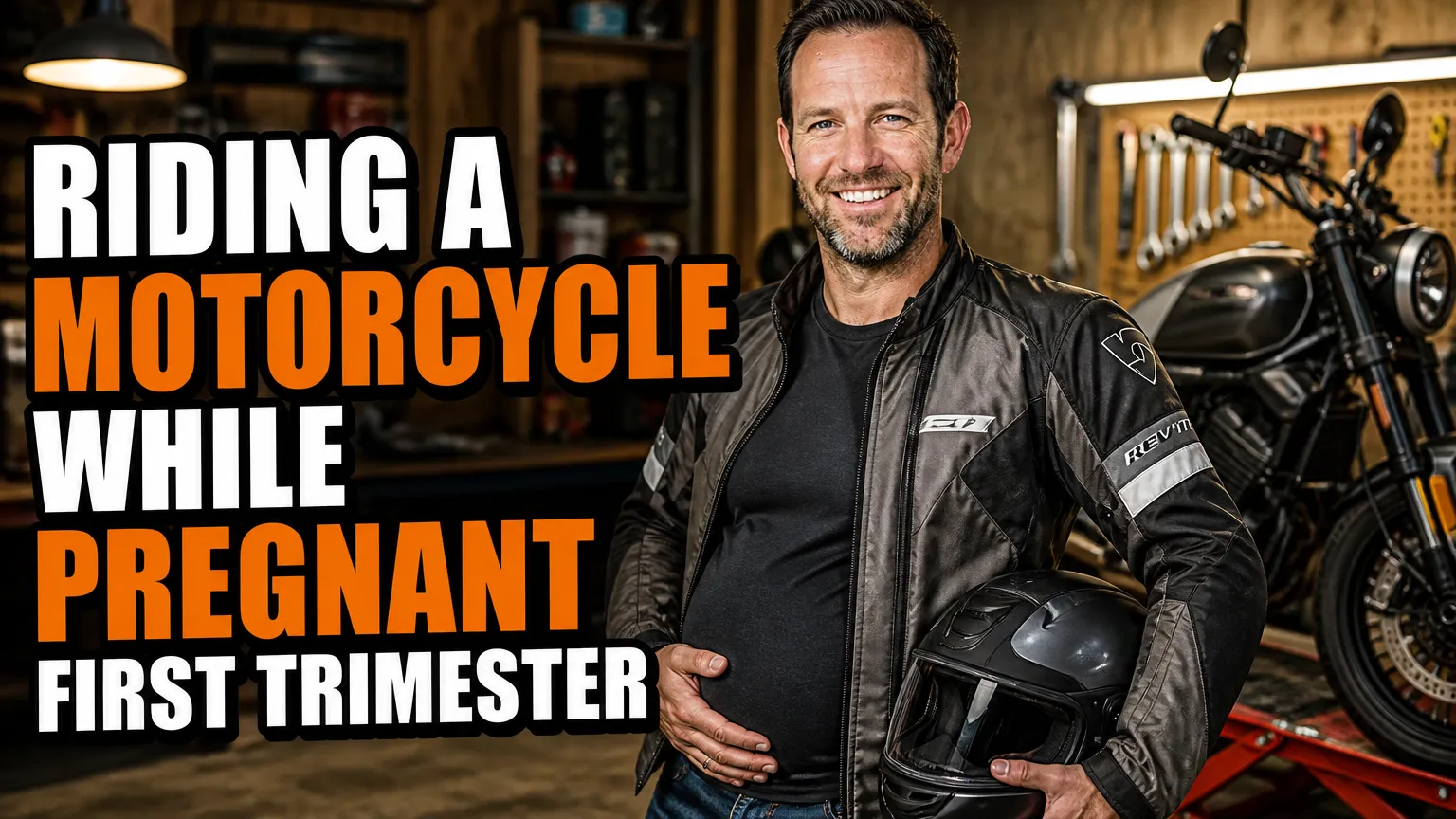
When I weigh the freedom of a motorcycle ride against the uncertainty of early pregnancy, I put safety ahead of convenience. Riding during the first trimester is a personal decision, but I would not assume it is risk-free simply because my body may not yet look or feel very different.
- I would ask my prenatal clinician for advice that considers my health, symptoms, and riding plans.
- I would remember that a helmet and protective clothing cannot prevent every crash injury or protect the abdomen completely.
- I would skip a ride if I felt dizzy, nauseated, unusually tired, or uncomfortable controlling the motorcycle.
- I would seek prompt medical guidance after any crash or fall, even if I felt fine at first.
How I think about riding during early pregnancy
I understand why this question comes up: for many riders, a motorcycle is everyday transportation, not just a weekend hobby. But riding a motorcycle while pregnant in the first trimester means considering both ordinary road risks and how a fall or collision could affect a pregnancy.
I cannot give a personal medical clearance, and I would not rely on a blanket rule that says every pregnant rider must—or can safely—ride. My own starting point would be a conversation with my prenatal clinician, followed by an honest look at my symptoms, route, weather, and ability to avoid riding if conditions change.
Why “it’s early” does not mean “there’s no risk”
In the first trimester, pregnancy may not yet change my balance or riding position much. The uterus is also relatively low in the pelvis early on, but I would never treat that as protective equipment or proof that a crash could not cause harm.
A motorcycle offers less physical protection than an enclosed vehicle. A collision, sudden stop, or fall can expose a rider to impact, road rash, and other trauma; protective gear can reduce some injuries, but it cannot remove the risk altogether.
Why I would avoid simple comparisons between trimesters
As pregnancy progresses, a changing body can affect comfort, fit, balance, and how easily I can move on or off the bike. In early pregnancy, those changes may be less noticeable, yet nausea, fatigue, or light-headedness could still make a ride harder to manage.
For me, the useful question is not just, “Which trimester is safest?” I would ask, “What is my health and riding ability today, and what would happen if I needed to stop or respond quickly?”
What I would discuss with my prenatal clinician
I would bring up my usual riding habits instead of asking only for a yes-or-no answer. I would explain whether I ride as the operator or passenger, how long my trips are, what traffic and road conditions I face, and whether I have had symptoms or pregnancy complications.
I would also ask what symptoms or changes should mean “no ride today” for me. A clinician who knows my health can help me think through individual factors, but no conversation can guarantee that a particular ride will be safe.
Questions I would ask before getting on the bike
- I would ask whether any aspect of my health or pregnancy makes riding especially inadvisable.
- I would ask how to respond if I experience bleeding, pain, dizziness, or another concerning symptom.
- I would ask whether my regular medication or pregnancy-related nausea could affect alertness or balance.
- I would ask whether my planned trip length, climate, or route raises concerns for me.
I would share the details that actually shape my riding. A short trip on familiar roads is not the same situation as a long ride through heavy traffic, poor weather, or remote areas, even though neither is automatically risk-free.
Risks I would consider before every ride
When I ride, I know I cannot control every driver, road surface, or sudden change in traffic. That uncertainty matters more when I am considering a pregnancy, because a motorcycle crash can involve a direct impact or a fall that protective clothing cannot fully prevent.
I would review road-safety information with care rather than using a single statistic to predict my personal odds. If I want context about collisions involving other road users, I can read about what percentage of motorcycle accidents are caused by cars and what percent of motorcycle accidents are caused by other drivers.
I would use those figures to remind myself that other traffic is one part of the risk picture—not as a reason to panic or as a promise that I can avoid a crash by riding perfectly. I would also keep broader risk in perspective by looking at information on how many fatal motorcycle accidents per day, while remembering that population-level figures cannot tell me what will happen on one trip.
How symptoms can affect my riding
Even mild nausea or tiredness can make concentration feel more demanding. If I felt faint, distracted, unusually sleepy, or unable to react confidently, I would choose another way to travel rather than try to push through it.
Heat, dehydration, and a long time in one position could also make a ride uncomfortable for me. I would plan breaks, carry water where appropriate, and turn back if I started feeling unwell; I would not let a schedule or group ride pressure me into continuing.
How I would assess the route and conditions
I would look at traffic, weather, road quality, distance from help, and whether I have a safe place to stop. If a route included high-speed roads, challenging surfaces, poor visibility, or conditions I normally find stressful, I would seriously consider postponing or taking a car instead.
I would also be honest about my current skills and confidence. If a maneuver feels uncertain, I would rather refresh my fundamentals before riding than rely on last-minute corrections in traffic; for example, I can revisit the basics behind do you hold clutch while turning motorcycle.
What protective gear can—and cannot—do
If I ride, I would wear a properly fitted, certified helmet every time, along with suitable protective clothing, gloves, and footwear. I see gear as an important way to reduce certain injuries, not as a shield that makes a crash harmless or removes pregnancy-related concerns.
I would check that my clothing still fits securely and does not restrict movement or interfere with controls. Pregnancy can change fit over time, and I would not assume that gear that was comfortable before pregnancy will remain comfortable or function as intended.
Why I would not improvise abdominal protection
I would be cautious about adding pads, straps, or bulky layers that have not been designed and tested for riding. Anything that shifts, catches, limits movement, or changes how I sit could create a new problem rather than solve one.
I would ask a qualified gear professional about fit if I had questions, and I would bring specific concerns to my clinician. I would not trust a product claim that promises complete pregnancy protection in a motorcycle crash.
If I decide to ride, how I would reduce avoidable risk
My first choice would be to ride only when I feel well and fully alert. I would keep the trip short and familiar when possible, avoid unnecessary traffic or poor conditions, and let someone know my plan if I were traveling farther than usual.
I would leave extra time so I did not feel rushed. Before moving off, I would check the bike, protective gear, route, and weather, then ask myself whether I felt steady and comfortable enough to handle an unexpected stop or change in traffic.
Small decisions that can make a ride more manageable
- I would take breaks before discomfort became distracting.
- I would avoid riding if nausea, fatigue, pain, or dizziness affected my focus or control.
- I would keep my phone accessible for emergencies without handling it while riding.
- I would give myself permission to cancel, turn around, or switch to another form of transport.
I would treat passenger riding with the same seriousness. Being a passenger does not let me control the bike or prevent a crash, so I would still consider the rider’s experience, the route, my comfort, and whether I could get off safely if I felt unwell.
When I would choose another way to travel
I would skip the motorcycle if my clinician advised against riding, if my symptoms affected concentration or balance, or if I simply did not feel confident. A taxi, rideshare, public transit, or a ride with someone in a car may be less exciting, but I would choose the option that helps me feel secure.
I would also switch plans if the weather turned, traffic became worse than expected, or I felt uncomfortable after setting out. For me, changing my mind is not overreacting; it is a practical way to respond to new information.
What I would do after a fall or collision
If I had a crash or fall while pregnant, I would contact a medical professional promptly, even if I initially felt okay. I would describe what happened and follow their advice rather than trying to judge the pregnancy’s condition by how I felt at the roadside.
If I had severe pain, bleeding, fainting, trouble breathing, or another urgent symptom, I would seek emergency care. I would not wait for symptoms to become dramatic before asking for help after a significant impact.
I would also avoid riding away from the scene if I felt injured, shaken, or unsteady. My immediate priority would be getting appropriate help, not protecting my schedule or motorcycle.
My bottom line on early-pregnancy rides
I believe riding a motorcycle in the first trimester deserves a careful, personal decision—not a casual assumption that early pregnancy makes it safe. The possibility of a crash remains, and standard riding gear cannot eliminate every risk to me or my pregnancy.
If I were deciding for myself, I would talk with my prenatal clinician, take symptoms and road conditions seriously, and choose another ride whenever I felt uncertain. I would rather miss one trip than ignore a concern that matters to my health.
For comfort between rides, I might also explore these best stretches for motorcycle riding, while checking with my clinician before starting stretches or exercises during pregnancy. My guiding rule would stay simple: I would not ride unless I felt well, alert, and comfortable with the risks—and I would never mistake preparation for a guarantee.
Frequently Asked Questions
Is it safe to ride a motorcycle during the first trimester?
There is no universally safe answer. I would discuss my health, symptoms, riding conditions, and personal risk with my prenatal clinician before deciding.
Does the first trimester make motorcycle riding safer than later pregnancy?
Early pregnancy may involve fewer changes to balance and body size, but it does not remove the risk of a crash or injury. I would not treat any trimester as risk-free.
Can a motorcycle helmet protect me and my pregnancy?
A properly fitted, certified helmet can reduce the risk of serious head injury, but it cannot prevent all injuries or protect the abdomen in a crash.
When should I stop riding and seek medical care?
I would stop riding and contact a clinician for concerning symptoms. After a crash or fall, I would seek prompt medical advice even if I initially felt well.

Related Articles

Smooth Motorcycle Downshifts: My Step-by-Step Guide to Rev Matching
Learn how I rev-match motorcycle downshifts smoothly, with clear steps, safe practice drills, common mistakes, and tips for different bikes…
Jake Miller
11 min read

How Road-Friction Tests Reveal What Happens When a Motorcycle Slides
I explain how motorcycle sliding-friction tests measure tire grip, what changes on wet or dirty roads, and how I use…
Jake Miller
10 min read

Why Your Motorcycle Wobbles at Low Speed: Causes I Check and Fixes That Work
Learn why a motorcycle wobbles at low speed, how I diagnose tire, steering, and setup problems, and the safe fixes…
Jake Miller
10 min read