
7 Best Electric Motorcycles for Beginners: Easy, Fun Rides to Start On
 Jake Miller
11 min read
Jake Miller
11 min read
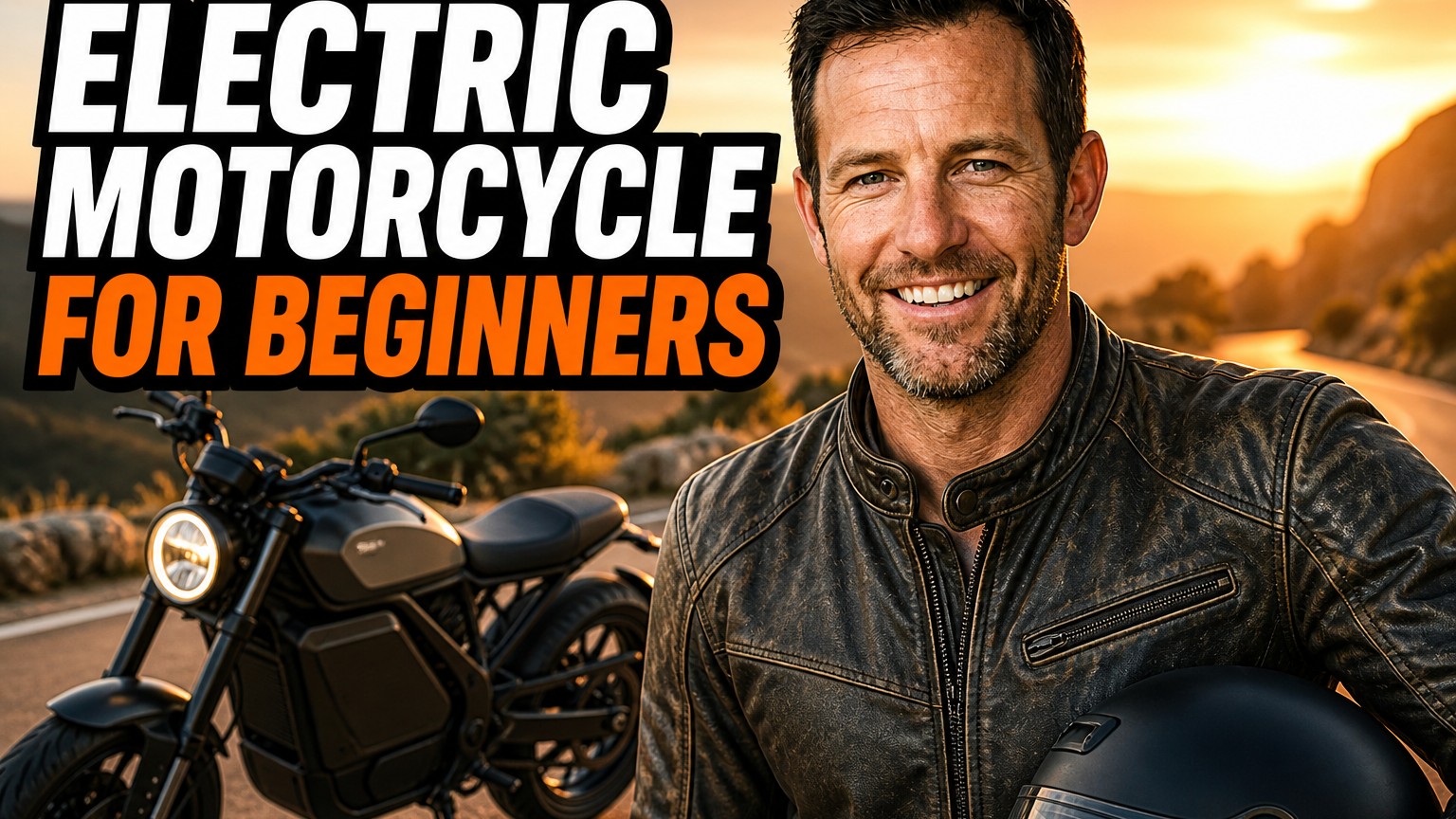
I still remember the first time I rolled on the throttle of an electric motorcycle. No clutch lever, no gear lever, no engine noise. Just a smooth whoosh forward and a big grin inside my helmet.
That experience convinced me electric bikes are one of the friendliest ways to start riding. But the market is confusing, and not every electric bike is beginner-friendly. Some are too heavy, some are too fast, and some are really just e-bikes with a fancy badge.
So I’ve narrowed it down to seven bikes I’d actually recommend to a friend who’s new to riding. I’ll share what I like, what I’d watch out for, and who each bike suits best.
- My top pick for most new riders is the Zero FXE: light, playful, and genuinely street-legal fun.
- On a tight budget or want a smaller bike? The Kawasaki Ninja e-1 and Sur-Ron Light Bee X are my go-tos.
- Weight, seat height, and ride modes matter more than raw horsepower for a first bike.
- Range drops fast at highway speeds, so match the bike to your actual commute.
What I Look for in a First Electric Motorcycle
Before the list, here’s the checklist I use when judging a beginner bike. It’s not about top speed or flashy specs. It’s about how confident the bike makes you feel in your first few months.
Weight and Seat Height
A bike you can’t hold up at a stoplight isn’t a good first bike. I look for low curb weight and a seat height that lets you plant both feet, or at least the balls of your feet, comfortably.
Electric bikes often carry heavy batteries, but the weight sits low. That makes many of them feel lighter than the number on the spec sheet once you’re moving.
Throttle Response and Ride Modes
Electric motors deliver torque instantly. That’s thrilling, but it can surprise you on a first ride. I always want adjustable ride modes or a tame default map so I can dial things down.
Real-World Range and Charging
Claimed range numbers are usually measured in gentle city riding. At highway speeds, I typically see far less. Be honest about your commute, and think about whether you can charge at home or work.
1. Zero FXE: Best Overall for New Riders
If I could only recommend one bike on this list, it would be the Zero FXE. It’s a supermoto-style street bike that’s light, narrow, and ridiculously fun. It handles like a bicycle that’s been given superpowers.
Why I Like It
The FXE weighs roughly 300 lbs, which is far lighter than most street-legal electrics. In parking lots and tight city streets, that makes a huge confidence difference. The upright riding position and wide bars give you great leverage.
The motor makes around 46 hp with strong torque, and the top speed is about 85 mph. That’s more than enough for city and suburban riding, but it never feels intimidating in the lower ride modes. Zero’s app lets you tweak power and regen braking, which I find genuinely useful as a learner.
What to Watch For
The price is on the higher side, typically around $11,000 to $12,000 depending on the year. Highway range is limited too, though city range can top 100 miles. The seat is fairly tall, so shorter riders should sit on one first.
Best for: riders who want one bike that’s easy to learn on and still fun years later.
2. Kawasaki Ninja e-1: Best Starter for Small Budgets and Commutes
The Kawasaki Ninja e-1 is Kawasaki’s approachable entry into electric, and it looks like a proper mini sport bike. It sits in roughly the 125cc performance class, which is exactly where I think new riders should be looking.
Swappable Batteries and Friendly Power
The Ninja e-1 uses two removable batteries, so you can charge them indoors from a regular outlet. That’s a big win if you live in an apartment or have no garage plug. Kawasaki also includes a “Boost” mode and an e-boost function that lets you add a short burst of power when you want it.
Weight is around 300 lbs, the seat is low, and the controls are simple. The price is typically in the ballpark of $7,000 to $8,000. Its naked sibling, the Kawasaki Z e-1, shares the same platform if you prefer an upright, streetfighter look.
The Trade-Offs
Range is the compromise. I’d expect roughly 30 to 45 miles in real city riding, and the top speed is limited to about 55 mph. It’s a city commuter, not a highway machine.
If your daily ride is short and urban, though, it’s one of the least stressful ways to start. If you later outgrow it, my guide to the best 250cc motorcycle for beginners is a good next step.
3. Zero S: Best for Longer Commutes
The Zero S is a naked street bike that takes a more traditional approach than the FXE. It’s more stable at speed and more comfortable on longer rides. For a commuter who splits time between city streets and faster roads, I think it’s a smart choice.
Why It Works for Beginners
The Zero S has a lower seat than the FXE and a more relaxed ergonomic triangle. There’s no clutch, and the belt drive is quiet and nearly maintenance-free. The big battery pack gives you the biggest range on this list for the money, with Zero claiming well over 100 miles in city riding.
It’s also quick, with a top speed around 98 mph. I’d keep it in Eco mode for the first few weeks, then slowly explore the other maps. The torque is smooth, but it can catch you off guard if you twist too hard.
Downsides
It weighs roughly 450 lbs, so it’s heavier than the FXE and Kawasaki. The price is also around $12,000 or more. For me, it’s a bike for a rider who’s committed to commuting and wants real-world range.
4. LiveWire S2 Del Mar: Best Premium Step-Up Bike
The LiveWire S2 Del Mar is the bike I’d point to for a confident new rider who wants a premium machine. LiveWire is the electric brand spun out of Harley-Davidson. The Del Mar is its more approachable, lighter model.
What Stands Out
The S2 Del Mar has a sleek, retro-modern look and a polished, premium feel. Power is substantial at roughly 80 hp, but the delivery is very smooth, and there are multiple ride modes to calm things down. It has traction control, cornering ABS, and a colorful touchscreen display.
At around 430 lbs, it’s not the lightest bike here, but the center of gravity is very low. The claimed city range is over 100 miles, and the quality of the suspension and brakes is excellent.
Who Should Skip It
It’s more bike than most absolute beginners need, and the price reflects that. Expect roughly $12,000 to $15,000 depending on the model year and incentives. I’d only suggest it if you’ve completed a rider course and are disciplined with the throttle.
5. Sur-Ron Light Bee X: Best Electric Dirt Bike for Learning
Not every beginner wants a street bike. If you want to learn off-road skills in a field, trail, or backyard, the Sur-Ron Light Bee X is where I’d start. It’s tiny, light, and ridiculously capable.
Why It’s Great for Learning
The Light Bee X weighs only around 110 lbs, so picking it up after a fall is easy. I find that matters a lot when you’re learning. It has a 60V battery, a mid-drive motor with a peak output of around 6 kW, and quality suspension for the price.
It usually costs around $4,500 to $5,500. There’s no clutch, and the controls are simple enough that you’re riding within minutes. Many riders also use it to build the balance skills that transfer to bigger bikes.
Things to Know
The standard Light Bee X is an off-road bike, not a road-legal motorcycle. Some riders convert or buy road-legal versions, but you need to check your local laws carefully. Its seat is also narrow, and it isn’t built for comfortable long-distance riding.
6. Segway Dirt eBike X160: Best Budget-Friendly Trail Bike
The Segway Dirt eBike X160 is a more affordable entry into electric off-road riding. It’s more approachable and less intimidating than the X260, and the price is often around $3,000 to $3,500.
What I Like
The X160 is light, easy to flick around, and quiet enough that you won’t annoy the neighbors. It’s a great choice for teens and adults who are new to riding. The throttle is manageable, and the bike is simple to maintain, with no oil changes or spark plugs.
It also has a removable battery, which makes charging easy. I like it as a low-risk way to find out whether electric riding is for you before spending a lot more.
Limitations
It’s less powerful and less rugged than the Sur-Ron, so heavier or more aggressive riders may outgrow it quickly. As with the Sur-Ron, it’s mostly for off-road use unless you confirm road-legal status in your area.
7. Honda EM1 e: Best Ultra-Simple City Hopper
The Honda EM1 e: is the most basic bike on my list, and that’s exactly why it’s here. It’s a compact electric moped-style machine, available in select markets such as Japan and parts of Europe. It’s for riders who just want to get around town.
Why It Suits First-Timers
The EM1 e: uses a swappable Honda Mobile Power Pack e: battery, so you can pop it out and charge indoors. It weighs only around 95 kg (about 210 lbs), and the seat is low and friendly. The top speed is limited, around 45 km/h, so it’s not intimidating.
It’s quiet, practical, and easy to park. It’s more of a stylish urban tool than an exciting motorcycle, but for short trips it’s hard to beat for simplicity.
Drawbacks
Range is limited, roughly 40 to 50 km on a charge, and it’s not available everywhere. If you live in North America, you’ll probably need to look at other models on this list instead.
Quick Comparison
Here’s how I’d sum up the group in one glance:
- Best overall: Zero FXE
- Best for small budgets and commuting: Kawasaki Ninja e-1
- Best for range: Zero S
- Best premium: LiveWire S2 Del Mar
- Best off-road learner: Sur-Ron Light Bee X
- Best budget trail bike: Segway Dirt eBike X160
- Best ultra-simple city bike: Honda EM1 e:
Electric vs. Gas: What I Tell New Riders
I get asked this all the time. Electric bikes are easier in many ways: no shifting, no stalling, and no hot engine. You can concentrate on braking, steering, and looking ahead.
But gas bikes still win on range, refueling speed, and price. If you want to compare, check out my guides to the best 300cc motorcycle for beginners and the best 400cc motorcycle for beginners. They show what you can get in a gas bike for similar money.
When You Might Outgrow an Electric Starter
If you plan to ride long highway distances, a gas bike may suit you better. Riders who want a bigger step up can look at the best 600cc motorcycle for beginners or the best 650cc motorcycle for beginners. I’d only consider those after a few months of confident riding.
Tips for Your First Weeks on an Electric Bike
Start in the Gentlest Mode
Use the lowest power mode and the softest throttle map. Instant torque is addictive, but it’s easy to overdo it. I stayed in the tamest mode for my first couple of weeks, and I’m glad I did.
Learn Regenerative Braking
Regen slows the bike when you roll off the throttle, almost like engine braking. At first it feels strange. Practice in an empty lot so it becomes second nature.
Take a Rider Course and Wear the Gear
No bike makes up for good training. Take a beginner safety course, and always wear a certified helmet, gloves, a jacket with armor, sturdy pants, and boots. Quiet bikes are harder for pedestrians to hear, so ride defensively and use your lights.
Final Thoughts
If you want my honest short answer, start with the Zero FXE if your budget allows. Choose the Kawasaki Ninja e-1 if you want something smaller and less expensive. Go for the Sur-Ron Light Bee X if your adventures are off-road.
Whichever you choose, sit on it first, take a test ride if you can, and be honest about your range needs. The right electric bike should make you want to ride more, and that’s the best sign you’ve picked well.
Frequently Asked Questions
Are electric motorcycles easier for beginners than gas bikes?
In many ways, yes. There is no clutch and no gear shifting, and the power delivery is smooth, so you can focus on balance, braking, and traffic. The instant torque does demand a gentle throttle hand, so start in the lowest ride mode.
How far can a beginner electric motorcycle go on a charge?
It varies widely. Small city bikes like the Kawasaki Ninja e-1 manage roughly 30 to 45 miles, while a bike like the Zero FXE can cover 100 miles or more in stop-and-go riding. Highway speeds cut range significantly on every electric bike.
Do I need a motorcycle license to ride an electric motorcycle?
For street-legal models, yes. You generally need a motorcycle endorsement or license, and the class depends on the bike’s power and your country’s rules. Off-road electric dirt bikes usually do not need a license, but they cannot be ridden on public roads unless they are registered as street legal.
How much does a beginner electric motorcycle cost?
Expect roughly $3,000 to $5,000 for light electric dirt bikes and small city bikes, and about $7,000 to $15,000 for full-size street-legal models. Charging costs are very low compared with gasoline, and maintenance is simpler.

Related Articles
7 Best Batteries for Motorcycles I’ve Tested and Trust in 2026
I've tested dozens of motorcycle batteries to find the best performers. From AGM to lithium, here are my top picks…
Jake Miller
15 min read

The Perfect Battery for Your Harley Davidson Softail: A Rider’s Complete Guide
Discover the perfect battery for your Harley Davidson Softail. I've tested multiple options and share real-world performance data, maintenance tips,…
Jake Miller
14 min read

The Best Battery for Your Harley Davidson: My Complete Guide After Years of Testing
Discover which battery truly performs best for Harley Davidson motorcycles. Real rider experience with AGM, lithium, and OEM options to…
Jake Miller
12 min read