
7 Best Cruisers for Daily Riding: Comfortable, Practical Picks for the Commute
 Jake Miller
12 min read
Jake Miller
12 min read
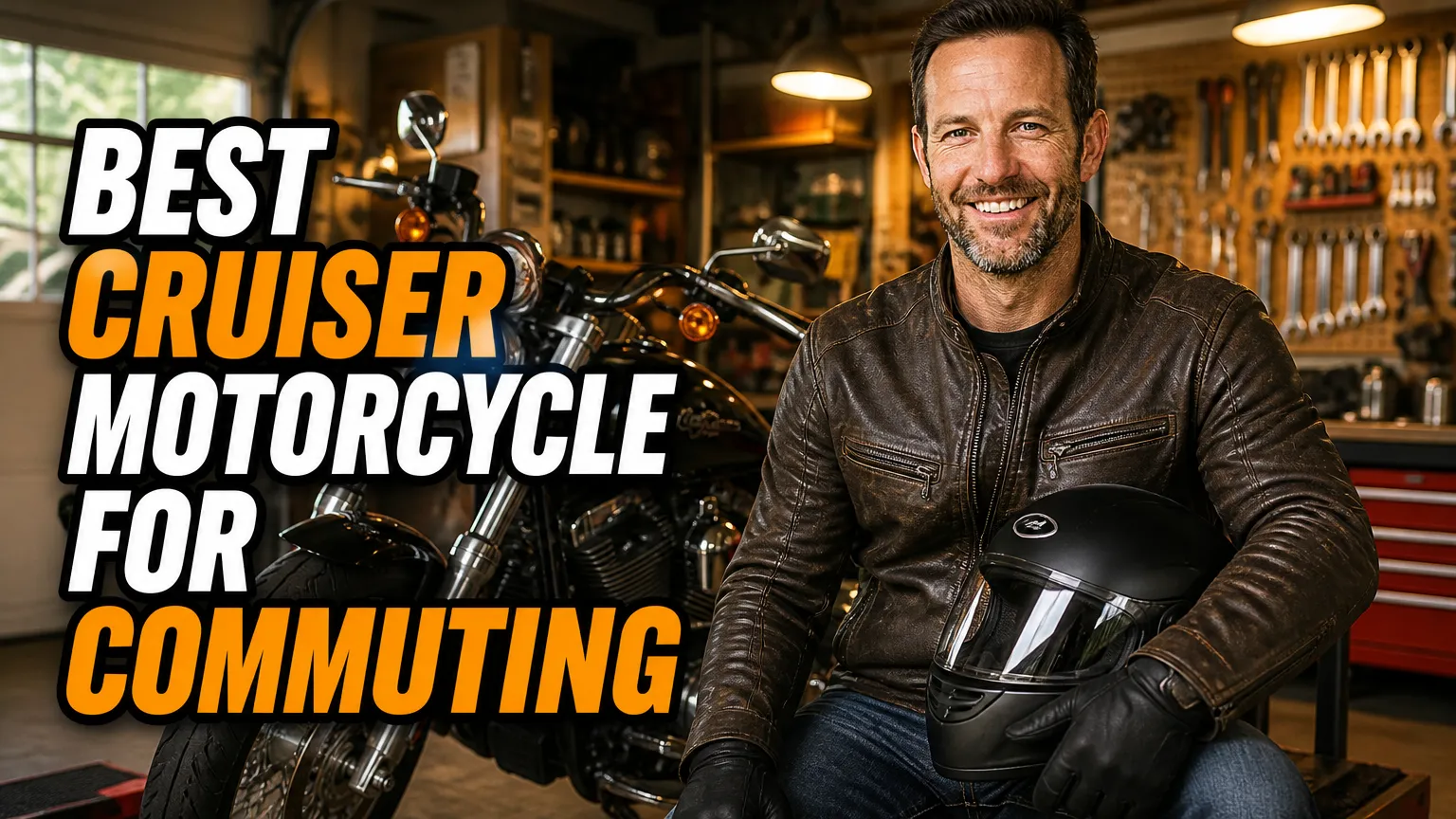
When I choose a cruiser for everyday riding, I don’t judge it by looks alone. I want a bike that feels manageable in traffic, fits my body, offers enough power for the roads I actually use, and doesn’t make parking or a longer ride home a chore.
The best cruiser motorcycle for commuting will depend on your route and budget, so I’ve included small, approachable machines as well as more powerful options. These are my picks based on their published features, specifications, and the practical things I’d prioritize before buying; availability and equipment can vary by market and model year.
- I’d start with the Honda Rebel 500 for a versatile balance of size, power, and price.
- I’d choose the Kawasaki Eliminator for a light-feeling, approachable ride in town.
- I’d consider the Honda Rebel 1100 DCT if I wanted more highway power and less shifting in traffic.
- I’d match engine size and comfort to my route, then check insurance, storage, and ABS-equipped versions.
1. Honda Rebel 500: My Best All-Around Choice
The Honda Rebel 500 is the first bike I’d point many commuters toward. Its 471cc liquid-cooled parallel-twin engine gives me a useful middle ground: more passing and highway ability than a small beginner cruiser, without the bulk and power of a large touring-oriented machine.
Honda lists a low 27.2-inch seat height, and the Rebel’s compact proportions make it approachable when I’m stopping frequently or maneuvering into a tight parking space. Published curb weight is around 414 pounds, depending on trim and market. I’d still sit on it before buying, because a low seat doesn’t automatically mean every rider will find the reach to the bars and pegs comfortable.
Why I’d commute on it
I like that the Rebel 500 is simple in concept and doesn’t ask me to manage an oversized engine in slow traffic. It has a six-speed manual transmission, a slipper/assist clutch, and a modern fuel-injected engine. ABS availability depends on the version and market, so I’d specifically check the equipment on the bike I’m considering rather than assume it’s included.
For me, the main compromise is wind protection: the standard setup leaves my upper body exposed at speed. I’d budget for a small screen or luggage solution if my commute involves open highway or carrying work essentials. In the United States, new Rebel 500 pricing commonly sits in the mid-$6,000 to low-$7,000 range, with model year, trim, and dealer charges affecting the final price.
2. Kawasaki Eliminator: My Pick for Easygoing City Miles
The Kawasaki Eliminator makes sense to me when low-speed comfort and manageable dimensions matter most. Its 451cc liquid-cooled parallel twin is paired with a six-speed transmission, and its relatively light, narrow feel is appealing for filtering through ordinary traffic and making frequent stops.
Kawasaki lists a seat height of about 28.9 inches and a curb weight around 386 pounds for the standard version; exact figures can vary by specification and market. That seat is higher than the Rebel 500’s, but I’d compare the whole riding position rather than focus on one measurement. The Eliminator’s relaxed cruiser styling doesn’t prevent it from feeling like a modern, practical street bike.
What I’d check before buying
I’d pay attention to the seat comfort and wind exposure on a test ride, particularly if I’m planning a long commute with highway sections. The bike’s power is a good fit for urban riding and shorter fast-road stretches, but I wouldn’t expect big-bike reserves when riding two-up or accelerating at high speeds.
ABS equipment and pricing vary with trim and location, so I’d compare the exact bikes on offer. I’d also ask about genuine accessories for luggage or a screen rather than assume the standard bike has commuter storage. If I wanted a straightforward middleweight alternative to a wider range of commuter styles, I’d also browse this guide to the best motorcycle for commuting.
3. Kawasaki Vulcan S: My Choice for Adjustable Fit and More Power
I’d consider the Kawasaki Vulcan S if I wanted a cruiser that could handle a broader range of roads and rider sizes. Its 649cc liquid-cooled parallel twin is based on Kawasaki’s familiar middleweight engine platform, and the bike has a six-speed gearbox. Compared with smaller cruisers, I’d expect more flexibility when joining faster traffic or carrying a passenger.
The Vulcan S has a low seat of about 27.8 inches and a published curb weight around 498 pounds. It’s heavier than the Rebel 500 and Eliminator, which I’d notice when pushing it around a garage, but its relatively low seat can make the stopped-bike experience feel less intimidating than the number alone suggests.
How the Ergo-Fit system helps
One feature I appreciate is Kawasaki’s Ergo-Fit approach, which offers different seat, handlebar, and footpeg configurations through parts and dealer setup. That gives me a useful way to tailor the reach and leg position instead of treating fit as an afterthought. I’d confirm which components are included or cost extra in my market.
For commuting, I’d look closely at the riding position before committing. The Vulcan S uses a more forward foot-control layout than a conventional standard motorcycle, and that may be comfortable for one rider but awkward for another. New-bike pricing is often in the mid-$7,000 range in the U.S. before fees, though ABS availability and pricing depend on the version.
4. Royal Enfield Meteor 350: My Relaxed, Budget-Minded City Pick
The Royal Enfield Meteor 350 appeals to me when my commute is mostly local roads and I value an unhurried ride over brisk acceleration. Its air-oil-cooled 349cc single-cylinder engine produces about 20 horsepower, so I’d describe it as an easygoing city cruiser rather than a machine built for fast highway passing.
Royal Enfield lists a low seat of roughly 30.1 inches and a curb weight close to 421 pounds, depending on version and equipment. I’d pay attention to that weight because the Meteor is not as light as its modest engine might lead me to expect. Its relaxed pace and straightforward character are better suited to everyday streets than constant high-speed commuting.
Where I think it fits best
Some versions offer the Tripper navigation pod, and the Meteor’s simple styling is a strong part of its appeal. I’d check the exact trim, because equipment and features can differ between markets. The single-cylinder engine is a sensible fit for calmer roads, but I’d choose a more powerful bike if my daily route meant sustained freeway speeds.
U.S. pricing for new Meteor 350 models generally falls around the $5,000 range, with trim and fees affecting the final amount. That makes it an interesting option for riders comparing purchase costs, but I’d still budget for a helmet, protective gear, insurance, and security. For more value-focused alternatives beyond cruisers, I’d use this guide to the best cheap motorcycle for commuting.
5. Honda Rebel 1100 DCT: My Traffic-Friendly Choice for Longer Routes
The Honda Rebel 1100 DCT is the bike I’d consider if my commute regularly included faster roads and heavy stop-and-go traffic. Its 1,084cc liquid-cooled parallel twin has substantially more power than the smaller Rebel models, while the available Dual Clutch Transmission can shift automatically or let me select gears using controls.
I see the DCT as a genuine practical advantage for a commute with repeated stops, not as a feature every rider needs. It removes the clutch lever and routine manual shifting, though the bike remains a sizable, powerful machine that requires careful throttle control. Honda’s Rebel 1100 range also offers a manual version for riders who prefer a conventional six-speed setup.
Power, comfort, and cost
Depending on model year and version, the Rebel 1100 includes features such as selectable riding modes, cruise control, and ABS. I’d check the specification sheet for the exact trim, since equipment can change. The low seat is around 27.5 inches, but the bike weighs roughly 500 pounds or more depending on transmission and trim, so I’d practice slow-speed handling before relying on it for tight urban maneuvering.
For me, its main drawback is cost: new U.S. pricing is generally in the high-$9,000 to low-$11,000 range, depending on version and year, before destination charges. I’d also consider wind protection and luggage, which may need accessories for my routine. If my riding included weekends away as well as weekday travel, I’d compare it with these options for the best motorcycle for commuting and touring.
6. Harley-Davidson Nightster: My Premium Middleweight Option
I’d look at the Harley-Davidson Nightster if I wanted a modern cruiser with a distinctive V-twin character and strong performance. Its Revolution Max 975T liquid-cooled engine is a 975cc V-twin, and Harley lists 90 horsepower. That gives me a lot more acceleration potential than I’d get from a small-displacement commuter cruiser.
The Nightster has a low seat, generally listed at about 27.1 inches, and weighs approximately 481 pounds in running order, depending on year and specification. It also has a six-speed transmission and modern electronic rider aids, including ABS and traction control on current versions. I’d verify the exact equipment and model-year details with a dealer before making a decision.
What I’d budget for
The Nightster is a premium purchase, with U.S. new-bike pricing generally starting around the low-$12,000 range and varying by year, trim, and fees. I’d factor in insurance, too, because costs can vary considerably between riders and locations. Its performance and price make more sense to me if I want a cruiser I’ll also enjoy outside the daily commute.
As a dedicated commuter, I’d plan for accessories: the standard bike does not automatically solve my need for luggage or meaningful wind protection. I’d test the reach to the controls and consider whether the riding position stays comfortable after an hour, not just during a short showroom sit. This is a compelling choice, but I wouldn’t call it the most economical one.
7. Indian Scout Sixty Classic: My Style-Forward Middleweight Alternative
The Indian Scout Sixty Classic is my pick for riders who want classic American cruiser styling with a modern, liquid-cooled engine. The current Scout Sixty generation uses a 999cc V-twin, and Indian lists output at about 85 horsepower. That gives me more performance headroom than the smaller city-focused options while keeping the bike within a middleweight cruiser conversation.
Indian lists a low seat of about 25.6 inches, which I’d expect to be reassuring when stopping. The Scout Sixty Classic is still a substantial motorcycle, with published running weight around the mid-500-pound range depending on specification. I’d make a point of testing a slow U-turn and moving it around a parking space before treating its low seat as proof that it will be easy everywhere.
My commuter trade-offs
The Scout Sixty Classic has modern features such as ABS, but standard equipment can differ by market and version. I’d also check whether the model I’m comparing has the display, ride modes, or accessories I want, since trim packages and options affect the price. New U.S. pricing is typically in the low-to-mid-$12,000 range, before dealer and destination fees.
For my daily routine, I’d expect to add storage and consider a windscreen if I spend a lot of time on faster roads. The Scout Sixty Classic makes most sense to me when I value its look and stronger engine as much as commuting convenience. If I lived in Australia, I’d also check local availability, licensing rules, and pricing through a market-specific guide to the best motorcycle for commuting australia.
How I’d Choose a Cruiser for My Commute
I’d match the engine to my route
For a mostly urban commute, I’d favor easy low-speed manners and a bike I can park without a struggle. The Meteor 350, Eliminator, and Rebel 500 are the kinds of machines I’d compare first. If my daily route includes long highway stretches, I’d move toward the Vulcan S, Rebel 1100, Nightster, or Scout Sixty Classic for stronger acceleration and more passing reserve.
I’d test the whole riding position
I wouldn’t choose based on seat height alone. I’d sit on the bike with my riding boots on, check whether I can reach the controls naturally, and see how my knees and back feel. If possible, I’d arrange a test ride that includes slow turns, stop-start traffic, and a faster road similar to my regular commute.
I’d plan for weather, gear, and storage
Cruisers often leave the rider exposed to wind and rain, so I’d think about clothing and accessories before purchase. I’d budget for waterproof gear, gloves suitable for the climate, and a secure way to carry my daily essentials. For wet-weather-specific advice, I’d also read this guide to the best motorcycle for commuting in rain.
Finally, I’d compare the total cost of ownership, not just the sticker price. Insurance, fuel, scheduled maintenance, security, tires, and luggage can all change which bike is genuinely affordable for me. I’d choose the cruiser that fits my actual roads and routine, then make sure I’m comfortable handling it before calling it my everyday ride.
Frequently Asked Questions
What is the best cruiser motorcycle for commuting overall?
I’d start with the Honda Rebel 500 for its manageable weight, approachable power, and everyday versatility.
Are cruisers comfortable for daily commuting?
They can be. I look for an upright-enough riding position, manageable weight, good low-speed control, and a seat that suits my commute length.
Is a 350cc cruiser enough for highway commuting?
It can work for shorter or slower highway stretches, but I prefer a larger engine for frequent fast-road riding, passing, and carrying a passenger.
Should I choose a manual or automatic cruiser for commuting?
I’d choose a manual if I enjoy shifting and want more control; a DCT option such as the Honda Rebel 1100 DCT can reduce effort in stop-and-go traffic.

Related Articles

7 Best Cruisers for Comfortable Two-Up Motorcycle Trips
Compare seven comfortable cruisers for two-up rides, with real-world notes on passenger comfort, power, luggage, pricing, and how to choose…
Jake Miller
12 min read

8 Comfortable Cruisers That Make Two-Up Riding More Enjoyable
Find a cruiser you and your passenger can enjoy together. I compare eight comfortable motorcycles, with real-world strengths, trade-offs, and…
Jake Miller
11 min read

7 Luxury Cruisers That Make Long-Distance Riding Feel First-Class
I compare seven luxurious cruisers for long-distance comfort, power, weather protection, luggage, technology, and value to help you choose the…
Jake Miller
13 min read