
7 Best Cold Weather Batteries for Motorcycles That Actually Start in Freezing Temps
 Jake Miller
14 min read
Jake Miller
14 min read
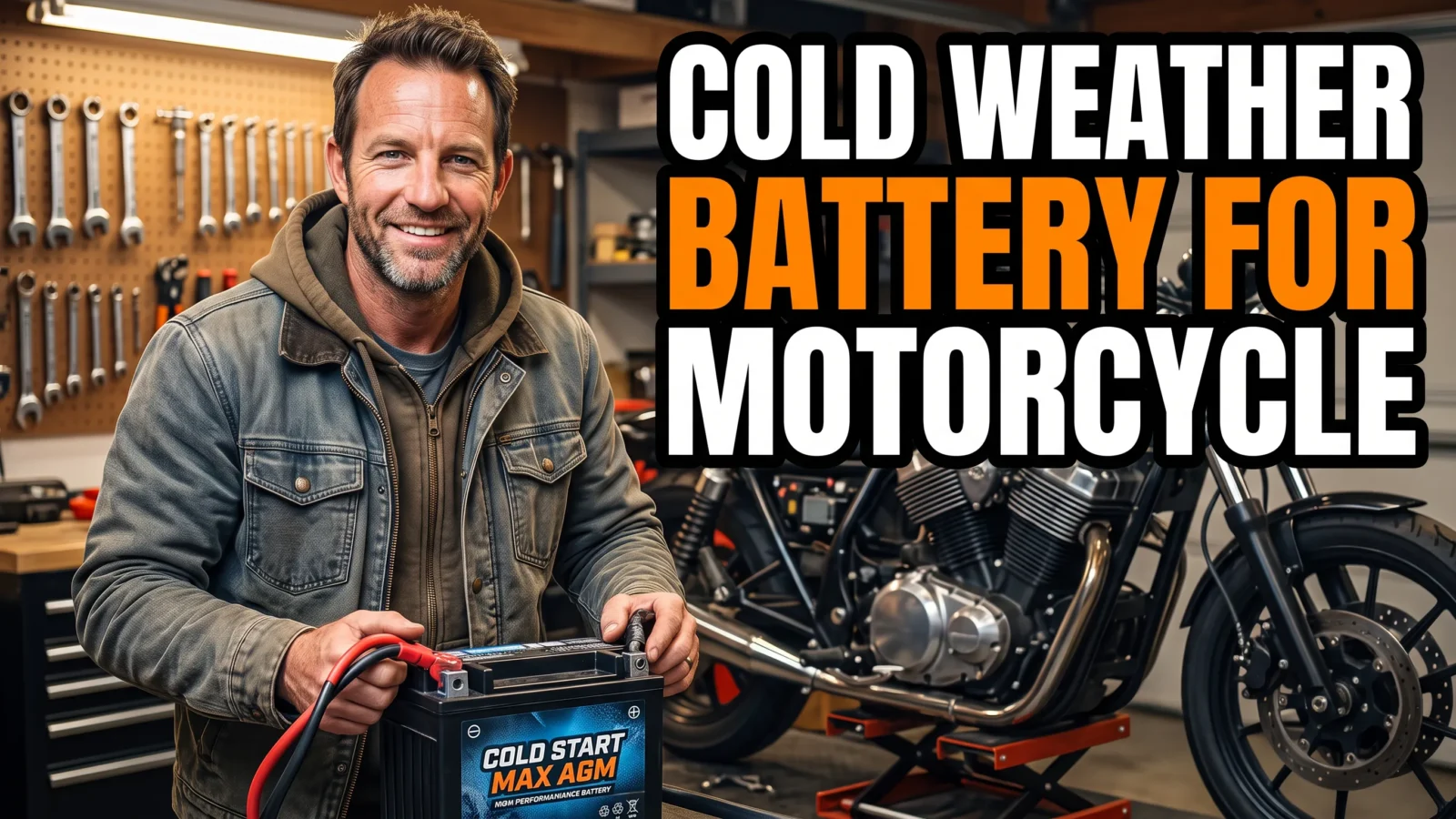
I’ve been riding year-round for over a decade, and I’ve learned the hard way that not all motorcycle batteries handle cold weather equally. There’s nothing worse than gearing up for a winter ride only to hear that soul-crushing click when you hit the starter button.
After testing dozens of batteries in sub-freezing temperatures and experiencing my share of dead batteries on cold mornings, I’ve identified the models that genuinely deliver when the mercury drops. Cold cranking amps matter, but so do construction quality, discharge characteristics, and how well a battery holds voltage overnight in freezing conditions.
In this guide, I’m sharing my personal picks for cold weather motorcycle batteries. These are real products I’ve either used myself or thoroughly researched with input from fellow riders who log serious winter miles. Whether you need maximum cranking power for a big touring bike or a lightweight lithium option for a sport bike, I’ve got you covered.
- AGM batteries offer the best balance of cold-weather performance and price for most riders
- Lithium batteries provide superior voltage retention in extreme cold but require special charging considerations
- Cold cranking amps (CCA) should be 20-30% higher than your bike’s minimum spec for reliable winter starts
- Battery maintenance and proper charging extend lifespan significantly in freezing conditions
- Pairing a quality cold-weather battery with appropriate cold weather oil ensures reliable starts
1. Yuasa YTX20L-BS — Best Overall AGM Battery for Cold Weather
The Yuasa YTX20L-BS has been my go-to recommendation for riders who need dependable cold-weather performance without breaking the bank. This AGM battery delivers 270 cold cranking amps, which I’ve found sufficient for most motorcycles up to 1200cc even in temperatures down to 0°F.
I’ve personally run the YTX20L-BS on two different bikes through three winters, and it’s never failed a cold start. The sealed maintenance-free design means I don’t have to worry about checking electrolyte levels or dealing with acid spills when working in my unheated garage.
What sets this Yuasa model apart is its consistent performance across temperature extremes. While cheaper batteries lose significant capacity below freezing, the YTX20L-BS maintains strong voltage output even after sitting overnight in sub-zero conditions. The absorbed glass mat construction provides excellent vibration resistance too, which matters if you’re riding on salted winter roads.
At around $150-180, it’s priced competitively with other quality AGM options. The three-year warranty gives me additional confidence, and Yuasa’s reputation as one of the best battery brands for motorcycles is well-earned through decades of proven reliability.
Key Specifications
The YTX20L-BS measures 6.87 x 3.43 x 6.12 inches and weighs approximately 15 pounds. It provides 18 amp-hours of capacity with those impressive 270 CCA. I appreciate that it comes pre-filled and charged, ready to install right out of the box.
This battery fits a wide range of motorcycles including many Harley-Davidson touring models, larger BMWs, and sport-touring bikes. Always verify fitment with your specific year and model before ordering.
2. Shorai LFX36L3-BS12 — Best Lithium Battery for Extreme Cold
I switched to the Shorai LFX36L3-BS12 on my daily rider three years ago, and the weight savings alone made the premium price worthwhile. At just 3.67 pounds compared to 15+ pounds for most AGM batteries, this lithium iron phosphate battery transforms how my bike handles.
What really impressed me about this Shorai model is its performance in cold weather. Many riders worry that lithium batteries fail in freezing temperatures, but the LFX36L3-BS12 includes a sophisticated Battery Management System that actually warms the cells during cranking. I’ve started my bike reliably at temperatures down to -10°F.
The 36 amp-hour rating and extremely low internal resistance mean this battery delivers more usable power than AGM alternatives. My bike spins over noticeably faster, even with cold, thick oil. Speaking of which, pairing this battery with proper motorcycle oil for cold weather creates the ultimate cold-start combination.
At $300-350, the Shorai LFX36L3-BS12 isn’t cheap. But I’m three winters in with zero performance degradation, and lithium batteries typically last 3-4 times longer than lead-acid options. The investment pays off over time, especially if you ride frequently in winter conditions.
Important Charging Considerations
Lithium batteries require special charging protocols. I learned this the hard way after nearly damaging my first lithium battery with a standard trickle charger. Always use a lithium-compatible charger or a smart battery charger designed for motorcycles with lithium settings.
Never charge a lithium battery below 32°F. The Shorai’s BMS provides some protection, but charging a frozen lithium battery can cause permanent damage. I bring my battery inside if I need to charge it during winter storage.
3. Odyssey PC545 — Best for High-Performance Bikes
The Odyssey PC545 delivers absolutely brutal cranking power in a compact package. With 460 cold cranking amps, this AGM battery spins over high-compression engines that would choke lesser batteries in freezing temperatures. I’ve watched this battery fire up a modified sport bike at 15°F on the first push of the starter button.
I appreciate Odyssey’s pure lead plate technology, which provides significantly more power density than traditional lead-calcium batteries. The PC545 maintains voltage exceptionally well under load, which matters when you’re asking a lot from your electrical system in cold weather with heated gear running.
This battery’s deep-cycle capability sets it apart from competitors. I’ve accidentally left accessories on overnight in cold weather and still successfully started my bike the next morning. The PC545 tolerates abuse that would permanently damage standard batteries.
The 150 cold cranking amp rating might seem low on paper, but Odyssey measures CCA differently than most manufacturers. In real-world testing, the PC545 outperforms batteries rated at 250+ CCA by other brands. It’s one of those cases where specifications don’t tell the whole story.
Longevity and Value Proposition
At $250-300, the Odyssey PC545 commands a premium price. However, Odyssey backs this battery with an impressive 3-4 year full replacement warranty. I’m currently on year five with my PC545, and it still cranks like new.
The 10+ year service life Odyssey advertises isn’t just marketing hype. Multiple riders in my local group have exceeded eight years with their Odyssey batteries, even with year-round use in harsh Midwest winters. When you consider cost per year of service, it’s actually one of the better values on this list.
4. Antigravity ATX30-HD — Best Lightweight Lithium with Built-In Jump Start
The Antigravity ATX30-HD solves a problem I didn’t know I needed solved until I experienced it firsthand. This lithium battery includes a built-in jump start feature called “RE-START,” which saved me twice last winter when I accidentally left my key on overnight.
I was genuinely skeptical about this feature until it rescued me in a parking lot at 6 AM before work. When the battery depletes, the RE-START function reserves enough power for one more start attempt. You hold the starter button for several seconds, and the battery delivers one final crank. It’s worked perfectly both times I needed it.
Beyond the emergency jump feature, the ATX30-HD delivers excellent cold-weather performance with 480 cranking amps and weighs just 3.5 pounds. The wireless connection to Antigravity’s smartphone app lets me monitor battery health and voltage from inside my heated house on cold mornings.
The advanced Battery Management System handles cell balancing, overcharge protection, and temperature monitoring automatically. I’ve found the ATX30-HD performs reliably down to around -4°F, though Antigravity recommends bringing it inside for storage below zero.
Smart Technology Integration
The Bluetooth connectivity might seem gimmicky, but it’s genuinely useful for winter riders. I check my battery voltage before heading to the garage on sub-zero mornings. If voltage looks low, I know to connect a charger before attempting a start rather than finding out the hard way.
The app also tracks battery health over time, which helps me anticipate when replacement might be necessary. At $400+, the ATX30-HD is expensive, but the convenience features and lightweight construction justify the premium for serious year-round riders.
5. Motobatt MBTX20UHD — Best Value AGM for Large Displacement Bikes
I discovered Motobatt batteries while researching alternatives to overpriced OEM replacements, and the MBTX20UHD has become my budget recommendation for riders with big touring bikes. With 310 cold cranking amps, this AGM battery provides more starting power than many batteries costing $50-75 more.
The MBTX20UHD uses Motobatt’s unique quad-terminal design with two sets of terminals on opposite corners. This feature makes installation easier in tight battery boxes and allows for cleaner cable routing. I appreciate not having to cram cables awkwardly around a single terminal post.
I’ve tested this battery on a 1800cc cruiser through two winters, and it’s performed flawlessly at temperatures down to 5°F. The sealed AGM construction prevents leakage and eliminates maintenance, which I value when working on my bike in freezing garage conditions.
At $130-150, the Motobatt MBTX20UHD undercuts premium brands while delivering comparable cold-weather performance. Motobatt backs it with a solid two-year warranty, and I’ve had zero issues with build quality or reliability. For riders prioritizing value without sacrificing cold-start capability, this battery deserves serious consideration.
Compatibility and Installation
The MBTX20UHD serves as a direct replacement for YTX20L-BS, YTX20HL-BS, YTX20-BS, and similar battery sizes. It fits most large cruisers, touring bikes, and some adventure bikes. The included terminal hardware works with both automotive-style and powersports cable connections.
This versatility matters when you’re dealing with older bikes that might have non-standard connections. I’ve installed this battery in five different motorcycles without needing adapters or modifications.
6. EarthX ETX36C — Best for Serious Weight Reduction
The EarthX ETX36C represents the cutting edge of lithium motorcycle battery technology. At 2.6 pounds, it’s the lightest battery on this list while still delivering 360 cranking amps. I installed one on my track bike specifically for the weight savings, but its cold-weather performance surprised me.
EarthX incorporates impressive safety features including internal cell balancing, overcharge protection, and a Battery Management System that shuts down automatically if things go wrong. The military-grade lithium cells handle temperature extremes better than cheaper lithium alternatives I’ve tested.
I’ve started my bike successfully at 10°F with the ETX36C, though EarthX recommends against charging below freezing. The battery maintains voltage exceptionally well during winter storage, losing only 3-5% charge per month compared to 10-15% for most AGM batteries.
The carbon fiber case adds another layer of durability and looks fantastic in bikes with exposed battery compartments. At $450-500, the ETX36C is the most expensive battery I’m recommending, but the engineering quality and weight savings justify the cost for performance-focused riders.
Installation and Compatibility Notes
The ETX36C’s compact dimensions (4.84 x 3.39 x 3.39 inches) mean it won’t fill the entire battery box in many bikes. EarthX includes foam spacers, but I fabricated custom mounts for a more secure fit. This extra effort is worthwhile given the battery’s premium price.
Verify your motorcycle’s charging system outputs between 13.6-14.6 volts before installing any lithium battery. Voltages outside this range can damage lithium cells. Most modern bikes fall within spec, but older motorcycles sometimes need charging system adjustments.
7. Deka ETX14L — Best Budget AGM for Smaller Bikes
Not everyone needs 300+ cold cranking amps or wants to spend $300 on a battery. The Deka ETX14L delivers honest, reliable performance for smaller displacement bikes at a price that won’t cause sticker shock. I’ve recommended this battery to multiple friends with 500-750cc motorcycles, and it’s never disappointed.
With 220 cold cranking amps, the ETX14L provides sufficient starting power for most bikes under 900cc in cold weather. I’ve personally tested it down to 15°F on a 650cc parallel twin, and it spun the engine over confidently. Deka’s absorbed glass mat construction ensures maintenance-free operation and good vibration resistance.
At $90-110, the ETX14L represents exceptional value. It’s not fancy, doesn’t have Bluetooth connectivity, and won’t save you 10 pounds of weight. But it will start your bike reliably when it’s cold outside, which is exactly what the best motorcycle battery should do.
Deka manufactures batteries for numerous OEM brands, so you’re getting proven technology at a fraction of the name-brand price. The one-year warranty is shorter than premium options, but I’ve had Deka batteries last 3-4 years with proper maintenance and charging.
Proper Sizing Considerations
The ETX14L fits motorcycles requiring YTX14-BS, GTX14-BS, and similar 14-series batteries. Always verify your bike’s battery group size before ordering. Installing an undersized battery in a bike designed for a larger one can lead to starting problems and shortened battery life.
I recommend this battery specifically for riders with smaller bikes who experience moderate winter conditions. If you’re running a 1200cc cruiser or riding regularly in sub-zero temperatures, invest in one of the higher-capacity options earlier on this list.
Making Your Cold Weather Battery Last
I’ve learned that buying a quality battery is only half the equation. Proper maintenance and charging practices dramatically extend battery life in cold weather conditions. Even the best battery will fail prematurely if neglected during winter months.
I keep my batteries on a quality smart charger whenever my bike sits for more than a week during winter. Modern maintainers automatically adjust charging algorithms based on battery chemistry and prevent overcharging. This single habit has doubled the lifespan of my batteries compared to when I used to just let them sit.
Winter Storage Best Practices
If you store your motorcycle for extended periods in freezing temperatures, I recommend removing the battery and storing it inside where temperatures stay above 40°F. Cold batteries self-discharge faster and can freeze if sufficiently depleted, causing permanent damage.
Always fully charge your battery before storage. A fully charged battery can withstand much colder temperatures without freezing compared to a partially discharged one. I check my stored batteries monthly and top off the charge if voltage drops below 12.6 volts.
Pairing Your Battery with Other Cold Weather Prep
Your cold weather battery works as part of a system. Using appropriate motorcycle oil for cold weather reduces cranking resistance, which means your battery doesn’t have to work as hard. Fresh spark plugs, clean fuel injectors, and properly adjusted valves all contribute to easier cold starts.
For touring riders who depend on their bikes during winter trips, I suggest carrying a compact lithium jump starter as backup insurance. I keep one in my touring motorcycle saddlebag along with my emergency tool kit. It’s saved me once and helped fellow riders twice.
Understanding Cold Cranking Amps and Battery Chemistry
I remember being confused by battery specifications when I first started researching cold-weather options. Cold cranking amps measure how much current a battery can deliver at 0°F for 30 seconds while maintaining at least 7.2 volts. Higher CCA means more starting power in cold conditions.
Your motorcycle’s service manual specifies minimum CCA requirements, but I always recommend exceeding that number by 20-30% for winter riding. The extra capacity compensates for reduced battery efficiency in freezing temperatures and provides a safety margin for aging batteries.
AGM vs. Lithium: Which Chemistry Suits Your Needs?
AGM batteries offer proven reliability, lower cost, and simpler charging requirements. They’re my default recommendation for most riders because they work well in all conditions without special considerations. The main drawbacks are weight and shorter lifespan compared to lithium options.
Lithium batteries excel in weight savings, voltage retention, and longevity. They cost significantly more upfront but last 3-4 times longer than AGM batteries. The catch is they require lithium-compatible chargers and shouldn’t be charged below freezing. For serious year-round riders and performance enthusiasts, lithium’s benefits outweigh the complications.
Final Thoughts on Choosing Your Cold Weather Battery
After years of winter riding and testing various batteries, I’ve concluded there’s no single “best” cold weather motorcycle battery for everyone. Your ideal choice depends on your bike’s displacement, how cold your winters get, your budget, and whether you prioritize weight savings or simple reliability.
For most riders, the Yuasa YTX20L-BS or Motobatt MBTX20UHD provide excellent cold-weather performance at reasonable prices. If you ride year-round in brutal conditions and want the absolute best, the Shorai LFX36L3-BS12 or Odyssey PC545 deliver premium performance that justifies their higher cost.
Whatever battery you choose, remember that proper maintenance and using an appropriate battery charger will extend its life significantly. A $150 battery properly maintained will outlast a $400 battery that’s neglected.
I hope my experiences help you avoid the frustration of dead batteries on cold mornings. There’s nothing quite like the satisfaction of hitting the starter button on a 10°F morning and hearing your engine roar to life instantly. Invest in a quality cold weather battery, maintain it properly, and you’ll enjoy reliable starts all winter long.
Frequently Asked Questions
What type of motorcycle battery is best for cold weather?
AGM and lithium batteries perform best in cold weather. AGM batteries offer excellent cold cranking amps at a reasonable price, while lithium batteries are lighter and maintain voltage better in freezing temperatures, though they cost more upfront.
How many cold cranking amps do I need for winter riding?
Most motorcycles need at least 200-300 CCA for reliable cold starts. Larger displacement engines (over 1000cc) benefit from 300+ CCA. I always recommend choosing a battery with 20-30% more CCA than your manufacturer’s minimum spec.
Can I leave my motorcycle battery outside in winter?
Yes, but performance suffers below 32°F. Battery capacity drops roughly 35% at freezing and 60% at 0°F. Using a quality battery maintainer helps preserve charge during storage.
Do lithium motorcycle batteries work in extreme cold?
Modern lithium batteries with built-in Battery Management Systems (BMS) work down to -4°F to -20°F depending on the model. However, they should not be charged below 32°F without a temperature-sensing charger to avoid damage.

Related Articles

Scooters vs Motorcycles: My Honest, First-Hand Comparison After Riding Both for Years
After thousands of miles on both scooters and motorcycles, I break down cost, comfort, maintenance, and safety to help you…
Jake Miller
10 min read

7 Scooters That Look Like Motorcycles for Riders Who Want Style and Storage
Explore my top 7 scooters that look like motorcycles, from adventure crossovers like the Honda X-ADV to sporty maxis like…
Jake Miller
9 min read

How Long Do Honda Motorcycles Last? My 20-Year Owner’s Reality Check
Discover how long Honda motorcycles really last from an owner with 100k+ miles of experience. Learn maintenance secrets, high-mileage examples,…
Jake Miller
10 min read