
8 Best Motorcycle Oils I Actually Trust: Rider-Tested Picks for Every Bike and Budget
 Jake Miller
9 min read
Jake Miller
9 min read
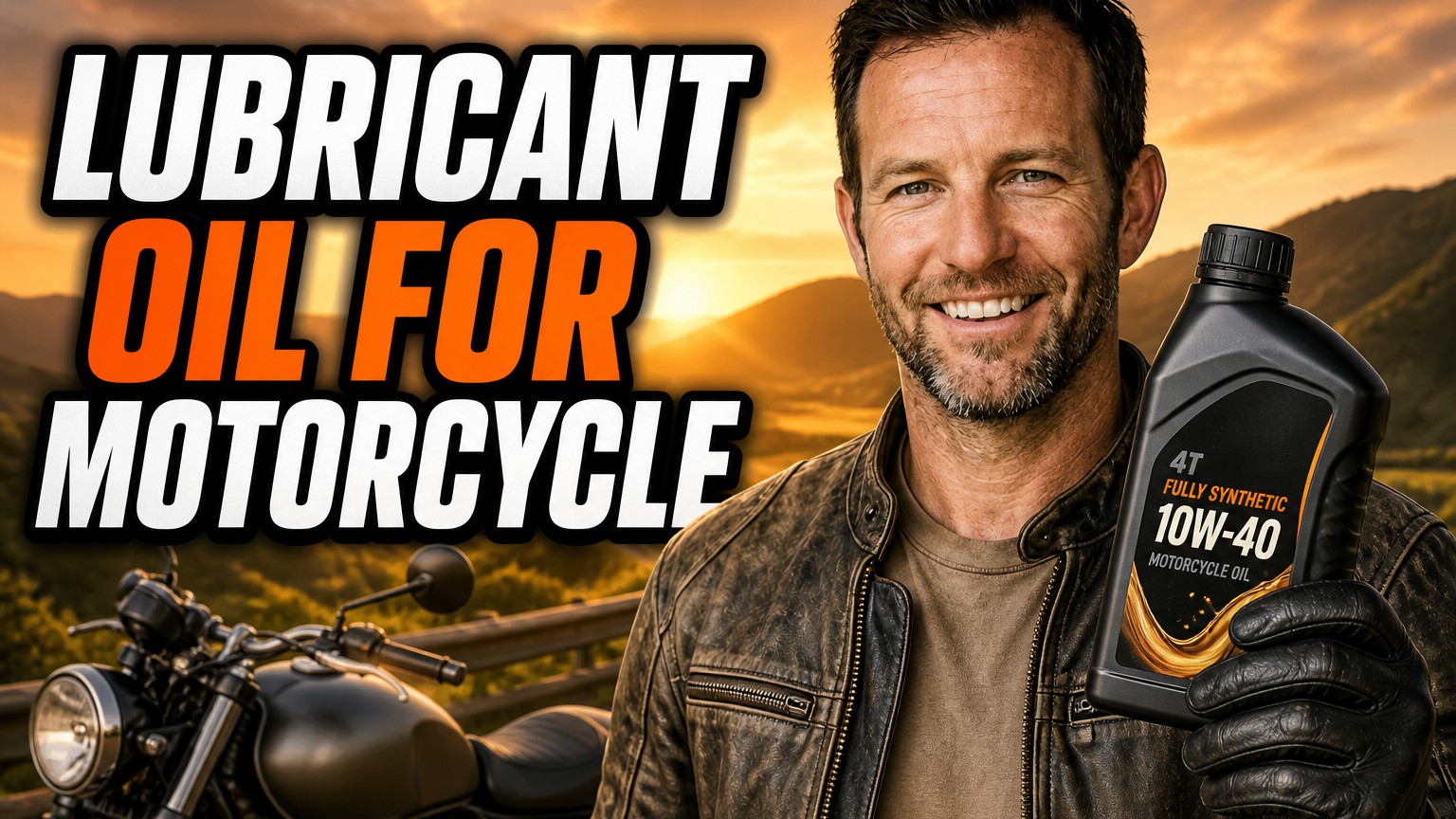
I’ve been riding for over a decade, and I’ve made almost every oil mistake there is. I’ve run the wrong viscosity, stretched change intervals too far, and once even poured in a cheap oil that left my clutch slipping on a hill start. Lesson learned.
Oil is the cheapest insurance you can buy for your engine. In this guide I’m sharing the eight motorcycle oils I trust, why I like each one, and who it suits best. Whether you ride a daily commuter, a sportbike or a big V-twin cruiser, there’s something here for you.
- My top overall pick is Motul 7100 4T 10W-40, a full synthetic ester oil that suits most 4-stroke bikes.
- Always look for JASO MA or MA2 on the label so your wet clutch doesn’t slip.
- For budget riders, Motul 3000 4T and Pro Honda GN4 are solid, affordable choices.
- Follow your manual’s viscosity, then pick mineral, semi-synthetic or synthetic based on how you ride.
How I Choose a Motorcycle Oil Before I Buy
Before the list, here’s the checklist I use every time. It takes about two minutes and saves a lot of headaches.
JASO Rating Comes First
Most motorcycles use one oil for the engine, clutch and gearbox. That’s why JASO MA or MA2 matters. These ratings mean the oil won’t make your wet clutch slip.
Avoid oils labelled “Energy Conserving” or JASO MB. They’re built for scooters with automatic transmissions and dry clutches, and they can cause real trouble on a manual bike.
Viscosity and Base Oil Type
Your owner’s manual tells you the right viscosity grade. I never deviate from it by more than one step, and only for climate reasons. Most modern bikes call for 10W-30, 10W-40 or 20W-50.
Then there’s the base oil. Mineral is the cheapest, semi-synthetic is a middle ground, and full synthetic gives the best heat and shear resistance. I’ll flag which is which in each pick below.
1. Motul 7100 4T 10W-40 — Best Overall Motorcycle Oil
If someone asks me for one oil that works across the widest range of bikes, I say Motul 7100 4T. It’s a 100% synthetic oil built on Motul’s ester technology. It meets JASO MA2 and API SN standards.
I’ve used the 10W-40 grade in a naked middleweight for several seasons. Shifts stayed crisp, and the engine felt smoother and quieter at high rpm. Cold starts on chilly mornings were noticeably easier too.
Why I Like It
- Ester-based synthetic with strong film strength under heat
- Available in 10W-30, 10W-40, 10W-50, 15W-50 and 20W-50
- JASO MA2 clutch-friendly formula
Things to Consider
It’s not cheap, usually around $14 to $20 per liter depending on where you shop. For a high-performance bike or a hard-ridden commuter, I think it’s money well spent. Counterfeits exist, so buy from authorized sellers.
2. Shell Advance Ultra 4T 10W-40 — Best for Daily Commuters
Shell’s Advance Ultra 4T is a fully synthetic oil that I recommend to friends who ride to work every day. It uses Shell’s PurePlus-based technology and carries a JASO MA2 rating. It’s easy to find almost everywhere.
I ran it through a hot summer of stop-and-go traffic. The engine stayed composed, and I saw no noticeable oil consumption between changes. That kind of consistency is what a commuter needs.
Why It Works for Me
Shell Advance Ultra 4T balances price and performance well. It typically costs less than premium ester oils but still delivers real synthetic protection. It’s also widely stocked, so topping up on a trip is easy.
If you’re shopping for the best engine oil for 4 stroke motorcycle in india, this is a name that comes up again and again. It handles heat and heavy traffic really well.
3. Castrol Power1 4T 10W-40 — Best Value for Everyday Riding
Castrol has been a familiar name in my garage for years. Castrol Power1 4T 10W-40 is a popular choice for riders who want dependable protection without a premium price tag. It meets JASO MA2 requirements.
Castrol markets its “Power Release” formula for fast throttle response and smooth power delivery. I noticed a smooth clutch feel and easy shifting on my older 250cc. It’s a nice, no-fuss oil.
Who Should Buy It
- Riders with commuters and entry-level sport bikes
- Anyone wanting a trusted brand at a fair price
- Riders who change oil on a regular schedule
Pricing generally sits around $9 to $15 per liter. For the cost, I think it’s one of the best all-rounders out there.
4. Liqui Moly Motorbike 4T Synth 10W-40 Street Race — Best for Sporty Riding
When I’m pushing hard on weekend rides, I like Liqui Moly Motorbike 4T Synth 10W-40 Street Race. It’s a fully synthetic oil designed for high-performance street and track-day use. It carries JASO MA2 approval.
On long, spirited rides, the engine felt confident even when temperatures climbed. Gear changes stayed positive, with no clutch drama. It also handled a few days of hot-weather riding without complaint.
Standout Features
Liqui Moly uses a synthetic base with additives aimed at high-rpm stability and clutch performance. It’s a great match for supersport and sport-touring bikes. You’ll pay around $14 to $20 per liter.
If you want to compare more brands, my guide on the best motorcycle engine oil brand options goes deeper.
5. Mobil1 Racing 4T 10W-40 — Best for Track Days and High-Revving Engines
I tried Mobil1 Racing 4T 10W-40 when I wanted something built for tough conditions. It’s a full synthetic formulated for high-performance 4-stroke motorcycles. It’s also JASO MA2 certified.
My bike felt eager through the rev range, and oil analysis on a friend’s similar setup showed good viscosity retention. For riders who spend time at high rpm, that’s a big deal.
My Take
It’s more oil than a casual commuter needs. But if you ride aggressively or do occasional track sessions, Mobil1 Racing 4T is a confident pick. Expect to pay roughly $13 to $20 per liter.
If you want a broader look at what’s available, see my write-up on the top engine oil for 4 stroke motorcycle models.
6. Valvoline V-Twin SAE 20W-50 Synthetic Blend — Best for Cruisers and V-Twins
Big air-cooled V-twins run hot, and they need an oil that can handle it. That’s why I like Valvoline V-Twin Synthetic Blend 20W-50. It’s designed for air-cooled American-style V-twin engines and cruisers.
On a long summer ride with a friend’s cruiser, the engine held steady even in stop-and-go traffic. The thicker 20W-50 grade gives that extra protection in hot, high-load conditions.
Why It Stands Out
- Synthetic blend formulated for air-cooled V-twins
- 20W-50 viscosity for high operating temperatures
- Wet-clutch-friendly formula, typically priced around $9 to $14 per quart
A Quick Note on Primary Cases
Some cruisers have separate primary and transmission compartments. Always check your manual, as those may need different fluids than the engine.
7. Motul 3000 4T 20W-50 — Best Budget Mineral Oil
Not everyone wants to spend big. Motul 3000 4T is a mineral-based oil from a premium brand, and it’s a great budget pick for simple, older or low-stress engines. It meets JASO MA2.
I used the 20W-50 grade in an older air-cooled single during warm months. It did the job without fuss. Mineral oil needs more frequent changes, but it’s very affordable.
Good to Know
Mineral oils break down faster under heat. If you ride in hot climates or commute in heavy traffic, shorten your change interval. For the right bike, this is a smart value buy.
For more guidance on matching oil to bike, I’ve also covered the best motor oil for 4 stroke motorcycle in a separate guide.
8. Pro Honda GN4 10W-30 — Best OEM Choice for Honda Owners
If you own a Honda and want zero guesswork, Pro Honda GN4 4-Stroke Oil 10W-30 is hard to beat. It’s formulated by Honda for its own engines and meets JASO MA standards. It’s a mineral-based oil with a reasonable price.
I’ve used it in a Honda commuter, and the bike ran as quietly and smoothly as I’d expect. It’s a very straightforward choice, and a safe one for warranty-conscious owners.
Who It’s For
I recommend GN4 to riders who like sticking to factory-spec products. It’s a no-drama oil at a friendly price, usually about $7 to $12 per quart. Just remember that Honda also makes synthetic options for newer, higher-performance models.
Mineral, Semi-Synthetic or Full Synthetic: Which Do I Pick?
Here’s how I think about it. It’s simple once you match the oil to how you ride.
My Quick Rules
- Mineral: Older, simple engines and light riding, with frequent changes
- Semi-synthetic: Most daily commuters wanting a balance of cost and protection
- Full synthetic: Sportbikes, hot climates, long rides and high-revving engines
Switching between types is generally fine on a healthy engine. If your bike is old and leaky, though, I’d be careful moving to a very thin synthetic.
Common Oil Mistakes I See Riders Make
Ignoring the Manual
Your manufacturer’s viscosity spec exists for a reason. I’ve seen riders swap to thick oil “for protection” and wind up with sluggish performance and poor cold-start behavior.
Stretching Change Intervals
Fresh oil is cheap. Engine rebuilds aren’t. I change mine early rather than late, especially if I’ve been riding in heat, dust or heavy traffic.
Using Car Oil
Many car oils include friction modifiers that can make a wet clutch slip. Unless your bike has a separate transmission and clutch system, stick with motorcycle-specific oil.
Final Thoughts From My Garage
If I had to pick one oil for most riders, I’d go with Motul 7100 4T 10W-40. For daily commuting, Shell Advance Ultra 4T and Castrol Power1 4T are hard to fault. Cruiser owners will like Valvoline V-Twin, and Honda owners can stay with Pro Honda GN4.
The best oil is the one that matches your bike’s spec, your riding style and your budget, and that you change on time. If you want to keep exploring, my guide to the best engine oil for motorcycle riders covers even more options. Ride safe, and keep that oil fresh.
Frequently Asked Questions
Can I use car engine oil in my motorcycle?
I wouldn’t. Most motorcycles share oil between the engine, clutch and gearbox, and many modern car oils contain friction modifiers that can make a wet clutch slip. Look for a JASO MA or MA2 rating on the bottle instead.
How often should I change my motorcycle oil?
Check your owner’s manual first. As a general rule, I change mineral oil around every 3,000 to 4,000 km, semi-synthetic around 4,000 to 6,000 km, and full synthetic around 6,000 to 10,000 km, or at least once a year.
Is synthetic oil really worth the extra money?
In my experience, yes, especially for air-cooled, high-revving or hard-ridden engines. Synthetic oil resists heat breakdown better and keeps its viscosity longer. A well-maintained commuter on mineral oil is still perfectly fine if you change it on time.
What does 10W-40 actually mean?
The first number with the W (winter) describes how the oil flows when cold, and the second number describes its thickness at operating temperature. So 10W-40 flows like a thin 10-weight oil on startup and protects like a 40-weight oil when hot.

Related Articles

7 Best Batteries for Motorcycles I’ve Tested and Trust in 2026
I've tested dozens of motorcycle batteries to find the best performers. From AGM to lithium, here are my top picks…
Jake Miller
15 min read

7 Best Motorcycle Batteries for Honda Magna (V30, V45, V65)
I've tested the best motorcycle batteries for Honda Magna models. From AGM to lithium options, find the perfect power source…
Jake Miller
14 min read

7 Best Battery Brands for Motorcycles That Actually Start Every Time
I've tested dozens of motorcycle batteries over the years. These 7 brands deliver reliable starts, long life, and real value—from…
Jake Miller
15 min read