
8 Best Motorcycles and Scooters for Short, Heavier Riders: Low Seats, Real Comfort
 Jake Miller
8 min read
Jake Miller
8 min read
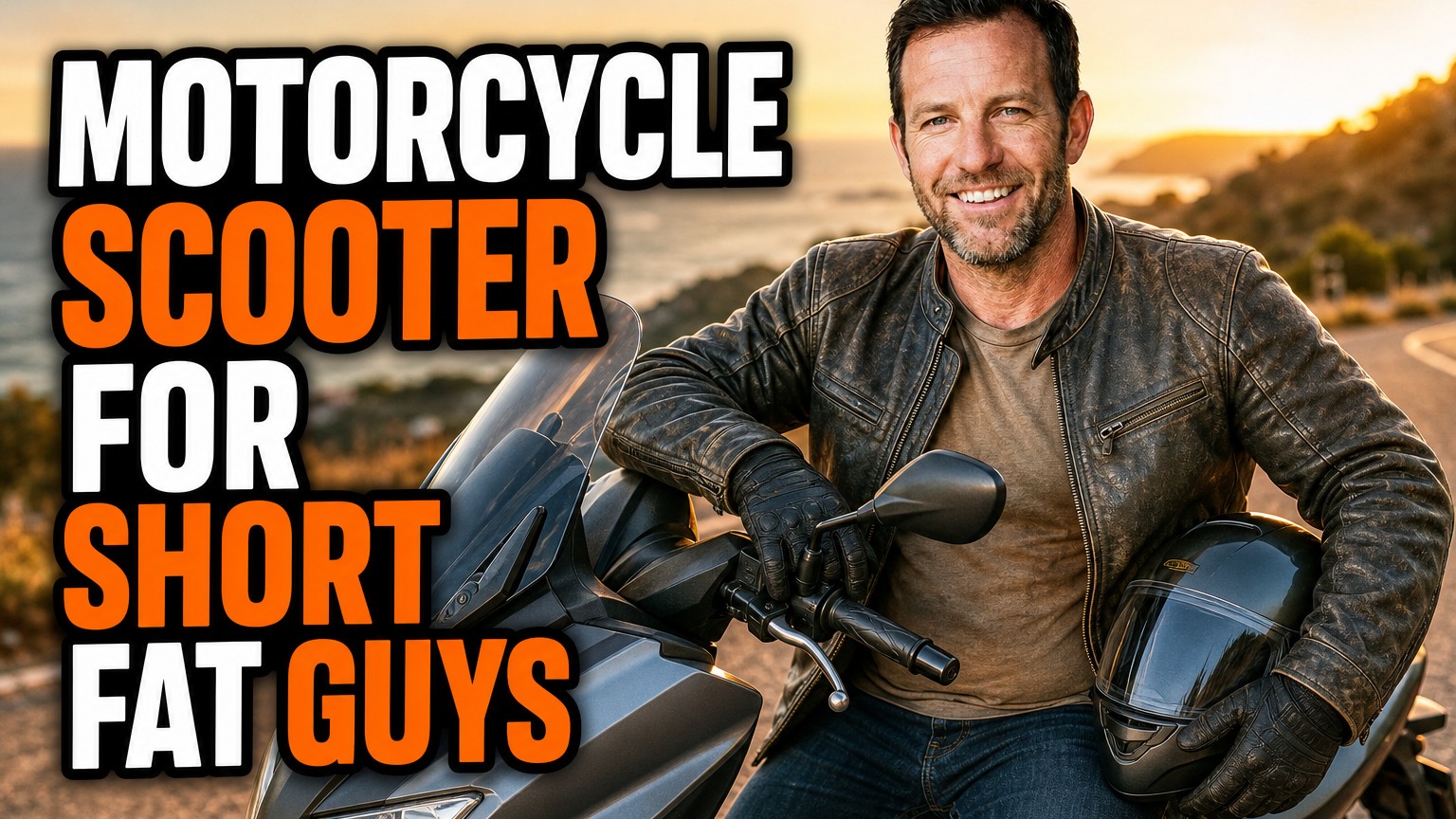
I’m not tall, and I’m not light. For years, shopping for a bike meant sitting on one machine after another, tiptoeing at the showroom, and wondering whether the suspension would collapse the first time I hit a pothole.
If that sounds familiar, you’re in the right place. I’ve spent a lot of time on low-slung cruisers, midsize twins, and a few scooters, and I’ve learned that fit, stability, and honest power matter more than brand hype. Here are the eight machines I’d point a short, bigger rider toward.
- My overall pick is the Honda Rebel 500: low seat, easy handling, and enough torque for a heavier rider.
- For a scooter with real highway manners, I’d choose the Suzuki Burgman 400.
- Aim for a seat height under 28 inches, a low center of gravity, and suspension that won’t bottom out under your weight.
- Check each bike’s load rating before you buy, especially on small-displacement scooters.
How I Judge Bikes for Short, Heavier Riders
Before the list, here is what I look for. I’ve found that spec sheets can mislead, so I always sit on the bike and, if possible, ride it.
Seat Height and Seat Shape
Seat height is only half the story. A narrow seat lets your legs drop straight down, so a 28-inch seat can feel lower than a wide 27-inch one.
I want to put both feet flat, or at least have the balls of my feet planted solidly. If I’m balancing on one toe at a stoplight, the bike is out.
Weight, Balance, and Suspension
A heavier rider adds load to the rear shock and forks. A bike with a low center of gravity feels planted, while a top-heavy one gets nervous in parking lots.
Check the bike’s weight capacity. Cheaper machines often use soft suspension that sags quickly under extra pounds, and that changes handling for the worse.
Power Matters More Than You Think
A 250cc machine can feel fine alone, but add your weight, gear, and a headwind, and it works hard. I’d rather have a bit too much torque than not enough.
1. Honda Rebel 500: Best Overall Pick
The Honda Rebel 500 is the bike I recommend most often. Its seat height is about 27.2 inches, and the seat is slim where it meets the tank, so my feet land flat.
The 471cc parallel twin makes smooth, usable power. Curb weight is roughly 410 to 420 pounds, which feels manageable thanks to the low center of gravity. Expect to pay around $6,500 new.
Why It Works for Bigger Riders
The Rebel 500 has a steel trellis frame and enough midrange to pull away from lights without drama. Its dual-piston front brake and ABS are plenty for city and highway speeds.
If you’re brand new to riding, this is also one of the best starter machines around. I wrote more on that in my guide to the best beginner motorcycle for fat guys.
The Downsides
The stock rear shocks are on the soft side, and I felt them bottom out on rough pavement with a loaded bike. An aftermarket pair fixes that for a few hundred dollars.
2. Honda Rebel 1100: Best for Highway Power
If you want more muscle, the Honda Rebel 1100 is where I’d go. The seat height is about 27.5 inches, which is still friendly for shorter legs.
It uses the 1084cc parallel twin from the Africa Twin, tuned for strong low-end torque. Curb weight is around 480 pounds (a little more with the DCT automatic), and pricing starts near $9,400.
My Experience With the DCT
The optional dual-clutch transmission is a real perk if you’re tired of juggling a clutch in traffic. I found it smooth and, in manual mode, genuinely fun.
The weight sits very low, so slow-speed turns and parking feel surprisingly easy for a bike this size. It also carries a bigger rider without breaking a sweat.
3. Suzuki Burgman 400: Best Scooter for Real Highway Use
Scooters get dismissed, but the Suzuki Burgman 400 is a proper machine. Its seat height is about 28 inches, and the floorboards let me stretch my legs out and settle in.
The 400cc single makes enough power to cruise at highway speeds, and the curb weight is roughly 460 pounds. Pricing runs around $8,000 depending on the model year.
Why I Like It for Heavier Riders
The step-through design and underseat storage are big wins. I can fit a helmet and a jacket under the seat, which makes daily errands painless.
The wide seat and floorboards also spread out my weight. The suspension feels firm and planted, not wallowy like many smaller scooters.
Keep Up With Maintenance
Scooter engines work hard, so oil matters. I covered what I use in my notes on the best oil for motorcycle scooter models.
4. Kawasaki Vulcan S: Best Adjustable Fit
The Kawasaki Vulcan S has a seat height of about 27.8 inches, and what sets it apart is Kawasaki’s Ergo-Fit system. You can choose different seat and footpeg positions to match your body.
The 649cc parallel twin is the same family as Kawasaki’s Ninja 650 engine, so it has strong, linear power. It weighs about 500 pounds and costs around $7,500 to $8,500, depending on trim.
What I Noticed on the Road
With the footpegs set closer, my knees weren’t cramped, and the reach to the bars was comfortable. That adjustability is rare in this segment.
The bike feels stable at speed and confident in corners. It’s a great pick for someone who wants cruiser looks with sportier manners.
5. Honda Rebel 300: Best Lightweight Starter
The Honda Rebel 300 shares the low 27.2-inch seat of its bigger sibling but weighs only about 364 pounds. It costs roughly $4,700, which makes it a great entry point.
The 286cc single is happy around town and capable on highways, though it works harder with a heavier rider. I’d call it ideal for lighter loads and short commutes.
Who Should Pick It
If you’re nervous about handling a big bike, this is a calm, forgiving machine. Parking lot maneuvers feel easy, and it’s hard to drop.
If you’re also shorter and newer to riding, my list of the best beginner motorcycle for short girls has more good small-bike ideas that apply to any short rider.
6. Indian Scout: Best for Cruiser Style With a Super-Low Seat
The Indian Scout has one of the lowest seats you’ll find on a full-size cruiser, at roughly 25 to 26 inches depending on the version. For short riders, that feels like cheating.
It uses a 1133cc V-twin (on newer models) that delivers real, effortless torque. Prices typically start around $13,000 or more, and weight is about 540 to 560 pounds.
Riding Impressions
The low seat puts me deep in the bike, which gives a planted, secure feeling. I can flat-foot with my knees bent, and that boosts confidence immensely.
It’s more expensive than the Hondas, but the build quality, sound, and presence make up for it. This one is for riders who want a bike they’ll keep for years.
7. Harley-Davidson Softail Standard: Best for Classic Cruiser Fans
The Harley-Davidson Softail Standard sits low, with a seat height of roughly 26 inches. It’s heavy, around 650 pounds, but the weight carries so low that it feels stable once you’re moving.
The Milwaukee-Eight 107 V-twin gives big, easy torque, and pricing sits around $15,000. The frame and suspension are built for heavier riders, which is a huge plus.
The Tradeoff
You’ll feel the weight when pushing it backward in a driveway. I practiced slow-speed technique and parking angles to get comfortable.
If you want one machine that can do commutes, long weekend rides, and light touring, it’s hard to beat. For other fits, my guide to the best all around motorcycle for short people covers more options.
8. Honda Navi: Best Budget Mini Ride
The Honda Navi is the fun, cheap pick on my list. Its seat height is about 26.8 inches, and it weighs only around 480 pounds less than you’d think, because it’s actually closer to 230 pounds, so it’s very easy to handle.
The 109cc engine makes modest power, and the price is under $2,000. It’s perfect for short trips, campus rides, or a second bike for errands.
A Word of Caution
I only recommend the Navi for heavier riders on short, low-speed trips. The small engine and light suspension aren’t built for big loads or highways.
Check Honda’s published load rating before buying. If you’re near or over it, step up to the Rebel 300 or Burgman instead.
Keeping Your Ride Healthy
Heavier riders put a little more stress on engines, chains, and brakes. I keep up with oil changes and check tire pressure more often than the manual’s minimum.
Choosing the right lubricant helps too. I explain my picks in my guide to the best motor oil for 4 stroke motorcycle engines.
Small Upgrades That Make a Big Difference
- Lowering link or shorter seat: Gains an inch or so if you still can’t reach.
- Upgraded rear shocks: Prevents bottoming out and improves handling.
- Grippy boots: Thick soles with good traction help at stops.
- Wider footpegs or highway pegs: Improve comfort on long rides.
My Final Take
If you only take one thing from this article, let it be this: sit on the bike before you buy it. Spec sheets can’t tell you how your body fits.
For most riders, I’d start with the Honda Rebel 500 for its balance of price, power, and friendliness. If you want a scooter, the Suzuki Burgman 400 is my go-to.
Whichever you choose, take a rider course, wear good gear, and enjoy the ride. Being short and big doesn’t limit your options, it just means you need to shop with a smart eye.
Frequently Asked Questions
What is the best motorcycle or scooter for a short, heavier rider?
For most riders, I recommend the Honda Rebel 500. It has a seat height of about 27.2 inches, a forgiving 471cc twin, and a balanced chassis. If you prefer a scooter, the Suzuki Burgman 400 is a roomy, low-seat option with real highway ability.
Does seat height matter more than weight for short riders?
Both matter, but seat height controls confidence at stops, while weight affects how hard the bike is to manage at low speed. I look for a seat under 28 inches and a low center of gravity, then check the rider capacity and suspension rating.
Can a heavier rider use a small scooter?
Sometimes, but you should check the manufacturer’s load rating first. Small scooters like the Honda Navi are fun and cheap, but they have limited power and suspension travel, so they suit lighter loads and short city trips better than daily highway use.
Should I upgrade the suspension on a cruiser if I am a bigger rider?
Often yes. Stiffer rear shocks and progressive fork springs improve stability and keep the bike from bottoming out. This matters most on lighter bikes like the Rebel 300 when you carry extra gear or a passenger.

Related Articles
7 Best Batteries for Motorcycles I’ve Tested and Trust in 2026
I've tested dozens of motorcycle batteries to find the best performers. From AGM to lithium, here are my top picks…
Jake Miller
15 min read

The Perfect Battery for Your Harley Davidson Softail: A Rider’s Complete Guide
Discover the perfect battery for your Harley Davidson Softail. I've tested multiple options and share real-world performance data, maintenance tips,…
Jake Miller
14 min read

The Best Battery for Your Harley Davidson: My Complete Guide After Years of Testing
Discover which battery truly performs best for Harley Davidson motorcycles. Real rider experience with AGM, lithium, and OEM options to…
Jake Miller
12 min read