
Where Is the Gas Tank on a Motorcycle? A Rider’s Essential Guide
 Jake Miller
10 min read
Jake Miller
10 min read
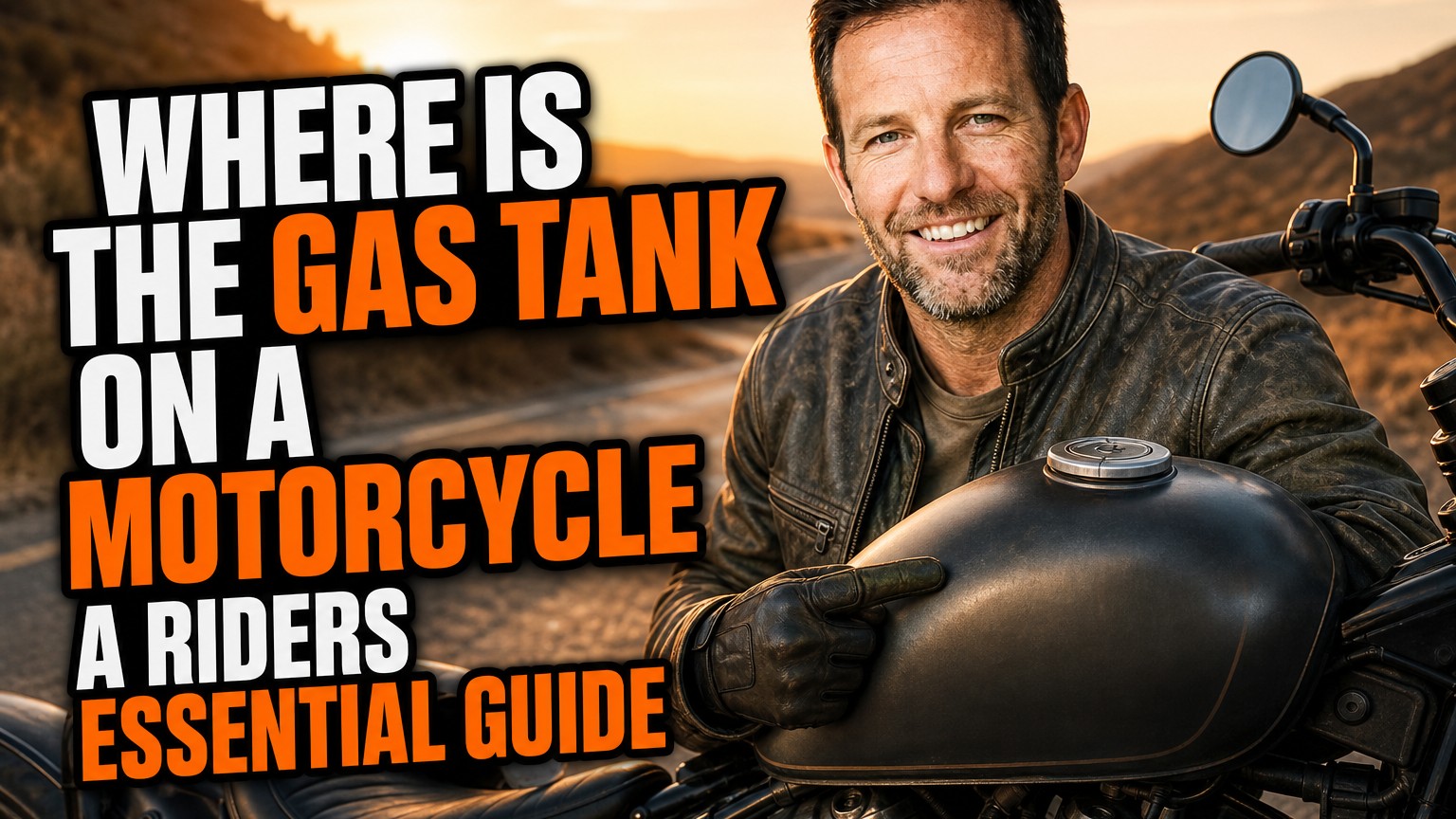
The first time I climbed onto a friend’s bike and couldn’t find the fuel cap, I felt a little silly. I stood there staring at a sleek, tucked-in body, wondering whether I was looking at a tank, a fairing, or a very expensive piece of plastic. If you’ve ever been in that spot, you’re in good company.
Motorcycle designers don’t follow a single layout. The tank can sit in front of you, beneath you, or even behind you. In this guide, I’ll walk you through where the fuel tank lives on different bike types, how to fill it safely, and how to keep it healthy for the long haul.
- On most motorcycles, the gas tank sits between the handlebars and the seat, right above the engine.
- Scooters, some adventure bikes, and a few unusual models hide the tank under the seat, in the floorboard, or even beneath the rider.
- Always check for a fuel petcock, a locking cap, and a vent before you fill up.
- Regular cleaning and rust prevention keep your tank and fuel system running smoothly.
The Short Answer: Look Right in Front of You
On the vast majority of motorcycles, the fuel tank sits directly in front of the rider’s seat and behind the handlebars. It rests on top of the frame, above the engine. That’s the classic teardrop shape most of us picture when we think “motorcycle.”
The filler cap is typically on top of the tank. It’s usually near the center, though some bikes offset it to the left or right. In my experience, if you’re sitting on the bike, the cap is the round or rectangular lid you can see between your arms.
That said, the “tank in front of you” rule has plenty of exceptions. Let’s go through them by bike type.
Where the Gas Tank Lives on Different Types of Motorcycles
Cruisers and Choppers
Cruisers are the easiest to figure out. The tank is a prominent, often chrome or heavily painted centerpiece sitting high on the frame. It’s hard to miss.
On many Harley-Davidsons and similar bikes, the cap sits on the left side or at the center-top of the tank. Some models even tuck a fuel gauge or small dash into the tank’s top surface. I always appreciate that, since it saves me from guessing how much I have left.
Sport Bikes
Sport bikes are where beginners get confused. The tank is still between the handlebars and the seat, but it’s wrapped in plastic bodywork, so it doesn’t look like a traditional tank.
The cap is usually under a small flip-up cover or integrated into the top of the tank. On many modern sport bikes, you’ll need to use the key to pop it open. I’ve watched more than one new rider hunt for it on a Ninja or a CBR.
Naked and Standard Bikes
Naked bikes and standards have the most exposed layout. You can see the tank, frame, and engine clearly. The tank sits in its familiar spot, and the cap is typically visible right on top.
These are my favorite bikes to teach friends on. There’s no mystery, no hidden panels, and refueling is straightforward.
Adventure and Dual-Sport Bikes
Adventure bikes usually keep the tank in the traditional position, but it’s often larger and taller to extend range. Some models extend the tank down along the sides of the engine to keep weight low.
A few adventure bikes do something different. Certain BMW GS models, for instance, place the cap on the side or in a raised position for easier filling. Always give the tank a good look before you assume.
Scooters
Scooters flip the script. On most, the fuel tank is under the seat or in the floorboard area, not in front of you. You’ll often need to lift the seat to reach the cap, or open a small external fuel flap.
I’ve owned a scooter where the flap was on the front apron. I spent two minutes pulling on the seat before a neighbor pointed it out. Learn from my embarrassment and check the body panels first.
Vintage and Unusual Designs
Some older and quirky bikes break every rule. A few Honda models, such as certain Gold Wing and Fireblade-era machines, hide the tank in unexpected places. Honda’s Gold Wing has a tank under the seat area, with the space up front used for storage or an airbox.
Several Kawasaki and Honda models also put the airbox where the tank would normally sit, moving the fuel lower and farther back. If your bike looks unusual, the owner’s manual is your best friend.
Quick Reference: Tank Location by Bike Style
- Cruiser: On top of the frame, ahead of the seat, often with a center or left-side cap.
- Sport bike: Ahead of the seat, under plastic bodywork, often with a keyed or flip-up cap.
- Naked/standard: Exposed, ahead of the seat, with a visible top cap.
- Adventure: Larger tank ahead of the seat, sometimes extending low along the engine.
- Scooter: Under the seat or in the floorboard, with a flap or lift-up seat access.
How to Spot the Fuel Cap Fast
When I’m on an unfamiliar bike, I use a simple three-step scan. It takes about ten seconds and has never failed me.
Step 1: Look Over the Top of the Tank
Sit on the bike or stand beside it and look at the top surface. Check for a round cap, a flip-up lid, or a small hinged cover. Most bikes will show you something right away.
Step 2: Check the Sides and Seat
No luck? Look at the sides of the body panels and the area under the seat. Scooters and some touring bikes use hidden flaps. Gently lift the seat if there’s a latch or lock.
Step 3: Find the Key Slot
Many bikes require a key to open the cap. If you see a small keyhole, that’s your answer. Turn it, and the cap or cover should pop open.
Fueling Up Safely: My Step-by-Step Routine
Finding the tank is half the job. Filling it safely is the other half. Here’s the routine I follow every time I stop at the pump.
Before You Pull In
Turn off the engine and put the bike on its sidestand or centerstand. Make sure the bike is stable. A bike that tips mid-fill is a nightmare you only want to experience once, and I’d rather you never did.
While You Fill
Open the cap fully, insert the nozzle, and squeeze slowly. Don’t overfill. Stop when the fuel reaches the bottom of the filler neck, because fuel needs room to expand as it warms.
I keep a clean rag in my jacket for the inevitable drips. Gasoline on paint can cause damage over time, so wipe it up right away.
After You Fill
Close the cap until you feel it seat or hear it click. If your bike has a lock, turn the key and remove it. Never ride off with the cap loose, since it’s more common than you’d think.
Understanding the Petcock and Fuel Reserve
Some bikes, especially older models and certain cruisers, use a fuel petcock. It’s a small valve, usually on the left side of the tank near the bottom, that controls fuel flow to the carburetor.
Typical positions are ON, OFF, and RES (reserve). If you run dry, flipping to RES gives you a few extra miles to find a gas station. I’ve been saved by that little lever more than once.
Modern fuel-injected bikes typically don’t have a manual petcock. They use an electric pump inside the tank and rely on a fuel gauge or warning light instead. Know which system your bike has before a long trip.
Common Tank Problems I See (and How to Handle Them)
Rust Inside the Tank
Rust is the number one enemy of steel tanks, especially on bikes that sit for months. Moisture builds up in a half-empty tank, and rust follows. If you spot flakes or orange sludge, don’t ignore it.
I walked through the entire process in my guide on how to clean a rusty gas tank on a motorcycle step by step guide. It covers everything from draining to sealing.
General Dirt and Varnish
Old fuel leaves varnish and gunk behind, which can clog your fuel filter or carburetor jets. If your bike has been sitting, a thorough cleaning is worth the effort. Here’s a helpful resource on how to clean a motorcycle gas tank properly.
The Vinegar Method
For light rust, many riders turn to household solutions. I’ve had decent results with a diluted soak, though it requires patience and careful rinsing. If you want to try it, here’s how to clean a motorcycle gas tank with vinegar.
Fuel Additives
Additives can help keep injectors and carburetors clean. A common question I hear is can I put Seafoam in my motorcycle gas tank. The short version is that it’s often fine in the right ratio, but always check your manual.
Preventing Flash Rust
Once you’ve cleaned a tank, you don’t want to repeat the job. A freshly cleaned bare-metal surface can rust very quickly. I put together some pointers on how to prevent flash rust in a motorcycle gas tank that I follow myself.
Tank Materials: Why They Matter
Most motorcycle tanks are made from one of three materials. Knowing yours helps you care for it correctly.
- Steel: Strong and classic, but prone to rust if neglected.
- Aluminum: Lighter and rust-resistant, though it can dent and corrode in other ways.
- Plastic (polyethylene): Common on dirt bikes and scooters. It won’t rust, but it can warp or absorb odors.
I lean toward steel for the feel and sound of a tap, but I’ll admit plastic tanks are far easier to live with. Your riding style and storage habits should guide your preference.
Storage Tips to Keep Your Tank Healthy
If you only ride seasonally, storage is where tanks either thrive or suffer. Here’s what I do every winter.
- Fill the tank nearly full to reduce empty space where condensation can form.
- Add a fuel stabilizer and run the engine for a few minutes to circulate it.
- Close the petcock if your bike has one, and check the cap seal.
- Store the bike somewhere dry and, ideally, away from big temperature swings.
These four steps have kept my own tanks clean year after year. They take maybe fifteen minutes and save hours of cleanup in spring.
What If I Still Can’t Find the Tank?
Don’t stress. Even experienced riders get stumped by a new model now and then. Your owner’s manual has a diagram showing the cap and tank location, and many manufacturers post PDFs online.
You can also search your bike’s make, model, and year along with “fuel cap location.” A quick video walkthrough often shows it in seconds. When in doubt, ask a dealer or a fellow rider. We love talking about this stuff.
Final Thoughts from My Garage
For most bikes, the gas tank is right where you’d expect: between your arms and your knees, above the engine. Scooters and a handful of quirky models break the rule, but a quick scan of the body panels and seat usually solves the mystery.
Knowing where your tank is, how to fill it safely, and how to keep it clean makes you a more confident rider. Take ten minutes this week to inspect yours, and you’ll thank yourself on your next long ride.
Ride safe, keep it topped up, and enjoy the road.
Frequently Asked Questions
Where is the gas tank on most motorcycles?
On most standard, cruiser, naked and sport bikes, the gas tank sits between the handlebars and the seat, directly above the engine. The filler cap is usually on top, toward the center or slightly to one side.
Where is the gas tank on a scooter?
On most scooters, the fuel tank is under the seat or in the floorboard area. Many have an external fuel flap, while others require you to lift the seat to reach the cap.
Can I use a fuel additive like Seafoam in my motorcycle tank?
In many cases yes, when used in the correct ratio. Always check your owner’s manual first, and read our guide on whether you can put Seafoam in your motorcycle gas tank.
How do I stop rust from forming inside my motorcycle gas tank?
Keep the tank nearly full during storage, use fresh fuel with a stabilizer, and keep the cap seal in good shape. See our guide on how to prevent flash rust in a motorcycle gas tank for more.

Related Articles
7 Best Batteries for Motorcycles I’ve Tested and Trust in 2026
I've tested dozens of motorcycle batteries to find the best performers. From AGM to lithium, here are my top picks…
Jake Miller
15 min read

The Perfect Battery for Your Harley Davidson Softail: A Rider’s Complete Guide
Discover the perfect battery for your Harley Davidson Softail. I've tested multiple options and share real-world performance data, maintenance tips,…
Jake Miller
14 min read

The Best Battery for Your Harley Davidson: My Complete Guide After Years of Testing
Discover which battery truly performs best for Harley Davidson motorcycles. Real rider experience with AGM, lithium, and OEM options to…
Jake Miller
12 min read