
Motorcycle Headlight Bulb Keeps Blowing? 7 Causes and Fixes That Actually Work
 Jake Miller
9 min read
Jake Miller
9 min read
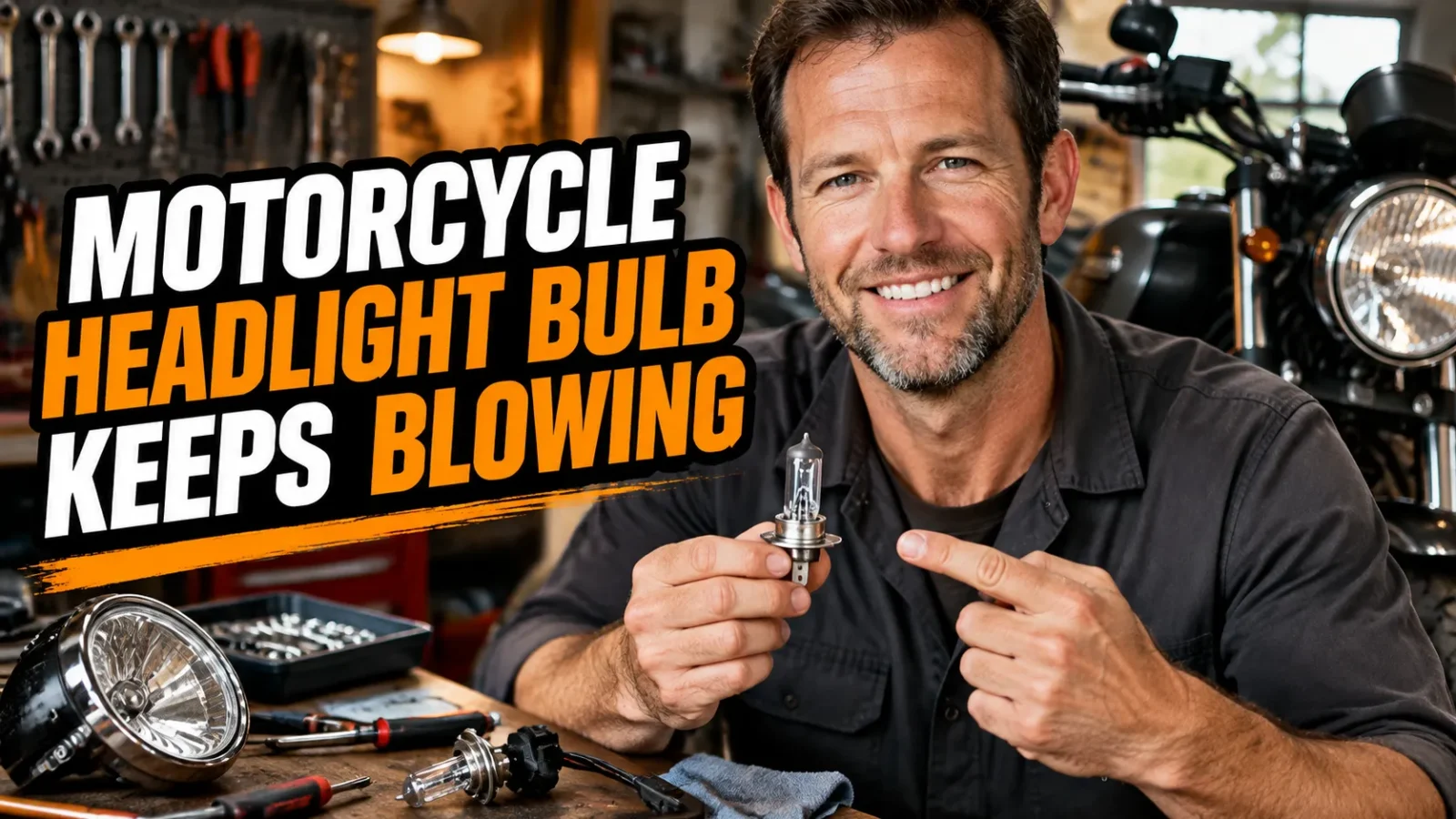
There is nothing more frustrating than swapping in a fresh bulb, riding home feeling pleased with myself, and then watching the light die again two weeks later. I’ve been there, and I know how quickly it turns from annoyance into a safety concern. A motorcycle headlight bulb that keeps blowing is almost never just bad luck.
In my experience, repeated bulb failure is a symptom, and the real culprit is usually hiding in your electrical system. Before you throw more money at bulbs, it helps to understand how your bike generates and stores power, and my breakdown of what are the different types of motorcycle batteries ultimate guide is a great place to start.
In this article, I’ll walk you through every cause I’ve run into, how I diagnose each one, and what I’d do to fix it permanently.
- Overvoltage from a failing regulator/rectifier is the number one cause I see.
- Vibration, loose connectors, and touching the glass are the other big offenders.
- A cheap multimeter test tells you more than swapping bulbs ever will.
- Quality bulbs help, but only after you fix the underlying electrical issue.
- LED upgrades can reduce load, but they won’t cure a charging problem.
Why Headlight Bulbs Fail Early in the First Place
A halogen bulb is a surprisingly simple device. Current passes through a thin tungsten filament, which glows white-hot inside a sealed capsule of halogen gas. That filament is delicate, and it has very little tolerance for abuse.
Three things kill filaments: too much voltage, too much shock, and contamination. Nearly every cause I cover below falls into one of those buckets. Once you think in those terms, diagnosing the problem gets much easier.
Normal Lifespan vs. Real-World Failure
A decent halogen bulb should last somewhere between 500 and 1,000 hours of use. On a bike that gets ridden regularly, that translates into a year or more. If I’m replacing a bulb every few weeks or months, something is definitely wrong.
Cause #1: A Failing Regulator/Rectifier
This is the one I check first, every time. The regulator/rectifier converts your stator’s raw AC output into steady DC and caps the voltage. When it fails, it can let voltage climb well past safe levels.
Even a small overvoltage shortens filament life dramatically. A bulb running at 15 volts instead of 13.8 can lose a huge portion of its lifespan. That’s why bulbs on a bike with a bad regulator seem to pop on a regular schedule.
How I Test It
You only need a basic multimeter. Set it to DC volts, connect it across the battery terminals, and start the engine. Then bring the revs up to about 4,000 RPM and watch the reading.
- 13.5 to 14.5 volts: Healthy charging system.
- Above 15 volts: Regulator is likely failing and overcharging.
- Below 13 volts: Undercharging, which points to the stator or regulator on the other side of the problem.
If you see readings above 15 volts, stop riding the bike at night until it’s sorted. Overvoltage doesn’t just kill bulbs. It can cook your battery and damage other electronics too.
Cause #2: Vibration and Poor Mounting
Singles and big twins shake like crazy, and a hot filament is surprisingly fragile. A bulb that isn’t seated firmly in the reflector will rattle with every bump, and eventually the filament snaps.
I always check that the retaining clip or spring is tight and that the bulb sits flush in the housing. If the headlight bucket itself is loose on its mounts, tighten the brackets and add rubber grommets or washers if they’re missing.
Signs Vibration Is the Culprit
- The bulb fails more often after rough roads or long trips.
- The headlight flickers when you hit bumps.
- The filament looks broken or sagging rather than darkened or blistered.
A broken filament with a clean glass envelope usually points to shock. A blackened or cloudy bulb usually points to heat or voltage.
Cause #3: Touching the Glass
This is the classic rookie mistake, and I made it myself years ago. Skin oils left on a halogen bulb create hot spots when the bulb heats up. Those hot spots weaken the quartz and can cause the bulb to fail within hours.
Always handle a halogen bulb with clean gloves or a lint-free cloth. If you accidentally touch it, wipe it down with isopropyl alcohol and let it dry before installing.
Cause #4: Loose or Corroded Connectors
A bad connection creates resistance, and resistance creates heat and voltage spikes. I’ve seen headlight plugs with melted plastic and scorched terminals that were quietly sabotaging bulbs for months.
Unplug the connector and look closely at the metal contacts. If they look green, brown, or burnt, clean them with contact cleaner and a small brush. Replace the connector entirely if the plastic is discolored or deformed.
My Quick Connector Checklist
- Inspect the terminals for corrosion or discoloration.
- Check that the plug clicks in firmly and doesn’t wiggle.
- Apply a thin layer of dielectric grease to keep moisture out.
- Look for pinched or chafed wires near the steering head.
Cause #5: Wiring Faults and Grounding Problems
A poor ground can make your electrical system behave strangely. Voltage can fluctuate, other lights may dim or flicker, and bulbs can take a beating from the instability. Frame grounds that have rusted or loosened over time are common culprits on older bikes.
Follow the main ground cable from the battery to the frame and engine. Remove it, clean the contact surfaces down to bare metal, and tighten it back up. It’s a cheap fix that has solved more mystery electrical issues for me than I can count.
When Fuses Start Failing Too
If you’re also losing fuses, you may have a short or an overloaded circuit rather than a simple bulb issue. I wrote about exactly this in my guide on why a motorcycle fuse keeps blowing, and the diagnostic steps overlap quite a bit.
Bulbs and fuses dying together is a strong clue that the problem is upstream in the wiring or charging system.
Cause #6: Low-Quality or Wrong Bulbs
Not all bulbs are created equal. Bargain-bin units often have inconsistent filament quality and weak seals, and they simply don’t tolerate vibration or heat as well. I’ve learned the hard way that saving a few dollars here isn’t worth it.
Make sure you’re also using the correct wattage and bulb type for your bike. A higher-wattage bulb than the system was designed for will run hot and draw more current, which strains the wiring. If you want a trusted shortlist, see my picks for the best headlight bulb for motorcycle models.
Choosing a Durable Halogen
If your bike is designed for halogen, I’d stick with a reputable brand that’s built for vibration. My roundup of the best halogen bulb for motorcycle use covers the ones I trust most. Spending a bit more here pays off in longevity.
Cause #7: Battery and Stator Problems
A weak or dying battery can make your charging system work overtime, and the voltage swings that result are hard on bulbs. Sulfated or failing cells can also cause the regulator to behave erratically.
Likewise, a tired stator can produce uneven output that confuses the regulator. If your battery is old, test it and replace it if needed. The right choice depends on your bike and riding style, which is why I keep recommending that battery guide.
Should You Switch to LED?
LEDs run cooler, draw less current, and have no fragile filament to snap. For a bike with vibration trouble or a marginal charging system, they can be a real upgrade. I’ve been very happy with the switch on a couple of my own bikes.
That said, an LED is not a magic bullet. If your regulator is sending 16 volts to the headlight, even an LED driver can fail early. Fix the root cause first, then upgrade.
Picking the Right LED Fitment
Fitment matters a lot. If your bike uses an H4 socket, check out my guide to the best h4 led headlight bulb for motorcycle options. For H7 sockets, my breakdown of the best h7 led headlight bulb for motorcycle picks will point you in the right direction.
Also make sure the LED has adequate heat dissipation and a beam pattern that suits your reflector or projector housing. Poor beam control can blind oncoming riders and drivers.
My Step-by-Step Diagnostic Routine
When someone asks me for help with this problem, I follow the same order every time. It saves money and avoids guesswork. Here is my routine.
- Inspect the failed bulb. Note whether the filament is broken, the glass is dark, or the bulb looks cloudy.
- Check the connector and socket for heat damage, corrosion, or looseness.
- Test battery voltage at rest, then with the engine running at 4,000 RPM.
- Check grounds and clean any questionable connections.
- Confirm the bulb type and wattage match your manual.
- Install a quality bulb using clean gloves and verify it seats firmly.
If the charging voltage is out of range, I replace the regulator/rectifier before anything else. A new bulb will just die again otherwise.
Preventing Future Failures
Once you’ve solved the problem, a little maintenance goes a long way. I like to check charging voltage a couple of times a year and glance at the headlight connector whenever I’m doing other work. It takes just a few minutes.
- Use dielectric grease on connectors.
- Keep the battery healthy and properly charged.
- Secure the headlight housing so it doesn’t vibrate loose.
- Carry a spare bulb for long trips.
Final Thoughts From My Garage
A headlight that keeps blowing is your bike’s way of telling you something is off. In my experience, the culprit is overvoltage from the regulator more often than anything else, followed closely by vibration and sloppy handling during installation.
Work through the checks in order, resist the urge to keep buying bulbs, and fix the root cause. Do that, and you’ll get back to long nights on the road with a bright, reliable beam, and without the hassle of another roadside bulb swap.
Frequently Asked Questions
Why does my motorcycle headlight bulb keep burning out?
The most common causes are excess voltage from a failing regulator/rectifier, heavy vibration, touching the glass with bare fingers during installation, loose connectors, and poor-quality bulbs. Testing charging voltage at the battery is the best first step.
What voltage should my motorcycle charging system produce?
A healthy system typically reads around 13.5 to 14.5 volts at the battery with the engine running above idle. Readings consistently above 15 volts point to a bad regulator/rectifier that can cook bulbs quickly.
Can touching a halogen bulb with my fingers make it blow?
Yes. Skin oils create hot spots on the quartz glass, which can cause the bulb to weaken, crack, or fail early. Always handle halogen bulbs with clean gloves or a lint-free cloth.
Will switching to an LED headlight stop the bulb from blowing?
LEDs draw less current and run cooler, so they can help, but they will not fix an underlying overvoltage or wiring problem. Solve the root cause first, then upgrade.

Related Articles

Harley Davidson Headlight Problems: What I Learned Fixing Mine in the Dark
Chasing a dead, dim, or flickering Harley headlight? I walk through the real causes, my own diagnostic steps, and the…
Jake Miller
9 min read

Red Oil Light on Your Bike: How Many Seconds Do You Actually Have?
Is it too late when the oil light comes on? After nearly losing an engine to a 30-second delay, here's…
Jake Miller
10 min read

Best HID Kits for Motorcycles: How I Choose the Right One for Night Riding
Wondering which HID kit suits your bike? I break down wattage, color temperature, ballasts, legality, and wiring so you can…
Jake Miller
9 min read