
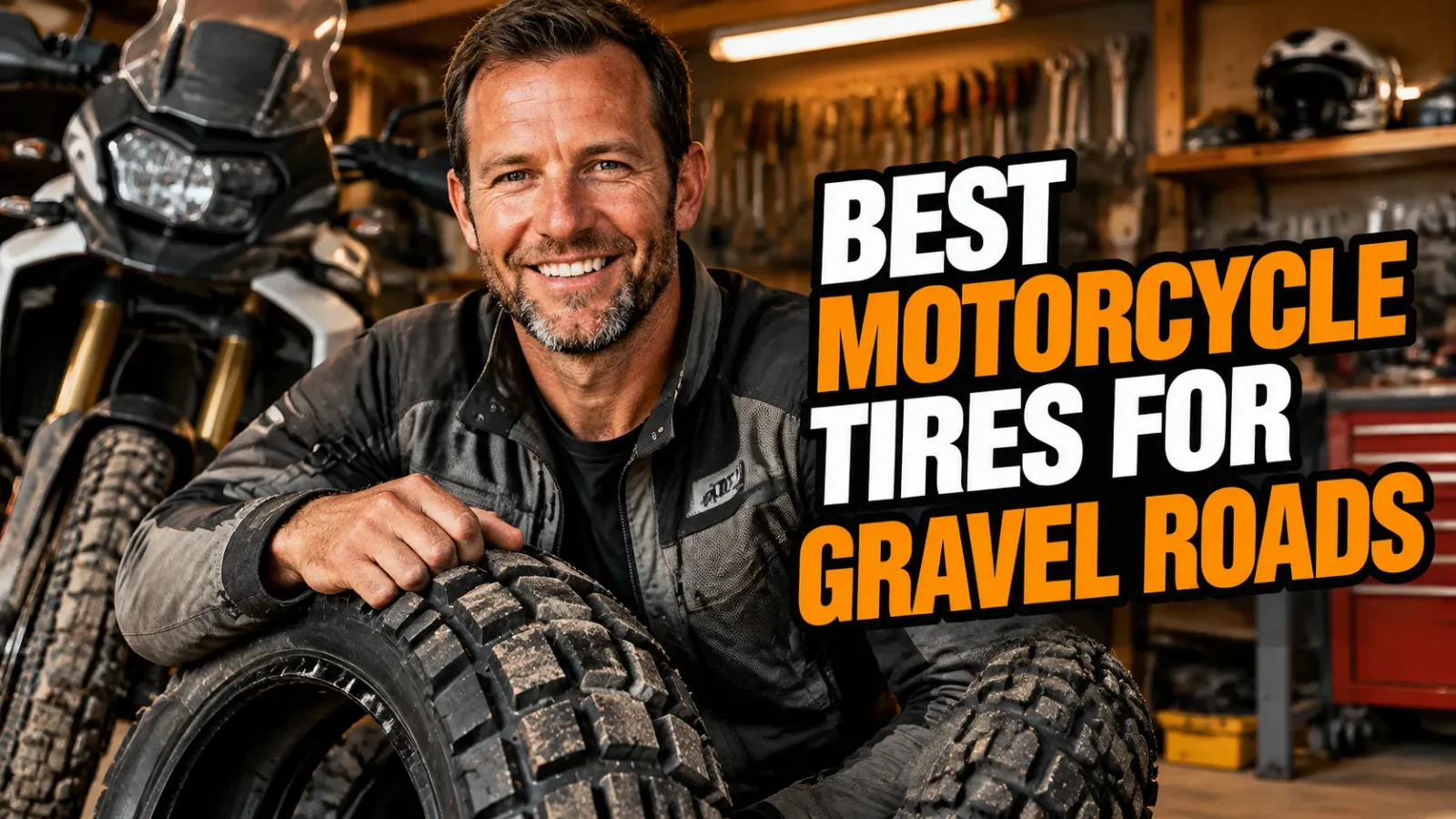
I’ve spent more seasons than I can count rattling down washboard county roads, crossing loose gravel passes and slithering through fresh-graded fire roads. If there’s one thing I’ve learned, it’s that your tires matter more than your suspension, your bike, or your bravery. The right rubber turns a sketchy surface into a confident, grin-inducing ride.
Gravel is deceptive. One mile it’s hard-packed and grippy, the next it’s ball-bearing loose with a deep windrow down the middle. A good gravel tire has to handle all of it, and still get you home on pavement without feeling like you’re riding on Lego bricks.
Below are the eight tires I’d genuinely mount on my own bike, with honest notes on where each one shines and where it doesn’t. I’ve mixed street-biased and off-road-biased options because “gravel” means something different depending on your route.
- My best all-rounder is the Michelin Anakee Wild, with strong gravel bite and good road manners.
- For serious off-road traction, the Continental TKC 80 and Metzeler Karoo 4 are my go-tos.
- If you ride mostly pavement with the occasional gravel road, the Bridgestone Battlax Adventure A41 or Pirelli Scorpion Rally STR makes more sense.
- For long-distance mileage, I trust the Heidenau K60 Scout.
- Match the tire to your real riding split, not your fantasy one.
1. Michelin Anakee Wild — Best Overall for Mixed Gravel and Pavement
If I could only pick one tire for the typical adventure rider, it would be the Michelin Anakee Wild. It’s built for a roughly even split between road and off-road, and that’s exactly the sort of riding most of us do. I’ve leaned on it across hardpack, loose gravel and long highway slogs to get to the good stuff.
Why I Like It
The Anakee Wild uses a block pattern that digs into loose gravel without feeling nervous on asphalt. On a hard-packed forest road, it hooks up predictably and slides in a controlled, progressive way when you push it. That communication is what builds confidence.
It’s also noticeably more composed at speed than a full knobby. Ridden sensibly, it doesn’t wobble or squirm on the highway.
Where It Falls Short
In deep, soft gravel or sand, the Anakee Wild gives up some ground to more aggressive tires. It’s a compromise tire, and I’m fine with that. Expect pricing in the mid-to-upper range per set, which I think is fair for the versatility.
2. Metzeler Karoo 4 — Best for Aggressive Off-Road Gravel Riding
The Metzeler Karoo 4 is the tire I reach for when the gravel gets rough and the route leans more dirt than pavement. It’s the latest in a lineage of well-respected off-road-leaning adventure tires, and it carries that heritage well.
Real-World Performance
The Karoo 4’s taller, more widely spaced knobs clear mud and loose gravel efficiently, and the tire bites hard when you’re climbing or accelerating out of corners. On rutted roads, it tracks with a reassuring, planted feel.
I’ve found it surprisingly tolerant on pavement for what it is, but don’t expect street-tire grip in the cold or wet. It’s a tire that rewards a lighter hand on the brakes on asphalt.
Who Should Buy It
This is for riders who spend most of their time off the pavement but still need to link sections on tarmac. If your bike is a mid-weight adventure machine like a KTM 890 Adventure or a Honda Africa Twin, it’s a great fit.
3. Continental TKC 80 — Best Knobby for Loose and Technical Surfaces
The Continental TKC 80 is a legend for a reason. Its big, chunky blocks are unmistakable, and when the surface turns loose, deep or muddy, few tires pull as hard. I’ve run these on remote gravel tracks where nothing else felt quite as confident.
Strengths
Straight-line traction under power is superb. The knobs shed mud and loose stones cleanly, and the tire inspires confidence when you’re standing on the pegs and picking your way through loose terrain.
The sidewall construction is also tough, which matters when you’re hammering over sharp rocks on a heavy bike.
Trade-Offs
On pavement, the TKC 80 is vocal and vague. Wear is quick if you spend lots of time on asphalt, and wet-road grip is nothing to brag about. If your commute includes highway, think carefully, because you’ll feel it. For wet-weather balance, I’d rather point you to my notes on the best motorcycle tires for wet and dry roads.
4. Dunlop Trailmax Mission — Best Value Dual-Sport Gravel Tire
The Dunlop Trailmax Mission is the tire I recommend to riders who want solid gravel ability without a premium price. It’s designed as a 50/50 adventure tire, and it delivers dependable, no-drama performance.
What Stood Out
On packed gravel and dirt roads, the Trailmax Mission grips predictably and tracks straight. It’s quieter and more comfortable on pavement than many knobbier rivals, which makes day-long mixed rides much more pleasant.
For the money, I think it’s hard to beat. It’s a smart choice if you want to replace tires regularly and don’t want to bleed your wallet.
Limitations
It won’t match a TKC 80 in deep loose terrain, and it’s not my pick for heavy mud. But for forest service roads and country gravel, it’s a genuinely capable all-rounder.
5. Pirelli Scorpion Rally STR — Best for Street-Biased Gravel Riders
Not everyone’s gravel is a major expedition. If your routes are 80 percent pavement with a few dirt connectors, the Pirelli Scorpion Rally STR is a smart pick. It’s built to feel at home on the road while still handling light off-road duty.
Road Manners
Lean angle confidence on pavement is the Rally STR’s party trick. It turns in cleanly, grips well in the wet, and doesn’t hum like a knobby. If you love carving twisty tarmac, you may also enjoy my roundup of the best motorcycle tires for cornering.
Gravel Capability
On well-maintained gravel and hardpack, it’s perfectly fine. In deep, loose stuff, it can feel out of its depth, so be realistic about your terrain. Within its intended use, it’s a joy.
6. Mitas E-07+ — Best Budget-Friendly Adventure Tire for Gravel
The Mitas E-07+ is a tire I’ve come to respect. It’s a 50/50 adventure tire from a Czech manufacturer that has quietly earned a following among riders who want great value and honest performance.
Why It Works for Gravel
The tread pattern bites into loose surfaces with confidence and offers a stable, predictable feel at moderate speeds. It also tends to be easier on the wallet than the big-name rivals, which I appreciate when planning a big trip.
Considerations
Wet pavement grip is acceptable but not class-leading, so ride accordingly. It’s a pragmatic choice rather than a flashy one. If you’re weighing brand reputation as part of the decision, I’ve outlined my thoughts on the best brand for motorcycle tires.
7. Heidenau K60 Scout — Best for Mileage and Heavy Loaded Bikes
When I’m loading up a heavy adventure bike for a multi-week trip, the Heidenau K60 Scout is the tire that makes me relax. It’s famous for its long life and stout construction, and it’s been a favorite on big touring bikes for years.
Durability Is the Point
The K60 Scout uses a hard-wearing compound and a robust carcass that holds up under heavy luggage and long highway stints. Many riders get far more mileage out of it than they do from softer, grippier alternatives.
Compromises
The trade-off is outright grip. It’s a stable, reassuring tire on gravel, but it won’t feel as sticky as softer compounds when pushed. For riders who value longevity and load capacity over ultimate bite, it’s a great choice. If outright traction is your priority, take a look at the best grip tires for motorcycle use.
8. Bridgestone Battlax Adventure A41 — Best for Light Gravel on Big Touring Bikes
The Bridgestone Battlax Adventure A41 rounds out my list as the pick for riders on heavier road-oriented adventure bikes who only occasionally venture onto gravel. It’s a dual-purpose tire that leans toward pavement comfort.
Where It Excels
On the road, it’s smooth, quiet and stable, with good wet-weather confidence. It handles smooth gravel roads and graded dirt without fuss, and I’ve found it comfortable on long days in the saddle.
Where It Doesn’t
Deep gravel, ruts and mud are not its domain. Treat it as a touring tire that tolerates gravel rather than a true off-road performer. That honesty about its role is why it earns a place here.
How I Choose Tires for Gravel Roads
Picking the right tire is less about brand loyalty and more about honestly assessing your riding. Here’s the framework I use every time I’m shopping.
Be Honest About Your Road-to-Dirt Ratio
If you ride 80 percent pavement, a street-biased tire like the Pirelli Scorpion Rally STR or Bridgestone Battlax Adventure A41 will serve you better. If you’re 50/50, the Michelin Anakee Wild, Dunlop Trailmax Mission or Mitas E-07+ hit the sweet spot.
For 70 percent dirt or more, step up to the Metzeler Karoo 4 or Continental TKC 80.
Consider Your Bike’s Weight
A loaded 500-pound adventure bike puts very different demands on a tire than a 300-pound dual-sport. Heavier bikes benefit from stiffer carcasses and harder compounds, which is why the Heidenau K60 Scout is so popular among big-bike riders.
Think About Weather
Knobby tires lose a lot of wet-pavement confidence. If you commute in the rain, favor a 50/50 or street-biased pattern, and brush up on the best motorcycle tires for wet and dry roads before committing.
Don’t Forget Tire Pressure
My Rule of Thumb
Even the best tire performs poorly at the wrong pressure. I typically drop a few psi when I leave the pavement to improve grip and comfort, then air back up for the highway. Always stay within the tire and bike manufacturer’s limits and recheck often.
Tubes, Tubeless and Punctures
Many gravel-capable tires are offered in both tube-type and tubeless-compatible versions, depending on your wheels. Spoked wheels without tubeless-ready rims generally need tubes. I always carry a plug kit, a compact pump and spare tube basics for remote rides.
Common Mistakes I See Riders Make
I’ve made most of these myself, so no judgment. The biggest error is buying the most aggressive tire possible and then hating it on the 200 miles of pavement it takes to reach the trail. Be realistic.
Another is ignoring tire age. Rubber hardens over time, so a tire that looks fresh but is five years old can feel surprisingly slippery. Check the DOT date code before you buy.
Finally, don’t skip the break-in period. New tires have a slick mold-release coating, so ride gently for the first 50 miles or so, especially on loose surfaces.
Final Thoughts: My Pick for Your Next Gravel Adventure
For most riders, the Michelin Anakee Wild remains my top recommendation because it balances gravel traction with real-world road manners. If your riding is deeper into the dirt, the Metzeler Karoo 4 or Continental TKC 80 will reward you with serious bite.
Riders who value value, mileage or road comfort will find great answers in the Dunlop Trailmax Mission, Mitas E-07+, Heidenau K60 Scout and Bridgestone Battlax Adventure A41. And if you want to compare more options for loose terrain, my guide to the best adventure motorcycle tires for gravel goes deeper.
Whatever you choose, ride within your tire’s limits, check your pressures and enjoy the journey. Gravel roads are some of the most rewarding riding there is, and the right tires make every mile better.
Frequently Asked Questions
What type of tire is best for gravel roads on a motorcycle?
For most riders, a 50/50 dual-sport or adventure tire with moderately spaced knobs is best. It bites into loose gravel but still behaves on pavement. Fully knobby tires grip better off-road but wear fast and feel vague on asphalt.
What tire pressure should I run on gravel roads?
Many riders drop 3 to 6 psi below their road pressure to improve grip and comfort on loose surfaces. Always stay within the tire and bike manufacturer limits, and re-inflate when you return to pavement, especially with a heavy load.
Can I run knobby tires on the street?
Yes, but expect longer braking distances, reduced wet grip, faster wear and some vibration. Ride more conservatively in the rain and on cold pavement, particularly with aggressive tires like the Continental TKC 80.
How long do gravel-capable motorcycle tires last?
It varies widely with bike weight, riding style and surface. Hard-compound touring-biased tires like the Heidenau K60 Scout can go well beyond 6,000 miles, while aggressive knobbies often need replacing in a few thousand.

Related Articles

8 Best Cruiser Motorcycle Tires for Street Riding: My Real-World Picks
I rank the 8 best cruiser motorcycle tires for street riding, from Michelin to Pirelli, with real notes on grip,…
 Jake Miller
9 min read
Jake Miller
9 min read

8 Best Michelin Motorcycle Tires for Every Riding Style (Tested Picks)
Looking for the best Michelin motorcycle tires? I break down my 8 favorite models for sport, touring, adventure, cruiser, and…
Jake Miller
9 min read

Yamaha Tire Pressure Guide: The Right PSI for Safer, Smoother Rides
Learn the right tire pressure for your Yamaha, from sportbikes to cruisers and dirt bikes. Check, adjust and maintain PSI…
Jake Miller
9 min read