
9 Best Cold-Weather Motorcycle Gear Picks to Keep You Warm and Protected
 Jake Miller
12 min read
Jake Miller
12 min read
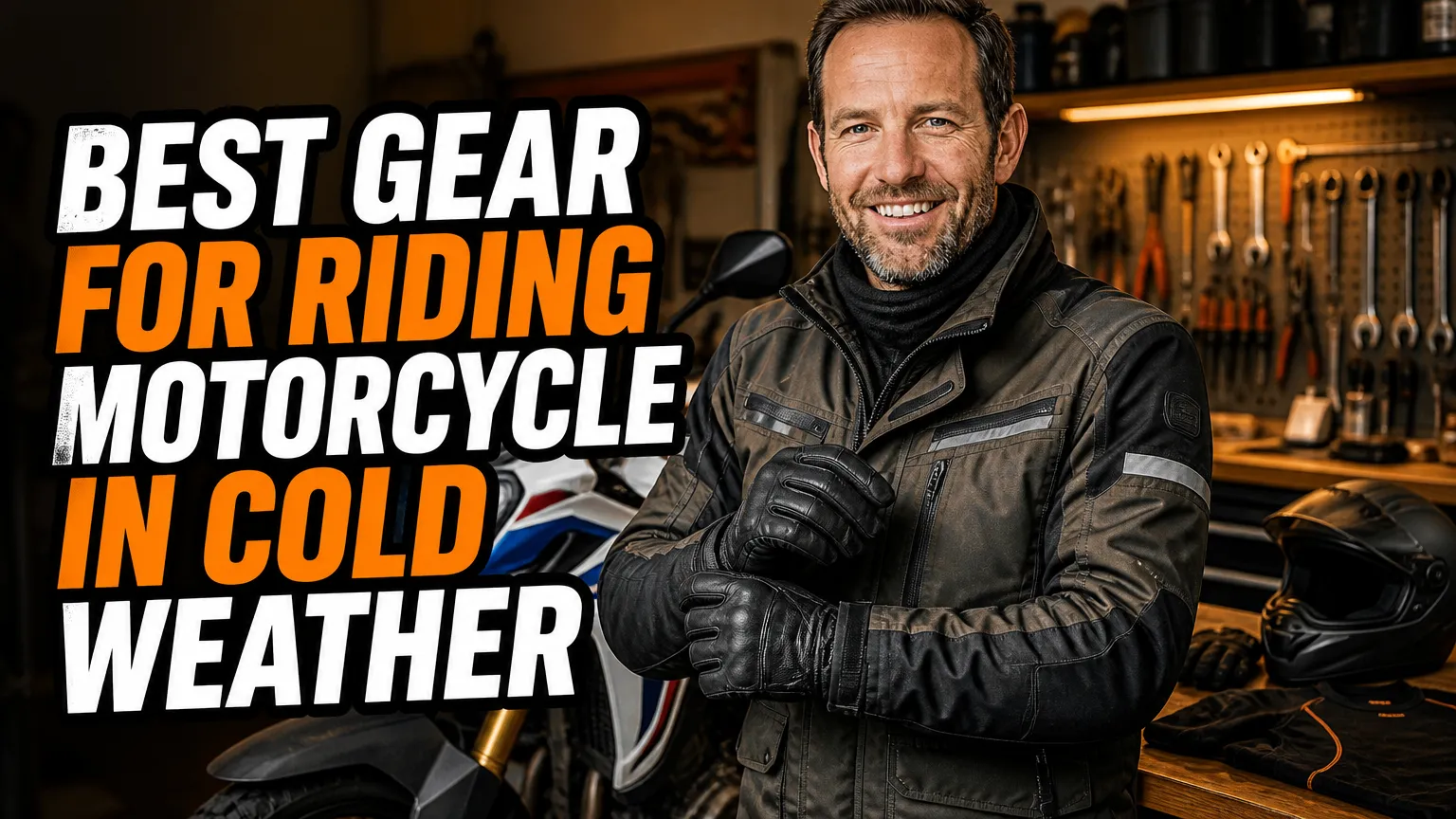
Cold-weather riding can be rewarding, but I’ve learned that staying comfortable takes more than piling on thick clothes. Wind chill, damp layers, cold fingers, and fogged-up visors can turn a good ride into a tiring one, while bulky layers can interfere with protective gear.
My approach is to build a system: a close-fitting base layer, insulation suited to the conditions, a protective outer shell, and dependable coverage for my hands, feet, and head. These are the products I’d consider when assembling a cold-weather setup, along with the fit and safety checks I always make before setting off.
- I use a moisture-wicking base layer, warm insulation, and a windproof protective shell.
- Aerostich’s Darien Jacket and AD1 Pants provide a weather-resistant outer layer with room to layer.
- Heated clothing and gloves help most when the temperature drops, but I check fit and wiring carefully.
- I don’t overlook a warm balaclava, waterproof boots, or a helmet-compatible anti-fog insert.
1. Aerostich Darien Jacket: My Pick for a Weatherproof Outer Shell
When I expect cold wind, rain, or changeable conditions, I want an outer layer that blocks the weather without forcing me to wear an excessively thick jacket. The Aerostich Darien Jacket is a rugged touring shell made with abrasion-resistant textile and a waterproof, breathable GORE-TEX membrane. Its roomy cut is useful for layering, but I still make sure the finished fit isn’t loose enough to let the jacket shift around.
I like the Darien’s practical touring design, including its pockets and vents, because I can adjust it as temperatures and effort levels change. It is not insulated, so I treat it as the protective weather barrier rather than the warmth layer. I also check the exact configuration before buying: armor availability and included equipment can vary, so I confirm that the jacket has compatible impact protection fitted where I need it.
How I’d layer underneath it
I wear a thin base layer directly against my skin, then add a mid-layer if the forecast calls for it. That gives me more control than relying on one bulky garment, and it makes it easier to remove insulation when I stop or the day warms up. Aerostich gear is a substantial investment, so I’d check current prices and sizing directly with the manufacturer or a dealer.
2. Aerostich AD1 Pants: Protective Touring Trousers for Cold, Wet Roads
I pair a weather-resistant jacket with equally dependable lower-body coverage, and Aerostich AD1 Pants are built for that job. They use durable textile construction with a waterproof, breathable GORE-TEX barrier and are designed for riding over regular clothes. That over-pant format is convenient when I want to add protection and weather coverage without changing my entire outfit.
Cold air can work its way through gaps around my waist, knees, and boots, so I pay close attention to the fit of any riding pants. With the AD1 Pants, I check that the waist overlaps the jacket when I’m in my normal riding posture and that the leg openings sit properly over my boots. As with the Darien, I confirm the specific armor package and included knee protection before I purchase.
My fit check before riding
I sit on the motorcycle in the pants, bend my knees, and check that the knee armor stays centered. I also test the closures over the boots I plan to wear, because a trouser leg that rides up can let cold air and water in. I don’t add so many layers underneath that the pants become tight or restrict movement.
3. Gerbing 12V Heated Jacket Liner: Active Warmth for Long Rides
For cold rides where passive insulation isn’t enough, I consider a motorcycle-specific heated liner. Gerbing’s 12V Heated Jacket Liner is designed to connect to a motorcycle’s electrical system and uses heating elements across multiple areas of the torso and arms. I appreciate that a liner can warm me without requiring an especially bulky mid-layer.
Before buying, I check the particular liner’s wiring, controller requirements, and compatibility with my bike’s electrical output. A controller gives me a way to adjust heat as conditions change, and I prefer to start at a modest setting rather than running everything at full power. I route cables so they won’t snag, interfere with steering, or catch on the motorcycle when I get off.
What I keep in mind with heated clothing
I treat a heated liner as one part of the system, not a substitute for an insulating layer or a windproof outer shell. I also inspect the wiring and connectors regularly and follow the manufacturer’s instructions for use. If I feel uncomfortable, unusually hot, or notice a fault, I switch it off and stop somewhere safe to check the setup.
4. Alpinestars HT-7 Heat Tech Drystar Gloves: Heated Hands with Weather Protection
Cold hands can make it harder for me to operate the controls comfortably, so I give gloves special attention. The Alpinestars HT-7 Heat Tech Drystar Gloves combine a heated design with the brand’s Drystar waterproof and breathable membrane. They’re a useful option when I want built-in warmth as well as coverage from wet weather.
The HT-7 is designed around a rechargeable battery system and adjustable heat settings, although I always verify the current package contents and battery details before ordering. I test the gloves on the bike before a long ride: I want to reach every switch, hold the grips securely, and operate the brake and clutch without the gloves pulling or bunching. I also check the cuff overlap with my jacket sleeves to limit drafts.
Why glove fit matters to me
Warmth is only helpful if I can still control the motorcycle. I avoid choosing gloves that are so thick or tight that they reduce my dexterity, and I make sure any armor sits where it should when my hands are on the bars. Battery care matters, too, so I charge and store the batteries as directed rather than leaving them in a freezing garage.
5. Dainese D-Core Thermo LS: A Close-Fitting First Layer
I start the clothing system next to my skin, where moisture management matters. The Dainese D-Core Thermo LS is a long-sleeved thermal base layer designed for riding. I like the idea of a close-fitting layer that can move sweat away from my skin while adding a little insulation under my jacket.
On a cold ride, damp fabric can make me feel chilled even when my outer gear is waterproof. I choose the D-Core Thermo LS in a size that sits comfortably under my other layers without bunching at my wrists, waist, or elbows. If I expect a long day, I bring a dry spare base layer for changing into after a wet or sweaty stretch.
How I build a useful layer stack
I don’t treat a thermal base layer as a complete cold-weather solution. I combine it with an insulating mid-layer when needed and a protective shell that blocks wind and rain. This lets me adapt to changing conditions without adding so much bulk that my jacket armor or riding position is affected.
6. KLIM Arctic Balaclava: Extra Coverage for My Neck and Face
A draft around my neck can make the whole ride feel colder, so I include a balaclava in my cold-weather kit. The KLIM Arctic Balaclava is made for cold conditions and uses GORE WINDSTOPPER fabric in its construction. I find this style of face and neck coverage helpful under a helmet, especially when I’m riding in steady wind.
Fit is critical: I make sure the balaclava doesn’t bunch up under my helmet or press uncomfortably against my face. I also keep the chin area positioned so it doesn’t block the helmet’s ventilation or interfere with the visor. If the fabric gets damp from breath or perspiration, I dry it before the next ride rather than starting with a cold, wet layer.
My helmet comfort check
I put on the balaclava and helmet together before heading out, then turn my head and check my full range of motion. I confirm that the helmet still fits securely and that the balaclava doesn’t affect the cheek pads, chin strap, or seal. If it changes the helmet fit, I adjust the layer or choose a thinner design.
7. Sidi Adventure 2 Gore-Tex Boots: Dry, Supported Feet
My feet lose warmth quickly if my boots let in water or cold air. The Sidi Adventure 2 Gore-Tex Boots are touring and adventure-style boots with a GORE-TEX waterproof membrane, protective structure, and a design intended for riding in varied conditions. I like that they combine weather protection with substantial coverage around the foot and lower leg.
Even a waterproof boot can feel cold if it’s too tight over thick socks, so I try the Sidi Adventure 2 Gore-Tex Boots with the socks I actually ride in. I check that my toes can move, the closures are secure, and I can operate the shift lever and rear brake naturally. I also look up the current certification and model details for the version sold in my region.
Keeping warmth without squeezing my feet
I choose warm socks that fit smoothly rather than doubling up with layers that crowd my toes. Restricted circulation can leave my feet colder, not warmer, and tight boots can make riding uncomfortable. I dry the boots thoroughly after wet rides and follow Sidi’s care guidance for the membrane and materials.
8. Pinlock 120XLT Insert: A Clearer View When Temperatures Drop
Cold air and warm breath can fog a visor quickly, so I consider an anti-fog insert an important part of my setup. The Pinlock 120XLT is a specific Pinlock lens insert designed for compatible helmet visors. It creates a sealed area that helps reduce fogging, but it is not universal: I match the insert to the exact helmet and visor model.
I install it according to the manufacturer’s instructions and check that the seal sits evenly. A poorly fitted insert may not perform as intended, and I avoid touching or cleaning its inner surface with products that could damage it. I still use the helmet’s vents and keep my breath directed away from the visor as much as possible.
What I check before a ride
I confirm that the visor locks and opens normally after installation, then check visibility in daylight and low light. If the insert is scratched, loose, or no longer sealing correctly, I replace or refit it rather than relying on it in poor visibility. I also keep the visor itself clean, because an anti-fog insert can’t fix grime or scratches.
9. REV’IT! Acid 3 H2O: A Packable Extra Barrier for Wet Weather
Even with waterproof riding gear, I like having a lightweight rain layer available for changing conditions. The REV’IT! Acid 3 H2O is a waterproof over-suit designed to go over riding clothing, making it an option for carrying as backup on a tour. I value packable rain gear because a wet outer surface can feel cold and heavy, even when the layers underneath remain dry.
I check the fit over my actual jacket and pants rather than judging it over ordinary clothes. The suit needs enough room to go over protective gear without flapping excessively, and it must not restrict my arms, knees, or ability to reach the controls. I also make sure the cuffs and openings work with my gloves and boots to reduce the chance of water tracking inside.
When I’d pack it
I carry an over-suit when the forecast is uncertain or I’ll be far from shelter. It doesn’t replace abrasion-resistant riding gear, and I never wear a loose rain layer that could catch in moving parts. I check the garment for damage and test its closures before I rely on it during a long trip.
How I Put My Cold-Weather Setup Together
I build from the inside out: a dry base layer, insulation matched to the forecast, and a protective outer layer that blocks wind and rain. Then I check the openings at my collar, wrists, waist, and ankles, since small gaps can create a surprising amount of chill. Heated gear is useful for me on colder rides, but I use it alongside suitable clothing rather than in place of it.
Before leaving, I sit on the bike and test my posture, steering, and control reach in every layer. I confirm that armor remains in position, gloves let me operate the controls, and boots don’t interfere with shifting or braking. If any item feels restrictive or changes the fit of my protective equipment, I adjust the setup before riding.
My Final Take
The best cold-weather motorcycle gear is the setup that keeps me warm and dry while still fitting correctly and allowing confident control. I’d start with a protective shell, a moisture-managing base layer, and well-fitting gloves and boots, then add insulation or heated gear for the temperatures I actually ride in.
I also plan for visibility and changing weather. A compatible Pinlock insert, a well-positioned balaclava, and packable rain gear can make a noticeable difference, but none of them replace careful fit checks or attentive riding. I test new gear on shorter rides first so I can make adjustments before relying on it for a long winter trip.
Frequently Asked Questions
What is the best way to dress for a cold motorcycle ride?
I start with a moisture-wicking base layer, add insulation, then use a protective, windproof outer layer. I also protect my hands, feet, and neck.
Are heated motorcycle gloves worth it?
In my experience, heated gloves can make a major difference on long, cold rides. I still look for a secure fit, protective construction, and weather resistance.
Can I wear too many layers under motorcycle armor?
Yes. I check that my jacket and pants still fit correctly and that armor stays in place after layering. Bulky clothing can affect both comfort and protection.
How do I stop my motorcycle helmet visor from fogging?
I use a Pinlock insert that is specifically compatible with my helmet, keep the visor vents clear, and avoid covering the chin vent with a neck warmer.

Related Articles

5 Motorcycle Wrist Braces and Guards I’d Choose for Confident Riding
Compare five wrist braces and guards I’d consider for street and dirt riding, with fit, support, glove compatibility, and buying…
Jake Miller
11 min read

7 Under Armour Base Layers I’d Choose for Comfortable Motorcycle Rides
Discover seven Under Armour base layers for hot and cold rides, plus my fit tips and safety advice for wearing…
Jake Miller
10 min read

8 Best Motorcycle Base Layers for Staying Warm on Cold Rides
Compare eight rider-ready thermal base layers, from merino to synthetic options, with fit, warmth, layering advice, and picks for cold-weather…
Jake Miller
11 min read