
8 Best Heated Motorcycle Gear Picks for Longer, Warmer Cold-Weather Rides
 Jake Miller
11 min read
Jake Miller
11 min read
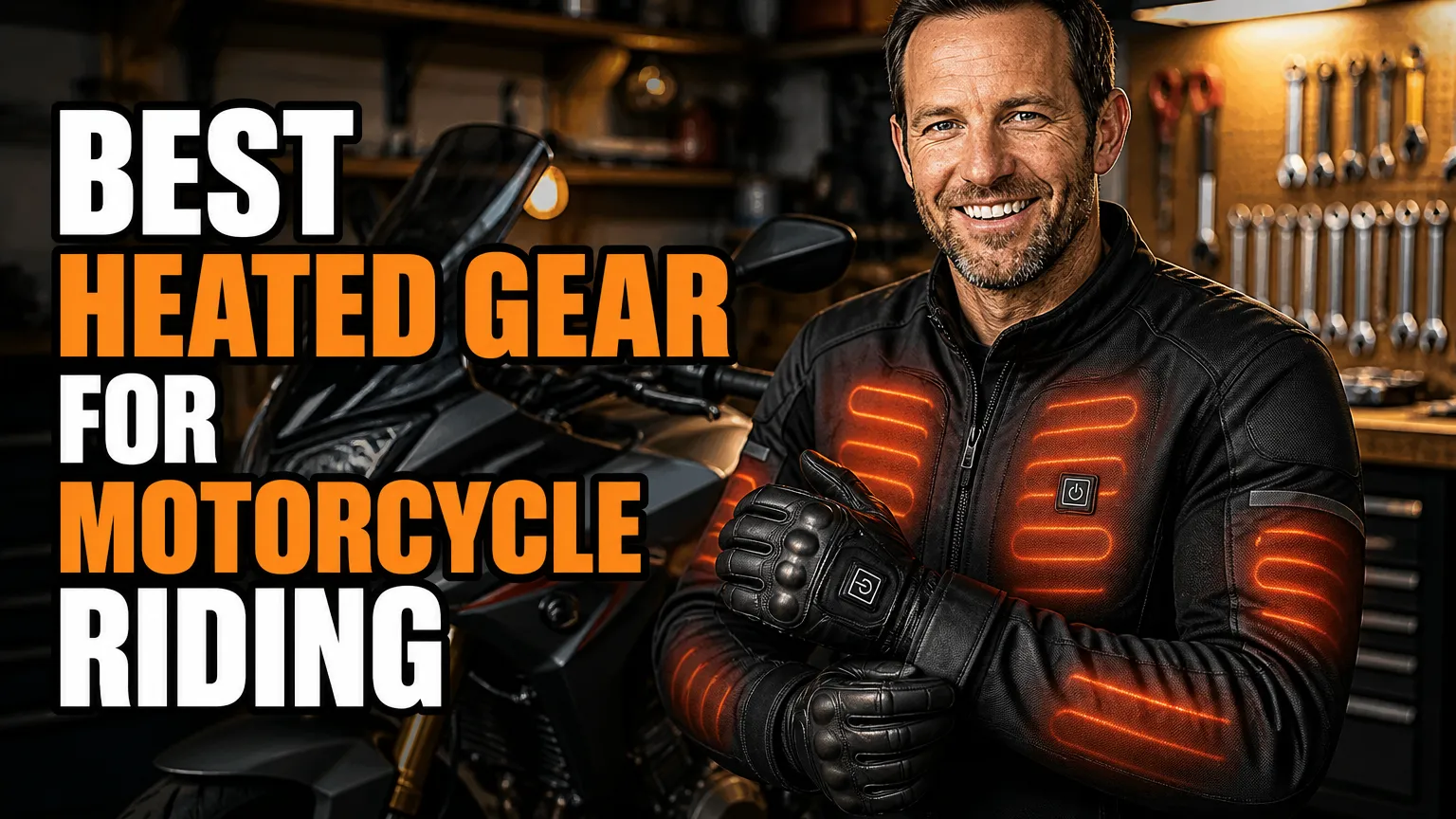
When the temperature drops, I don’t rely on piling on bulky layers and hoping for the best. Properly chosen heated gear can keep my hands and core comfortable without making it harder to move, and that can make a cold-weather ride much more enjoyable.
In this guide, I’ve picked eight specific heated products I’d consider for motorcycle riding, from full jacket liners to gloves and pants. I focus on practical differences, power needs, fit and typical price ranges, so you can choose gear that suits your bike and the kind of rides you take.
- I’d start with a 12-volt jacket liner to warm my core and, on compatible systems, power other heated layers.
- For cold hands, I’d choose heated outer gloves for convenience or glove liners for a slimmer fit.
- I check wattage, battery capacity and connector compatibility before plugging in any heated clothing.
- A close, comfortable fit under protective motorcycle gear matters as much as the heating elements.
1. Gerbing 12V Heated Jacket Liner — My Versatile Core Layer Pick
When I’m choosing one piece of heated gear to build around, I look first at a 12-volt jacket liner. The Gerbing 12V Heated Jacket Liner is a well-known option designed to be worn beneath a motorcycle jacket, bringing warmth close to my torso rather than adding another bulky outer layer.
Gerbing uses its Microwire heating technology in its heated clothing range. The liner is intended to connect to a 12-volt power source, typically the motorcycle battery through a fused harness. Depending on the version and retailer, I’ve seen jacket liners priced roughly in the $200–$300 range, before adding a controller or other accessories.
Why I’d choose it
I like the liner format because it can fit beneath protective outerwear, and a core-warming layer can make a bigger difference to my comfort than adding thickness everywhere. Gerbing’s system is also designed to work with compatible heated accessories, which can simplify a setup if I want to add gloves or pants later.
Before buying, I’d confirm the exact version, included cables and controller requirements. I’d also check that the liner fits close to my body without pulling at the shoulders or restricting my riding position; a loose fit can make heat feel less effective.
2. Warm & Safe Gen 4 Heated Jacket Liner — My Premium Controller-Friendly Choice
The Warm & Safe Gen 4 Heated Jacket Liner is another established 12-volt layer I’d consider for regular cold-weather riding. Warm & Safe offers heated clothing and temperature-control options, so I’d look closely at which controller and wiring accessories are bundled with the particular liner I’m buying.
I’d expect a premium heated liner to cost around $250–$350, though configuration, retailer and seasonal availability can change the final price. The main appeal for me is the chance to build a coordinated system rather than mix incompatible plugs and controls from different brands.
What I’d check before ordering
I’d compare the liner’s stated power draw with my motorcycle’s available electrical output, especially if I plan to run heated gloves, pants or other accessories at the same time. I’d also make sure I understand whether the advertised setup includes a temperature controller, because that can be an important extra cost.
For me, the Gen 4 is a strong candidate when I want a dedicated jacket liner and value a system approach. I’d still verify the current manufacturer specifications and sizing chart, since details and package contents can vary between listings.
3. Tour Master Synergy 2.0 Heated Jacket Liner — My Practical Touring Option
I’d consider the Tour Master Synergy 2.0 Heated Jacket Liner for commuting and touring when I want a recognizable motorcycle-gear brand and a purpose-built heated mid-layer. It is designed as part of the Synergy 2.0 heated clothing family, so I’d check compatibility if I planned to pair it with matching heated accessories.
Prices often sit around $150–$250, depending on the retailer and package. That can make it an appealing way to get into 12-volt heated clothing, particularly if I already own suitable outerwear and mainly need warmth beneath it.
My fit and layering notes
I’d wear the liner under a properly sized motorcycle jacket and keep the jacket’s protective armor positioned as intended. Heated clothing should not bunch up or change how my regular jacket fits. If adding the liner makes my shoulders, elbows or chest feel cramped, I’d try a different size or cut.
As with any electrically heated layer, I’d confirm the Synergy 2.0’s power requirements and included connections rather than assuming every package is identical. For longer rides, I’d also want an easy-to-reach controller so I can adjust the temperature without fumbling with layers at the roadside.
4. Keis X10 Heated Jacket — My Standalone Layer Pick
The Keis X10 Heated Jacket is a heated jacket option I’d consider when I want a garment that can work as more than a thin liner. Keis makes electrically heated motorcycle clothing and accessories, and its X10 is designed to connect to a 12-volt supply, including a compatible motorcycle power lead.
Depending on the market and included accessories, I’d budget approximately $200–$300. I’d read the product information carefully to understand which parts of the garment are heated, how its controls work and whether the required motorcycle lead or battery connection is sold separately.
When I’d pick the X10
I’d look at the X10 if I wanted a heated jacket from a dedicated heated-gear brand and expected to use the same system across more than one type of ride. Keis offers a range of compatible heated clothing, so I’d check connectors and accessory support before mixing pieces.
My main fit test would be whether I can wear the X10 comfortably beneath my protective motorcycle jacket. Even a warm garment isn’t a good choice if it compresses uncomfortably, restricts my arms or interferes with the fit of my armor.
5. Gerbing 12V T5 Hybrid Heated Gloves — My Cold-Hand Priority
For many riders, cold fingers become uncomfortable before the rest of the body does. The Gerbing 12V T5 Hybrid Heated Gloves are a specific heated-glove model I’d consider when I want hand warmth from a motorcycle-connected system rather than relying only on thicker unheated gloves.
These gloves are part of Gerbing’s 12-volt heated range. I’d expect a price around $200–$300, depending on the size, retailer and any accessories included. Before ordering, I’d confirm the glove’s power connections and controller needs, then compare the manufacturer’s fit guidance with the gloves I normally wear.
Why outer gloves may suit me
I like the convenience of putting on a heated outer glove without first threading a separate liner inside another glove. I’d still check that the glove gives me a secure grip on the bars and lets me operate switches and levers confidently; warmth is not worth sacrificing control.
I’d also pay attention to cuff length and jacket overlap. A comfortable connection between glove cuffs and jacket sleeves helps me avoid exposed gaps when I’m riding in cold air.
6. Keis G701 Heated Gloves — My Integrated Glove-and-System Option
The Keis G701 Heated Gloves are a named 12-volt option I’d compare with the Gerbing T5 Hybrid. Keis focuses on heated riding clothing, and the G701 is designed for motorcycle use, making it a sensible model to investigate if I’m already considering other Keis heated layers.
I’d allow roughly $200–$300 for a pair, while checking the current listing for the exact features, power leads and control arrangement. Heated-glove specifications can differ by model and market, so I wouldn’t assume details such as waterproof construction or insulation without confirming them for the particular G701 version.
How I’d decide between glove models
I’d try to compare the G701 and any alternative with the same base layers, jacket cuffs and riding posture I use on the road. I want the fingers to reach the ends of the glove naturally, with no tight spots that might make my hands uncomfortable or limit movement.
If I already own Keis gear, I’d check whether the connectors and controls fit my existing setup. If I don’t, I’d compare the complete system cost, including the gloves, wiring harness and any separate controller—not just the advertised price of the gloves.
7. Warm & Safe Heated Glove Liners — My Slim-Layer Choice
If I want to keep wearing a familiar outer glove, I’d consider Warm & Safe Heated Glove Liners. They’re designed to be worn inside another glove, giving me a lower-profile alternative to buying a full heated outer glove. I’d be especially careful about sizing because two gloves worn together can quickly feel too tight.
Prices commonly fall in the $100–$200 range, though I’d check the latest listing for the exact model and included connections. Warm & Safe sells heated clothing components and controls, so I’d make sure the liners will connect to the power system I plan to use.
My comfort check
I’d put the liner on first, then my normal riding glove, and make sure I can still bend my fingers freely and hold the controls securely. If the combined fit compresses my fingers, I’d choose a roomier outer glove or switch to a dedicated heated-glove model.
For me, glove liners make the most sense when my existing gloves fit well, provide the weather protection I want and leave enough room for an extra layer. They’re less appealing if they make my hands feel crowded or complicate getting dressed.
8. Gerbing 12V Heated Pants Liner — My Lower-Body Add-On
When a jacket liner and gloves aren’t enough, I’d look at the Gerbing 12V Heated Pants Liner. It’s designed to add electrically powered warmth to the lower body beneath riding trousers, giving me another layer to consider for long rides in cold conditions.
I’d budget roughly $200–$300, depending on the current version and what the retailer includes. As with the matching jacket liner, I’d verify the exact power draw, connectors and compatibility details before assuming it will work with my existing Gerbing setup.
When I’d add heated pants
I’d put heated pants lower on my shopping list than a jacket liner or gloves unless my legs are regularly getting cold. They can be useful on longer or more exposed rides, but I’d first make sure my riding trousers fit comfortably over them and still allow me to move naturally.
I’d also plan the electrical load before connecting several heated garments at once. My motorcycle’s charging system has a limit, and I’d leave enough room for the bike’s own electrical needs rather than treating every accessory as unlimited free power.
How I Choose Heated Gear for the Bike I Ride
I start with the problem area
I’d begin by noticing what gets cold first. If it’s my hands, I’d compare the Gerbing T5 Hybrid, Keis G701 and Warm & Safe glove liners. If my whole upper body is uncomfortable, I’d begin with a jacket liner and add other pieces only if I need them.
I also consider the kind of ride I’m planning. A short commute may call for a straightforward setup, while a long tour in changing temperatures can make a temperature controller and compatible layers more valuable.
I check electrical capacity and connections
Before buying, I’d look up the product’s wattage or current draw and compare it with my motorcycle’s charging-system capacity. I’d also confirm that the bike has enough reserve for lights, electronics and other accessories, and use the manufacturer-recommended fuse and wiring.
Connection compatibility matters, too. I’d check whether each garment needs a direct battery lead, a specific controller or a compatible connector, and I’d avoid assuming that similar-looking plugs will work together.
I prioritize fit and protection
I want heated layers to sit comfortably under my riding gear, without bunching or changing how the jacket or trousers fit. I’d follow the sizing chart and check that my armor stays in the right position when I’m seated on the motorcycle.
Finally, I treat heated clothing as an addition to proper riding equipment, not a replacement for it. For me, the best setup is the one that stays comfortable, works with my bike’s electrical system and lets me ride with full control.
Frequently Asked Questions
What heated gear should I buy first for motorcycle riding?
I usually start with a 12-volt heated jacket liner because it warms my core and often connects to compatible gloves.
Can I wear heated motorcycle gear under regular riding gear?
Yes. I wear heated layers under properly fitted motorcycle clothing, making sure the extra layer does not restrict movement or interfere with armor.
Does heated motorcycle gear drain the motorcycle battery?
It can if the gear draws more power than the charging system has available. I check the manufacturer’s wattage and my motorcycle’s electrical capacity before connecting it.
Are 12-volt heated gloves better than heated glove liners?
I prefer outer heated gloves for convenience and weather protection; glove liners can be a slimmer option when they fit comfortably beneath my existing gloves.

Related Articles

5 Motorcycle Wrist Braces and Guards I’d Choose for Confident Riding
Compare five wrist braces and guards I’d consider for street and dirt riding, with fit, support, glove compatibility, and buying…
Jake Miller
11 min read

7 Under Armour Base Layers I’d Choose for Comfortable Motorcycle Rides
Discover seven Under Armour base layers for hot and cold rides, plus my fit tips and safety advice for wearing…
Jake Miller
10 min read

8 Best Motorcycle Base Layers for Staying Warm on Cold Rides
Compare eight rider-ready thermal base layers, from merino to synthetic options, with fit, warmth, layering advice, and picks for cold-weather…
Jake Miller
11 min read