
Best Motorcycle Gloves for $100: My Top Picks That Won’t Break the Bank
 Jake Miller
9 min read
Jake Miller
9 min read
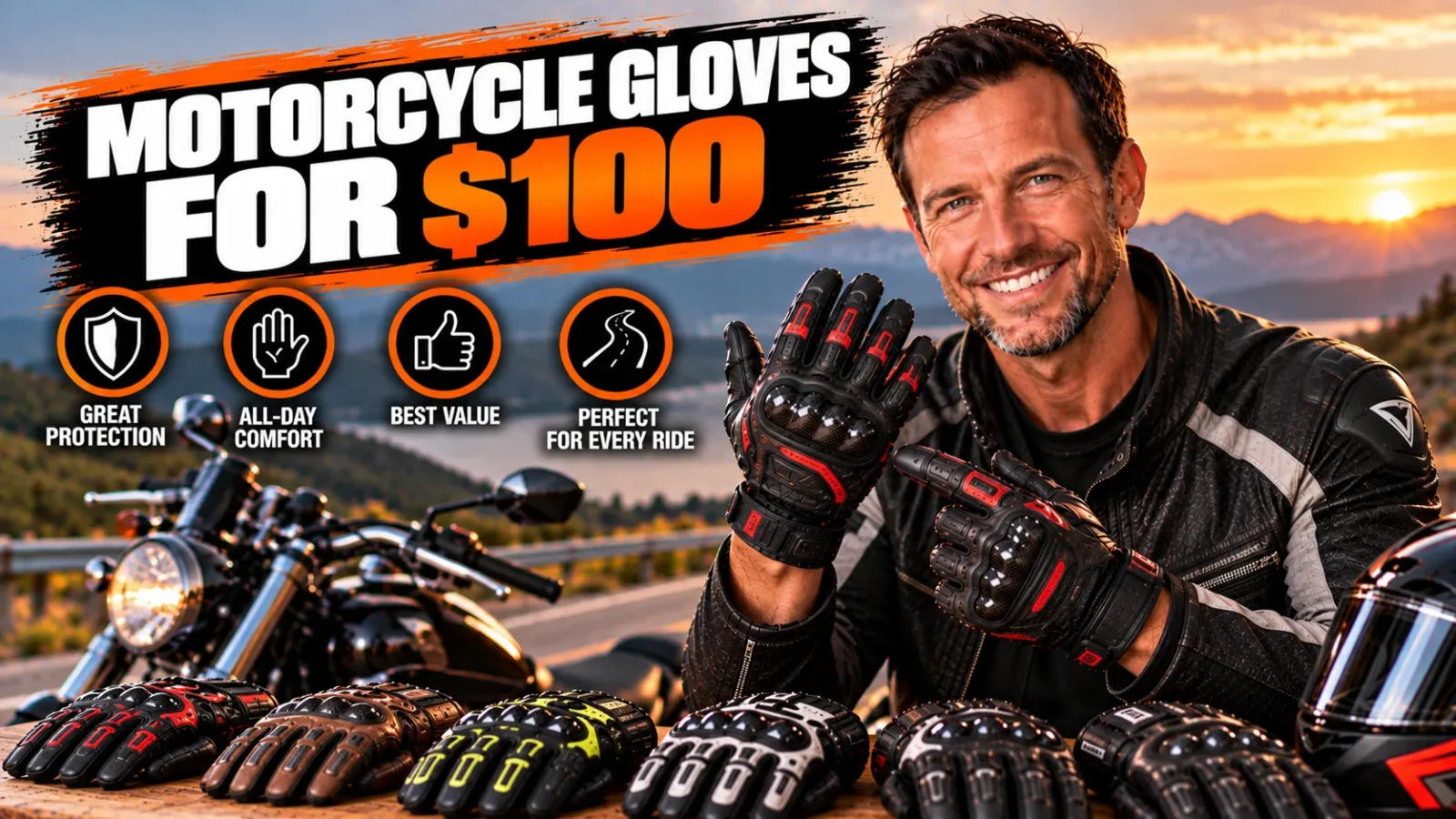
I’ve probably bought and returned more motorcycle gloves than I’d like to admit. Somewhere along the way, I noticed a pattern: the sweet spot for genuinely good protection, comfort, and materials sits right around the $100 mark.
Go too cheap, and you’re rolling the dice on stitching quality and armor that might crack the first time you tip over. Go way above $100, and honestly, you’re often just paying for a logo. I’ve tested gloves across this exact price range for years of daily commuting, weekend canyon runs, and long highway hauls, and I want to share what actually held up.
Before we dive in, if you want the full breakdown on materials, certifications, and fit, I’d strongly recommend checking out my Ultimate Guide to Motorcycle Gloves. It’s the resource I wish I had when I started riding.
- $100 is the sweet spot for real leather, solid armor, and reliable stitching without overpaying for brand hype
- My top picks balance protection, breathability, and grip for street, sport, and touring riding
- Fit matters more than price, always try gripping bars before buying
- Textile and leather blends at this price often outperform pure leather gloves costing twice as much
- Seasonal needs matter, so I’ve linked specific guides for rain, summer, and beginner riders throughout
Why $100 Is the Magic Number for Motorcycle Gloves
I used to think spending more automatically meant better protection. That’s not really true once you understand where the money goes in glove manufacturing.
At the $100 price point, brands still use quality full-grain or drum-dyed leather, real CE-rated armor, and double or triple stitching at stress points. Above that, you’re often paying for premium branding, limited colorways, or minor aesthetic touches that don’t change how the glove performs in a slide.
What Changes Below $50
I’ve torn through cheap gloves during a low-speed tip-over that should have held together. The leather was thinner, the palm slider was glued rather than stitched, and the seams gave out faster than I expected.
That’s not to say every budget glove is garbage. I actually have a whole list of solid options in my guide to best cheap motorcycle gloves for summer if your budget is tighter right now.
What You Actually Get at $100
My experience testing gloves in this range shows a few consistent upgrades: reinforced palm sliders, actual TPU or carbon fiber knuckle protection, and better break-in comfort right out of the box.
You also start seeing better wrist closures, gel padding placement, and touchscreen-compatible fingertips that actually work instead of being a marketing gimmick.
My Top Picks for Best Motorcycle Gloves Around $100
I’ve organized these by riding style because “best” really depends on what you’re doing on two wheels. A gauntlet-style touring glove isn’t going to feel right on a cruiser, and vice versa.
1. Alpinestars SP-8 V3 (Sport Riding)
This is my go-to recommendation for anyone doing sportier riding on a budget. The goat leather palm gives phenomenal grip on the bars, and the external hard knuckle protector actually saved my hand during a low-side I’d rather not talk about in detail.
The fit runs true to size in my experience, which is rare at this price point. I usually have to size up with budget gloves, but these fit like gloves costing $50 more.
- Best for: Sportbike riders and aggressive street riding
- Standout feature: External TPU knuckle armor with palm slider
- My honest gripe: Not the most breathable option for hot summer days
2. Rev’It Sand 4 (All-Around Street/Touring)
I put a lot of miles on this glove during a two-week road trip, and it never once made my hands sweat uncomfortably or feel stiff after six hours of riding. The mesh panels really do their job.
It’s a textile-leather hybrid, which I actually prefer for versatility. You get abrasion resistance where it counts and breathability everywhere else.
- Best for: Touring riders and daily commuters
- Standout feature: Excellent airflow without sacrificing knuckle protection
- My honest gripe: Gauntlet closure can feel bulky under some jacket cuffs
3. Dainese Mig 3 (Retro Style, Real Protection)
If you ride something with a bit of vintage flair, I think this glove nails the aesthetic without skimping on actual safety. The perforated leather looks classic but performs modern.
I was genuinely surprised by how well the palm padding held up after repeated wear. It hasn’t flattened out or lost its cushioning the way some cheaper gloves do within a few months.
- Best for: Cafe racer and street bike riders who want a retro look
- Standout feature: Perforated leather with retained protective padding
- My honest gripe: Limited wrist coverage compared to gauntlet styles
4. Fly Racing Coolpro (Warm Weather Riding)
For hot climate riding, I genuinely reach for this glove more than any other in my closet. The mesh construction breathes incredibly well without feeling flimsy or unprotected.
If you’re specifically shopping with summer heat in mind, I’ve got a much deeper dive in my article on the best motorcycle gloves for summer that covers even more options like this one.
- Best for: Hot climate commuting and summer canyon rides
- Standout feature: Superior airflow and lightweight feel
- My honest gripe: Less abrasion resistance than full leather options
What I Actually Look For When Testing Gloves
After years of doing this, I’ve developed a pretty consistent checklist. It’s not scientific, but it’s saved me from bad purchases more times than I can count.
Palm and Knuckle Protection
I always check for a palm slider, even a small one. In a slide, your palm is often the first thing hitting pavement, and a slider helps you skid rather than snag and tear.
Knuckle protection should feel rigid but move naturally with your hand. If it restricts your grip on the throttle, it’s not doing its job properly regardless of the certification sticker.
Stitching and Seam Placement
I physically pull at seams in the store, or if buying online, I check reviews mentioning seam failure. Seams along the outer edge of the palm and fingers are the first to fail in a slide.
Double or triple stitching at these stress points is a small detail that makes a massive difference in durability.
Breathability vs. Protection Trade-Off
This is the eternal struggle with gloves. More mesh means more airflow but less abrasion resistance, while more leather means the opposite.
I’ve found the best $100 gloves strike a hybrid balance, using leather in high-wear zones and mesh or perforation everywhere else.
Gloves for Specific Riding Conditions
Not every glove works for every situation, and I’ve learned this the hard way more than once. Here’s how I think about matching gloves to conditions.
Riding in the Rain
Standard leather gloves get miserable fast once wet. They stiffen up, lose grip, and honestly just feel gross for the rest of the ride.
If you ride regardless of weather like I often do, it’s worth checking my dedicated guide to the best motorcycle gloves for rain for waterproof membrane options that actually hold up.
Hot Summer Days
I sweat through gloves faster than almost any other gear I own. Perforated leather or mesh panels aren’t optional for me once temperatures climb past 85°F.
Women riders specifically looking for lighter, better-fitting summer options should check out my roundup of best summer leather motorcycle gloves for women, since fit and sizing differ quite a bit from men’s models.
New Riders Finding Their First Real Pair
If you’re newer to riding, I always recommend starting with something forgiving in fit and easy to break in. You don’t need the most technical glove on day one.
My guide to the best beginner gloves for motorcycle riding covers exactly this, with picks that won’t overwhelm you with unnecessary features.
How to Make Sure Your $100 Actually Gets You Quality
Price alone doesn’t guarantee quality, and I’ve been burned by overpriced gloves with thin materials before. Here’s what I personally verify before buying.
Check for CE Certification
This is non-negotiable for me now. CE Level 1 or Level 2 ratings mean the glove has actually been tested for impact and abrasion resistance, not just marketed as “protective.”
I skip anything without this rating regardless of how nice it looks on a shelf or website photo.
Try the Grip Test
Before buying, I always try gripping something bar-shaped, whether that’s an actual motorcycle in a shop or even a broomstick at home for online orders. Loose fingers or bunching material at the palm are dealbreakers.
A glove that feels great just sitting on your hand can feel completely different once you’re actually gripping a throttle.
Read Reviews About Long-Term Wear
Initial comfort is easy to fake with good marketing photos. I specifically hunt for reviews from riders who’ve owned the glove for six months or more.
Seam failure, armor shifting, and palm padding flattening are things that show up over time, not on day one.
My Final Thoughts on Shopping This Price Range
Honestly, I think $100 gloves represent one of the best value points in all of motorcycle gear. You’re getting real protection, comfort, and durability without the premium markup that comes with flagship models.
My advice is always to buy based on how and where you actually ride, not just what looks cool in photos. A gauntlet sport glove won’t serve you well on a laid-back cruiser cruise, and a mesh summer glove won’t cut it in cold rain.
Whatever you choose, make sure it fits properly, has real certified armor, and matches your actual riding conditions. That combination has never let me down, and I don’t think it’ll let you down either.
Frequently Asked Questions
Are $100 motorcycle gloves actually safe enough for real riding?
Yes, absolutely. In my experience, the $100 price point is actually a sweet spot where you get real leather or high-quality textile construction, proper knuckle armor, and reinforced palms without paying for unnecessary branding markup. I’ve crashed in gloves this price and walked away with zero road rash.
Should I buy gauntlet or short-cuff gloves for $100?
It depends on your bike and riding style. Sportbike and touring riders should stick with gauntlet-style gloves for wrist coverage, while cruiser riders often prefer short-cuff for comfort. Check out my Ultimate Guide to Motorcycle Gloves for a deeper breakdown.
Can I find good waterproof gloves in this price range?
Yes, several solid waterproof options exist under $100, though you may sacrifice a bit of dexterity or breathability. I cover specific rain-ready picks in my guide to the best motorcycle gloves for rain.
What’s the biggest mistake riders make when buying gloves at this budget?
Sizing. I’ve seen so many riders buy gloves a size too big because they feel comfortable off the bike, but loose gloves bunch up and reduce grip and protection. Always try gripping your actual handlebars or a similar bar before committing.

Related Articles
8 Best Waterproof Motorcycle Gloves for Summer Riding
I tested and researched the 8 best waterproof motorcycle gloves for summer, balancing breathability, dry hands, and all-day comfort. Find…
Jake Miller
10 min read
10 Best Motorcycle Gloves for Protection That I’d Actually Trust My Hands To
I've crashed, dropped bikes, and tested dozens of gloves. Here are the 10 best motorcycle gloves for protection I genuinely…
Jake Miller
11 min read
9 Best Mechanix Gloves for Motorcycle Riding You Can Actually Trust
I've tested Mechanix gloves on real rides—here are the 9 best models for motorcycle riding, from impact protection to cold-weather…
Jake Miller
11 min read