
Harley Davidson Switchback Problems: What I Wish I Knew Before Buying
 Jake Miller
12 min read
Jake Miller
12 min read
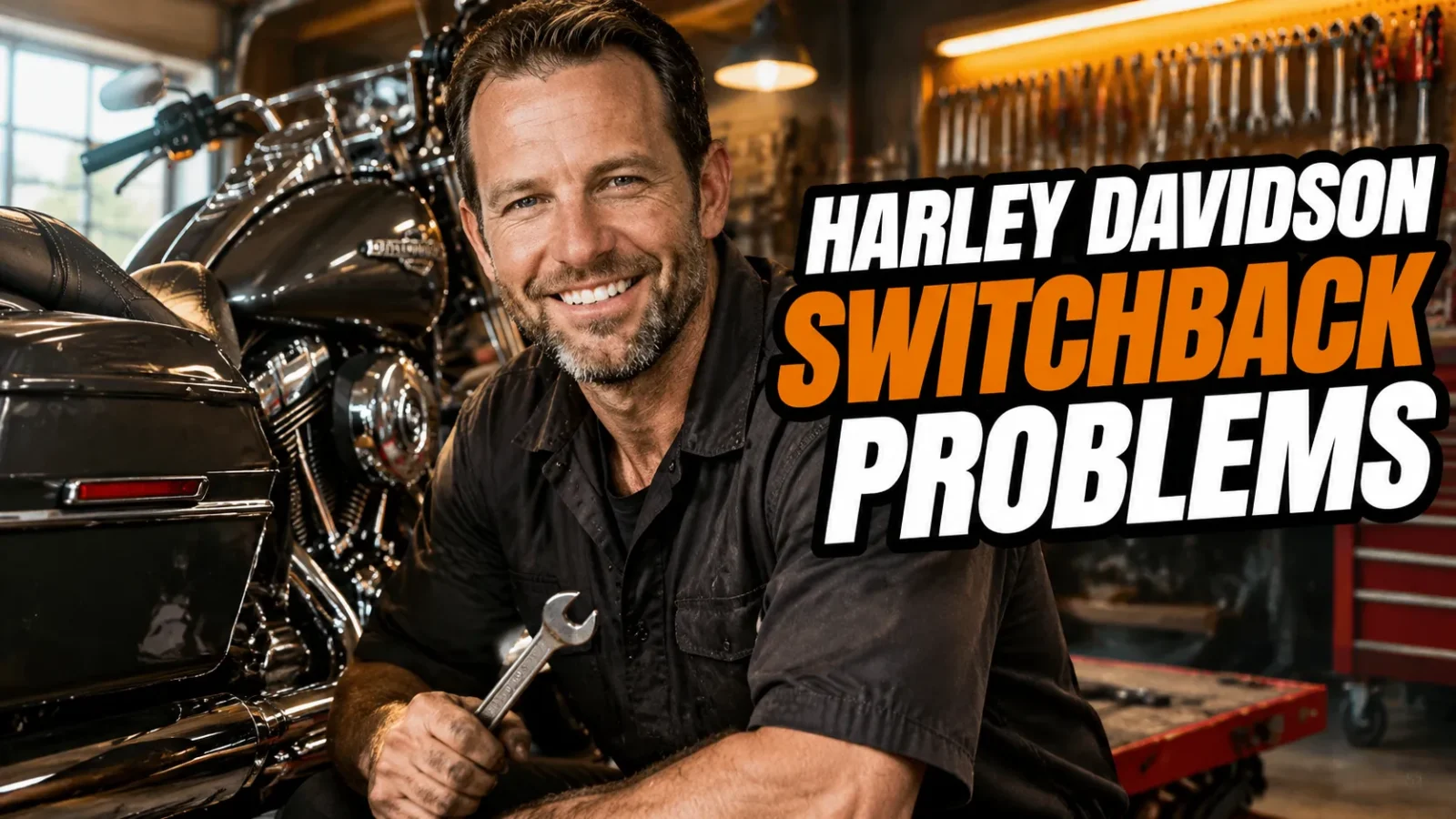
I still remember the first time I threw a leg over a Harley-Davidson Switchback. The idea seemed perfect on paper: a Dyna chassis with quick-release saddlebags and a detachable windshield, giving you a light tourer that could turn into a bare cruiser in minutes. I bought one after months of reading forums and convincing myself the FLD was the hidden gem of Harley’s lineup.
But after a few years of real ownership, I’ve learned that Harley Davidson Switchback problems are real, and some can catch you off guard if you don’t know what to watch for. This isn’t a hit piece. It’s what I wish someone had told me before I signed the paperwork.
- The most common issues I’ve found are compensator rattle, stator charging failures, and flimsy saddlebag hardware.
- Most faults appear before 30,000 miles, but regular inspection and a good voltage check can prevent breakdowns.
- The Switchback is still one of my favorite lightweight Harley tourers once the known weak points are sorted.
Why the Switchback Should Have Been a Home Run
Harley marketed the Switchback as a do-it-all motorcycle. You got the big Twin Cam 103 engine, floorboards, a windshield, and lockable hard bags. All of that in a relatively narrow and nimble Dyna frame.
For riders like me who don’t want the weight of a full bagger, that formula is almost irresistible. You can load it up for a weekend, then pull the bags and windshield for a clean bar-hopper look in less than a minute. That versatility is exactly why I bought mine.
Unfortunately, the execution had some weak spots. Some are minor annoyances. Others left me stranded or digging into my wallet sooner than I expected. Let me walk you through the ones I encountered and the ones I hear about most from other owners.
The Twin Cam 103: A Strong Engine With a Few Noisy Secrets
The 103 cubic inch engine is a torque monster. From about 2,500 rpm, it pulls hard and makes passing on the highway feel effortless. That low-end grunt is one of the best parts of owning a Switchback.
But the Twin Cam 103 has a reputation for being a little noisy, and not all of that noise is normal. I learned very quickly that a weird clank at startup is usually not a loose exhaust shield or a harmless quirk. It often points to a known trouble spot in the primary.
Cold Start Clatter and the Compensator
My first real scare happened one cold morning. I hit the starter and heard a harsh metallic clunk that sounded like someone dropped a hammer inside the engine. The bike started fine, but that noise lingered in my head.
That clatter, in my experience, is the compensator. The stock compensator on many Twin Cam 103 engines uses ramps and springs that wear out over time. When they wear, the starter and primary components take a beating.
If you hear a loud bang or judder on startup, especially when cold, have the compensator inspected. I replaced mine with an upgraded unit before it damaged the primary chain or starter ring gear. It wasn’t cheap, but it was cheaper than the damage it would have caused if I ignored it.
Primary Chain Tensioner Noise
Another sound I chased for weeks was a whirring or whining from the left side of the bike. It changed with clutch pull and was most noticeable at idle. I initially thought it was a failing throwout bearing.
After opening the primary cover, I found the automatic tensioner was not doing its job as well as it should. The primary chain had stretched slightly, and the tensioner could not keep it under proper load. A new tensioner and chain took care of the noise.
In my view, any persistent noise from the primary on a Switchback deserves a look. These bikes have a lot of mechanical noise coming from that area, but a grinding or loud whine is usually an early warning sign.
Cam Chain Tensioner Shoes
The older Twin Cam 88 and 96 engines used spring-loaded cam chain tensioners that could chew themselves apart. By the time the Switchback came out, Harley had moved to hydraulic tensioners, which are better but not bulletproof.
The shoes can still wear, especially on high-mileage bikes or if oil changes were skipped. I make it a habit to inspect the cam chest on any used Switchback I look at. A worn shoe will shed plastic debris into the oil and can eventually lead to metal-on-metal contact.
My advice is to check the tensioner shoes around 25,000 miles. If you hear an intermittent ticking from the cam chest, don’t dismiss it as normal valve train noise until you’ve verified the shoes are intact.
Charging System Gremlins
If there is one area that gave me the most anxiety on long trips, it’s the charging system. The Switchback’s stator and voltage regulator are known weak points, and a failure can leave you stranded without warning. I learned this the hard way on a solo ride through the middle of nowhere.
Stator and Rotor Failures
The stator lives inside the primary and works in a hot, oil-soaked environment. Over time, the insulation on the stator windings can break down. When that happens, the bike stops charging the battery and you start running on borrowed time.
On my bike, the first sign was a faint burnt smell after a long highway run. I ignored it for a few rides because I couldn’t pinpoint the source. Then the battery light came on, and my voltage gauge dropped below 12 volts at speed.
If I had checked the stator connector earlier, I might have caught the failing insulation before it left me with a dead battery. My recommendation is to check the stator output at the connector every 5,000 miles. It takes five minutes and can save you a tow bill.
Voltage Regulator Heat Soak
The voltage regulator on the Switchback sits in a spot where it gets a lot of engine heat. Over time, heat cycling can cause the regulator’s internal components to fail. I’ve seen regulators work fine when cold, then drop output once the bike is hot and you’re stuck in traffic.
That heat soak issue is frustrating because the bike will seem normal for the first 20 minutes of a ride. Then the voltage drops, the engine starts missing, and the battery slowly drains. If your regulator feels too hot to touch after a short ride, test the charging voltage with the engine warm.
Battery Drain and Tender Needs
The Switchback, like many modern Harleys, has a small parasitic draw from the security system and clock. If you don’t ride for a couple of weeks, a weak battery can become a no-start condition.
I learned to keep my bike on a battery tender whenever it’s parked in the garage. I also upgraded to a higher-quality AGM battery after the stock one died prematurely. That simple step eliminated most of my dead-battery anxiety.
Chassis and Suspension Issues I Noticed
The Switchback is not a full dresser, but it still weighs enough to put real stress on the chassis and suspension. I ride my bike hard on back roads and have had to address a few things sooner than I expected.
Fork Seal Leaks
Around 12,000 miles, I noticed a thin film of oil on my left fork tube. A fork seal had started to leak. At first it was a slight mist, but it eventually turned into a visible drip that coated the brake caliper and lower leg.
Fork seals can wear out on any motorcycle, but the Switchback’s relatively soft front suspension seems to work the seals harder when you push the bike through rough corners. Regular fork oil changes help, but I ended up replacing both seals and adding fork gaiters to keep grit off the stanchions.
Steering Head Bearings
After a few thousand miles of two-up riding, I felt a slight notch in the steering when the bars were centered. The stock ball-style steering head bearings had developed a flat spot.
I replaced them with tapered roller bearings, which gave the front end a more planted feel and eliminated the notch. If you feel a detent or stiffness at straight ahead, check the steering head. It’s a relatively simple fix that makes a big difference in confidence.
Rear Shock and Two-Up Ride
The stock rear shocks are adequate for solo riding, but they leave a lot to be desired when you add a passenger and luggage. The bike sits low and uses up its travel quickly, which leads to bottoming over sharp bumps.
I upgraded to a set of aftermarket shocks with adjustable preload and gained about an inch of travel. That transformed the ride. If you plan to tour two-up, factor suspension upgrades into your budget.
The Convertible Hardware: Saddlebags and Windshield
The Switchback’s quick-detach bags and windshield are the main selling points. That system works well when it’s in good shape, but the hardware can wear out and cause problems down the road.
Saddlebag Latch Problems
My saddlebag latches were never great. They worked, but the mechanism felt flimsy for a bike that vibrates as much as a Harley Twin Cam. Eventually, one latch loosened and the bag popped open on a bumpy road.
Thankfully I didn’t lose the bag, but I did lose some confidence in the mounting system. I replaced the worn latch parts and added a small safety strap inside each bag. That’s a cheap fix I’d recommend to any Switchback owner.
Windshield Hardware and Bracket Cracks
The detachable windshield is handy, but the brackets that hold it are thin. I’ve seen several Switchbacks with cracked or bent windshield mounts, especially on bikes that spend a lot of time at highway speed with the screen in place.
The vibration and wind buffeting can fatigue the metal over time. I now inspect the windshield hardware every time I reinstall the screen. If you see any hairline cracks, replace the bracket before it fails completely.
Comfort and Control Complaints
Every motorcycle has quirks, and the Switchback is no exception. Some of these are not mechanical failures, but they can wear on you during long days in the saddle.
Engine Heat on the Right Side
In slow traffic or on hot summer days, the rear cylinder radiates heat directly onto my right thigh. It can get very uncomfortable. I added a set of heat shields and a slip-on exhaust with better routing, which helped but didn’t eliminate the problem.
If you ride in a hot climate, consider a fuel tuner to help the engine run cooler. A lean-running stock tune makes the heat worse than it needs to be.
Vibration and Handlebar Buzz
The rubber-mounted Twin Cam 103 is smooth at highway speed, but there’s a buzzy range between 2,800 and 3,200 rpm. That vibration travels through the bars and mirrors, making the rear view blurry.
I added heavier bar-end weights and padded grips, which reduced the buzz. It’s not a big deal, but it’s something I noticed immediately when I first rode the bike.
Rear Brake Pedal Position
I’ve also heard from other owners that the rear brake pedal sits a little close to the floorboard for riders with larger feet. I have average-sized feet, so it didn’t bother me as much, but I did adjust the pedal height slightly to make it easier to find without lifting my foot.
That’s the kind of small comfort issue that’s easy to fix, but it can be annoying if you don’t know it’s adjustable.
Are These Problems Dealbreakers?
In my honest opinion, most of these Harley Davidson Switchback problems are not dealbreakers if you go in with your eyes open. The core of the bike is solid. The engine has character, the chassis is fun, and the convertible concept still makes sense.
But I do think the Switchback demands more preventive maintenance than some other Harleys. You can’t just gas it and go for years without paying attention. The charging system and primary need regular checks, and the hardware needs occasional tightening and replacement.
If you are the kind of rider who enjoys turning wrenches and staying ahead of problems, the Switchback can be a fantastic motorcycle. If you want a zero-maintenance appliance, this bike will frustrate you.
My Advice for Current and Prospective Owners
If you are thinking about buying a used Switchback, I’d suggest a few specific steps before you commit. These are the exact checks I do now when I look at one for myself or a friend.
First, listen for a hard clunk at startup. If the compensator sounds harsh, budget for replacement. Second, check the charging voltage at idle and at 3,000 rpm with the bike warm. You should see around 13.8 to 14.4 volts. Fifth, inspect the saddlebag brackets and windshield mounts for cracks.
Finally, ask for service records. Regular oil changes and primary inspections tell you a lot about how the bike was treated. A well-maintained Switchback with 25,000 miles is often a better buy than a neglected one with 8,000 miles.
For current owners, my best advice is to build a small maintenance routine. Check the battery terminals, stator connector, and primary fluid every spring. Keep the bike on a tender. And don’t ignore new noises. The Switchback talks to you — you just have to listen.
I still love my Switchback. It does things no other Harley in my garage can do. But I respect it more now that I know where it can break. If you know the common faults and address them early, this bike can be one of the most enjoyable and versatile rides Harley ever built.
Frequently Asked Questions
What is the most common Harley Davidson Switchback problem?
The two most reported Harley Davidson Switchback problems are compensator rattle at startup and stator/voltage regulator charging failures.
Does the Switchback have cam chain tensioner issues?
Yes. The Twin Cam 103 uses hydraulic tensioners that are more reliable than older spring-loaded units, but shoes can still wear and should be inspected around 25,000 miles.
Are Harley Davidson Switchback problems expensive to fix?
Charging system repairs typically cost $300–$700, while compensator replacement can run $500–$900. Regular inspection helps avoid expensive breakdowns.
Is the Switchback reliable enough for daily riding?
In my experience, yes — if you address the known weak points early. It makes a great lightweight touring platform once the charging system and primary are sorted.

Related Articles

The Best Stuff for Cleaning a Harley: What I Actually Keep in My Garage
After years of trial and error on my own Harleys, here are the cleaners, polishes, and towels I actually trust,…
Jake Miller
11 min read
Best Heat Shield for a Harley Softail: What I Actually Run (And Why)
After years of burnt thighs and melted denim, here are the best heat shields for a Harley Softail, what I…
Jake Miller
8 min read
Harley Davidson Bolt Size Chart: The Rider’s Guide to Every Fastener You’ll Touch
Stop guessing bolt sizes on your Harley Davidson. I share my personal bolt size chart, torque tips, metric vs SAE…
Jake Miller
12 min read