
7 Best Carburetor Cleaners for Motorcycles: Tested Picks for Smooth Idle and Easy Starts
 Jake Miller
9 min read
Jake Miller
9 min read
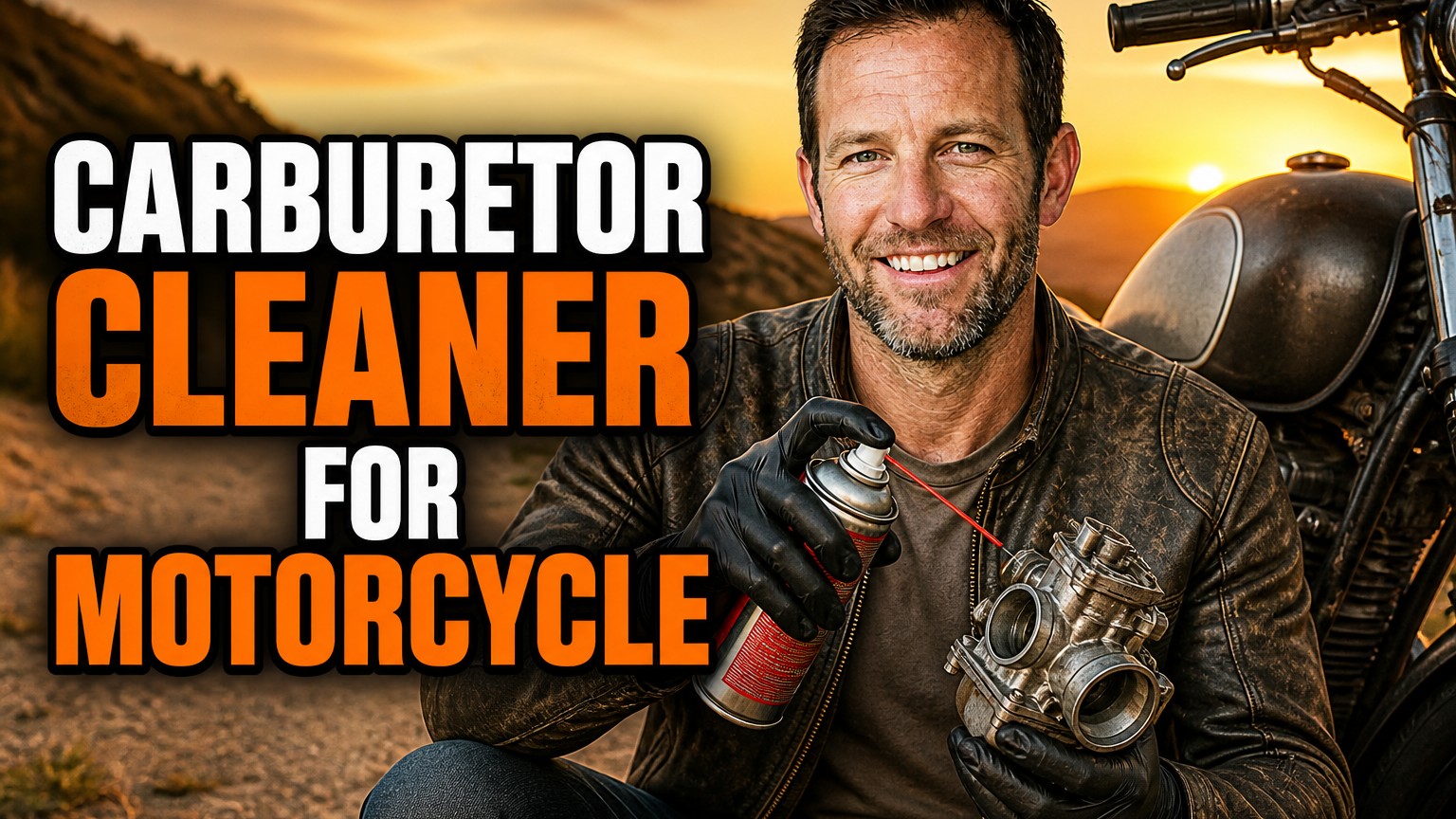
I’ve been wrenching on my own bikes for years, and nothing makes me groan like a carburetor that won’t behave. Rough idle, popping on deceleration, a bike that needs three tries to start on a cold morning. Nine times out of ten, the culprit is varnish, ethanol residue, or a clogged pilot jet.
The good news is that the right cleaner can save you a trip to the shop. I’ve tried sprays, dips, and fuel additives on everything from an old air-cooled commuter to a vintage thumper that sat in my garage for a winter. Here are the seven products I trust most, plus how I use each one.
- My top all-rounder is Sea Foam Motor Treatment, which works as an in-tank additive for light cleaning and storage.
- For a carb you’ve pulled off the bike, Berryman B-12 Chemtool and CRC Carb & Choke Cleaner are my go-to sprays.
- Spray cleaners are for external and disassembled parts. Additives are for the tank. Don’t mix them up.
- Ethanol fuel is the enemy of small jets, so pair your cleaner with Star Tron or a similar treatment.
How I Chose These Carburetor Cleaners
I didn’t pick these based on label hype. I judged each product on how well it dissolved varnish, how safe it felt around small rubber parts, and how easy it was to use in a home garage. Price and availability mattered too, because nobody wants to hunt for a niche product on a Saturday afternoon.
Spray vs. additive: know the difference
Aerosol cleaners are for the carburetor once it’s off the bike. You spray them into jets, passages, and the float bowl to flush out gunk.
Fuel additives go into the tank and clean as you ride. They’re gentler and better for maintenance, but they won’t rescue a carb that’s completely blocked. I use both, depending on how bad things are.
1. Sea Foam Motor Treatment — Best Overall
If I could keep only one product in my garage, it would be Sea Foam Motor Treatment. It’s a petroleum-based additive that cleans, lubricates, and stabilizes fuel in one bottle. The 16 oz can usually runs around $10 to $14, which is cheap for what it does.
Why I like it
I add about one ounce per gallon of gas, which is a standard ratio for Sea Foam. Over a tank or two, my idle smooths out noticeably on bikes with mild varnish buildup. It’s also safe to use with ethanol-blended fuel.
It’s also my winter-storage routine. I add Sea Foam, run the engine for a few minutes, and park the bike. In spring it usually fires up without the usual cough and sputter.
What to watch for
It won’t fix a carb that’s already packed with hard deposits. For that, you’ll need to pull the carb and use a dedicated spray. I treat Sea Foam as prevention and light cleanup, not a miracle cure.
2. Berryman B-12 Chemtool Carburetor Cleaner — Best for Heavy Varnish
When I’ve pulled a carb off a bike that sat for years, Berryman B-12 Chemtool is what I reach for. It’s a strong solvent-based formula that has been a mechanic’s staple for decades. The aerosol can usually costs about $7 to $10 and the quart-style versions cost more.
How I use it
I remove the bowl, jets, and any rubber or plastic pieces, then spray the metal body and passages. The B-12 Chemtool breaks down gummy varnish quickly, and I can see the brown residue running out of the jets.
I always finish with compressed air. Leftover solvent in a tiny pilot circuit can cause its own idle issues.
The catch
This is a strong cleaner, so don’t spray it on seals, O-rings, or diaphragms. I learned that the hard way on an old diaphragm that turned gummy. Treat it as a parts-off cleaner only.
3. CRC Carb & Choke Cleaner — Best Everyday Aerosol
The CRC Carb & Choke Cleaner is a dependable spray that I’ve found at nearly every auto parts store. It typically costs $6 to $9 for a 12 oz can. For quick jobs, it’s often the one I grab.
Where it shines
It cleans throttle bodies, choke plates, linkages, and the outside of the carb nicely. The spray tube lets me aim into small passages without making a mess.
I use the CRC Carb & Choke Cleaner during seasonal service when I pull the carb for inspection. It’s less aggressive than some dip-style products, but it’s more than enough for light to moderate buildup.
Tips for best results
Spray, let it soak for a minute, then blast it out with air. Repeat if the runoff is still dirty. Wear eye protection, because the spray can bounce back.
4. Gumout Carb & Choke Parts Cleaner — Best Budget Spray
Gumout Carb & Choke Parts Cleaner is my pick if you want a solid cleaner without spending much. Cans typically cost around $5 to $8, and the product is widely available at big-box stores.
Real-world performance
I used the Gumout cleaner on a small-displacement commuter bike with a basic carb that wasn’t too dirty. It dissolved the film on the float bowl and cleared the main jet without any fuss.
It isn’t as aggressive as the Berryman product on really baked-on deposits. For routine maintenance, though, I think it’s great value.
Who should buy it
If you’re a beginner learning to clean your own carb, this is a low-risk place to start. Just remember to protect rubber parts and always read the label.
5. Motul Carb Clean — Best Motorcycle-Specific Spray
Motul is a name I already trust for lubricants, so I was curious about Motul Carb Clean. It’s formulated specifically for motorcycle and powersports carburetors. Expect to pay roughly $10 to $15 per aerosol can.
What stood out to me
The spray is consistent and the cleaning power is strong without feeling harsh. It left jets and the carb body clean and residue-free in my testing.
I like it for bikes with precise carb setups, like sportier machines with tight tolerances. Since I already buy Motul products, it’s easy to add to the same order.
Pair it with good oil
A clean carb is only half the story. If you’re also sorting your engine oil, my guides on the best motor oil for 4 stroke motorcycle and the top engine oil for 4 stroke motorcycle are good places to start.
6. Star Tron Enzyme Fuel Treatment — Best for Ethanol Fuel
Ethanol-blended gas is rough on carbs. It attracts moisture and can leave deposits behind. That’s where Star Tron Enzyme Fuel Treatment comes in. An 8 oz bottle typically costs $12 to $16 and treats a good amount of fuel.
How it helps
Star Tron uses an enzyme formula that helps break down fuel components and keeps the system cleaner. I use it in bikes that I only ride on weekends, because those are the most prone to fuel sitting and going stale.
I notice smoother starts after a few tanks, especially in cooler weather. It’s not a spray-style cleaner, so think of it as a maintenance partner.
Best use case
I use Star Tron for seasonal storage and for any bike that sits more than a few weeks between rides. If you’re also choosing oil, check out this guide on the best engine oil for motorcycle.
7. Lucas Safe for Ethanol Fuel Treatment — Best for Older Bikes
I keep a bottle of Lucas Safe for Ethanol Fuel Treatment around for my older machines. It’s designed to help counter the effects of ethanol blends, including moisture and deposits. Pricing is generally $8 to $14 per bottle.
Why it works for vintage carbs
Older carburetors, with their softer, older gaskets and passages, tend to suffer more from modern fuel. The Lucas treatment helps keep things lubricated and clean, so I see fewer hesitation issues on my older bikes.
It’s an easy product to use. You pour it in at the recommended ratio and ride as normal.
Limitations
Like other additives, it can’t dissolve heavy blockages. It’s best used regularly, not as a last-ditch rescue. I use it as part of a routine, along with periodic carb inspections.
How I Clean a Motorcycle Carb Step by Step
Here’s the process I follow whenever a carb needs a proper cleaning. It takes a couple of hours the first time, but it gets faster with practice.
Step 1: Remove and photograph
I take pictures at every stage so reassembly is easy. Then I drain the float bowl and remove the carb carefully.
Step 2: Disassemble and spray
I take out the jets, needle, and float, setting aside rubber parts. Then I spray the metal body and passages with a cleaner such as Berryman B-12 Chemtool or CRC Carb & Choke Cleaner.
Step 3: Dry and reassemble
I use compressed air to clear every passage, then reassemble with new gaskets when needed. After that, I add a fuel treatment to the tank to help keep things clean.
A quick safety note
Work outdoors or in a well-ventilated area, away from sparks. These cleaners are highly flammable, and fumes add up fast in a closed garage.
Common Mistakes I See Riders Make
Over the years, I’ve made most of these mistakes myself, so I’m not judging. A few quick fixes can save you hours.
Using the wrong tool on jets
Never poke jets with a drill bit or a steel needle. Even a tiny change in size can throw off your fuel mixture. Use a proper jet cleaning set or compressed air instead.
Spraying everything indiscriminately
Rubber and plastic parts don’t always tolerate strong solvents. I remove them first, every time.
Ignoring the bigger picture
A clean carb won’t help if the air filter is clogged or the oil is old. If you ride in a hot climate, I’d also suggest reading about the best engine oil for 4 stroke motorcycle in india. And if you’re unsure where to begin, this explainer on what is the best engine oil for 4 stroke motorcycle can help.
Final Thoughts: My Picks at a Glance
If I had to simplify everything, here’s how I’d choose. Sea Foam Motor Treatment is my overall pick for routine care. Berryman B-12 Chemtool is the one I use when a carb is really dirty.
For budget-friendly spray cleaning, I like Gumout and CRC. Motul Carb Clean is my pick for a motorcycle-specific formula. And for ethanol protection, Star Tron and Lucas are both solid.
Whatever you choose, stay consistent. A little maintenance goes a long way, and your bike will reward you with smoother starts and a happier idle. Ride safe out there.
Frequently Asked Questions
How often should I clean my motorcycle carburetor?
For a regularly ridden bike, I run a fuel-system additive every few thousand miles and do a hands-on carb cleaning only when symptoms show up, such as rough idle, hesitation, or hard starting. Bikes that sit for months may need cleaning more often, or should be stored with fuel stabilizer.
Can I use spray carb cleaner inside my fuel tank?
No. Aerosol carb cleaners are for external parts and disassembled carburetors, not for the tank. If you want to clean internally without disassembly, use a fuel additive designed to be mixed into gasoline, such as Sea Foam or Star Tron.
Is carburetor cleaner safe for rubber O-rings and plastic parts?
Many strong aerosol cleaners can swell or damage rubber, plastic, and some seals. Remove O-rings, diaphragms, and plastic parts before spraying, and always check the can’s label for material compatibility.
Will a carb cleaner fix a badly clogged jet?
Additives can help with light varnish, but a fully blocked pilot jet usually needs a manual cleaning. I remove the jet, spray it, and clear it with compressed air or a proper jet cleaning wire. Never use a drill bit or a steel needle, because they can enlarge the jet opening.

Related Articles
7 Best Batteries for Motorcycles I’ve Tested and Trust in 2026
I've tested dozens of motorcycle batteries to find the best performers. From AGM to lithium, here are my top picks…
Jake Miller
15 min read

The Perfect Battery for Your Harley Davidson Softail: A Rider’s Complete Guide
Discover the perfect battery for your Harley Davidson Softail. I've tested multiple options and share real-world performance data, maintenance tips,…
Jake Miller
14 min read

The Best Battery for Your Harley Davidson: My Complete Guide After Years of Testing
Discover which battery truly performs best for Harley Davidson motorcycles. Real rider experience with AGM, lithium, and OEM options to…
Jake Miller
12 min read