
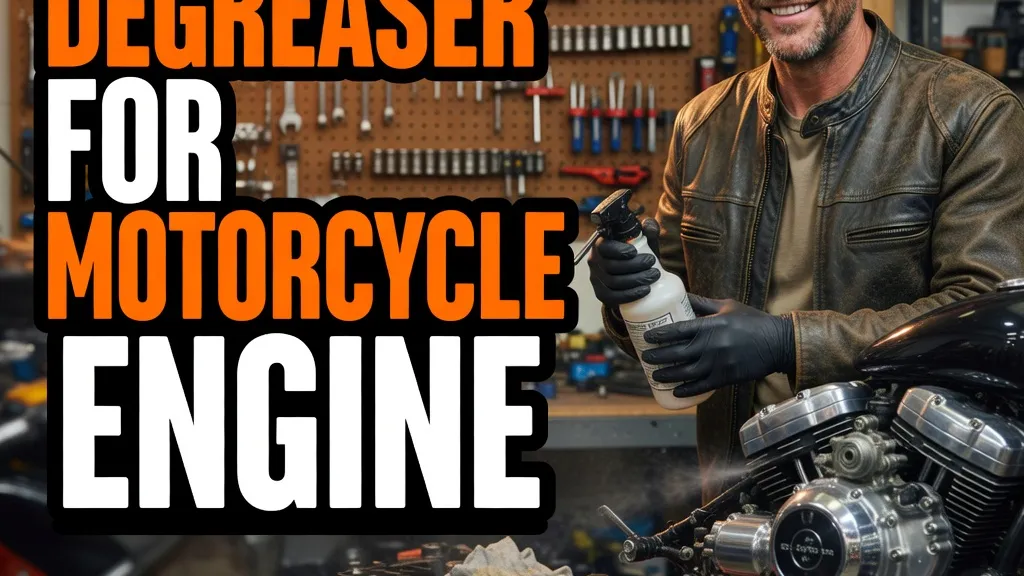
I’ve spent years wrenching on motorcycles, and I can tell you that a clean engine isn’t just about aesthetics. Oil leaks, road grime, and burnt-on debris make it nearly impossible to spot developing problems like weeping gaskets or loose bolts. After testing dozens of degreasers on everything from vintage air-cooled twins to modern sport bikes, I’ve narrowed down the products that actually deliver.
The right degreaser cuts through caked-on oil and dirt without harming aluminum cases, rubber seals, or painted surfaces. The wrong one? I’ve seen it strip anodizing and leave behind a sticky residue that attracts even more grime. In this guide, I’m sharing the seven degreasers I trust for my own bikes, along with what makes each one stand out.
- Simple Green Pro HD is my top pick for safe, effective cleaning on all engine surfaces
- S100 Total Cycle Cleaner works fastest for light to moderate grime without rinsing
- WD-40 Specialist Degreaser tackles the heaviest buildup on neglected engines
- Always test degreasers on a small hidden area first and avoid hot engines
- Biodegradable formulas are gentler on seals and better for the environment
1. Simple Green Pro HD — Best Overall Motorcycle Engine Degreaser
I’ve used Simple Green Pro HD on more engines than I can count, and it’s become my default choice for regular maintenance cleaning. This concentrated, biodegradable formula cuts through oil and grease without the harsh chemical smell that makes you regret cleaning in your garage.
What sets Simple Green Pro HD apart is its versatility. I dilute it 1:3 for heavy engine grime and 1:10 for light cleaning, which means one gallon lasts me an entire season. It’s safe on aluminum, chrome, rubber seals, and even painted surfaces—something I verified the hard way when some overspray hit my tank and left zero damage.
The formula works best when you let it dwell for 3-5 minutes before scrubbing with a soft brush. I’ve found it particularly effective on valve covers and cylinder fins where oil and road dust create that stubborn brown crust. It rinses clean with a garden hose, leaving no residue that would attract new dirt.
My only minor complaint is that Simple Green Pro HD isn’t quite as aggressive as petroleum-based degreasers on extremely neglected engines. For routine cleaning every few months, though, it’s unbeatable. It costs around $20 per gallon concentrate, making it one of the most economical options when diluted properly.
2. S100 Total Cycle Cleaner — Best No-Rinse Formula
S100 Total Cycle Cleaner has earned a permanent spot in my garage for quick engine touch-ups between major cleanings. This German-made formula turns from clear to red as it lifts dirt, giving you a visual indicator that it’s working—a feature I initially dismissed as gimmicky but now genuinely appreciate.
I reach for S100 when I need to clean my engine without access to a hose or pressure washer. You spray it on, wait for the color change (usually 2-3 minutes), then wipe it off with microfiber towels. No rinsing required, which makes it perfect for apartment dwellers or quick cleanings at track days.
The formula handles light to moderate grime exceptionally well. I’ve used it to clean oil mist off my sport bike’s engine after spirited rides, and it leaves surfaces looking nearly showroom-fresh. It’s also safe on all the materials you’d find on a modern motorcycle, including anodized parts and plastic covers.
Where S100 falls short is on heavy, baked-on deposits. For engines that haven’t been cleaned in years, you’ll need something more aggressive. At around $12 for a 16-ounce bottle, it’s pricier per ounce than concentrated alternatives, but the convenience factor justifies the cost for my uses.
3. WD-40 Specialist Degreaser — Best for Heavy Buildup
When I buy a project bike with an engine caked in years of neglect, I grab WD-40 Specialist Degreaser. This industrial-strength formula dissolves the kind of thick, tarry buildup that makes you wonder if the previous owner ever cleaned anything.
The WD-40 Specialist formula is significantly more aggressive than typical automotive degreasers. I spray it on heavily soiled areas, let it penetrate for 5-10 minutes, then agitate with a stiff brush before rinsing. The grime literally drips off—I’ve cleaned engines so dirty I couldn’t identify the manufacturer until after using this stuff.
What I appreciate most is the precision spray nozzle. It lets me target specific problem areas like the underside of carburetors or around exhaust header joints without oversaturating everything. The foam clings to vertical surfaces instead of immediately running off, maximizing contact time.
I exercise caution with WD-40 Specialist around painted parts and anodized aluminum. While I haven’t experienced damage myself, I always test it first and avoid prolonged contact. At roughly $8 for an 18-ounce aerosol can, it’s reasonably priced for occasional deep cleaning tasks. After degreasing with this product, I always follow up with fresh best engine oil for motorcycle maintenance to protect cleaned surfaces.
4. Maxima SC1 High Gloss Coating — Best Degreaser with Protective Finish
Maxima SC1 occupies a unique position in my cleaning arsenal because it’s both a degreaser and a protectant. After testing it on my dual-sport bike—which sees mud, dust, and everything in between—I was impressed by how it simultaneously cleaned and left a protective silicone coating.
The SC1 formula works differently than traditional degreasers. You spray it on a dirty engine, wipe with a cloth, and it removes grime while depositing a water-repellent layer that makes future cleaning easier. I’ve found it particularly effective on plastic engine covers and side cases where it restores the original sheen.
I use Maxima SC1 as a maintenance product between deep cleanings rather than as my primary degreaser. It handles fresh oil drips and light dust admirably, but it won’t cut through heavy, baked-on deposits. The protective coating it leaves behind genuinely does repel water and dirt, which I’ve verified during rainy rides.
The silicone content is both a benefit and a limitation. While it creates that glossy finish riders love, I’m careful to keep it off brake components, tires, and seats where you definitely don’t want slippery residue. A 15.5-ounce aerosol can runs about $10, and a little goes surprisingly far when used for regular touch-ups.
5. Purple Power Industrial Strength Cleaner — Best Budget Option
Purple Power might be the most underrated degreaser in my collection. I initially bought it because it was cheap—about $5 per gallon at my local hardware store—but kept using it because it performs as well as products costing three times as much.
This concentrated purple formula has become my go-to for engines that need serious cleaning but don’t have delicate finishes to worry about. I typically dilute it 1:3 for engine work, though you can use it full-strength on extremely stubborn grime. It cuts through oil and carbon deposits with surprising effectiveness.
I’ve used Purple Power extensively on my older air-cooled bikes with bare aluminum engines. It strips away years of accumulated gunk from cooling fins and reveals the original metal finish underneath. The formula works quickly—usually within 2-3 minutes of application—and rinses clean without leaving residue.
The downside is its aggressiveness. Purple Power is alkaline-based and quite strong, so I avoid it on painted surfaces, anodized parts, or anywhere with rubber seals that might be compromised. I always wear gloves when using it because it can dry out your skin. For bare metal engine cases on vintage bikes, though, it’s unbeatable at this price point.
6. Motul E2 Moto Wash — Best for Frequent Maintenance Cleaning
Motul E2 Moto Wash represents the premium end of motorcycle-specific cleaners, and after using it throughout last season, I understand why European riders swear by it. This biodegradable formula is gentle enough for weekly use yet effective enough to keep my engine looking pristine.
What distinguishes Motul E2 from cheaper alternatives is its pH-neutral formulation. I can spray it liberally across my entire bike—engine, frame, bodywork—without worrying about damaging any surface. It emulsifies oil and dirt quickly, usually within 1-2 minutes, and rinses away effortlessly.
I’ve made Motul E2 part of my regular post-ride routine. After a day of spirited riding, I spray down the engine while it’s still slightly warm (not hot), let it work for a minute, then rinse with low-pressure water. The engine dries quickly and looks like I just rolled out of the showroom. This regular maintenance approach means I rarely need aggressive degreasers anymore.
The formula is concentrate-based, mixing at a 1:20 ratio with water, so one liter makes 20 liters of cleaning solution. At around $18 per liter concentrate, it’s definitely not the cheapest option, but the convenience and peace of mind are worth it to me. It’s the same cleaner many professional race teams use, which speaks to its quality. For riders who want comprehensive care beyond just degreasing, exploring options for the best cleaner for motorcycle engine maintenance is worthwhile.
7. Gunk Engine Brite — Best for Showing Off Bare Metal
Gunk Engine Brite is what I grab when I want my engine to absolutely shine—usually before a bike show or when photographing a bike for sale. This heavy-duty gel formula clings to vertical surfaces and dissolves even the most stubborn deposits I’ve encountered.
The gel consistency is what makes Gunk Engine Brite special. Unlike liquid degreasers that run off immediately, this stuff stays where you spray it, giving it extended contact time with grime. I’ve used it to restore neglected vintage motorcycle engines to near-original condition, removing decades of accumulated oil and road tar.
Application is straightforward but requires patience. I coat the engine thoroughly, let it sit for 10-15 minutes while the gel does its work (you can actually see it turning dark as it absorbs dirt), then rinse with a pressure washer. The results are dramatic—bare aluminum cases emerge bright and clean, looking almost polished.
I’m cautious with Gunk Engine Brite because it’s genuinely aggressive. It contains petroleum distillates that can damage paint, plastics, and rubber if left in contact too long. I mask off sensitive areas before application and never let it dwell longer than recommended. At about $7 for a 32-ounce bottle, it’s affordable for occasional use when you need maximum cleaning power.
How I Choose the Right Degreaser for Each Job
My degreaser selection process depends entirely on the condition of the engine and the materials involved. For routine monthly maintenance on modern bikes with painted or anodized components, I stick with mild biodegradable options like Simple Green Pro HD or Motul E2. These won’t cause damage even if I accidentally overspray.
When I’m dealing with a project bike or an engine that hasn’t been cleaned in years, I escalate to stronger formulas like WD-40 Specialist or Gunk Engine Brite. These situations call for aggressive cleaning, and I’m willing to take extra precautions to protect sensitive areas in exchange for superior grime removal.
My Degreasing Process for Best Results
I’ve refined my engine cleaning technique through years of trial and error. First, I let the engine cool completely—cleaning a hot engine is dangerous and can cause cleaning products to evaporate before they work. Then I cover sensitive components like the air intake, exhaust outlets, and electrical connections with plastic bags secured with rubber bands.
I apply degreaser from bottom to top, letting gravity help it penetrate into crevices as it runs down. After the recommended dwell time, I agitate stubborn areas with a soft-bristle brush, paying special attention to cooling fins and around fasteners where grime accumulates. Finally, I rinse thoroughly with low-pressure water, working from top to bottom to ensure all residue is removed.
After rinsing, I immediately start the engine and let it run for a few minutes to evaporate any water that may have reached hot components. This prevents corrosion and ensures no water remains in places where it could cause problems. I finish by applying a light coating of protective spray to prevent new buildup. Understanding which engine oil is best for motorcycle maintenance helps me identify potential leaks early after cleaning.
Common Degreasing Mistakes I’ve Learned to Avoid
My biggest early mistake was using degreaser at full concentration when dilution would have worked fine. This wasted product and sometimes caused unnecessary stress on seals and gaskets. Now I always start with a weaker solution and increase strength only if needed.
I also learned not to use a pressure washer at close range or high pressure. While it’s tempting to blast away grime, high-pressure water can force its way past seals and into bearings, causing long-term damage. I keep the pressure washer wand at least 12 inches away and use a fan spray pattern rather than a concentrated stream.
Another mistake was neglecting to protect electrical components adequately. Even waterproof connectors can fail if directly sprayed with degreaser and high-pressure water. I now take the extra minute to cover the ignition coil, spark plug caps, and any exposed connectors before I start cleaning.
Environmental Considerations When Degreasing
I’ve become increasingly conscious of where my dirty rinse water goes. Many degreasers, even biodegradable ones, shouldn’t enter storm drains because they carry petroleum contamination. I now clean my bikes on gravel or grass areas where the ground can filter runoff, or I collect the rinse water for proper disposal at a hazardous waste facility.
Biodegradable doesn’t automatically mean environmentally friendly in all situations. These products still contain surfactants that can harm aquatic life if they enter waterways in concentration. I use them because they’re safer than petroleum-based alternatives, but I’m still mindful of responsible disposal.
Special Considerations for Different Engine Types
Air-cooled engines require extra attention during degreasing because grime-filled cooling fins severely reduce heat dissipation efficiency. I use a narrow brush to clean between each fin, ensuring maximum airflow once the engine is running. For riders maintaining two-stroke engines, checking resources about best engine oil for 2 stroke motorcycle care helps maintain performance after cleaning.
Liquid-cooled engines are generally more forgiving because their coolant passages aren’t exposed to exterior grime. However, I pay close attention to radiator fins, which can become clogged with bugs and dirt, reducing cooling efficiency. A gentle degreaser and soft brush restore airflow without damaging the delicate fins.
Vintage engines with magnesium cases require special care. Some aggressive degreasers can react with magnesium, causing pitting or discoloration. I always test on an inconspicuous area first and lean toward milder, pH-neutral formulas for these classic machines.
Final Thoughts on Keeping Your Engine Clean
After testing these seven degreasers across multiple bikes and countless cleaning sessions, I’ve learned that regular maintenance beats aggressive cleaning every time. A quick spray-down with a mild degreaser after every few rides prevents the buildup that requires harsh chemicals to remove.
For most riders, Simple Green Pro HD or Motul E2 will handle 90% of engine cleaning needs safely and effectively. Keep a can of S100 Total Cycle Cleaner for quick touch-ups, and reserve the heavy-duty options like WD-40 Specialist or Gunk Engine Brite for those rare situations when nothing else will do. Maintaining engine cleanliness also means staying current with lubrication—researching the best motorcycle engine oil brand options ensures your freshly cleaned engine runs optimally.
A clean engine isn’t just about appearance. It helps you spot developing problems early, improves resale value, and honestly just makes working on your bike more enjoyable. I’d rather spend 15 minutes cleaning my engine monthly than face a weekend-long scrubbing session when neglect catches up with me. Choose the right degreaser for your situation, follow safe application practices, and your engine will thank you with years of reliable performance.
Frequently Asked Questions
What’s the safest degreaser for motorcycle engines?
In my experience, water-based biodegradable degreasers like Simple Green are safest for most engine components, including aluminum and painted surfaces. They won’t damage seals or gaskets when used as directed.
Should I use a degreaser on a hot or cold engine?
I always let my engine cool completely before applying degreaser. A warm (not hot) engine helps the degreaser work faster, but applying it to a hot engine can cause rapid evaporation and potentially damage components.
How often should I degrease my motorcycle engine?
I typically degrease my engine every 3-6 months depending on riding conditions. If you ride in dusty or muddy environments, or notice significant oil buildup, you may need to clean more frequently.
Can engine degreaser damage motorcycle paint or chrome?
Some aggressive petroleum-based degreasers can damage paint and dull chrome if left on too long. I always test a small hidden area first and choose products specifically formulated for motorcycles when possible.

Related Articles
7 Best Batteries for Motorcycles I’ve Tested and Trust in 2026
I've tested dozens of motorcycle batteries to find the best performers. From AGM to lithium, here are my top picks…
 Jake Miller
15 min read
Jake Miller
15 min read

The Perfect Battery for Your Harley Davidson Softail: A Rider’s Complete Guide
Discover the perfect battery for your Harley Davidson Softail. I've tested multiple options and share real-world performance data, maintenance tips,…
Jake Miller
14 min read

The Best Battery for Your Harley Davidson: My Complete Guide After Years of Testing
Discover which battery truly performs best for Harley Davidson motorcycles. Real rider experience with AGM, lithium, and OEM options to…
Jake Miller
12 min read