
Engine Overheating at Idle? Here’s How I Fix It Fast (and Keep It from Coming Back)
 Jake Miller
10 min read
Jake Miller
10 min read
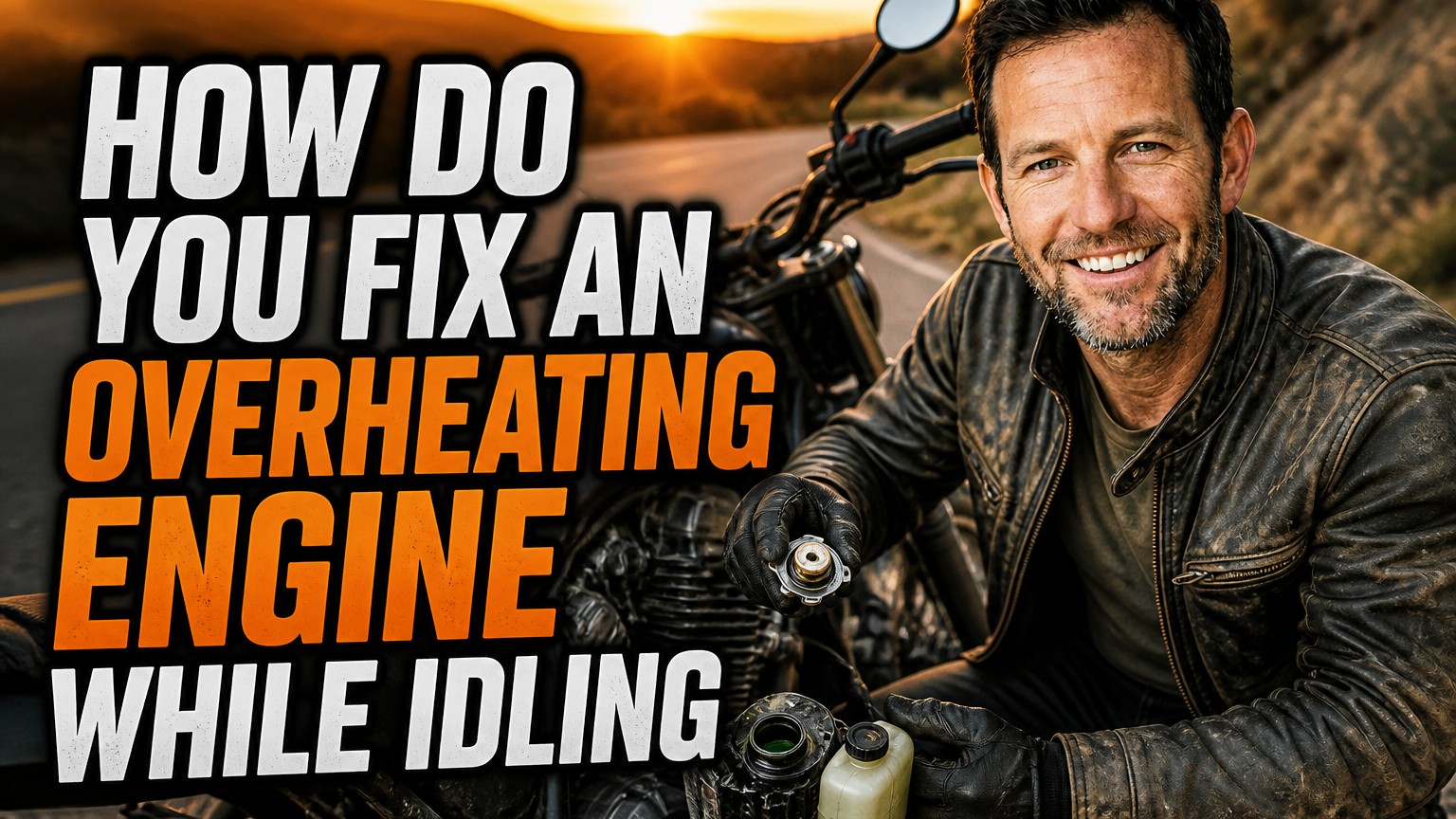
I still remember the first time my temperature needle crept toward the red while I was sitting at a long traffic light. No wind, no airflow, just heat rolling up off the engine and onto my legs. My stomach dropped.
Since then, I’ve dealt with overheating at idle on my own bikes and helped a few riding buddies with the same problem. The good news is that it’s usually fixable, and often for cheap. The bad news is that ignoring it can cost you an engine.
In this guide, I’ll walk you through exactly what I do, in the order I do it, when an engine runs hot while sitting still. I’ll also share how I keep it from happening again.
- Shut the engine off right away if the gauge hits the red zone, and let it cool fully before touching anything.
- Idle overheating usually comes from low coolant, a failing fan, a stuck thermostat, a clogged radiator, or bad oil.
- Check the cheap, easy things first: coolant level, fan operation, and oil level and condition.
- Regular maintenance and the right oil are the best long-term prevention.
Why Engines Run Hotter When You’re Standing Still
When you’re riding at speed, air rushes through the radiator (or over the fins on an air-cooled engine) and carries heat away. Sitting still, that free cooling disappears.
At idle, your engine relies on its own systems: the water pump, the thermostat, and the electric or belt-driven fan. If any of those is weak, the temperature climbs.
That’s why the classic symptom is a bike or car that runs fine on the highway but cooks in traffic. In my experience, that pattern is a big clue pointing to airflow or circulation rather than a major internal failure.
First Things First: What I Do the Moment the Gauge Climbs
Before diagnosing anything, I protect the engine. A few minutes of panic idling can turn a $20 fix into a $2,000 repair.
Step 1: Get Safe and Shut It Down
If the gauge is high, a warning light is on, or I smell hot coolant, I pull over and turn the engine off. I don’t keep idling “just to see.”
If I’m stuck in traffic and can’t shut off, I’ll shift to neutral and gently rev the engine a little. That spins the water pump faster and pushes more coolant through. It’s a stopgap, not a fix.
Step 2: Let It Cool Completely
I give it at least 30 to 45 minutes. Never open a hot radiator cap. Pressurized coolant can spray out and burn you badly.
While I wait, I look around for obvious clues like puddles, steam trails, or coolant splashed on the frame or engine cases.
The Most Common Culprits (and How I Fix Each One)
I work through these from cheapest and easiest to most involved. Most of the time, the problem shows up in the first three.
Low or Degraded Coolant
This is my first check every time. Low coolant means less heat is carried away from the engine, and it often points to a leak.
How to Check and Fix It
- With the engine cold, check the reservoir level against the min and max marks.
- Carefully open the radiator cap and look at the level inside, if your setup allows it.
- Top up with the correct coolant mix for your vehicle, usually a 50/50 coolant and distilled water blend.
- Look for wet spots around hoses, the water pump, and the radiator seams.
If the coolant looks rusty, sludgy, or milky, a full flush is in order. Old coolant loses its heat transfer ability and its corrosion protection.
Air Trapped in the Cooling System
Air pockets are sneaky. After a coolant top-up or hose change, an air bubble can sit near the thermostat or water pump and cause erratic overheating.
I “burp” the system by running the engine with the cap off (cold start only) and letting the level settle, topping up as bubbles escape. Some bikes have a specific bleed screw, so check your manual.
A Failing Cooling Fan
If your engine overheats mainly at idle, the fan is suspect number one. On most modern liquid-cooled engines, the fan kicks on automatically once the coolant hits a set temperature.
My Quick Fan Test
- Start the engine and let it warm up while watching the gauge.
- The fan should switch on before the temperature gets into the danger zone.
- If it never spins, check the fuse and relay first.
- Next, test the temperature sensor and the fan motor itself.
I once chased a “major” overheating issue for a whole weekend, only to find a corroded fan connector. A little contact cleaner and a new relay fixed it. Always check the simple electrical stuff first.
A Stuck Thermostat
The thermostat regulates coolant flow. If it sticks closed, coolant can’t circulate to the radiator, and the engine heats up fast.
A classic sign is an upper radiator hose that’s scorching hot while the lower one stays cool. Replacing a thermostat is usually inexpensive and worth doing as preventive maintenance.
A Clogged or Dirty Radiator
Radiators clog from the inside (scale and corrosion) and the outside (bugs, mud, leaves, and debris). Either way, heat can’t escape.
I gently rinse the outside fins with a garden hose, spraying from the back toward the front. I avoid pressure washers because they bend the delicate fins. If the inside is clogged, a proper flush or radiator replacement is the answer.
A Weak Radiator Cap
This one is overlooked constantly. The cap holds pressure, and pressure raises the boiling point of your coolant.
If the seal is worn, coolant boils at a lower temperature and you’ll see overheating plus coolant loss. A new cap is cheap, so I replace it whenever I suspect it.
A Failing Water Pump
The water pump keeps coolant moving. At idle, the pump spins slowly, so a worn impeller shows up there first.
Signs include a whining or grinding noise, weeping coolant from the weep hole, and overheating that gets worse over time. This is a bigger job, but it’s far cheaper than a warped cylinder head.
Don’t Ignore Your Oil: The Hidden Heat Factor
Oil does more than lubricate. It also carries heat away from pistons, bearings, and the valve train. On air-cooled bikes especially, it’s a major part of the cooling system.
Check Level, Condition, and Viscosity
Low oil, burnt oil, or the wrong grade increases friction, and friction creates heat. I check the level on a level surface and look at the color and smell.
If it’s dark, gritty, or smells burnt, it’s overdue. When I’m choosing a fresh fill, I read up on the best engine oil for motorcycle use so I match viscosity and spec to my engine.
Picking a Quality Oil
Not all oils are equal, especially in stop-and-go riding. I stick with reputable names, and I compare options by checking out the best motorcycle engine oil brand lineup before I buy.
If you’re still unsure about grades like 10W-30 versus 10W-40, this breakdown of which engine oil is best for motorcycle riding helped me a lot. Your owner’s manual should still have the final word.
Two-Stroke Riders, Pay Attention
If you ride a two-stroke, oil isn’t just lubrication, it’s part of the combustion process. A bad mix ratio or a poor-quality oil can cause a lean, hot-running engine.
I recommend reading about the best engine oil for 2 stroke motorcycle engines to make sure you’re using the right product and ratio.
When Overheating Started Right After an Oil Change
This happens more than people think. Overfilling, underfilling, or using the wrong grade can all cause heat problems soon after service.
If that sounds like your situation, I’d dig into this guide on bike engine overheating after oil change causes solutions. It walks through the likely mistakes and how to correct them.
Other Causes Worth Checking
If the basics all check out, I widen the search. These are less common, but they do happen.
Lean Fuel Mixture or Timing Issues
A lean-running engine burns hotter. A vacuum leak, clogged jet or injector, or a bad sensor can cause this. Idle is where lean conditions often show up first.
If the engine also idles roughly, surges, or pops on deceleration, I suspect fuel or air metering rather than the cooling system.
Dragging Brakes or Slipping Clutch
It sounds unrelated, but extra drag makes the engine work harder and generate more heat. A sticking brake caliper or a clutch that doesn’t fully disengage can contribute.
A Blown Head Gasket
This is the one nobody wants. Warning signs include white exhaust smoke, milky oil, bubbles in the coolant reservoir, and constant coolant loss without an external leak.
If I suspect this, I stop riding and get a compression or leak-down test. Continuing to run the engine will only make it worse.
My Simple Diagnostic Checklist
When I’m tackling an overheating problem, I follow this order. It saves time and money.
- Let the engine cool, then check coolant level and condition.
- Inspect hoses, clamps, and the radiator for leaks or damage.
- Test the cooling fan, including fuse, relay, and sensor.
- Check the radiator cap and clean the radiator fins.
- Check oil level, color, and grade.
- Test the thermostat and water pump.
- If everything checks out, investigate fuel, timing, and head gasket health.
How I Prevent Overheating at Idle
Fixing it once is great. Never having to fix it again is better. These habits have kept my engines running cool.
Stay on Top of Maintenance
- Flush coolant on the schedule in your manual, usually every 2 to 3 years.
- Replace hoses and clamps when they look cracked, swollen, or soft.
- Change oil and filter on time with the correct grade.
- Clean the radiator fins regularly, especially after riding in dusty or buggy conditions.
Ride Smart in Heat and Traffic
I try not to sit idling for long stretches on hot days. If traffic is gridlocked, I’ll often shut the engine off when it’s safe to do so.
I also avoid parking nose-in against a hot wall or in direct sun for long periods. Little things add up when the engine is already working hard.
Watch the Gauge
I make it a habit to glance at the temperature gauge every so often. Catching a slow climb early gives me time to react before real damage happens.
When It’s Time to Call a Mechanic
I’m all for DIY, but I know my limits. If I’ve covered the basics and the engine still overheats, I get a pro involved.
The same goes for any sign of internal damage, like milky oil, persistent white smoke, or a sudden loss of power. A professional pressure test of the cooling system can pinpoint leaks and head gasket problems quickly.
Final Thoughts
An engine that overheats at idle is trying to tell you something. In most cases, it’s a simple issue like low coolant, a dead fan, a tired thermostat, or old oil.
Stay calm, shut it down, let it cool, and work through the checklist step by step. In my experience, a methodical approach beats guessing every time.
Take care of your cooling system and your oil, and your engine will return the favor. Ride safe, and keep that needle where it belongs.
Frequently Asked Questions
Why does my engine overheat only when idling?
At idle there is little or no airflow through the radiator, so the engine depends on its cooling fan, coolant level, and thermostat. A weak fan, low coolant, or a clogged radiator usually shows up first at a standstill, then disappears once you start moving.
Is it safe to keep idling if my temperature gauge is climbing?
No. Shut the engine off if the gauge nears the red zone or you see steam or smell coolant. Idling an overheating engine can warp the head and blow the head gasket within minutes.
Can the wrong engine oil cause overheating at idle?
Yes. Oil that is too low, too old, or the wrong viscosity increases friction and heat, which matters most on air-cooled bikes. Always use the grade your manual recommends and keep the level in the correct range.
How long should I wait before opening a hot radiator cap?
Wait at least 30 to 45 minutes until the engine is cool to the touch. Opening the cap on a hot system can spray scalding coolant and cause serious burns.

Related Articles
7 Best Batteries for Motorcycles I’ve Tested and Trust in 2026
I've tested dozens of motorcycle batteries to find the best performers. From AGM to lithium, here are my top picks…
Jake Miller
15 min read

The Perfect Battery for Your Harley Davidson Softail: A Rider’s Complete Guide
Discover the perfect battery for your Harley Davidson Softail. I've tested multiple options and share real-world performance data, maintenance tips,…
Jake Miller
14 min read

The Best Battery for Your Harley Davidson: My Complete Guide After Years of Testing
Discover which battery truly performs best for Harley Davidson motorcycles. Real rider experience with AGM, lithium, and OEM options to…
Jake Miller
12 min read