
6 Best Paints for Motorcycle Radiators That Handle Heat Without Choking Cooling
 Jake Miller
9 min read
Jake Miller
9 min read
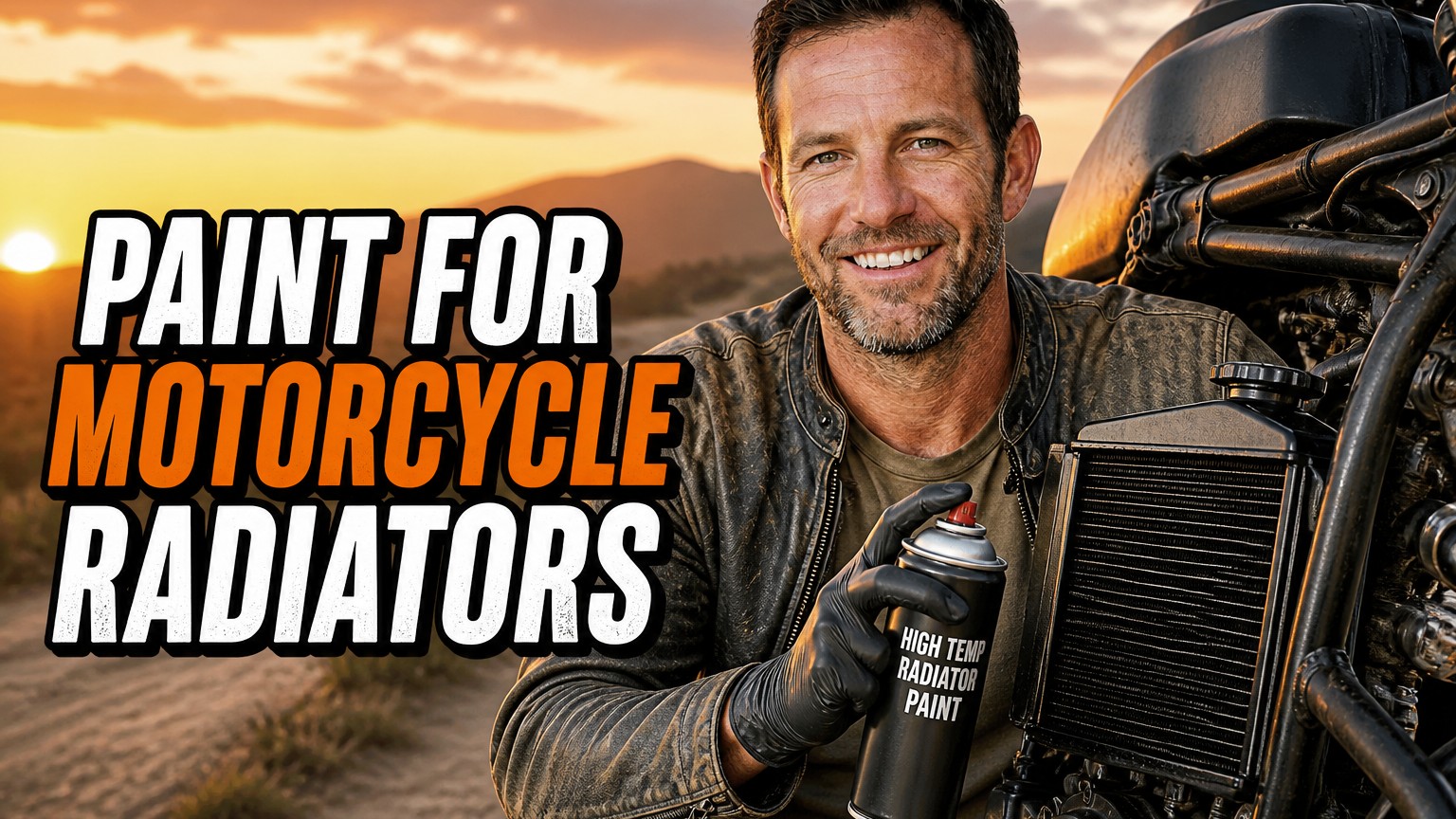
I’ve been wrenching on my own bikes for years, and radiators are one of those parts everyone ignores until they look sad. Faded black fins, chalky aluminum, stone chips and white corrosion bloom can make a clean bike look neglected.
A fresh coat of the right paint fixes that fast. But a radiator isn’t a fuel tank, and the wrong can can cost you cooling performance or peel off in a month. Here are the paints I trust, and the lessons I learned (some of them the hard way).
- Choose a heat-rated engine enamel (500°F minimum). Regular spray paint will blister and flake.
- My overall favorite is Dupli-Color Engine Enamel with Ceramic. Rust-Oleum High Heat Ultra is my pick near exhaust components.
- Thin mist coats matter more than brand. Thick paint on the fins hurts cooling.
- Prep (degrease, mask, scuff) decides how long the finish lasts.
How I Judge Radiator Paint
Before the list, here’s what I look for. I’ve sprayed radiators, shrouds, brackets and engine cases, so my criteria come from real garage time rather than the back of a can.
Heat Rating
Coolant on most bikes sits somewhere around 85 to 105°C (185 to 220°F). Hot spots near the header pipes run much hotter. I want at least 500°F of rating as a safety margin.
Thin Film and Flexibility
Radiator fins are delicate and tightly spaced. A paint that lays down thin and doesn’t bridge the gaps keeps airflow open. Thick, gloopy coatings are the enemy here.
Chemical and Chip Resistance
Radiators take stone hits, bug splatter, road grime and the occasional coolant drip. I favor enamels that resist coolant, gasoline and cleaners once cured.
1. Dupli-Color Engine Enamel with Ceramic — Best Overall
This is the can I reach for first. Dupli-Color Engine Enamel with Ceramic is rated to 500°F, which covers every radiator I’ve ever worked on. It’s a widely available 12 oz aerosol that typically runs about $10 to $15.
Why I Like It
The ceramic-resin formula sprays in a fine, even mist. On my old naked bike, two light coats on the shroud and a very light pass on the core gave a deep satin-to-gloss look without clogging a single fin.
The Dupli-Color Engine Enamel with Ceramic also comes in a good range of colors, including gloss black, flat black and a few bright options. If you want a color-matched shroud, it’s the easiest place to start.
Downsides
Full cure takes a heat cycle or two, and the paint stays a bit soft until then. Don’t touch it or wash the bike for at least a day.
2. Rust-Oleum High Heat Ultra Enamel — Best for Hot-Running Shrouds and Brackets
When I’m painting parts that sit near headers, I switch to Rust-Oleum High Heat Ultra. It’s rated to 1,200°F, so the radiator side of things is never going to stress it. Expect to pay about $8 to $13 per can.
Real-World Performance
I used Rust-Oleum High Heat Ultra on a pair of radiator mounting brackets and a lower shroud that sits close to the exhaust. After a summer of hot rides and a few traffic jams, there was no discoloration or lifting.
It dries quickly and the satin black is forgiving. It hides small blemishes well, which is handy on an older radiator with a few dings.
Downsides
It lays on a little thicker than some rivals. On the core itself, I’d stick with very light mist passes from a distance.
3. VHT Engine Enamel — Best for Gloss and Color Options
VHT Engine Enamel is a staple in the engine bay crowd for a reason. It’s a 500°F-rated enamel with a tough, glossy finish that looks almost like factory paint once cured. Pricing is usually about $12 to $18.
What Stands Out
The gloss on VHT Engine Enamel is excellent. I used it on a radiator shroud for a café-style build, and the depth of the shine got more compliments than the rest of the bike.
It’s also resistant to gasoline and oil once fully cured. That’s a real plus if your bike weeps a little coolant or fuel vapor around the radiator cap.
Downsides
The cure schedule matters. Follow the can’s instructions for air dry and then a gradual heat bake, or you’ll get a softer finish that scratches easily.
4. Rust-Oleum Automotive Engine Enamel — Best Budget Pick
If I’m refreshing a beater or a project bike, Rust-Oleum Automotive Engine Enamel does the job for around $8 to $11 per can. It’s rated to 500°F and sold at nearly every hardware and auto parts store.
Why It Works
Coverage is good and the spray pattern is consistent. I’ve used Rust-Oleum Automotive Engine Enamel on a commuter’s radiator side covers and it held up through two winters of salty roads.
The finish isn’t as deep as VHT, but it’s honest, durable and cheap. That’s often all you need.
Downsides
The color range is smaller, and it can run if you spray too heavily. Keep your passes light and give each coat time to flash off.
5. Krylon High Heat Max — Best for Easy Application
Krylon High Heat Max is rated to 1,200°F and has a spray nozzle I find comfortable for long sessions. Pricing is generally $9 to $13 per 12 oz can.
My Experience
I used Krylon High Heat Max on a faded radiator guard and the surrounding frame brackets. The nozzle gives a wide, even fan, which makes it easier to avoid blotches.
It dries to the touch fast and has a nice matte-to-satin look. For riders who prefer a stealthy, understated radiator, it’s a great match.
Downsides
Like most high-heat paints, it needs a proper heat cure to reach full hardness. Don’t skip that step, or you’ll get soft spots.
6. POR-15 High Heat Paint — Best for Long-Term Durability
When I want a finish that outlasts everything else, I look at POR-15 High Heat Paint. It’s a tougher, more industrial coating than a typical rattle can, and it costs noticeably more, often $20 to $35 depending on size and format.
Where It Shines
POR-15 High Heat Paint is great for steel brackets, mounting hardware and shroud frames that live in harsh conditions. It resists chipping and chemicals far better than budget enamels.
I used it on a rusty radiator mount on a winter bike. Two seasons later, it still looks like the day I painted it.
Downsides
It’s not the best choice for the radiator core. The film is harder to apply thinly and it’s less forgiving. I save it for the hardware around the radiator.
How I Prep and Paint a Radiator the Right Way
The paint matters, but prep matters more. Here’s the process I use every time, and it has saved me from repainting more than once.
Step 1: Clean and Degrease
Wash the radiator with a quality degreaser and rinse with low-pressure water. Never use a pressure washer on the fins, since they bend easily. Let everything dry completely.
Step 2: Straighten and Treat
Use a fin comb to straighten bent fins. If you see white aluminum corrosion, gently remove it with a soft brush and wipe clean. A light coat of self-etching primer helps on bare metal.
Step 3: Mask Everything
Cover the radiator cap, hose connections, sensors, mounting rubbers and any labels you want to keep. I use painter’s tape and plastic sheeting.
Step 4: Spray Thin
Distance and Technique
Hold the can about 10 to 12 inches away and use quick, sweeping passes. You want a mist, not a wet coat. Two or three light coats beat one heavy one every time.
Drying and Curing
Follow the can’s cure instructions. Typically that means a day of air drying, then a few short heat cycles with the engine idling. Don’t rush it.
Does Painting a Radiator Hurt Cooling?
Short answer: only if you overdo it. A light, even coat on the core has a negligible effect. Heavy coats trap heat and block airflow, and that can raise temperatures noticeably.
If you’re nervous, paint only the shroud, brackets and side covers, and give the core a very light refresh. That’s what I do on bikes that see summer traffic or track days.
Don’t Forget the Rest of the Cooling and Engine Care
While the radiator is off, I check hoses, clamps and coolant age. It’s also a smart time to look at oil, since a hot, healthy engine depends on both systems working together.
If you’re due for a change, my guides on the best motor oil for 4 stroke motorcycle and the top engine oil for 4 stroke motorcycle are good starting points.
Riders in warmer climates may like the best engine oil for 4 stroke motorcycle in india breakdown. And if you’re still unsure, here’s what is the best engine oil for 4 stroke motorcycle and a broader look at the best engine oil for motorcycle options.
Common Mistakes I See (and Have Made)
Using Regular Spray Paint
Standard enamel or lacquer can’t handle the heat cycles. It bubbles, cracks and peels, usually within weeks. Always check the temperature rating on the can.
Painting Over Dirt or Oil
Any film of grease will cause fisheyes and poor adhesion. I wipe the surface with isopropyl alcohol right before the first coat.
Spraying Too Heavy
It’s tempting to cover the fins in one go. Resist it. Heavy coats clog fins, run, and stay soft for ages.
My Final Recommendation
For most riders, I’d start with Dupli-Color Engine Enamel with Ceramic. It’s easy to use, widely available and rated well above what a radiator needs.
If your radiator sits near hot exhaust parts, grab Rust-Oleum High Heat Ultra. And for hardware and brackets that need to last, POR-15 High Heat Paint is worth the extra money.
Take your time on prep, spray thin and let it cure properly. Do that, and your radiator will look sharp and keep your engine cool for years.
Frequently Asked Questions
Can I paint a motorcycle radiator without causing overheating?
Yes, if you use thin, light mist coats of a heat-rated enamel and avoid clogging the fins. Thick paint insulates the core and reduces heat transfer. Never paint the inside of the radiator or the cap area.
What temperature rating do I need for radiator paint?
Most motorcycle radiators run around 85 to 105°C (185 to 220°F), so a paint rated for at least 500°F (260°C) gives a comfortable safety margin. Shrouds near the exhaust may see more, so a 1,200°F paint is a good choice there.
Do I need primer before painting a radiator?
For bare aluminum, a light coat of self-etching primer helps adhesion. On an existing painted finish, a thorough degrease and light scuff with fine abrasive pad is usually enough. Always keep the primer coat thin on the fins.
How long should I let radiator paint cure?
Let it dry for 24 hours, then heat-cycle it by idling the bike for short periods as the can directs. Most heat-rated enamels reach full hardness only after a few heat cycles.

Related Articles
7 Best Batteries for Motorcycles I’ve Tested and Trust in 2026
I've tested dozens of motorcycle batteries to find the best performers. From AGM to lithium, here are my top picks…
Jake Miller
15 min read

The Perfect Battery for Your Harley Davidson Softail: A Rider’s Complete Guide
Discover the perfect battery for your Harley Davidson Softail. I've tested multiple options and share real-world performance data, maintenance tips,…
Jake Miller
14 min read

The Best Battery for Your Harley Davidson: My Complete Guide After Years of Testing
Discover which battery truly performs best for Harley Davidson motorcycles. Real rider experience with AGM, lithium, and OEM options to…
Jake Miller
12 min read