
7 Best Polish Cleaners for Motorcycle Motors I’ve Actually Used
 Jake Miller
14 min read
Jake Miller
14 min read
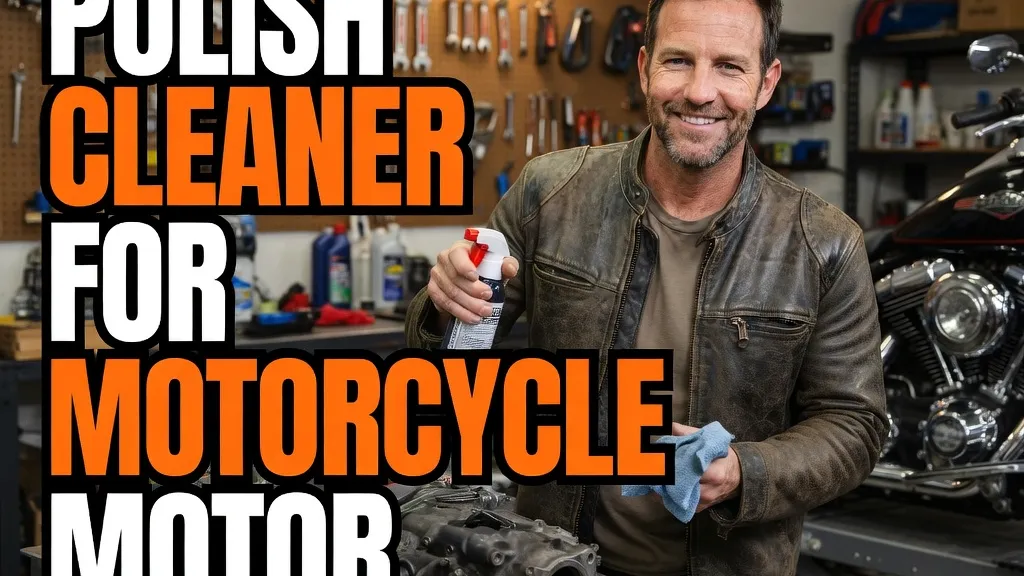
I’ve spent more hours than I’d like to admit crouched next to my bikes with polish-stained rags, hunting for that perfect mirror finish on my engine cases. Over the years, I’ve learned that not all motor polishes are created equal, especially when you’re dealing with the unique demands of motorcycle engines.
Motorcycle motors face challenges that car engines never see. They’re exposed to the elements, they run hotter, and they’re made from different metal alloys that react differently to various polish formulas. I’ve tried everything from bargain-bin compounds to premium boutique polishes, and I’ve learned what works and what just wastes time.
The best polish cleaner for motorcycle motors needs to do three things: cut through oxidation and grime effectively, restore a deep shine to aluminum and magnesium cases, and leave behind protection that lasts. After testing dozens of products on my own bikes and helping friends restore their engines, I’ve narrowed down the field to these seven standout performers.
- Mother’s Mag & Aluminum Polish is my go-to for heavy oxidation and delivers the deepest shine I’ve achieved
- Simichrome works brilliantly on polished aluminum cases and requires minimal elbow grease
- S100 Polishing Soap is the safest option for painted or coated engine components
- Always clean your engine thoroughly before polishing—I use a dedicated engine cleaner first
- Quality matters more than quantity—a small tube of premium polish outlasts cheap gallons
1. Mother’s Mag & Aluminum Polish — Best Overall for Deep Shine
I keep coming back to Mother’s Mag & Aluminum Polish year after year. This pink paste has restored more neglected engine cases in my garage than any other product, and it’s become my default recommendation when friends ask what to use.
Mother’s uses a chemical cleaning action combined with fine abrasives to cut through oxidation without being overly aggressive. I’ve used it on everything from vintage Honda CB cases to modern Triumph engines, and it consistently delivers that deep, mirror-like shine that makes people stop and stare at bike shows.
What I appreciate most is how forgiving this polish is. You can work it by hand with a microfiber cloth for light jobs, or speed things up with a foam buffing pad on a drill for heavily oxidized surfaces. The 10-ounce tub lasts me an entire season of regular polishing on two bikes.
The formula does require some elbow grease on badly weathered aluminum, but the results justify the effort. I’ve brought back engine cases that looked chalky and lifeless to a finish that rivals new. Just make sure you’re working in a well-ventilated area—the chemical smell is strong but dissipates quickly.
2. Simichrome Polish — Best for Polished Aluminum Cases
Simichrome has earned cult status among motorcycle enthusiasts, and after using it for three years, I understand why. This German-made polish comes in a distinctive blue tube and produces results that frankly embarrassed me the first time I tried it—I realized how much time I’d wasted on inferior products.
I reach for Simichrome when I’m working on already-polished aluminum that just needs refreshing rather than heavy correction. It’s less aggressive than Mother’s, which makes it perfect for regular maintenance. I can polish my entire engine in about 30 minutes, versus the hour-plus that heavier cutting compounds require.
The paste goes on thin and works quickly. I apply a small amount to a clean microfiber, work it in circular motions until it turns black (that’s the oxidation lifting off), then buff it away with a fresh cloth. The shine it leaves behind has incredible depth and warmth.
One tube lasts surprisingly long because you need so little product. I’m still working through the same 1.76-ounce tube I bought 18 months ago, and I polish regularly. It’s more expensive per ounce than some competitors, but the efficiency makes it a value play in my book.
3. Flitz Metal Polish — Best for Mixed Metal Components
My Ducati’s engine combines aluminum cases with stainless steel hardware and magnesium covers, which used to mean juggling multiple products. Then I discovered Flitz, and my polishing routine got much simpler.
Flitz works on virtually any metal you’ll find on a motorcycle engine—aluminum, steel, brass, chrome, even plastic parts. I’ve used it on everything from exhaust flanges to alternator covers without any issues. The formula is gentle enough that I don’t worry about damaging softer metals or delicate finishes.
What sets Flitz apart is the protective seal it leaves behind. After polishing, I notice water beads up on treated surfaces for weeks. This protection matters because it extends the time between polishing sessions and helps prevent new oxidation from forming.
I apply Flitz with a soft applicator pad, work it gently across the surface, and buff it off once it hazes. The process is straightforward and doesn’t require the aggressive rubbing that some polishes demand. For riders who want consistent results with minimal fuss, this is hard to beat.
4. S100 Polishing Soap — Best for Painted or Coated Engines
Not every motorcycle engine is raw aluminum. My friend’s BMW has painted engine cases, and traditional metal polishes would damage that finish. That’s where S100 Polishing Soap excels—it cleans and shines without the harsh abrasives that strip paint or clearcoat.
I’ve used S100 on my own bike’s painted valve covers and powder-coated components with excellent results. The soap-based formula is essentially a super-refined cleaning compound that removes road grime and light oxidation without scratching delicate surfaces.
The application process is different from traditional polish. I wet the surface first, apply the white cream, and work it gently with a damp sponge. It foams slightly as I work, lifting dirt and leaving behind a clean, glossy surface. Then I rinse thoroughly and dry with a microfiber towel.
S100 won’t restore heavily oxidized bare metal like Mother’s will, but that’s not its purpose. For modern bikes with painted or coated engine components, it’s the safest way to maintain that factory finish. I also use it as a pre-polish cleaner before moving to more aggressive compounds on bare metal—similar to how I approach cleaning other engine components like my air cleaner system.
5. Autosol Metal Polish — Best Budget Option That Actually Works
I’ll be honest: I didn’t expect much from Autosol given its budget-friendly price. But after running out of Simichrome one weekend and grabbing a tube at my local auto parts store, I was pleasantly surprised by what this German polish delivered.
Autosol falls between Mother’s and Simichrome in terms of cutting power. It handles moderate oxidation without being overly aggressive, and it works well on the aluminum alloys commonly used in motorcycle engine construction. I’ve used it successfully on vintage Japanese bikes and modern European machines alike.
The consistency is slightly thinner than Simichrome, which makes it spread easily but also means you might use a bit more product per session. Still, at roughly half the price of premium polishes, the value proposition is solid. A 75ml tube costs about the same as a coffee, and it’ll handle several full engine polishing sessions.
Where Autosol shows its budget roots is in the protective layer it leaves behind. The shine fades faster than what I get from Simichrome or Flitz, meaning I’m back polishing sooner. For riders who don’t mind more frequent maintenance or who are on a tight budget, it’s a worthy compromise.
6. Wenol Metal Polish — Best for Show-Winning Mirror Finishes
When I’m prepping a bike for a show or concours event, I reach for Wenol. This premium German polish is overkill for regular maintenance, but when I need an absolutely flawless mirror finish, nothing else in my arsenal comes close.
Wenol’s fine abrasive formula cuts slowly and precisely, which means more work but also more control. I’ve used it to refine already-polished surfaces to a level where I can literally see my reflection clearly in engine cases. It’s meditation more than maintenance—slow, deliberate circles until the metal takes on an almost liquid quality.
The red tube version is what I use most, as it’s formulated specifically for aluminum and other soft metals. There’s also a blue tube for harder metals like steel and chrome, though I rarely need that for engine work. Both formulas leave behind impressive protection that keeps the shine lasting for months.
I won’t pretend Wenol is for everyone. It’s expensive, it takes time to achieve results, and most riders will be perfectly happy with something like Mother’s or Simichrome. But if you’re chasing perfection or competing for trophies, this is the polish that separates good from exceptional.
7. Meguiar’s NXT All Metal Polysh — Best for Quick Maintenance
Some days I just want to freshen up my engine’s appearance without committing to a full polishing session. Meguiar’s NXT solves that problem by combining cleaning and light polishing in one quick step.
This liquid formula applies easily with a microfiber applicator and works fast. I can do my entire engine in under 20 minutes, which is about half the time traditional paste polishes require. The trade-off is that it won’t handle heavy oxidation—I use it between deeper polishing sessions to maintain the shine rather than restore it.
The synthetic polymer technology Meguiar’s uses leaves behind a protective layer that repels water and resists fingerprints. I appreciate this during regular maintenance when I’m checking oil levels or working on other engine systems like my carburetor or fuel system—the polish keeps my engine looking clean between rides.
The 142g bottle might seem small, but the liquid spreads so efficiently that it lasts longer than you’d expect. I go through about two bottles per season maintaining two bikes, which works out to reasonable cost-per-use given the time savings.
How I Choose the Right Polish for Each Job
I don’t stick to just one polish anymore. Instead, I match the product to the condition of the engine and the results I’m after. Here’s how I approach different scenarios in my own garage.
For a badly neglected or oxidized engine, I start with Mother’s Mag & Aluminum Polish. It has the cutting power to remove years of weathering and bring bare aluminum back to life. I’ll spend an hour or more working it into the metal, using increasingly clean microfiber cloths until they come away spotless.
Once I’ve restored the base shine, I switch to Simichrome for regular maintenance. Every few weeks during riding season, I’ll spend 20 minutes touching up the engine to keep oxidation from gaining a foothold. This maintenance approach means I rarely need to break out the heavy-duty polish again.
For quick touch-ups between rides, Meguiar’s NXT is my grab-and-go solution. Before heading to a group ride or bike night, I can quickly wipe down the engine and restore the shine in less time than it takes to check my tire pressure.
My Polishing Process for Best Results
The polish itself is only part of the equation. Over the years, I’ve refined my process to maximize results while minimizing wasted effort and product.
I always start with a completely cool engine—never attempt to polish hot metal. Then I thoroughly clean the engine with a dedicated cleaner for motorcycle engines to remove all grease, road grime, and loose dirt. Trying to polish over dirt just grinds contaminants into the metal and creates scratches.
After cleaning and drying, I mask off any areas I don’t want polish on—rubber hoses, painted surfaces, and electrical components. I learned this lesson the hard way when I spent an hour picking dried polish out of a wiring connector.
I apply polish sparingly. A small dab about the size of a dime covers a surprisingly large area. Working in sections, I rub the polish in circular motions with moderate pressure, letting the product do the work rather than relying on brute force. As the polish turns black or gray from lifted oxidation, I buff it away with a clean microfiber cloth.
For the final buff, I use a separate, ultra-clean microfiber towel that’s reserved only for final buffing. This prevents any remaining polish residue from dulling the finish I just worked so hard to create.
Common Mistakes I’ve Made (So You Don’t Have To)
My polishing journey has included plenty of face-palm moments. Here are the mistakes that taught me the most valuable lessons.
I once tried to speed things up by using a power drill with a buffing pad on maximum speed. The result was polish splattered everywhere and a slightly uneven finish where I’d pressed too hard in spots. Now I use medium speed and light pressure, letting the tool do the work.
Early on, I didn’t pay enough attention to which metals I was polishing. I used an aggressive aluminum polish on a magnesium cover and created micro-scratching that dulled the finish. Always verify what metal you’re working with—magnesium requires gentler formulas.
I also learned not to skip the cleaning step. One time I polished over what I thought was just light dust, only to discover it was actually dried chain lube mist. The polish just pushed that oily residue around, creating a hazy mess that took twice as long to fix.
Maintaining Your Polish Results Long-Term
Getting a great shine is satisfying, but keeping it that way requires ongoing attention. I’ve developed a maintenance routine that keeps my engines looking sharp without constant re-polishing.
After every ride, I wipe down the engine cases with a clean microfiber cloth while the engine is still slightly warm. This removes road grime before it bakes on and makes future polishing sessions much easier. It takes 30 seconds and saves hours later.
I reapply a light coat of polish every 3-4 weeks during active riding season, even if the engine still looks good. This maintenance layer prevents oxidation from forming and keeps the protective barrier intact. Think of it like applying sunscreen—prevention is easier than correction.
During winter storage, I apply a heavier coat of Flitz before covering the bike. That protective seal keeps oxidation at bay even in humid storage conditions. When spring arrives, my engine is still shiny under the cover rather than requiring full restoration.
When Polish Isn’t Enough: Addressing Deeper Issues
Sometimes I encounter engine cases that are beyond what polish alone can fix. Deep scratches, pitting from corrosion, or heavy casting marks require more aggressive intervention before polishing will help.
In these cases, I start with wet sanding using progressively finer grits—usually 800, 1000, then 2000 grit wet/dry sandpaper. I work carefully to level the surface without creating new problems. This is tedious work, but it’s the only way to truly fix damaged aluminum.
After sanding, I follow up with a cutting compound before moving to polish. The compound removes sanding marks and begins the shine-building process. Only then do I switch to the actual polish for final finishing.
I’ll be honest—this level of restoration is significant work. I’ve spent entire weekends bringing back badly corroded engine cases. But the satisfaction of transforming a rough, pitted surface into a mirror finish makes the effort worthwhile, especially on vintage bikes where replacement cases are expensive or unavailable.
The Bottom Line on Motorcycle Motor Polish
After years of testing products and refining my technique, I’ve learned that the best polish cleaner for motorcycle motors depends on your specific situation. Mother’s delivers unmatched cutting power for restoration work. Simichrome provides the finest finish for regular maintenance. S100 protects painted surfaces safely. And Flitz offers the best long-term protection.
What matters most isn’t finding the single “best” product—it’s understanding what each polish does well and matching it to your needs. I keep several types in my garage because different jobs require different tools. Just like I maintain my motor oil and fuel system components with appropriate products, I approach engine polishing with the same mindset of using the right tool for each task.
Start with a quality cleaner to prep the surface properly. Choose a polish that matches the condition of your engine and the metals you’re working with. Apply it correctly using the techniques I’ve outlined. And maintain the results with regular attention. Follow this approach, and you’ll have an engine that turns heads at every stoplight.
Frequently Asked Questions
Can I use car polish on my motorcycle engine?
I don’t recommend it. Motorcycle engines run hotter and need polishes formulated for high-heat metals like aluminum and magnesium. Car polishes often leave residue that burns off and smells terrible.
How often should I polish my motorcycle motor?
I polish my engine cases every 2-3 months during riding season, or after every major ride if I’m showing the bike. More frequent polishing isn’t necessary and can actually wear down the metal over time.
What’s the difference between polish and cleaner for motorcycle motors?
Cleaners remove grime and oxidation, while polishes restore shine and add protection. I always clean first with a dedicated engine cleaner, then follow up with polish for best results.
Will polishing my engine improve performance?
No, polishing is purely cosmetic. For performance, focus on maintenance like using quality motor oil and keeping your fuel system clean.

Related Articles
7 Best Batteries for Motorcycles I’ve Tested and Trust in 2026
I've tested dozens of motorcycle batteries to find the best performers. From AGM to lithium, here are my top picks…
Jake Miller
15 min read

The Perfect Battery for Your Harley Davidson Softail: A Rider’s Complete Guide
Discover the perfect battery for your Harley Davidson Softail. I've tested multiple options and share real-world performance data, maintenance tips,…
Jake Miller
14 min read

The Best Battery for Your Harley Davidson: My Complete Guide After Years of Testing
Discover which battery truly performs best for Harley Davidson motorcycles. Real rider experience with AGM, lithium, and OEM options to…
Jake Miller
12 min read