
8 Best Air Filters for Motorcycles: Real Riders’ Picks for Power, Protection, and Easy Upkeep
 Jake Miller
9 min read
Jake Miller
9 min read
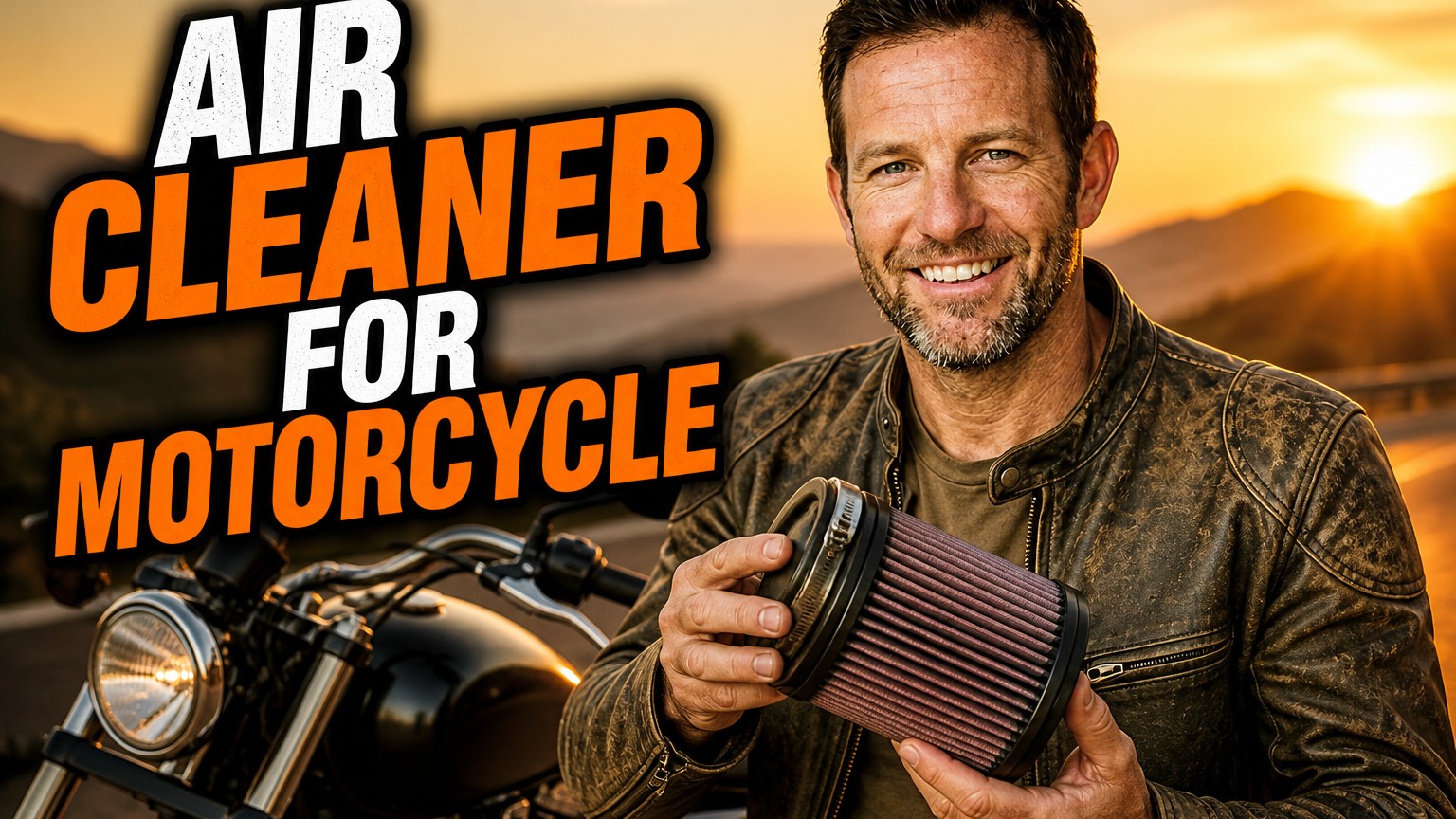
I’ve been riding for years, and if there’s one cheap part I see riders ignore, it’s the air filter. It’s the lung of your engine, and a clogged or poorly chosen one can quietly cost you power, mileage, and even engine life.
I’ve swapped, cleaned, oiled, and occasionally ruined a fair few of them over the miles. In this guide I’m sharing the eight filters I’d actually trust, plus how I choose between them for different bikes and riding styles.
Whether you ride a cruiser, a sportbike, or a dirt bike, there’s something here for you. Let’s get into it.
- My top all-round pick is the K&N high-flow replacement filter: washable, widely available, and a real step up from stock paper.
- For dirt and dust, I trust the Twin Air dual-stage foam filter. For Harley riders, the Screamin’ Eagle Heavy Breather is hard to beat.
- Budget riders should look at Hiflofiltro or UNI Filter for dependable protection without the premium price.
- Fitment, filtration quality, and proper maintenance matter far more than chasing peak airflow numbers.
What I Look For Before Choosing a Motorcycle Air Filter
Before the list, here’s the checklist I run through every time. It keeps me from buying something flashy that doesn’t suit my bike.
Filtration vs. Airflow
Every filter is a trade-off. More airflow usually means slightly coarser filtration, and tighter filtration can restrict flow. I want a balance that suits where I ride.
On dusty trails I lean toward better filtration. On a clean-road weekend bike, I’m happy to accept a bit more airflow.
Fitment and Tuning
A filter that doesn’t seal properly is worse than no upgrade at all. I always confirm the exact model fitment, then check whether my bike needs jetting or a fuel-map update after the swap.
Skipping the tune is the single most common mistake I see. A lean bike runs hot, and heat is the enemy of air-cooled engines. If yours is air-cooled, it’s also worth reading up on the best oil for air cooled motorcycle engines to keep temperatures in check.
Maintenance Effort
Be honest with yourself here. Washable filters save money, but only if you’ll actually clean and re-oil them. If you won’t, a cheap paper element is the smarter choice.
1. K&N High-Flow Replacement Air Filter — Best Overall
The K&N high-flow replacement air filter is the one I recommend most often. It’s a drop-in, model-specific element that uses oiled cotton gauze sandwiched between wire mesh, so it fits your stock airbox without any fuss.
In my experience, the throttle response feels a touch crisper compared with a tired paper filter. Don’t expect miracles, but the improvement in feel is real, especially when you replace a filter that was overdue.
Why I Like It
- Washable and reusable for the life of the bike when cared for
- Model-specific fit for most popular street bikes
- Typically priced around $50 to $80, depending on your model
What to Watch
Over-oiling is the classic trap. Too much oil can foul sensitive airflow sensors on fuel-injected bikes. I apply it sparingly and let it wick evenly before reinstalling.
2. Twin Air Dual-Stage Foam Filter — Best for Off-Road and Dusty Riding
When I’m riding trails, I don’t want fancy. I want something that traps fine dust all day. The Twin Air foam filter uses a dual-stage design: a coarser outer layer catches big debris, and a finer inner layer catches the fine stuff.
It’s a staple on dirt bikes and enduro machines for good reason. The foam holds oil well, which helps it grab dust that would otherwise sneak into the engine.
Why I Like It
- Excellent dirt-holding capacity for long, dusty days
- Inexpensive, generally in the $15 to $30 range
- Easy to clean in the field if you carry a spare
One tip: if you’re wondering do i need to tape my motorcycle air filter, the answer for foam filters in dusty or wet conditions is usually yes. A bit of tape along the sealing edge adds cheap insurance against leaks.
3. BMC Race Filter — Best for Sportbikes and Track Days
BMC is an Italian brand with deep roots in performance filtration, and the BMC Race Filter is built for riders chasing maximum airflow. It’s a cotton-based, washable element designed to replace the stock filter in many Ducati, Yamaha, Honda, and other sport models.
I like that it’s engineered as a true fit for the airbox, not a one-size-fits-all compromise. That matters when you’re pushing a bike hard.
Why I Like It
- High-flow design aimed at performance riding
- Washable, so it’s cheaper over the long term
- Premium build quality; expect to pay roughly $80 to $130
What to Watch
It’s overkill for a relaxed commuter. If you ride mostly in traffic, I’d save the money and pick something simpler.
4. DNA Stage 2 High-Performance Air Filter — Best for Custom Builds
DNA Specialist Air Filters makes a huge catalog of filters, from model-specific replacements to universal and custom setups. The DNA Stage 2 air filter is a popular choice among riders who want more breathing capacity for a modified bike.
I like DNA for the variety. If your bike is unusual or heavily customized, there’s a decent chance DNA has something that fits.
Why I Like It
- Washable cotton filter media with strong airflow
- Wide range of fitments, including cruisers
- Good value compared with some premium rivals
If you’re going down the open-element route, take a look at my notes on pod air filter motorcycle upgrades first. They explain how the intake change affects fueling and what to expect.
5. Screamin’ Eagle Heavy Breather Performance Air Cleaner Kit — Best for Harley-Davidson Riders
If you ride a Harley, the Screamin’ Eagle Heavy Breather kit deserves a spot on your shortlist. It’s a factory-backed performance air cleaner designed to fit specific Harley families, and it gives the bike a more open, aggressive intake look.
I like the clean fit and the confidence of a manufacturer-supported part. For a lot of owners, that’s worth the premium price, often ranging from about $150 to $250 depending on the model.
Why I Like It
- Designed to complement Harley engines and tuning options
- Better breathing than most stock air cleaners
- Strong visual upgrade on cruisers
What to Watch
Pair it with a proper tune. Many Harley riders use a tuner, and I strongly suggest doing the same so the engine stays happy and runs cool.
6. UNI Filter Multi-Stage Foam Filter — Best Budget Washable Option
UNI Filter is a long-time name in foam filtration, and its multi-stage foam filters are my go-to suggestion for riders on a budget who still want something washable. They’re available both as model-specific elements and as universal pod filters.
The layered polyurethane foam traps dirt in stages, which keeps fine dust from reaching the engine. It’s old-school tech, and it still works.
Why I Like It
- Typically costs well under $50
- Good filtration for mixed street and light trail use
- Easy to clean with mild solvent and re-oil
On older machines, foam can be a smart match. If you’re maintaining a classic two-stroke, my guides on the best 2 cycle oil for air cooled motorcycle engines and the best 2 cycle oil for air cooled vintage motorcycle engines pair nicely with a good filter.
7. Sprint Filter P08 — Best Oil-Free Performance Filter
The Sprint Filter P08 is a different animal. Instead of oiled cotton or foam, it uses a water-repellent polyester fabric that doesn’t need oil. That’s a major plus if you hate the messy re-oiling routine.
I like it for sport-touring and track riders who want strong airflow without worrying about oil contaminating sensors. Fitment is model-specific, so double-check compatibility.
Why I Like It
- No oiling required, just clean and reuse
- Water-repellent material helps in wet weather
- High-flow design; pricing generally runs about $80 to $150
What to Watch
It costs more up front than most paper or foam filters. But if you ride a lot and like low-fuss maintenance, it can pay for itself.
8. Hiflofiltro Premium OE Replacement Air Filter — Best Cheap Everyday Filter
Sometimes the smartest choice is the simplest. The Hiflofiltro premium replacement air filter is an affordable, high-quality element built to match OEM specs for a wide range of bikes.
I keep a few on my shelf for quick swaps. They’re reliable, easy to fit, and often cost $15 to $25, which is hard to argue with for a daily commuter.
Why I Like It
- Great value with solid filtration
- Excellent fit for stock airboxes
- No special cleaning kit or oiling routine required
What to Watch
It’s not about performance gains. Treat it as maintenance, not a mod, and replace it on schedule.
How I Clean and Maintain a Washable Filter
A great filter won’t help if it’s neglected. Here’s the routine I follow for cotton and foam elements.
My Simple Cleaning Routine
- Remove the filter and tap out loose dirt.
- Spray with a dedicated filter cleaner and let it soak.
- Rinse gently with low-pressure water.
- Let it dry completely, naturally and away from direct heat.
- Apply the correct filter oil evenly, squeezing out excess.
I like using a matching kit, such as a No-Toil or Motorex cleaner and oil combo. The chemistry is designed to work together, which helps avoid damaging the filter media.
Mistakes I See All the Time
- Over-oiling, which can foul sensors and choke airflow
- Using harsh solvents that break down foam or glue
- Reinstalling a damp filter
- Forgetting to check the seal around the airbox
Which One Should You Buy?
If you want a simple answer, here’s how I’d match riders to filters.
- Daily commuter: Hiflofiltro replacement or a K&N drop-in
- Dirt or adventure rider: Twin Air foam or UNI Filter foam
- Sportbike or track rider: BMC Race Filter or Sprint Filter P08
- Harley cruiser owner: Screamin’ Eagle Heavy Breather or DNA Stage 2
Remember, the best filter is the one that fits correctly, suits your riding conditions, and gets maintained on schedule. A cheap filter that’s clean beats an expensive filter that’s clogged.
Final Thoughts From My Garage
After years of swapping filters across different bikes, my biggest lesson is to match the filter to the ride, not the hype. Peak airflow numbers look great on a box, but real-world reliability matters more.
If you’re not sure where to start, I’d grab the K&N for road bikes or the Twin Air for dirt, then build from there. Treat your bike’s lungs well, and it’ll reward you with smoother, stronger miles.
Frequently Asked Questions
How often should I replace or clean my motorcycle air filter?
As a rule of thumb, I inspect mine every 3,000 to 5,000 miles on the road and after every dusty ride off-road. Paper filters get replaced, while cotton or foam filters get cleaned and re-oiled. Always check your owner’s manual for the factory interval.
Will a high-flow air filter increase my motorcycle’s horsepower?
On its own, a high-flow filter usually gives a small gain, often just a few percent. The bigger benefits show up when you pair it with a matching exhaust and a fuel tune. Fuel-injected bikes may adapt on their own, but carbureted bikes often need re-jetting.
Is a foam filter better than a paper filter?
It depends on how you ride. Foam and cotton filters are washable and flow well, which suits off-road and performance riding. Paper filters are cheap, clean, and great for commuting, but you throw them away when they clog.
Can I use a pod filter on any motorcycle?
No. Pod filters change the intake and airflow, so they usually require jetting changes on carbureted bikes and a tune on fuel-injected ones. Check that your model supports one before buying, and don’t skip the tuning step.

Related Articles
7 Best Batteries for Motorcycles I’ve Tested and Trust in 2026
I've tested dozens of motorcycle batteries to find the best performers. From AGM to lithium, here are my top picks…
Jake Miller
15 min read

The Perfect Battery for Your Harley Davidson Softail: A Rider’s Complete Guide
Discover the perfect battery for your Harley Davidson Softail. I've tested multiple options and share real-world performance data, maintenance tips,…
Jake Miller
14 min read

The Best Battery for Your Harley Davidson: My Complete Guide After Years of Testing
Discover which battery truly performs best for Harley Davidson motorcycles. Real rider experience with AGM, lithium, and OEM options to…
Jake Miller
12 min read