
8 Best Motorcycle Raincoats for Filipino Riders Facing Sudden Downpours
 Jake Miller
12 min read
Jake Miller
12 min read
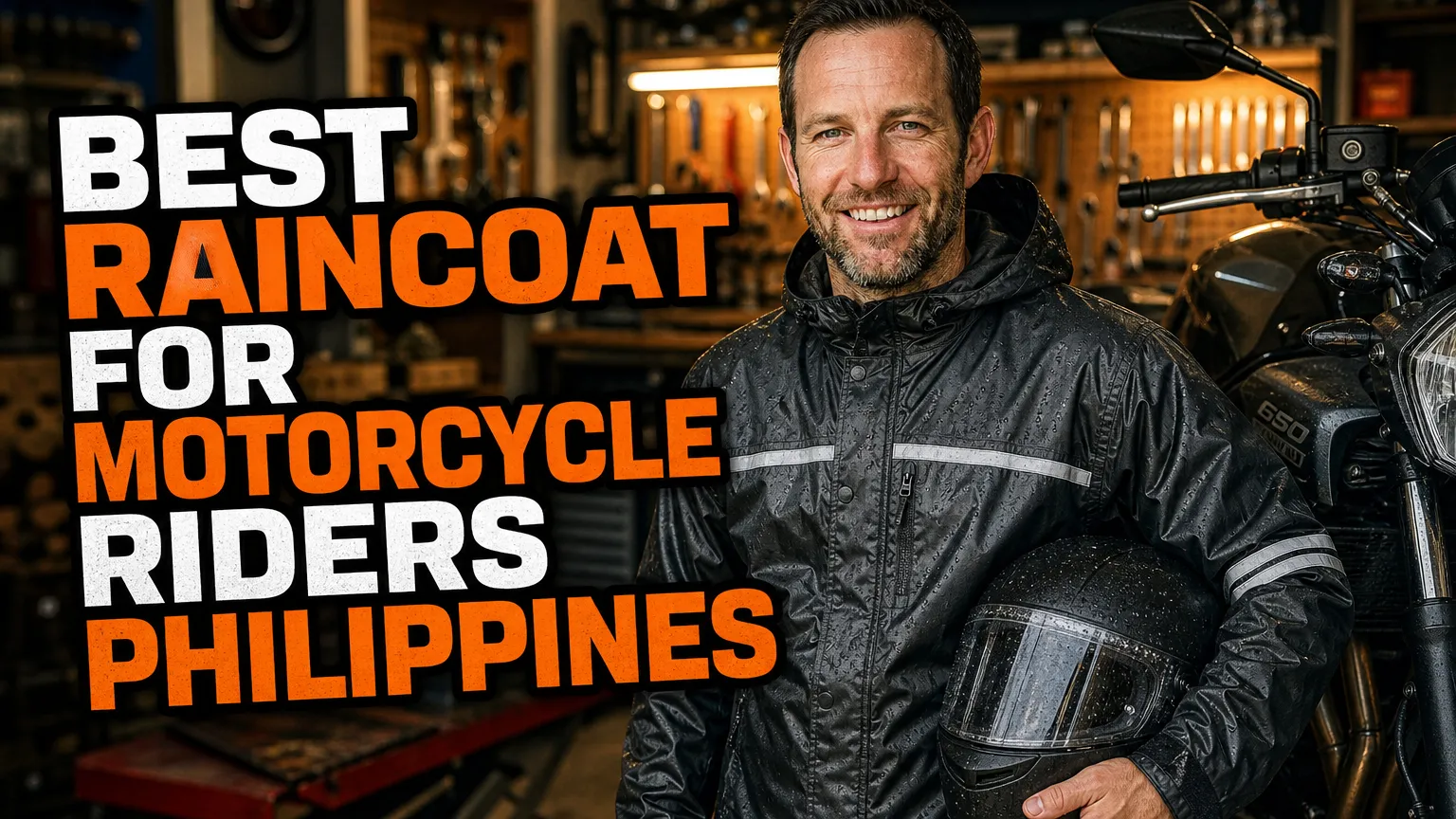
When rain rolls in during a Philippine commute, I want a rain layer that goes on quickly, covers my riding gear, and does not turn into a sail at speed. I also need to think about heat and humidity: a fully waterproof layer can feel clammy, so fit, ventilation, and how long I expect to ride matter just as much as the waterproof claim.
Below, I’ve rounded up eight real motorcycle rainwear products I’d consider, from packable over-jackets to full suits. Prices are broad estimates in Philippine pesos, since local stock, shipping, and imported-gear pricing can change; I always confirm the current model and features with the seller before ordering.
- I choose a two-piece rain suit for longer rides because it protects my legs as well as my jacket.
- I size rainwear over my normal riding gear and check that it stays secure at the wrists, waist, and ankles.
- I treat reflective details as a visibility aid, not a substitute for lights or careful riding.
- I use rainwear over protective motorcycle gear; a raincoat is not impact or abrasion protection.
1. REV’IT! Cyclone 4 H2O — My Packable Over-Jacket Pick
When I want something I can stash for an unexpected shower, I look at the REV’IT! Cyclone 4 H2O. It is a waterproof over-jacket designed to go on over motorcycle clothing, with REV’IT!’s Hydratex|Lite waterproof construction. That makes it a useful choice when I already own a riding jacket with armor and need a separate weather layer.
I like the over-jacket approach for stop-and-go urban rides: I can pull it on when the sky opens and remove it when the rain passes. I still check the fit over my actual riding jacket, especially at the collar and cuffs, because water can find its way in through a loose closure. I also make sure the hem does not ride up when I lean forward.
What I’d check before buying
I’d expect to pay roughly ₱6,000–₱10,000, depending on the seller and stock. The Cyclone 4 H2O is only the upper-body layer, so I pair it with waterproof trousers if I expect a long ride or heavy rain. I also remember that a waterproof shell can feel warm in the Philippines, particularly when I’m stopped in traffic.
2. Oxford Rainseal Over Jacket — My Straightforward Daily Layer
The Oxford Rainseal Over Jacket is one I’d consider when I want a recognizable brand and a dedicated layer to wear over my riding kit. Its over-jacket format keeps it simple: I leave my protective jacket on and add the rain layer outside it. I find that arrangement easier than trying to use a regular casual raincoat while riding.
For Philippine use, I pay special attention to how the jacket closes at the front, wrists, and neck. A well-fitting storm closure helps limit rain entry, but no jacket can compensate for a poor fit or a soaked pair of trousers. When I shop, I verify the exact Rainseal version and its construction details because product specifications and available colorways can vary by market.
Who I think it suits
I’d budget around ₱3,000–₱5,000 as a rough imported-gear estimate, then confirm the local price. I’d choose this for regular commuting when I want a separate shell that can live in my top box or backpack. If I ride after dark, I look for a high-visibility color or add reflective gear rather than assuming a dark rain jacket will make me easy to see.
3. Alpinestars Hurricane Rain V2 Jacket — My Branded Shell Option
I’d shortlist the Alpinestars Hurricane Rain V2 Jacket if I wanted a motorcycle-focused rain shell from a major riding-gear brand. It is designed as weather protection to wear over riding apparel, rather than as a replacement for an armored jacket. That distinction matters to me: I put it on over my protective gear, not directly over a T-shirt for a fast road ride.
Before buying, I check the seller’s listing for the exact V2 model and confirm the included features, sizing, and intended use. A light rain shell is appealing when I need to pack compactly, but I still inspect the fit around the collar, sleeves, and waist. If the fabric billows or the cuffs leave a gap, the jacket is less useful once I’m moving through wind-driven rain.
My practical take
I’d expect a broad price range of about ₱4,000–₱7,000, with imported stock sometimes costing more. I’d use it as an outer layer over a ventilated motorcycle jacket, especially for commuting or touring where I can stop to put it on. For more help planning a complete setup, I also refer to my guide to best motorcycle gear for daily riders.
4. Dainese Storm 2 Unisex Rain Jacket — My Compact Top-Half Cover
The Dainese Storm 2 Unisex Rain Jacket is another option I’d consider when I want a branded waterproof layer for my upper body. I like the uncomplicated idea of keeping a dedicated rain jacket with my motorcycle gear rather than relying on a streetwear shell that may not fit securely over riding armor.
I would not assume that a rain jacket alone will keep me dry on a long ride. Rain can run down from the hem, enter around gloves, or soak trousers, so I pair the Storm 2 with appropriate overpants when conditions call for it. Before ordering, I check the current product listing for its fabric and closure details, since availability and specifications can differ between retailers.
When I’d use it
For planning purposes, I’d allow roughly ₱4,000–₱7,000, but I’d treat that as an estimate rather than a guaranteed local price. I’d choose the Dainese Storm 2 for short-to-medium rides where I want an easy-to-pack upper layer. I also try it over my riding jacket before committing, since the right size needs to cover the gear without restricting my reach to the handlebars.
5. Komine RK-543 Breathable Rainwear — My Two-Piece Commuting Candidate
I’d look at the Komine RK-543 Breathable Rainwear when I want a rainwear set rather than just a jacket. A two-piece setup can cover my upper body and legs in one coordinated purchase, which is useful when I’m caught in steady rain on the way home. The “breathable” name is appealing in a humid climate, but I still expect to feel warm if I wear waterproof layers for a long time.
I check the specific RK-543 listing carefully before buying, including what comes in the set, how the jacket and trousers close, and the seller’s size chart. I never assume that “breathable” means I’ll stay cool in tropical weather. I also test the set over my usual riding gear at home, including sitting in riding position, to catch tight knees, short sleeves, or a waistband that shifts.
My sizing and price notes
I’d set aside approximately ₱3,000–₱6,000, depending on stock and import costs. I prefer this kind of full set for regular commutes when I need more coverage than an over-jacket can provide. If I’m shopping for a rider with a different fit requirement, I’d also compare the fit guidance in this article on best gear for female beginner motorcycle riders.
6. RS Taichi RSR048 DRYMASTER Rain Suit — My Full-Coverage Touring Choice
The RS Taichi RSR048 DRYMASTER Rain Suit is a model I’d investigate for longer rides when I want a dedicated jacket-and-trouser rain suit. RS Taichi’s DRYMASTER name is associated with its waterproof gear, but I still check the exact product documentation for the RSR048 and the version a retailer has in stock. I prefer buying from a seller who can confirm the included pieces and care instructions.
For touring, I value a suit that covers my legs as well as my torso, because road spray can soak riding pants quickly. I make sure the trousers fit over my normal gear and that the lower legs can sit securely over my boots. I also practice putting the suit on before a trip; wrestling with unfamiliar rainwear beside a wet roadside is not my idea of a good stop.
Where I think it earns its place
I’d estimate roughly ₱5,000–₱9,000, depending on import availability. The RSR048 is a strong candidate when I want one coordinated rain layer for touring rather than assembling a jacket and trousers separately. Riders comparing suit fit for an adventure bike can also browse my notes on best adventure touring motorcycle gear for short riders.
7. GIVI RRS02 Rain Suit — My Practical Matching-Set Option
The GIVI RRS02 Rain Suit is another full-set product I’d consider for keeping rain off my riding clothes. I like the convenience of a coordinated suit: jacket and trousers are designed to work together, so I don’t have to guess whether two separate pieces will overlap properly at the waist. I still check the exact listing to confirm what the current package includes.
Fit is the deciding factor for me. I try a rain suit over my motorcycle jacket and trousers, then move around as if I were on the bike. I want enough room to bend my knees and elbows, but I avoid loose material that could flap in the wind. I also check how the cuffs sit with my gloves and boots, since those overlaps are common places for rain to sneak inside.
My budget view
I’d use ₱2,500–₱5,000 as a rough planning range, not a quoted price. The GIVI RRS02 appeals to me as a practical everyday rain suit if I can find the right size locally. I’d pack it where I can reach it quickly, rather than burying it beneath tools and spare clothes, because sudden showers rarely wait for a convenient moment.
8. Nelson-Rigg AX-1 Rain Suit — My Tough-Use Suit Contender
The Nelson-Rigg AX-1 Rain Suit is a named two-piece option I’d compare when I want motorcycle-oriented rainwear from a specialist gear brand. Nelson-Rigg describes the AX-1 as a waterproof rain suit and highlights its construction for riding use. Since sellers may summarize the features differently, I verify the exact AX-1 specification and materials before ordering instead of relying on a short marketplace title.
I like the idea of a dedicated suit for days when the forecast looks especially unreliable. I still wear my normal protective jacket, gloves, boots, and riding pants beneath it. When I try the AX-1 on, I check that its jacket and trousers overlap in my riding position and that I can move freely without fabric pulling tight across my shoulders or knees.
My value check
I’d plan for roughly ₱4,000–₱7,000, subject to shipping and local availability. I’d compare the AX-1 against other suits by checking construction, closures, fit, and ease of packing rather than buying on a waterproof label alone. After a wet ride, I follow the care instructions and let the suit dry fully before storing it, so it is ready the next time the weather turns.
How I Choose Rainwear for Philippine Roads
I start with the ride, not the product label
For a short urban commute, I may prefer a compact over-jacket that I can quickly throw on over my protective gear. For longer rides, I lean toward a two-piece suit because it covers more of me and can reduce the amount of road spray soaking through my trousers. I match the style of rainwear to the ride I actually take, not an idealized trip I rarely do.
Heavy rain can arrive with little warning, and riding conditions vary from one route to another. I keep a rain layer accessible and check that it fits my usual gear before I need it. I also plan for wet gloves, wet roads, and reduced visibility, rather than treating a waterproof jacket as a complete solution.
I prioritize fit and useful closures
I try any raincoat over the jacket and trousers I wear on the motorcycle. I sit in riding position, reach forward, bend my knees, and check whether the sleeves and legs stay long enough. A rain layer that fits perfectly while standing in a shop can pull up or expose a gap once I’m seated on the bike.
I pay particular attention to the collar, front closure, wrists, waist, and ankles. I want the jacket and trousers to overlap, and I want cuffs that work with my gloves and boots. I avoid excessive loose fabric that could flap in the wind, but I leave enough room for my protective layers underneath.
I remember visibility and safety
Reflective accents or a high-visibility color can help me stand out in gloomy weather, but I never rely on them alone. I keep my lights working, leave extra following distance, and slow down when the road is slick. Rainwear is for weather protection; it does not replace a certified helmet, armor, gloves, or abrasion-resistant riding clothing.
I also plan what else I need for wet-weather rides. My gloves, boots, and storage matter too, so I use this guide to best accessories for motorcycle riders when I’m rounding out my setup. If I ride in colder conditions or at altitude, I consider warmth separately; heated socks are a comfort layer, not rain protection, and I compare options in my guide to best heated socks for motorcycle riders.
I pack and care for rainwear properly
I carry rainwear in a spot I can reach without unpacking everything. Before a longer ride, I inspect seams, closures, and elastic areas, and I make sure the suit is completely dry before putting it away. I follow the manufacturer’s care guidance, because harsh cleaners or careless drying can shorten the life of waterproof materials.
My overall choice depends on how much coverage I need and how often I ride in rain. I’d start by comparing the REV’IT! Cyclone 4 H2O or Oxford Rainseal Over Jacket for a simple upper-body layer, then look at the Komine RK-543, RS Taichi RSR048, GIVI RRS02, or Nelson-Rigg AX-1 if I want a full suit. I’d confirm local availability, check the fit over my gear, and choose the option I can put on quickly when the clouds open.
Frequently Asked Questions
What should I look for in a motorcycle raincoat in the Philippines?
I look for sealed seams, a secure closure, room for riding gear, reflective details, and a design that stays put in wind.
Is a rain suit better than a rain jacket for motorcycle riding?
I prefer a two-piece rain suit for longer rides because it covers my legs as well as my torso. A jacket can work for short trips when paired with waterproof overpants.
How should I choose a raincoat size for riding?
I try it over my usual jacket and check that I can reach the handlebars comfortably. I avoid excess fabric that could flap or snag.
Can I rely on a motorcycle raincoat as riding protection?
No. I use rainwear over proper motorcycle protective gear; a raincoat is for weather protection, not impact or abrasion protection.

Related Articles

5 Motorcycle Wrist Braces and Guards I’d Choose for Confident Riding
Compare five wrist braces and guards I’d consider for street and dirt riding, with fit, support, glove compatibility, and buying…
Jake Miller
11 min read

7 Under Armour Base Layers I’d Choose for Comfortable Motorcycle Rides
Discover seven Under Armour base layers for hot and cold rides, plus my fit tips and safety advice for wearing…
Jake Miller
10 min read

8 Best Motorcycle Base Layers for Staying Warm on Cold Rides
Compare eight rider-ready thermal base layers, from merino to synthetic options, with fit, warmth, layering advice, and picks for cold-weather…
Jake Miller
11 min read