
My Search for the Best Gloves for Adventure Motorcycle Riding (And What I Actually Wear)
 Jake Miller
11 min read
Jake Miller
11 min read
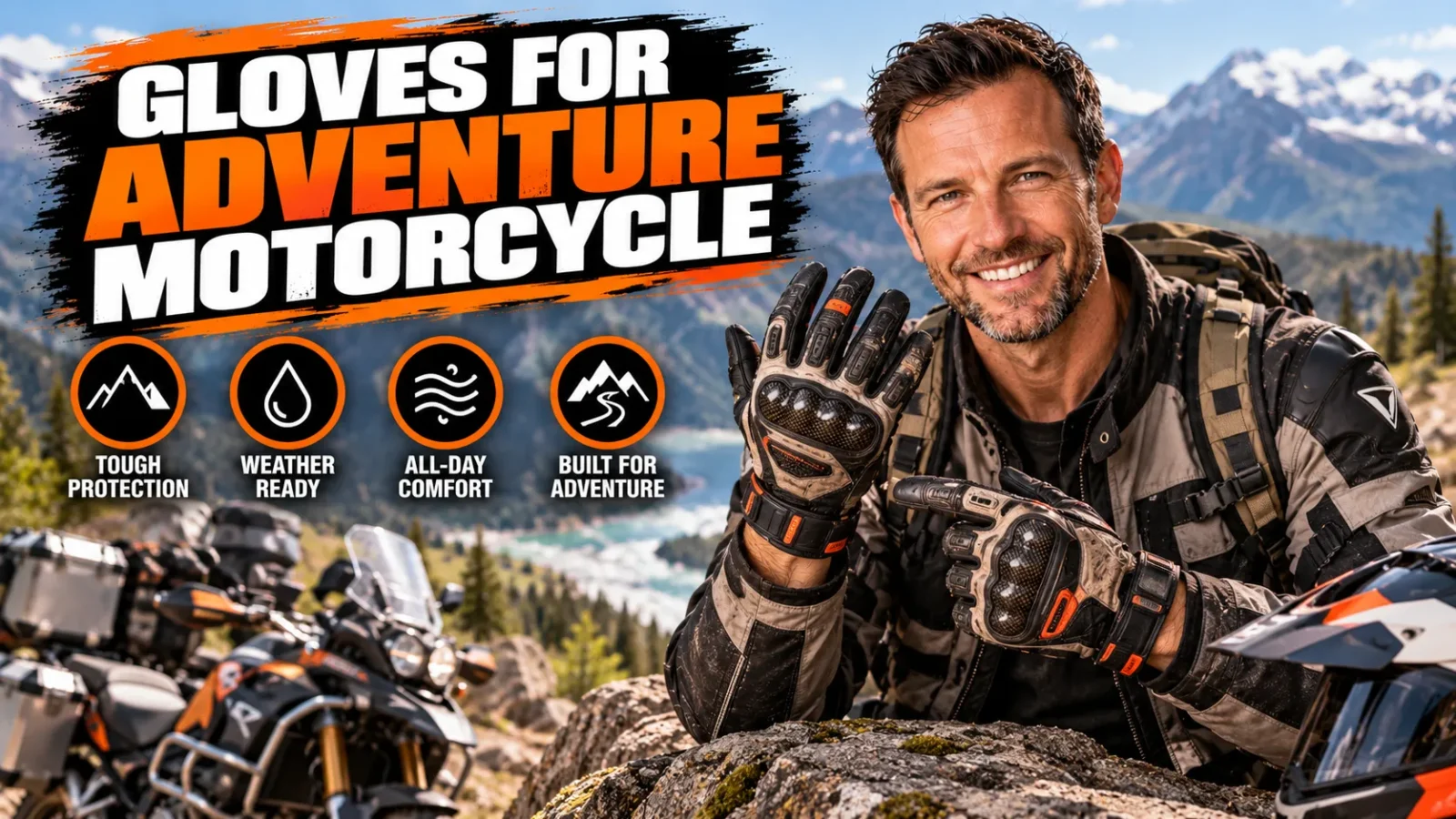
I’ve torn through three pairs of gloves in the last two years alone. One got shredded on a gravel switchback in Colorado, another melted slightly against my exhaust pipe in Utah, and a third simply stopped being waterproof after one too many river crossings in the Pacific Northwest.
That’s adventure riding for you. Your hands go through more abuse in a single weekend trip than most street riders see in a year.
So when people ask me what the best gloves for adventure motorcycle riding are, I don’t give a generic answer. I give them the gloves I’ve actually beat up, washed, dried by a campfire, and worn through sandstorms and sleet.
If you want the broader picture on glove categories and materials first, I’d point you to my Ultimate Guide to Motorcycle Gloves before diving into this ADV-specific breakdown.
- The best ADV gloves balance protection, breathability, and dexterity — no single glove does everything perfectly.
- I recommend owning at least two pairs: a warm-weather/off-road glove and a cold/wet-weather gauntlet glove.
- Gauntlet cuffs, hard knuckle armor, and goatskin or kangaroo leather palms are non-negotiable for serious ADV riding.
- Fit matters more than brand hype — a glove that’s too tight kills dexterity, too loose kills control.
- Budget riders can still get solid protection; I cover cheaper alternatives too.
Why Adventure Riding Destroys Regular Motorcycle Gloves
Adventure motorcycles live in two worlds. One minute you’re cruising a highway at 75 mph, the next you’re standing on the pegs picking a line through rocks and mud.
Your gloves need to handle both. That’s a much bigger ask than what a pure street glove or a pure dirt bike glove has to deal with.
Street gloves are usually too hot and too stiff for technical off-road sections. Motocross gloves offer great feel but almost zero abrasion protection at highway speeds.
I learned this the hard way wearing thin MX-style gloves on a 400-mile tarmac stretch. My hands were numb from vibration by hour three, and I had no wrist protection when I lowsided at low speed.
What ADV Riding Actually Demands From a Glove
Through trial and error, I’ve narrowed it down to a short list of non-negotiables. If a glove is missing more than one of these, I don’t buy it anymore.
- Abrasion resistance for pavement slides at speed
- Impact protection on knuckles and sometimes the palm/wrist
- Breathability for standing-up, high-effort riding in the dirt
- Weather resistance for the inevitable rain squall or cold mountain pass
- Dexterity to work clutch, brake, and buttons precisely
No glove maximizes all five at once. That’s the honest truth, and I’ll explain why as we go.
The Gloves I’ve Actually Ridden In (And Would Buy Again)
These aren’t affiliate-driven guesses. Every glove below has spent real hours on my hands, in real weather, on real trips.
1. My Pick for All-Around Three-Season ADV Riding
For roughly 80% of my ADV riding, I reach for a mid-weight gauntlet glove with a goatskin palm, hard knuckle armor, and a short mesh panel across the back of the hand.
This style handles everything from a 40°F morning start to a 90°F afternoon without me needing to swap gloves. The palm has enough texture for grip when things get wet or muddy.
What sold me was the pre-curved finger construction. After a full day gripping the bars, my hands weren’t cramping the way they used to with flatter, stiffer gloves.
Best for: Riders doing multi-day trips through variable terrain and weather, which honestly describes most adventure riding I’ve ever done.
2. The Glove I Grab for Hot, Technical Off-Road Days
When I know I’m spending a full day standing on the pegs in rocky, technical terrain, I switch to a lighter, more MX-influenced glove. Think minimal padding, maximum airflow, and a snug, second-skin fit.
The trade-off is obvious. Less armor means less protection in a highway-speed crash. I only wear these when I know my day is 90% dirt and low speeds.
My hands stay noticeably cooler and less fatigued in these gloves during summer trail rides. The feedback through the palm is incredible too, which matters a lot on technical single-track.
Best for: Hot climates, technical off-road days, riders who prioritize feel over max protection.
3. The Cold and Wet Weather Workhorse
Every ADV rider eventually gets caught in weather they didn’t plan for. I now always pack a dedicated cold/wet glove, even on trips forecasted as dry and warm.
Mountain weather changes fast, and getting caught at 9,000 feet in freezing rain with summer gloves is genuinely dangerous — your hands lose function long before your core does.
My cold-weather pair uses a waterproof membrane, a longer gauntlet cuff that seals tightly over my jacket sleeve, and a soft brushed liner. They’re bulkier, and my fine motor control drops slightly, but I’ll take that over frozen fingers.
If wet weather is a recurring theme where you ride rather than an occasional surprise, it’s worth reading my dedicated breakdown on the best motorcycle gloves for rain before you commit to one pair.
Best for: High-altitude routes, shoulder-season trips, anyone who’s been burned by an unexpected cold front.
4. A Budget-Friendly Option That Still Earns Its Spot
Not everyone wants to spend $150+ on gloves right out of the gate, and I get that. I’ve tested a few budget gauntlet gloves that punch well above their price.
They typically use synthetic leather instead of goatskin, and the armor is slightly thicker plastic rather than TPU composite. It’s not premium, but it’s real protection.
If you’re just getting into ADV riding and want something reliable without the premium price tag, my Best Beginner Gloves for Motorcycle guide has more detailed picks in this exact category.
Best for: New riders, riders on a tight budget, backup gloves for lending to a riding buddy.
What I Actually Look For When Buying ADV Gloves
After going through more pairs than I’d like to admit, I’ve built a mental checklist. Here’s what I actually inspect before handing over my money.
Palm Material
Goatskin is my personal favorite. It stays supple in cold weather, resists abrasion well, and breaks in faster than cowhide.
Kangaroo leather is thinner and offers incredible feel, but it’s pricier and I’ve found it less forgiving of long-term abuse from dirt and grit.
Synthetic palms have improved a lot, but I still notice a difference in grip once they get sweaty or wet compared to real leather.
Knuckle and Wrist Protection
I won’t buy an ADV glove without hard knuckle protection anymore. A low-speed tip-over on gravel can still break fingers if there’s nothing but soft fabric over the top of your hand.
Some higher-end gloves add a wrist strap or light wrist armor too. I appreciate this on gloves I wear for faster tarmac stretches, less so on the lightweight off-road-focused pairs.
Gauntlet Length and Closure
A proper gauntlet cuff that goes *over* your jacket sleeve keeps wind, water, and dirt from sneaking up your arm. I learned to appreciate this after riding with short-cuffed gloves in a dust storm — not fun.
Look for a wide, adjustable closure. My hands swell slightly on long rides, and being able to loosen the cuff mid-day makes a real difference in comfort.
Breathability vs. Weatherproofing
This is the eternal ADV glove trade-off. Waterproof membranes like Gore-Tex or similar proprietary linings keep water out, but they also trap heat and moisture in.
I’ve sweated through “waterproof” gloves on a warm, dry day just from lack of airflow. That’s why I keep separate gloves for separate conditions rather than hunting for one mythical do-it-all pair.
How I Test Fit Before Committing
Fit is where most riders get it wrong, myself included in my early years. A glove that feels fine standing in a shop can feel completely different gripping a bar for six hours.
My Simple In-Store Test
I make a full fist, then mimic pulling a clutch lever and reaching for a front brake. If my fingers bunch up painfully at the tips, the glove is too small, no matter what the size chart says.
I also check for excess material at the fingertips. Extra space there kills feel and can bunch up uncomfortably during long rides.
Break-In Expectations
Leather gloves, especially goatskin and cowhide, typically loosen up after a few rides. I usually buy snug rather than loose, knowing they’ll relax slightly.
Synthetic materials don’t break in the same way, so I size those closer to “comfortable immediately” rather than “will loosen eventually.”
Mistakes I’ve Made With ADV Gloves (So You Don’t Have To)
I’m not too proud to admit I’ve made some genuinely bad glove decisions over the years. Here are the big ones.
Buying One Glove for Every Season
I spent two years trying to find a single “perfect” glove for everything. It doesn’t exist. I now own at least two pairs and rotate based on the forecast and terrain.
Ignoring Palm Slide Protection
My first ADV glove had a soft, unpadded palm heel. When I put a hand down on pavement during a slow tip-over, I felt exactly how thin that protection really was.
Now I specifically check for a reinforced or padded palm slider, especially on gloves I plan to wear for highway miles.
Skipping the Wrist Closure Check
I once bought gloves with a single flimsy Velcro tab at the wrist. It worked loose constantly on rough trails, letting dust and cold air pour in.
Now I look for double closures or a wider strap system that actually stays put over hours of vibration and movement.
Caring for ADV Gloves So They Actually Last
Good gloves aren’t cheap, so I try to protect that investment. A few habits have genuinely extended the life of every pair I own.
Dry Them Properly
After a wet ride, I stuff my gloves loosely with newspaper or a dedicated boot/glove dryer and let them air dry away from direct heat. Direct heat sources like heaters or campfires crack leather fast.
I made this mistake once drying gloves too close to a fire. The leather stiffened and cracked within weeks.
Condition the Leather
Every few months, I apply a light leather conditioner to my main leather gloves. It keeps the material supple and helps maintain water resistance on non-membrane gloves.
Rotate Between Pairs
Owning two or three pairs isn’t just about weather flexibility. It also lets each pair fully dry and recover between rides, which extends the lifespan of the materials significantly.
My Final Take on Choosing ADV Gloves
If I had to boil down everything I’ve learned into one piece of advice, it’s this: buy for your actual riding, not for the trip you dream about once a year.
If 90% of your riding is highway and gravel roads with the occasional easy trail, prioritize a versatile three-season gauntlet glove over a hardcore off-road pair.
If you’re planning serious technical off-road days, invest in a breathable, dexterous glove and accept the reduced highway-speed protection as a trade-off you’re consciously making.
And if you’re still building your gear collection from scratch, don’t feel pressured to buy the most expensive option first. Solid, protective gloves exist at every price point — you just have to know what to look for.
I’ve beaten up a lot of gloves finding this out, so hopefully this saves you a few blisters, a few cold rides, and maybe a scraped-up palm along the way.
Frequently Asked Questions
What makes ADV gloves different from regular motorcycle gloves?
Adventure gloves blend the armor and abrasion resistance of street gloves with the breathability, dexterity, and weatherproofing needed for mixed on-road and off-road riding. Check out the Ultimate Guide to Motorcycle Gloves for a full breakdown of glove categories.
Should I buy waterproof gloves for adventure riding?
It depends on your climate. Waterproof membranes add warmth and dryness but reduce breathability. If you ride in frequent wet weather, I’d point you toward my picks in best motorcycle gloves for rain and consider carrying a separate rain layer instead.
Do I need gauntlet-style gloves for ADV riding?
Gauntlet cuffs that overlap your jacket sleeve keep out water, dirt, and cold air, which is why most serious ADV gloves use this design. Short-cuffed gloves are fine for warm, dry conditions but I don’t recommend them for long-distance adventure trips.
What’s a good budget option if I’m new to adventure riding?
You don’t need to spend a fortune right away. My Best Beginner Gloves for Motorcycle guide covers solid entry-level options that still offer real protection.

Related Articles
8 Best Waterproof Motorcycle Gloves for Summer Riding
I tested and researched the 8 best waterproof motorcycle gloves for summer, balancing breathability, dry hands, and all-day comfort. Find…
Jake Miller
10 min read
10 Best Motorcycle Gloves for Protection That I’d Actually Trust My Hands To
I've crashed, dropped bikes, and tested dozens of gloves. Here are the 10 best motorcycle gloves for protection I genuinely…
Jake Miller
11 min read
9 Best Mechanix Gloves for Motorcycle Riding You Can Actually Trust
I've tested Mechanix gloves on real rides—here are the 9 best models for motorcycle riding, from impact protection to cold-weather…
Jake Miller
11 min read