
Best Winter Motorcycle Gloves for Heated Grips: My Tested Picks for Warm Hands All Season
 Jake Miller
10 min read
Jake Miller
10 min read
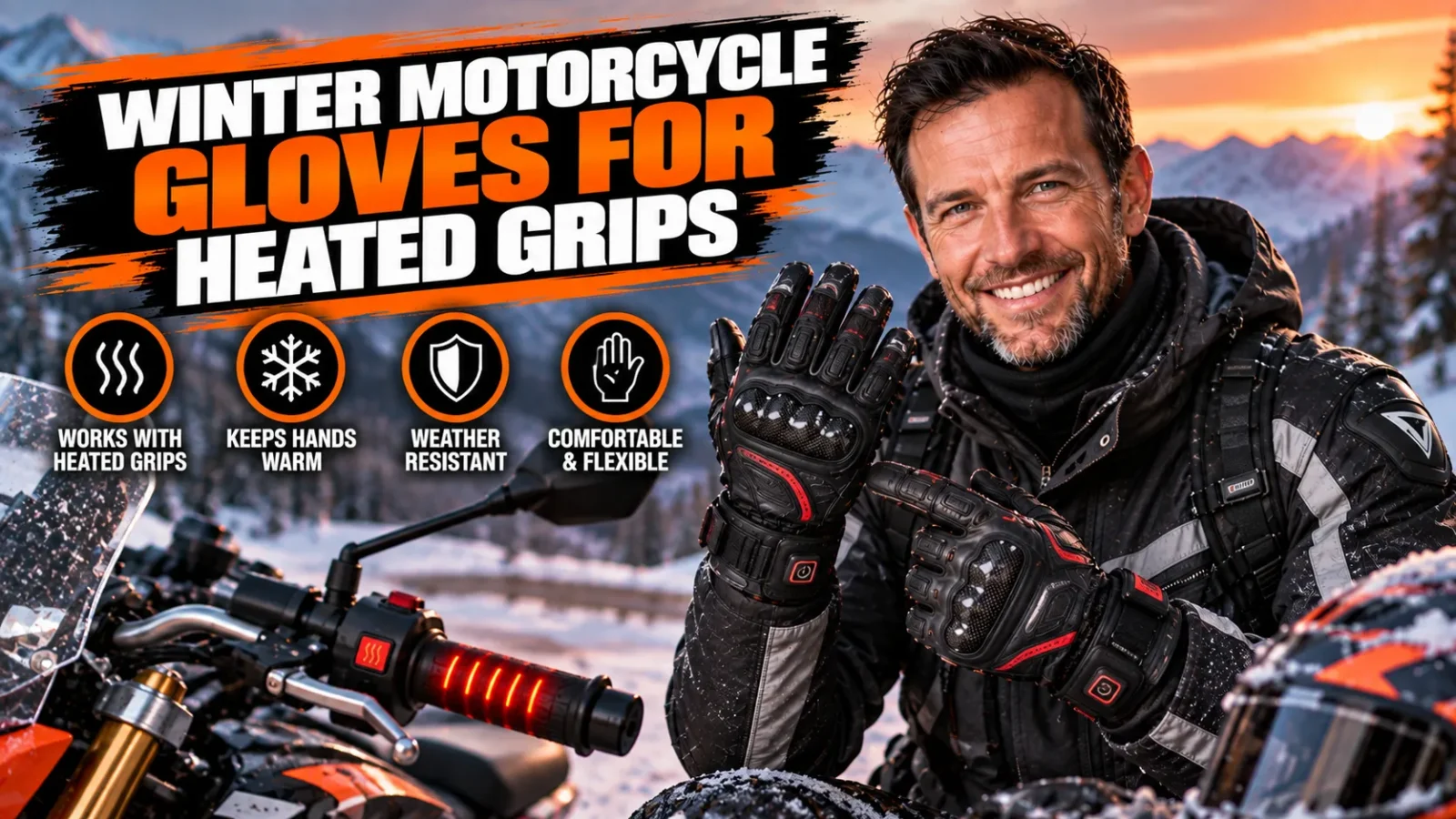
I still remember the first winter I rode with heated grips but the wrong gloves. My palms were toasty warm, but my fingertips felt like they belonged to someone else. That’s when I learned the hard way that not all winter gloves are built to work with heated grips.
Since then, I’ve gone through more pairs of winter motorcycle gloves than I care to admit — some amazing, some downright useless in the cold. This guide is everything I’ve learned about finding gloves that actually let heated grips do their job.
If you want a broader look at glove technology across all seasons, my Ultimate Guide to Motorcycle Gloves covers everything from materials to sizing. But today, I’m zeroing in on the cold-weather, heated-grip specific stuff.
- The best winter gloves for heated grips have thin, heat-conductive palms paired with heavily insulated backs and fingers.
- Look for gauntlet-style cuffs that seal over your jacket sleeve to lock out cold air and wind.
- My top picks balance dexterity, waterproofing, and warmth without feeling like oven mitts on the bars.
- Heated grips work best with gloves rated for moderate cold — save heavy expedition gloves for when your grips are off anyway.
- Fit matters more than insulation thickness; a glove that’s too snug kills circulation and makes you colder, not warmer.
Why Heated Grips Change Everything About Glove Shopping
Heated grips are a game-changer for cold-weather riding, but they only work if your gloves let the heat through. I learned this after buying a pair of heavily insulated snowmobile-style gloves that felt perfect off the bike.
On the bike, though, my palms never warmed up. The insulation was so thick it acted like a barrier between my skin and the heated grip surface.
That experience taught me the golden rule: palm thickness matters more than overall bulk. You want a glove that’s warm everywhere else but thin enough in the palm to let that grip heat radiate through.
The Palm-to-Back Insulation Balance
Good winter motorcycle gloves distribute insulation unevenly on purpose. The back of the hand and fingers get thick Thinsulate or Primaloft padding since they’re directly exposed to wind chill.
The palm, meanwhile, stays comparatively thin. This lets the heated grip’s warmth transfer efficiently while your knuckles and fingertops stay protected from the wind.
I always run my thumb across a glove’s palm before buying. If I can barely feel my own skin through the material, I know it won’t work well with heated grips.
Why Fit Trumps Thickness
Here’s something counterintuitive I discovered: a slightly tighter, thinner glove often keeps your hands warmer than a bulky, loose one. Tight gloves restrict blood flow, and poor circulation is the number one cause of cold fingers.
I now size my winter gloves to fit snugly but comfortably, leaving just enough room to wiggle my fingers. Anything looser traps cold air pockets; anything tighter chokes off circulation.
This is actually a lesson that applies across seasons too. In my post on the Best Beginner Gloves for Motorcycle riders, I hammer on fit being the single biggest factor in comfort, regardless of temperature.
What I Look for in a Winter Glove Built for Heated Grips
Over years of cold rides, I’ve built a mental checklist. These are the non-negotiables I look for before spending my money.
1. A Thin, Grippy Palm Material
Goatskin or a synthetic microfiber blend tends to work best. Both are thin enough to transfer heat while still giving you enough grip feel on the throttle and levers.
Avoid gloves with rubberized or heavily padded palms — they might look tough, but they’ll insulate you from your own heated grips.
2. Waterproof and Windproof Membranes
Cold and wet is a miserable combination. I always look for a waterproof membrane like Hipora or a proprietary equivalent sandwiched between the outer shell and the liner.
This keeps rain and slush out without adding noticeable bulk. If you ride in wet winter climates often, it’s worth cross-referencing with my guide to the best motorcycle gloves for rain for extra insight on membrane technology.
3. Gauntlet Cuffs That Actually Seal
A gauntlet cuff that goes over your jacket sleeve — not under it — blocks wind from sneaking up your arm. I’ve tested short-cuff gloves that looked stylish but let icy air funnel straight to my wrists.
Look for a cuff with an adjustable strap or Velcro closure. It should cinch down snug enough that no gap exists between glove and jacket.
4. Touchscreen-Compatible Fingertips
This feature seems minor until you’re trying to change your GPS route with numb fingers in 20-degree weather. Touchscreen compatibility on at least the thumb and index finger has become a must for me.
My Favorite Winter Gloves for Heated Grip Riding
I’ve narrowed this down to the gloves that consistently performed well on my own bike, which has heated grips as a factory option. These aren’t ranked strictly first-to-last — each one shines in a slightly different scenario.
The All-Rounder: A Goatskin-Palmed Touring Glove
My go-to pick for most winter rides is a touring glove with a goatskin palm, a windproof insert, and moderate Thinsulate insulation on the back of the hand. It strikes the perfect balance for heated grip compatibility.
Within about 90 seconds of switching my grips to medium heat, I can feel real warmth soaking through the palm. That’s the benchmark I now use for every glove I test.
The gauntlet cuff on this style also seals tightly over my jacket sleeve, which eliminates that annoying wind-funnel effect I mentioned earlier.
The Budget Champion: A Textile Winter Glove Under $60
Not everyone wants to spend $150+ on gloves, and I get that. I found a textile winter glove with a synthetic palm that performs shockingly well for the price.
It’s not quite as warm as premium leather options in extreme cold, but paired with heated grips, it kept my hands comfortable down to about 35°F on a two-hour highway ride.
If budget-friendly gear is your priority year-round, it’s worth browsing my roundup of the best cheap motorcycle gloves for summer too — the same brands often make solid winter budget options.
The Extreme Cold Warrior: A Lobster-Style Insulated Glove
For truly brutal mornings, I reach for a lobster-style glove that splits your fingers into two groups instead of four individual sleeves. It sounds odd, but it genuinely traps more warmth by letting fingers share heat.
Combined with heated grips, this style has kept my hands functional in sub-freezing temps that would otherwise have me parking the bike for the day.
The tradeoff is slightly reduced dexterity, so I only use these on commutes where I’m not doing much technical lever work.
The Premium Pick: A Leather Gauntlet with Primaloft Insulation
When I want the best of everything — warmth, waterproofing, durability — I go with a premium leather gauntlet glove using Primaloft insulation instead of standard Thinsulate. Primaloft compresses less over time, so the glove stays warm season after season.
These gloves are pricier, but I’ve had mine for three winters now and they still perform like new. That kind of longevity makes the upfront cost easier to swallow.
Common Mistakes I’ve Made (So You Don’t Have To)
Buying Gloves Too Thick “Just to Be Safe”
I used to think thicker automatically meant warmer. That’s simply not true once heated grips enter the equation.
An overly thick glove blocks grip heat, restricts blood flow, and makes your levers harder to operate precisely. Thin-but-insulated beats thick-and-bulky every time on a motorcycle.
Ignoring the Cuff-to-Jacket Interface
I spent one entire winter riding with short-cuffed gloves tucked under my jacket sleeves, wondering why my wrists were always freezing. Turns out wind was sneaking straight up my arms through the gap.
Switching to gauntlet-style gloves that go over the sleeve fixed the problem almost instantly. It’s a small detail that makes a massive difference.
Forgetting That Grip Heat Takes Time
Heated grips aren’t instant. Depending on your bike’s system, it can take two to five minutes for the grips to reach a comfortable temperature.
I’ve learned to turn my grips on before I even start riding, giving them a head start while I’m still checking mirrors and warming up the engine.
How Winter Gloves Compare to Other Seasonal Options
It’s worth noting how different winter gloves are from what I’d recommend for warmer months. In summer, I want the opposite: maximum airflow and minimal insulation.
My picks for the best motorcycle gloves for summer focus on perforated leather and mesh panels rather than waterproof membranes and thick insulation.
Even for style-focused riders, the seasonal gap is huge. My guide to best summer leather motorcycle gloves for women highlights lightweight, breathable leather that would be miserable in freezing temps but perfect for July rides.
Understanding this seasonal contrast helps explain why winter-specific design choices — like thin palms and sealed cuffs — matter so much when heated grips are involved.
Quick Buying Checklist Before You Commit
Before you click “buy,” run through this mental list. It’s saved me from a few regrettable purchases over the years.
- Palm thickness: Thin enough to feel grip heat within a couple minutes.
- Cuff style: Gauntlet that seals over your jacket sleeve, not under it.
- Waterproofing: A dedicated membrane, not just a water-resistant coating.
- Fit: Snug but not restrictive — you should be able to make a full fist comfortably.
- Insulation type: Primaloft or quality Thinsulate on the back of the hand and fingers.
Testing Gloves Before a Long Ride
I always recommend testing new winter gloves on a short 15-20 minute ride before committing to a long trip. This gives you a real sense of how quickly the heated grips warm your palms through the material.
If your fingertips are still numb after 20 minutes with grips on high, it’s a sign the insulation or fit isn’t right for your riding conditions.
Final Thoughts From My Own Cold-Weather Riding
Heated grips are one of the best upgrades you can make to a bike, but they’re only as good as the gloves you pair them with. I’ve wasted money on gloves that looked warm on paper but failed miserably on the road.
My advice: prioritize a thin, heat-conductive palm over sheer bulk, get a gauntlet cuff that actually seals, and don’t skip the waterproofing. Do that, and heated grips will keep your hands genuinely comfortable through the coldest months.
Winter riding doesn’t have to mean suffering through numb fingers. With the right glove and grip combo, I’ve ridden through temperatures I never thought I’d tolerate on two wheels — and honestly, some of my favorite rides have happened on those crisp, cold mornings.
Frequently Asked Questions
Do I need thinner gloves if I have heated grips?
Not necessarily thinner, but you do need gloves with a palm thin enough to feel the heat transfer from your grips. Bulky insulation on the palm can block that warmth, so look for gloves with lighter palm padding and heavier insulation on the back of the hand and fingers instead.
Will heated grips work with any winter glove?
Technically yes, but thick ski-style gloves or heavily padded palms will insulate your hands from the grip’s heat rather than letting it through. For best results, pair heated grips with gloves designed for motorcycle use, like the ones I cover in my Ultimate Guide to Motorcycle Gloves.
What’s the difference between heated grip gloves and heated gloves?
Heated grip gloves rely on warmth transferred from your bike’s grips through a thin palm, while heated gloves have their own battery-powered heating elements built in. I use heated-grip-compatible gloves for most rides and save battery-heated gloves for truly brutal, sub-freezing commutes.
How do I know if my winter gloves are too bulky for heated grips?
If you have to squeeze the throttle or clutch lever awkwardly, or your fingers feel numb despite the grips being on, your gloves are likely too thick. A good winter glove should let you feel the heated grip’s warmth within a minute or two of turning it on.

Related Articles
8 Best Waterproof Motorcycle Gloves for Summer Riding
I tested and researched the 8 best waterproof motorcycle gloves for summer, balancing breathability, dry hands, and all-day comfort. Find…
Jake Miller
10 min read
10 Best Motorcycle Gloves for Protection That I’d Actually Trust My Hands To
I've crashed, dropped bikes, and tested dozens of gloves. Here are the 10 best motorcycle gloves for protection I genuinely…
Jake Miller
11 min read
9 Best Mechanix Gloves for Motorcycle Riding You Can Actually Trust
I've tested Mechanix gloves on real rides—here are the 9 best models for motorcycle riding, from impact protection to cold-weather…
Jake Miller
11 min read