
Best Gloves for Female Motorcycle Riders: My Honest Picks & Fit Guide
 Jake Miller
11 min read
Jake Miller
11 min read
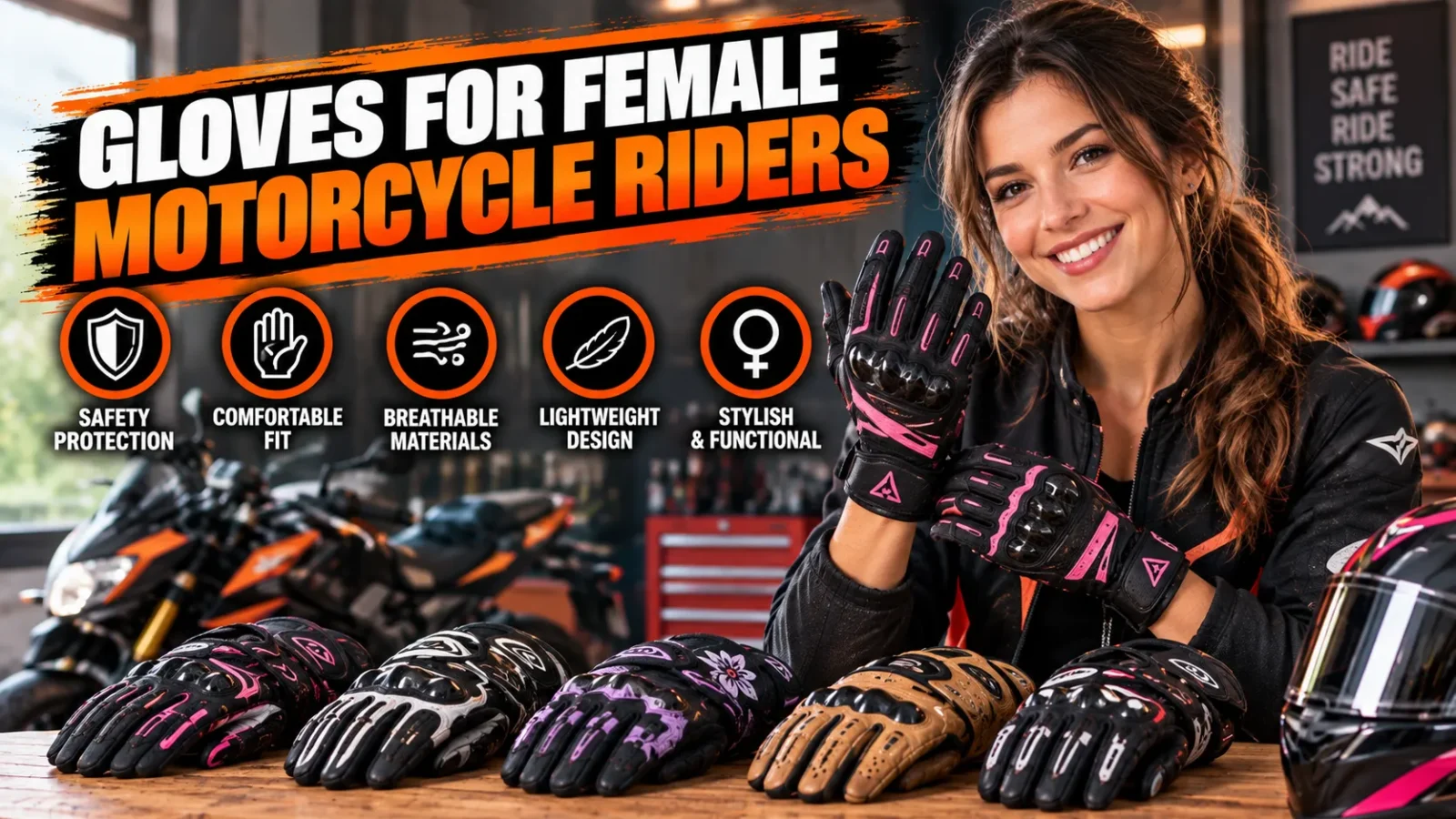
I’ve lost count of how many times I’ve walked into a gear shop, tried on a “small” glove, and still had two inches of empty leather flopping past my fingertips. If you ride and you’re not built like a 6-foot linebacker, you already know this pain.
Finding gloves that actually fit a woman’s hand isn’t just about comfort. It’s about whether your fingers can actually work the clutch, the throttle, and the brake lever when it matters most.
I’ve spent years testing gloves across seasons, weather, and riding styles, and I’m sharing exactly what’s worked for me. For a deeper dive into materials, armor ratings, and sizing science, my Ultimate Guide to Motorcycle Gloves covers everything in detail. But here, I’m keeping it focused, practical, and specific to us.
- Fit matters more than brand hype, look for gloves cut specifically for women’s hand shapes
- My top picks vary by season: leather for summer style, mesh for summer heat, and insulated for cold rides
- CE-rated knuckle armor and palm sliders are non-negotiable, no matter how pretty the glove looks
- Budget doesn’t mean unsafe, there are great cheap options that still protect you properly
- Always try before you buy if you can, glove sizing varies wildly between brands
Why Women-Specific Motorcycle Gloves Actually Matter
I used to think “women’s gloves” was just marketing fluff, smaller sizes of the same men’s pattern with a different color. I was wrong.
Women’s hands aren’t just scaled-down men’s hands. We typically have shorter fingers relative to palm width, and a narrower wrist-to-hand ratio. A glove built on a men’s last just doesn’t translate well, no matter how small the size tag says it is.
The Real Problem With Unisex Sizing
When I wore men’s small gloves early on, I noticed the fingertips always had dead space. That extra material bunches up right where I need precision, on the brake lever and throttle.
That dead space isn’t just annoying. In a slide or a crash, loose material can shift the armor out of position, which defeats the whole point of wearing protective gear in the first place.
What a Proper Fit Should Feel Like
A well-fitted glove should feel snug everywhere, like a second skin, but never restrict your ability to make a fist. If you can’t comfortably grip your handlebar and squeeze the brake lever, the size is wrong.
I always test this in the shop before buying: mimic your riding position, grip an imaginary bar, and flex your fingers hard. If anything pinches or bunches, size up or down accordingly.
My Top Picks for Best Gloves for Female Motorcycle Riders
I’ve broken these down by use case because honestly, no single glove does everything well. What works for my summer commute isn’t what I reach for on a chilly morning ride.
Best All-Around Leather Glove
My go-to leather pair has been a genuine game-changer for daily riding. The goatskin leather is thin enough to keep good feel on the controls, but it’s got hard knuckle armor and palm sliders built right in.
What sold me was the pre-curved finger design. Straight-cut gloves always felt stiff when gripping, but the curved pattern matched my natural hand position from the first ride.
If you’re drawn to the classic leather look but want something built specifically for warmer months, I’d point you toward my breakdown of the best summer leather motorcycle gloves for women. That guide gets into breathability without sacrificing that leather feel.
Best Glove for Hot Summer Rides
When temperatures climb past 90°F, leather starts feeling like an oven mitt. That’s when I switch to a mesh and textile combo glove with perforated panels across the back of the hand and fingers.
These gloves still carry knuckle protection, which surprised me given how light they feel. I’ve worn them on five-hour highway stretches in July without my hands turning into a sweaty mess.
I go into a lot more detail on airflow construction and materials in my full roundup of the best motorcycle gloves for summer, which is worth a read if heat is your main concern.
Best Budget-Friendly Option
Not everyone wants to drop $150 on gloves, and honestly, you don’t have to. I tested a pair under $40 that still had CE-rated armor and decent stitching, and I was genuinely surprised.
The leather wasn’t as supple as my pricier pairs, and the venting was minimal. But for someone just starting out or riding occasionally, this is a smart, safe way to spend less.
I actually put together a whole list of affordable options if budget is your priority, check out my picks for the best cheap motorcycle gloves for summer for more choices in this range.
Best Glove for Rainy Rides
I ride year-round where I live, which means I’ve had to deal with plenty of wet mornings. A waterproof glove with a membrane liner has saved my hands more times than I can count.
The key thing I look for here is a glove that stays waterproof without turning into a sauna the second the sun comes out. Some membranes breathe better than others, and it makes a huge difference on longer rides.
My detailed comparison of the best motorcycle gloves for rain covers which brands nailed this balance and which ones left my fingers pruney by hour two.
Best Pick for New Riders
If you’re just getting into riding, I remember how overwhelming glove shopping felt. So many options, so much jargon about armor ratings and abrasion resistance.
My advice: start simple. Get a glove with solid knuckle protection, a secure wrist strap, and decent palm padding. You don’t need race-spec gear for your first year of riding.
I wrote a full guide specifically for this stage of riding, my picks for the best beginner gloves for motorcycle riders walks through exactly what to prioritize and what you can skip for now.
What I Actually Look For When Testing Gloves
After years of buying, testing, and sometimes returning gloves that just didn’t work, I’ve built a mental checklist. It’s saved me from wasting money more than once.
Armor and Protection Level
I always check for a CE rating on the packaging or tag. This tells you the glove has passed actual impact and abrasion testing, not just marketing claims about “protection.”
Hard knuckle armor is essential for me, no exceptions. I also look for palm sliders, those hard plastic or composite patches that let your hand slide instead of grip the pavement in a fall.
Material Quality
Full-grain leather has been the most durable option in my experience, though it’s heavier and less breathable than textile blends. I lean toward leather for spirited rides and textile for commuting.
Stitching matters more than people realize. I look for double or triple stitching along seams, especially at the fingers, since that’s where wear shows up first.
Wrist Closure and Cuff Design
A glove can have amazing armor and still fail you if it flies off your hand in a crash. That’s exactly what a secure wrist closure prevents.
I prefer gauntlet-style cuffs that go over my jacket sleeve for serious riding, and shorter cuffs for casual summer rides. Either way, I make sure the strap is adjustable and snug, not just decorative.
Touchscreen Compatibility
This sounds minor until you’re stuck at a gas station trying to pull up directions with your teeth because you can’t work your phone screen. Most of my newer gloves have conductive fingertip patches now.
It’s a small feature, but honestly, it’s become a dealbreaker for me. I won’t buy a glove anymore without at least one touchscreen-compatible finger.
How to Get Your Sizing Right the First Time
I’ve made the mistake of ordering online based on generic size charts, and it rarely goes well. Every brand runs slightly different.
Measuring Your Hand Properly
Wrap a soft tape measure around your palm, just below the knuckles, excluding your thumb. That measurement in inches roughly corresponds to most glove size charts, though I always double-check against the specific brand’s chart.
I also measure my finger length separately now, from the base of my palm to my middle fingertip. Some brands run long in the fingers even when the palm width matches perfectly.
Trying Before Buying
Whenever possible, I try gloves on in person before purchasing, especially from a new brand. Online reviews help, but hand shapes vary so much that someone else’s “perfect fit” might be your worst nightmare.
If you must order online, buy from retailers with generous return policies. I’ve returned at least four pairs of gloves in my riding life simply because the online sizing didn’t match reality.
Breaking In New Leather Gloves
New leather gloves often feel stiffer than they’ll eventually be. I wear mine around the house for short stretches before my first real ride, just flexing my hands and making fists repeatedly.
This breaks the leather in gently and helps me catch any fit issues before I’m counting on the glove during an actual ride. Trust me, discovering a bad fit at 60 mph is not the time.
Seasonal Glove Strategy: Why I Keep Multiple Pairs
I used to think one “good enough” glove could handle every season. That approach cost me comfort in summer and cold fingers in winter, so I stopped trying to make one pair do it all.
My Warm-Weather Setup
For anything above 75°F, I want mesh panels, perforated leather, or a lightweight textile blend. Less material means better airflow, and honestly, better feel on the controls too.
I still insist on knuckle protection even in summer gloves. Heat doesn’t reduce your crash risk, so I’m not willing to trade safety for comfort just because it’s warm out.
My Cold and Wet Weather Setup
For colder rides, I switch to insulated gloves with a windproof membrane. Losing dexterity from cold fingers is genuinely dangerous, you need full control of the clutch and brake at all times.
For rain specifically, I keep a dedicated waterproof pair separate from my winter gloves. Cold and wet are different problems, and gloves designed for one don’t always solve the other well.
Common Mistakes I See Other Women Riders Make
I’ve made most of these mistakes myself before learning better, so consider this a shortcut past my trial and error.
Buying Based on Looks Alone
I get it, some gloves look incredibly cute. But a glove without proper armor and a secure fit isn’t protecting you no matter how good it looks in photos.
My rule now: safety features first, style second. Thankfully, most reputable brands manage to nail both these days.
Ignoring the Wrist Fit
A lot of riders focus entirely on finger and palm fit, then forget to check the wrist opening. If a glove is loose at the wrist, it can twist or shift during a fall.
I always cinch the wrist strap tight enough that I can’t easily slide the glove off without unfastening it first. That’s my personal test for a secure fit.
Skipping Palm Sliders
Some fashion-forward gloves skip palm sliders entirely to keep a sleek look. I avoid these now, since sliding on pavement without that protection means your palm skin absorbs the friction instead.
It’s a small feature that’s easy to overlook until you actually need it, and by then it’s too late to add it back in.
My Final Thoughts on Choosing the Right Pair
After all my trial, error, and honestly a few scraped-up gloves from minor drops, I’ve landed on a simple approach. Fit first, protection second, style third, in that exact order.
Every rider’s hands and riding style are different, so what works perfectly for me might need tweaking for you. Try things on, test your grip, and don’t settle for “close enough” when it comes to something protecting your hands.
Whatever you choose, make sure it’s built for how you actually ride, not just how you want to look while riding. Your hands will thank you the first time you actually need that protection to work.
Frequently Asked Questions
Are women’s motorcycle gloves really different from men’s?
Yes. Women’s gloves are cut with a narrower palm, shorter fingers, and a slimmer wrist opening. Wearing men’s gloves usually means extra fabric bunching at the fingertips, which hurts grip and feel on the controls.
What’s the most important feature in a women’s motorcycle glove?
Fit comes first, always. A glove with great armor but a loose fit will slide around and fail you in a crash. After that, prioritize palm sliders, a secure wrist closure, and CE-rated knuckle protection.
Can I use the same gloves for summer and winter riding?
Not really. I keep separate pairs, my summer gloves are vented and thin, while my cold-weather pair is insulated and windproof. Trying to make one glove do both jobs always ends in compromise.
Are budget gloves worth buying if I’m new to riding?
Absolutely, especially when you’re still figuring out your riding style. A solid pair of beginner gloves can protect you just as well as pricier options, as long as they’re CE-rated and fit snugly.

Related Articles
8 Best Waterproof Motorcycle Gloves for Summer Riding
I tested and researched the 8 best waterproof motorcycle gloves for summer, balancing breathability, dry hands, and all-day comfort. Find…
Jake Miller
10 min read
10 Best Motorcycle Gloves for Protection That I’d Actually Trust My Hands To
I've crashed, dropped bikes, and tested dozens of gloves. Here are the 10 best motorcycle gloves for protection I genuinely…
Jake Miller
11 min read
9 Best Mechanix Gloves for Motorcycle Riding You Can Actually Trust
I've tested Mechanix gloves on real rides—here are the 9 best models for motorcycle riding, from impact protection to cold-weather…
Jake Miller
11 min read