
Best Motorcycle Seats for Tailbone and Back Pain Relief: What Helps and What Doesn’t
 Jake Miller
13 min read
Jake Miller
13 min read
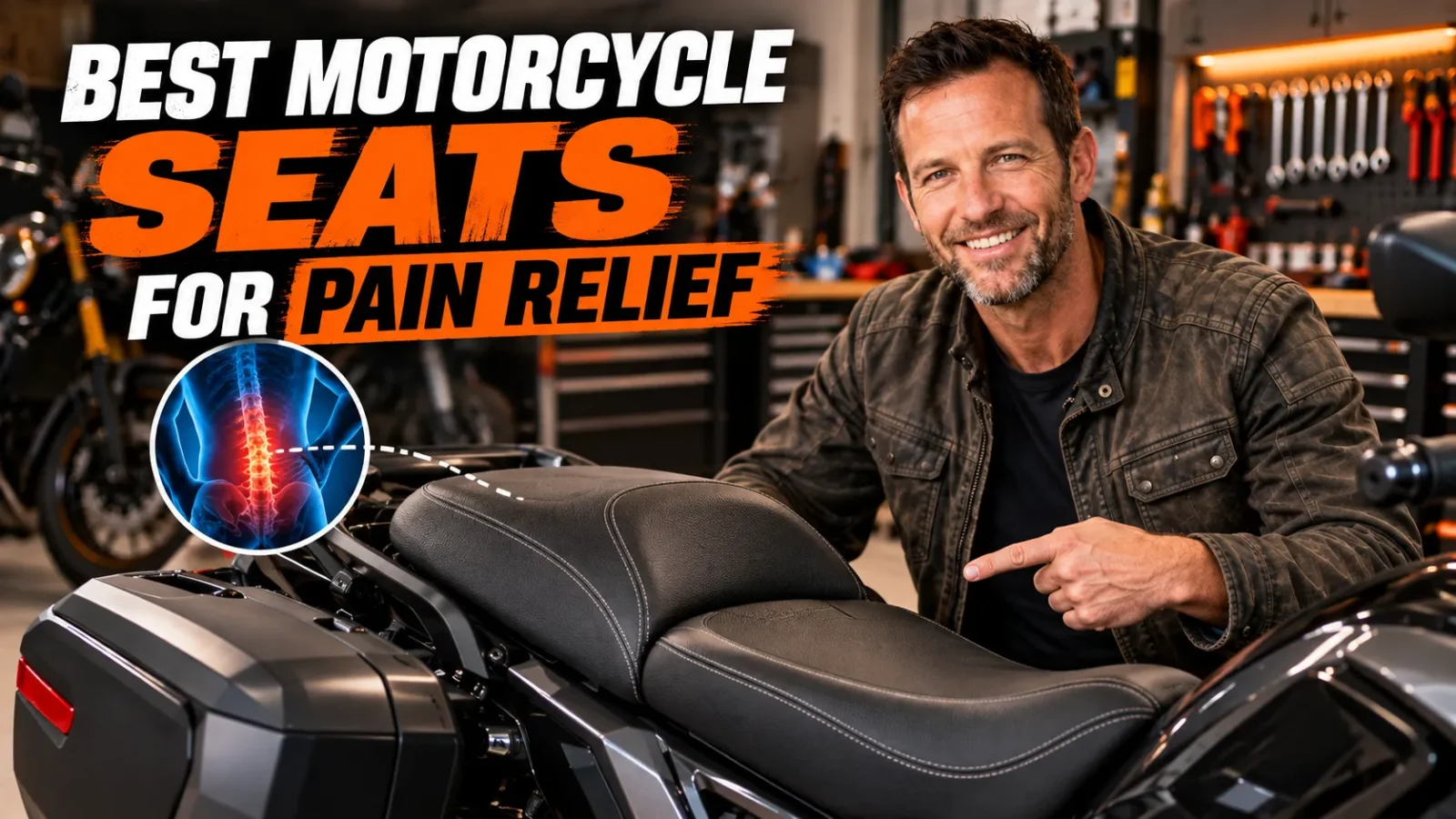
If every ride ends with you wincing as you climb off, the answer usually isn’t toughing it out. It’s understanding where the pressure is coming from and fixing that.
This post is part of my seat series. For the foundations, including foam, pan shape and cover, start with my complete guide to the best motorcycle seat, then use this page for the pain-specific details.
- Pain on a bike usually comes from concentrated pressure, a bad seat shape, or a riding position that tilts you onto your tailbone or loads your spine.
- For tailbone pain, look for a seat with a shaped rear that supports the sit bones and keeps pressure off the tailbone, and avoid seats that slope you backward.
- For back pain, the riding position often matters as much as the seat. Check bar reach, peg position and posture before buying anything.
- For sensitive-area pressure, look for relief channels or cutouts and a firmer, well-shaped seat. A seat can reduce pressure but cannot treat a medical problem.
- Persistent, severe or worsening pain, numbness or bleeding needs a doctor. I’m a rider, not a medical professional.
- Cheaper fixes first: gel pads, better riding position, regular breaks. See my seat cushion guide.
[IMAGE PLACEHOLDER 1: Featured image] Alt text: Rider stretching their lower back beside a motorcycle during a rest stop AI image prompt: Photorealistic image of a rider in a riding jacket stretching their lower back beside a parked touring motorcycle at a roadside rest stop, scenic hills in the background, late afternoon light, no visible brand logos, no readable license plate, 16:9.
A Quick, Honest Disclaimer First
I’m a rider who has spent a lot of time thinking about seats. I’m not a doctor, a physiotherapist or an ergonomist. Everything in this post is about how seats and riding position affect pressure and comfort. It is not medical advice.
If you have severe pain, numbness, tingling, bleeding, pain that wakes you at night, or anything that doesn’t improve with rest, please see a medical professional. A seat can reduce pressure, but it cannot diagnose or treat a medical condition, and pain that keeps coming back is a signal to take seriously.
With that said, a huge amount of riding discomfort comes from the seat and the position it puts you in, and that’s something we can work on.
Why Does Riding Hurt in the First Place?
Before I get to products, I want you to understand the mechanics, because it changes what you buy.
Pain on a motorcycle seat usually comes from one of four things:
- Concentrated pressure. Your weight rests on a small area instead of being spread out.
- Poor seat shape. The seat slopes you the wrong way, tilting you backward onto your tailbone or forward onto sensitive tissue.
- Foam that’s too soft or too hard. Too soft and you bottom out. Too hard and you get hot spots.
- Riding position. If your spine, hips or knees are loaded awkwardly, pain shows up in your back or tailbone even if the seat is decent.
Once you know which one is your problem, the fix becomes much more obvious.
Tailbone Pain: What’s Going On and What Helps
Tailbone pain is probably the most common complaint I hear, especially from cruiser riders.
Why It Happens
On many cruisers, the riding position puts you low with your feet forward. Your pelvis tilts backward, and your weight lands on the rear of the pelvis and the tailbone instead of the sit bones. Add vibration and bumps, and the tailbone takes a beating.
What Helps
- A seat with a supportive rear “bucket.” This stops you sliding backward and encourages your weight to sit on your sit bones rather than your tailbone.
- Good lumbar or back support. Some seats include a raised rear section that supports your lower back. This can help you stay upright rather than slumping.
- A relief channel at the back. Some seats are shaped so the tailbone area has less direct pressure.
- Firm, dense foam. Soft foam lets your tailbone sink through to the pan.
- Sitting position tweaks. Sliding slightly forward, or adjusting your foot position, can shift pressure.
What Doesn’t Help
A big, soft, pillowy seat. It feels great for 15 minutes, then your tailbone compresses it flat and you’re sitting on the pan.
Back Pain: The Seat Is Only Half the Story
For back pain, I always ask riders the same question: “Where does it hurt, and when?”
- Lower back after an hour? That often points to your position, such as bars too far away or posture that rounds your back.
- Upper back or shoulders? Probably bar reach or wind pressure.
- Aching that gets worse over time? Vibration and static posture can add up.
Seat Features That Can Help
- Back support. A seat with a built-in backrest section or a shaped rear can help keep your pelvis in a better position.
- Shock and vibration absorption. Gel, quality foam and some seat designs can reduce the buzz that travels up your spine.
- Room to move. A seat that lets you slide forward and back slightly means you can change position.
Position Changes That Can Help (Often for Free)
- Adjust the bars. Bars that are too far forward make you reach and round your back. Bars that are too close cramp you.
- Check your pegs or floorboards. If your knees are too tight or too extended, your hips and back pay for it.
- Think about posture. Sit tall, relax your arms, and don’t lock your elbows.
- Take breaks. Stand on the pegs for a moment (when it’s safe), stretch at stops and don’t ride through pain.
[IMAGE PLACEHOLDER 2: Pressure points diagram] Alt text: Diagram showing pressure points on a rider’s pelvis and tailbone on a motorcycle seat AI image prompt: Clean anatomical-style illustration of a rider silhouette seated on a motorcycle seat, highlighting pressure zones at the sit bones, tailbone and thighs with soft colored overlays, minimal labels, white background, medically neutral and non-graphic, 3:2.
Pressure in Sensitive Areas
This is the part riders are often too embarrassed to ask about, and I’d rather talk about it plainly because it affects a lot of people. Searches like best motorcycle seat for hemorrhoids are common, which tells me many riders are dealing with this quietly.
What a Seat Can and Can’t Do
A seat can reduce direct pressure on sensitive tissue. It cannot treat a medical condition. If you have a condition like hemorrhoids or any other pain, swelling, bleeding or discomfort in that area, please see a doctor. Riding for long hours can aggravate a problem, and it’s worth getting proper advice about what’s safe for you.
What to Look For in a Seat
- A relief channel or cutout. Some seats are shaped with a channel down the centre to reduce pressure on soft tissue.
- Firm, shaped support. A seat that distributes weight across the sit bones and thighs reduces pressure in the middle.
- A shape that doesn’t force you forward. If you slide forward into a narrow nose, pressure concentrates exactly where you don’t want it.
- Breathable materials. Heat and moisture can add to discomfort, so a cover that doesn’t trap heat helps.
Other Practical Steps
- Take more breaks. Even five minutes off the bike every hour or so helps.
- Change position often. Slide back and forward, stand on the pegs briefly, shift your weight.
- Wear suitable clothing. Padded riding shorts or well-fitting gear can reduce friction and pressure.
- Stay hydrated and eat well. General health matters, and a doctor can advise on specifics.
I’ll repeat: if you have ongoing symptoms, please talk to a doctor. I’d rather you ride a bit less and be healthy than push through.
Seat Types Worth Considering
There are a few different ways to tackle pressure, and the right one depends on your bike and budget.
1. A Better-Shaped Aftermarket Seat
If your stock seat’s shape is the problem, no cushion will fully fix it. A seat designed around supporting the rider properly can make a huge difference. Names often discussed for comfort include Corbin, Mustang, Saddlemen, Sargent and Russell Day-Long, among others. Availability and fitment vary by bike, so check each maker’s current listing for your exact model. And read reviews from riders with a similar build and riding style.
2. Gel Seat Pads and Inserts
A gel pad can spread pressure and reduce vibration. It’s one of the cheapest things to try. The trade-offs are heat in warm weather, extra weight and the fact that a pad can’t fix a badly shaped seat.
3. Air Cushions
Air cushions let you adjust firmness and can reduce pressure points. They need attention to inflation and can feel less stable in corners for some riders. They’re a personal-preference option.
4. Memory Foam
Memory foam molds to your shape and can feel great at first. It can also be warm and sometimes sinks too far. I find it works best as a thin top layer on firmer foam.
5. Sheepskin
Sheepskin is breathable and helps with temperature and friction. It isn’t a miracle cure, but many riders on long trips swear by it.
For detail on each of these, see my guide to seat cushions for long-distance touring.
A Step-by-Step Way to Find Your Problem
If you’re not sure what’s causing your pain, try this over a few rides. It’s simple, free, and it helps you spend money wisely.
- Note where it hurts. Tailbone, sit bones, thighs, lower back, shoulders.
- Note when it starts. After 20 minutes? An hour? Three hours?
- Change one thing at a time. Adjust your bars, then your position, then add a pad.
- Compare. Does the pain start later? Is it less intense?
- Decide. If a cushion helps, you may not need a new seat. If nothing helps, the seat shape or your fit is probably the problem.
This approach stops you buying an expensive seat for what turns out to be a handlebar problem.
Features Worth Paying For
If you decide a new seat is the answer, here’s what I’d prioritise.
| Problem | Seat feature to look for |
|---|---|
| Tailbone pain | Supportive rear shape, firm foam, rear relief |
| Lower back ache | Back support, vibration damping, room to move |
| Pressure on soft tissue | Relief channel or cutout, shaped support |
| Numbness in thighs | Better width and contour, change position often |
| Heat and sweat | Breathable cover, sheepskin or mesh option |
It’s not exhaustive, but it gives you a framework for comparing seats.
The Role of Your Bike and Riding Style
Not every bike causes the same problems.
- Cruisers tend to cause tailbone and lower back issues because of the reclined posture.
- Sport bikes put weight on wrists and shoulders and push you forward onto the seat’s narrow nose.
- Adventure bikes often have tall, firm seats that can be fine for short rides but tiring on long days.
- Hardtails transmit more vibration. See my guide to seats for hardtail motorcycles.
- Touring bikes usually have better seats but may still need tweaking. If you ride a Harley, my guide to Harley touring seats may help.
Knowing what your bike tends to do helps you choose a fix that fits.
Gear and Habits That Help
A seat is only part of the picture. Here are a few other things that can reduce fatigue and pain.
- Riding gear that fits well. A jacket that pulls or restricts movement adds strain. See my ultimate motorcycle gear guide for ideas.
- A good helmet. A heavy or poorly fitting helmet can cause neck and shoulder tension. My guide on neck pain and helmet weight goes deeper.
- Regular breaks. Plan stops, even if you don’t feel you need them.
- Fitness and flexibility. Core strength and flexibility help riders of all ages. A doctor or physiotherapist can advise you.
- Hydration. Dehydration makes everything feel worse.
Common Mistakes Riders Make With Pain
- Buying the softest seat. It bottoms out and makes pressure worse.
- Ignoring position. Bars, pegs and posture often matter as much as the seat.
- Pushing through. Pain is a signal, not a challenge.
- Skipping the doctor. Persistent pain deserves a professional opinion.
- Buying without checking fitment. A seat that doesn’t fit your model year is useless.
- Expecting a single fix. Often it’s a combination of seat, position and habits.
Methodology: How I Approached This Guide
Because pain is personal and sensitive, I want to be clear about my approach.
- I focused on how seats affect pressure and position, not on diagnosing anything.
- I haven’t tested every seat and I haven’t tried to rank brands. I’ve only listed names riders commonly research.
- I’ve avoided pricing, because it varies.
- I’ve repeatedly pointed to medical professionals, because that’s the responsible thing to do.
- My experience comes from my own riding, conversations with other riders and common patterns reported in the riding community.
If you’ve found a seat or cushion that genuinely reduced your pain, I’d love to hear what worked and what bike you rode it on.
Frequently Asked Questions
What is the best motorcycle seat for tailbone pain?
Look for a seat with a supportive rear shape, firm and dense foam, and a design that keeps your weight on your sit bones rather than your tailbone. Avoid very soft seats that let you sink through to the pan.
What is the best motorcycle seat for a bad back?
A seat with good support and vibration damping, combined with a riding position that doesn’t strain your spine. Check your bars, pegs and posture too.
Is there a motorcycle seat for hemorrhoids?
Some seats have relief channels or cutouts that reduce pressure on soft tissue, but a seat can’t treat a medical condition. If you have hemorrhoids or similar symptoms, please see a doctor before riding long distances.
Do gel pads help with pain?
For many riders, yes, especially for pressure and vibration. They can feel warm in hot weather and won’t fix a badly shaped seat.
Are air cushions better than gel?
It depends on the rider. Air cushions are adjustable and can reduce pressure, but some riders find them less stable. Try before you commit if you can.
Should I replace my seat or add a cushion first?
I’d try a cushion and some position changes first. If nothing helps, the seat shape or your fit is probably the problem, and replacement makes sense.
Can my riding position cause back pain?
Yes. Bars that are too far or too close, pegs in the wrong place, and poor posture can all strain your back. Adjustments are often cheap and effective.
When should I see a doctor?
If you have severe, persistent or worsening pain, numbness, tingling, bleeding or anything that doesn’t improve with rest, see a medical professional.
How long should I ride before taking a break?
There’s no magic number, but many riders find a short break every hour or so helps. Listen to your body.
Final Thoughts
Pain on a motorcycle isn’t something you have to accept. Find where it comes from, change one thing at a time, and be honest about when it’s time to get proper medical advice.
A well-shaped seat, a sensible riding position and regular breaks can turn rides you dread into rides you look forward to.
Keep Reading in the Seat Series

Related Articles
Best Motorcycle Seat for Tall Riders: Room to Stretch, Support That Lasts
Tall, big or riding two-up? Here's how I choose a motorcycle seat with enough reach, support and room, from seat…
Jake Miller
13 min read
Best Motorcycle Seat for Short Riders: How I Get Both Feet Down Without Giving Up Comfort
Short rider and tired of tiptoeing at red lights? Here's how I choose a lower, narrower motorcycle seat, including solo…
Jake Miller
17 min read
Best Rolling Seat for Cleaning and Working on a Motorcycle: What I Look For in a Mechanic’s Stool
Tired of crouching to clean wheels and chains? Here's how I choose a rolling mechanic's stool for motorcycle cleaning and…
Jake Miller
13 min read