
Air-Cooled Motorcycle Overheating: Causes, Fixes & Prevention Tips From My Garage
 Jake Miller
9 min read
Jake Miller
9 min read
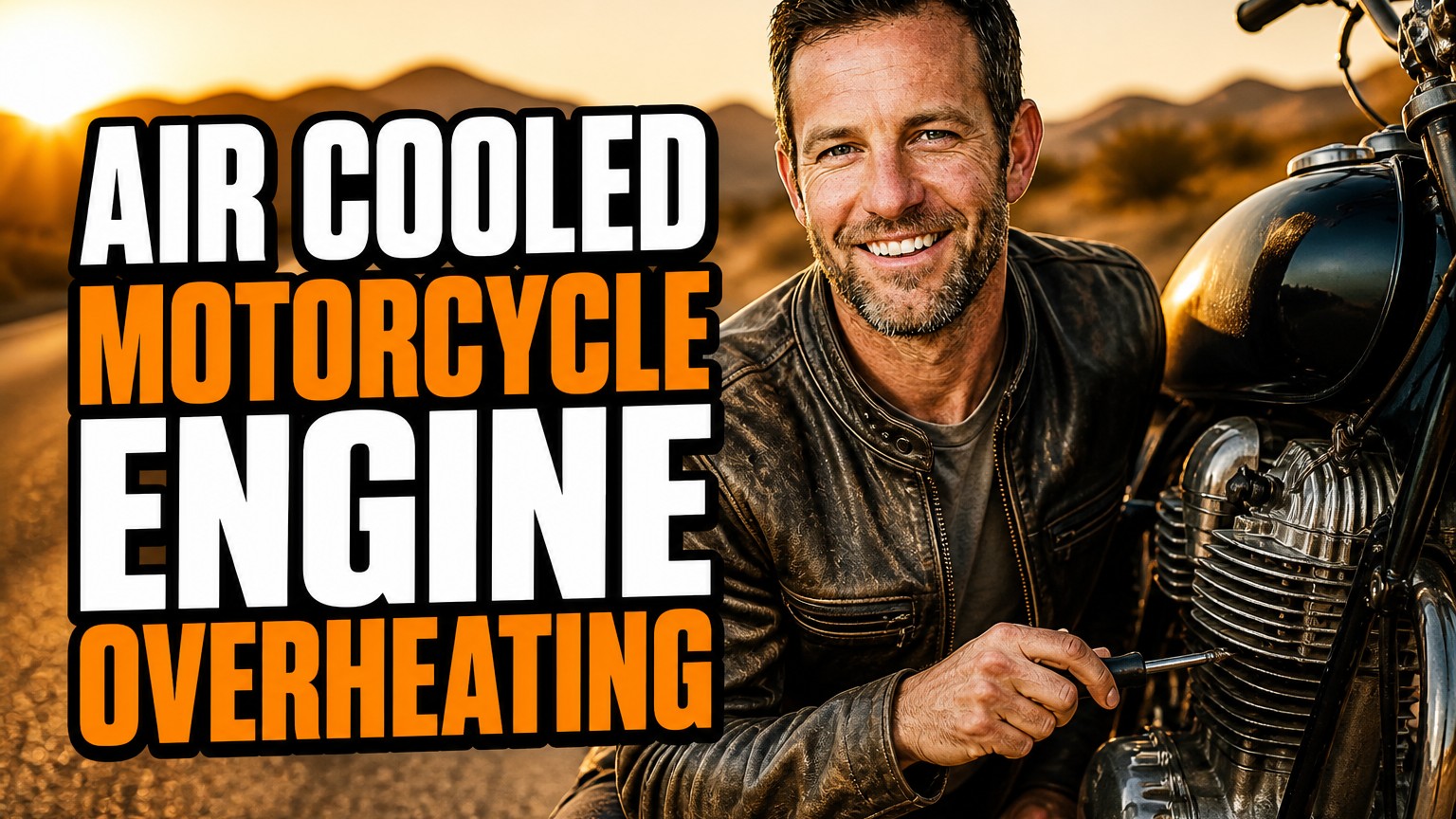
I still remember the first time my air-cooled bike let me know it was unhappy. I was crawling through summer traffic, the cylinder fins were radiating heat like a barbecue grill, and the engine note started to get a nasty, clattery edge. That day taught me more about heat than any manual ever had.
If you ride a Harley, an old Honda, a Ducati Scrambler, a Royal Enfield, or any other air-cooled machine, you’ve probably felt that same worry. These engines are charming and simple, but they have no coolant safety net. Everything depends on airflow, oil, and a healthy tune.
In this guide, I’ll walk you through what I’ve learned about why these engines run hot, how to spot trouble early, and what I do to keep mine cool season after season.
- Air-cooled engines rely on airflow and oil, so idling, lean mixtures, and old oil are the biggest heat culprits.
- Watch for pinging, power loss, hot smells, and rising oil temperature as early warning signs.
- Fresh, correct-grade oil, a proper tune, and smart riding habits prevent most overheating problems.
- If your engine gets too hot, stop, shut it off, and let it cool before riding on.
How Air-Cooled Engines Actually Shed Heat
Before I fix anything, I like to understand how it works. An air-cooled engine uses cooling fins on the cylinder and head to increase surface area. Moving air then pulls heat away from that metal.
That’s only part of the story, though. Engine oil also absorbs heat from the piston underside, bearings, and valvetrain, then carries it to the sump and the cases, where it radiates away.
Why There’s No Margin for Error
A liquid-cooled engine holds a steady temperature thanks to a thermostat and radiator. Mine doesn’t have that luxury. When airflow drops, temperatures climb quickly.
That’s why a tiny problem like a slightly lean carb setting can become a big problem on a hot day. There’s simply less buffer to absorb mistakes.
The Warning Signs I Never Ignore
Over the years, I’ve learned that my bike almost always warns me before real damage happens. The trick is paying attention. Here’s what I watch for.
Sounds and Feel
- Pinging or knocking under load, especially when climbing or accelerating.
- Valvetrain clatter that gets louder as the engine heats up.
- Loss of power or a flat, sluggish throttle response.
- Hard starting when hot, or a rough, lumpy idle.
Smells and Sights
A hot-oil or burning smell is my first red flag. I also check for oil weeping around gaskets and base seals, because heat breaks down rubber and sealing surfaces.
If you see discolored exhaust pipes (bluish or straw tones at the header) or smoke from the breather, take it seriously. Those can point to either a lean condition or oil being cooked.
Gauges and Gadgets
I highly recommend adding an oil temperature gauge if your bike doesn’t have one. It’s cheap insurance. Many riders don’t realize how hot their engine is until something fails.
The Most Common Causes of Overheating
I’ve chased heat problems on several bikes now. The same handful of culprits show up again and again.
1. Too Much Idling and Stop-and-Go Traffic
This is the number-one cause in my experience. At idle, there’s almost no airflow across the fins, so heat builds fast.
If I’m stuck at a long light or a train crossing, I’ll shut the engine off. It feels silly, but it saves the engine real stress.
2. A Lean Fuel Mixture
Fuel does more than make power; it also helps cool the combustion chamber. When the mixture runs lean, combustion temperatures spike.
Aftermarket exhausts and open air filters are classic triggers. If you’ve modified your bike without re-tuning, I’d bet a lean condition is your problem. A fresh jetting setup or fuel-injection remap can transform temperatures.
3. Old, Wrong, or Low Oil
Oil is half of your cooling system. When it’s old, sheared down, or the wrong viscosity, it can’t carry heat or protect surfaces properly.
I’ve found that choosing the best oil for air cooled motorcycle engines made a noticeable difference in how my bike felt on hot rides. If you want a shortlist, I also put together some thoughts on the best oil for air cooled motorcycle engines top picks for performance.
4. Ignition Timing Problems
Over-advanced timing makes combustion happen too early, which pushes cylinder pressure and heat higher. Worn advance mechanisms or a mis-set timing can cause this.
It’s an easy thing to overlook, but I always verify timing with a light after major work.
5. Carbon Buildup and Dirty Fins
Carbon deposits on the piston crown raise compression and create hot spots. Meanwhile, caked-on mud, oil, and road grime on the fins act like a blanket.
Cleaning the fins with a soft brush and degreaser takes a few minutes. I do it every spring, and it’s one of the most underrated maintenance jobs.
6. Heavy Loads and Hot Weather
Two-up riding with luggage, steep climbs, and 100°F days all push these engines hard. I’ve learned to back off in those situations rather than ride at the limit for hours.
Two-Stroke Air-Cooled Engines: A Special Case
If you ride a two-stroke, the lubricant is mixed with fuel or injected, so the oil you choose matters even more. A poor mix ratio or cheap oil can lead to a seized piston alarmingly fast.
I always look for oil with strong film strength and clean-burning properties. My notes on the best 2 cycle oil for air cooled motorcycle engines cover what I look for.
Vintage Two-Strokes
Older two-strokes have their own quirks, including different tolerances and metallurgy. For those, I recommend reading up on the best 2 cycle oil for air cooled vintage motorcycle engines before you mix your next batch.
Also remember that lean jetting on a two-stroke is a death sentence for pistons. When in doubt, richen it up slightly and check your plug color.
What I Do When My Engine Gets Too Hot
It’s going to happen eventually, so have a plan. Here’s the simple routine I follow.
Step-by-Step Roadside Response
- Find a safe place to stop as soon as I notice the symptoms.
- Shut off the engine. Idling won’t help cool it down.
- Let it rest for 20 to 30 minutes in the shade if possible.
- Check the oil level once things have settled, and top up if it’s low.
- Resume gently at steady speeds with good airflow, avoiding hard acceleration.
What I Never Do
I never pour cold water over a hot cylinder. Rapid cooling can crack fins or warp the head. I also avoid revving the engine to “blow the heat out,” because that makes things worse.
My Prevention Checklist for Cooler Running
Prevention is far cheaper than repair. This is the checklist I follow before every riding season and again before long trips.
Change Oil on Schedule
I change oil more often than the bare minimum, particularly if I ride in hot climates or in traffic. Fresh oil resists breakdown and keeps temperatures steadier.
If you’re not sure what to pick, my guide to the best engine oil for motorcycle use is a good place to start. Always match the viscosity to your owner’s manual and your climate.
Consider an Oil Cooler
An auxiliary oil cooler is one of the best upgrades I’ve made. It adds capacity and surface area, which can lower oil temperatures by a meaningful margin.
For bikes that live in traffic or tow loads, I consider it close to essential. Just make sure it’s properly sized and mounted in clean airflow.
Tune It Right After Modifications
Any time I change the exhaust or air filter, I get the fueling dialed in. Don’t skip this step. A dyno session or a quality wideband setup is far cheaper than a new top end.
Keep Fins Clean and Airflow Clear
I remove debris, avoid bulky accessories that block air, and check that shrouds or baffles (where fitted) are in place. Even small obstructions matter on a hot engine.
Check Timing, Valves, and Carbon
- Verify ignition timing at the recommended intervals.
- Adjust valve clearances so they don’t run too tight.
- Decarbonize the combustion chamber if the engine has high mileage.
Smart Riding Habits That Help
Mechanical fixes only go so far. How I ride matters just as much.
I keep the bike moving in hot weather, choose routes with fewer traffic lights, and ride early in the morning when I can. On long climbs, I pause at the top for a few minutes to let temperatures settle.
I also avoid lugging the engine at low rpm in high gears. It creates heavy load with little airflow, which is a recipe for heat.
When It’s Time to Call a Mechanic
Sometimes the problem goes beyond my garage skills. If your engine keeps overheating after you’ve checked oil, tuning, and airflow, there could be something deeper going on.
Look for persistent knocking, metal flecks in the oil, loss of compression, or oil consumption that suddenly spikes. These are signs of potential internal damage, and continuing to ride could turn a repair into a rebuild.
Final Thoughts From My Saddle
I love air-cooled bikes because of their simplicity, sound, and soul. Heat is just part of the deal, and with a bit of knowledge it’s absolutely manageable.
Keep your oil fresh, your tune accurate, your fins clean, and your riding style sensible. Do that, and your engine should reward you with many thousands of happy miles.
If you take one thing away from my experience, let it be this: listen to your engine. It will tell you when it’s struggling, and the sooner you respond, the more rides you’ll get to enjoy.
Frequently Asked Questions
What temperature is too hot for an air-cooled motorcycle engine?
Most air-cooled engines run happily with oil temperatures around 200 to 250°F (93 to 120°C). Once oil temps sit above roughly 260°F (127°C) for long periods, or you notice pinging, power loss, or a burning smell, it’s time to pull over and let the engine cool.
Can I keep riding if my air-cooled engine is overheating?
It’s best not to. Riding an overheated engine can score cylinders, warp heads, and seize pistons. Pull over, shut off the engine, and let it cool for at least 20 to 30 minutes before deciding whether to continue at a gentle pace.
Does the type of oil affect air-cooled engine temperature?
Yes. In an air-cooled engine, oil does a huge share of the cooling work. Using the correct viscosity and a quality oil designed for high heat helps carry heat away from the cylinder and head, and keeps friction under control.
How can I stop my air-cooled bike overheating in traffic?
Avoid long idling, keep the engine properly tuned and not running lean, use fresh oil of the right grade, and consider an oil cooler. When stuck in traffic, shut the engine off if you’ll be stopped for more than a minute or two.

Related Articles
7 Best Batteries for Motorcycles I’ve Tested and Trust in 2026
I've tested dozens of motorcycle batteries to find the best performers. From AGM to lithium, here are my top picks…
Jake Miller
15 min read

The Perfect Battery for Your Harley Davidson Softail: A Rider’s Complete Guide
Discover the perfect battery for your Harley Davidson Softail. I've tested multiple options and share real-world performance data, maintenance tips,…
Jake Miller
14 min read

The Best Battery for Your Harley Davidson: My Complete Guide After Years of Testing
Discover which battery truly performs best for Harley Davidson motorcycles. Real rider experience with AGM, lithium, and OEM options to…
Jake Miller
12 min read