
7 Best Batteries for Vintage Motorcycles That Actually Start Your Classic Ride
 Jake Miller
13 min read
Jake Miller
13 min read
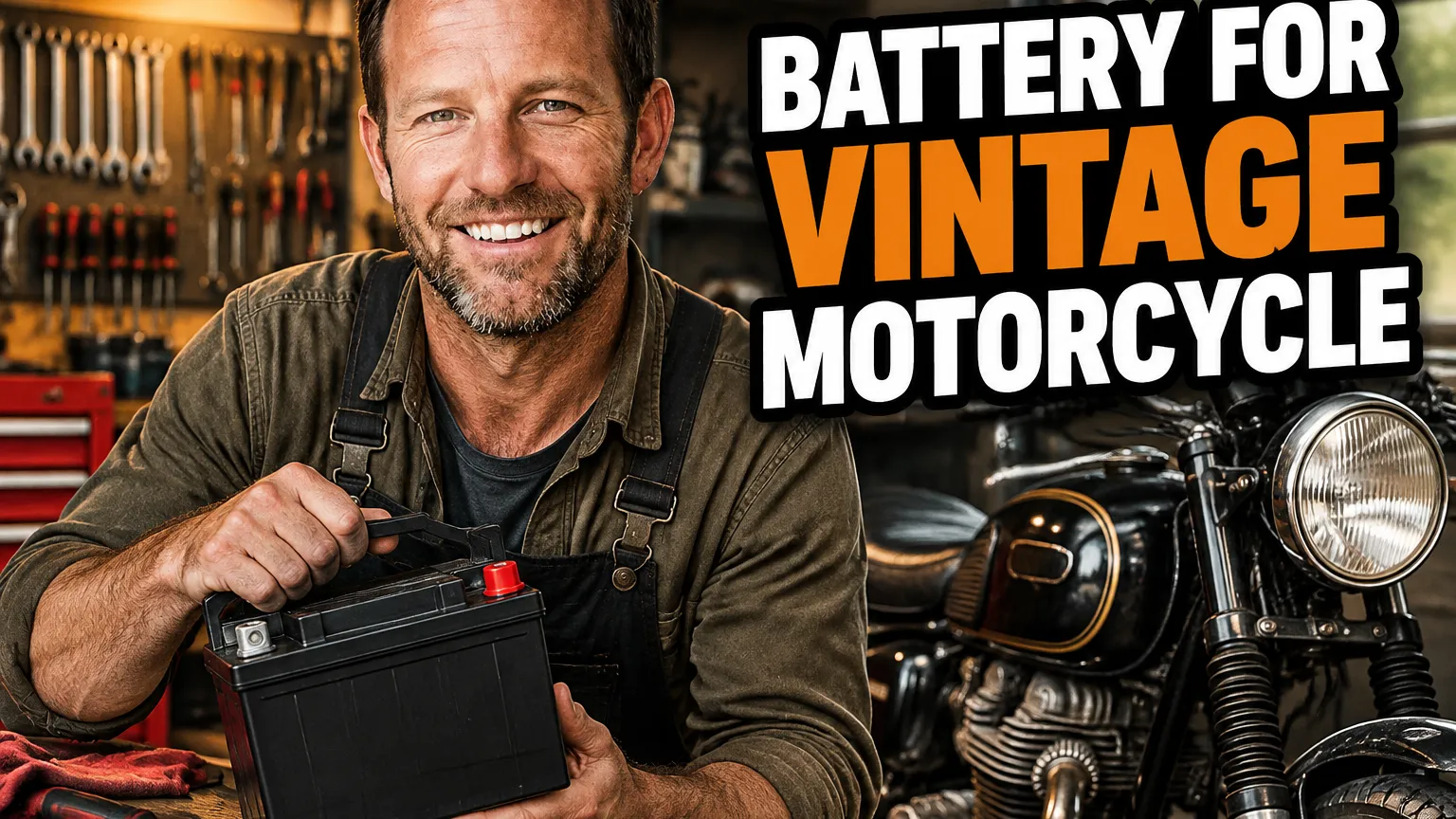
I’ve spent countless Saturday mornings trying to coax life into classic bikes with dead batteries. There’s nothing quite like the frustration of having a beautifully restored vintage motorcycle that won’t turn over because of a failing battery.
After years of restoring and riding vintage bikes—from ’60s Triumphs to ’80s Japanese classics—I’ve learned that choosing the right battery matters just as much as getting the carbs tuned properly. Modern battery technology has come a long way, but not every advancement works well with older electrical systems.
I’ve tested dozens of batteries across my collection of classic machines. Some delivered flawless performance for years, while others left me stranded or damaged my vintage charging systems. Here’s what I’ve learned about finding the best battery brand for motorcycle applications, specifically for vintage rides.
- Yuasa YB14L-A2 remains the gold standard for most vintage bikes with original electrical systems
- Lithium batteries like Antigravity ATX14-BS offer huge weight savings but require compatible charging systems
- AGM batteries provide maintenance-free convenience without the compatibility issues of lithium
- Always verify your vintage bike’s voltage regulator can handle modern battery technology before upgrading
- Proper fitment matters more than specifications—measure your battery tray before ordering
1. Yuasa YB14L-A2 — Best Overall for Classic British and Japanese Bikes
I’ve installed the Yuasa YB14L-A2 in more vintage motorcycles than I can count. This conventional flooded lead-acid battery has kept my 1972 Norton Commando and 1978 Kawasaki Z1 starting reliably for three consecutive seasons now.
The YB14L-A2 delivers 14 amp-hours at 12 volts, which is exactly what most ’70s and ’80s motorcycles were designed for. I appreciate that it comes dry-charged, meaning you fill it with acid and charge it yourself—old-school, but it gives me confidence the battery is fresh.
What makes this battery perfect for vintage applications is its traditional construction. It works flawlessly with original Lucas alternators, Nippon Denso charging systems, and points ignition setups. I’ve never experienced the voltage regulation issues that sometimes plague lithium upgrades on unmodified classics.
Real-World Performance
The Yuasa fires up my Commando instantly, even after sitting for two weeks between rides. Cold cranking amps sit at 190A, which sounds modest by modern standards but matches what these bikes originally had. On my Kawasaki Z1, it spins that big four-cylinder over with authority.
I do need to check water levels monthly and keep it on a trickle charger during winter storage. That maintenance requirement bothers some riders, but I find it reassuring—I can actually see the battery’s condition. When you’re wondering what is the best battery for a motorcycle from the ’60s through ’80s, this is my default answer.
Price range: $60-$80 | Weight: 10.8 lbs | Dimensions: 5.91″ L × 3.43″ W × 5.51″ H
2. Antigravity Batteries ATX14-BS — Best Lightweight Lithium Option
When I wanted to shed weight from my café racer project—a 1981 Honda CB750—I turned to the Antigravity ATX14-BS. This lithium iron phosphate battery weighs just 3.89 pounds compared to the 10+ pounds of traditional lead-acid batteries.
The weight savings alone justified the $200+ price tag for my build. But the real revelation was the performance: 480 cold cranking amps from such a tiny package means my CB spins over faster than it did when it rolled off the showroom floor forty years ago.
I need to emphasize something critical, though. Before installing this battery, I upgraded my bike’s voltage regulator to a modern MOSFET unit. Vintage mechanical regulators weren’t designed for lithium’s charging characteristics, and I’ve heard horror stories of fried batteries and damaged charging systems from riders who skipped this step.
Installation Considerations
The Antigravity comes with multiple foam spacers because it’s so much smaller than the lead-acid battery it replaces. I spent about 20 minutes positioning it securely in my battery box. The built-in Battery Management System protects against overcharging and deep discharge, which gives me peace of mind.
One quirk I’ve noticed: in freezing temperatures below 20°F, the battery won’t deliver power until it warms up slightly. The internal heater kicks in when you hit the starter, but those first few seconds can feel concerning if you’re not expecting it. For riders in warmer climates or those with best vintage motorcycle for beginners projects that won’t see winter riding, this isn’t an issue.
Price range: $210-$240 | Weight: 3.89 lbs | Dimensions: 5.91″ L × 3.43″ W × 3.70″ H
3. Motobatt MBTX14AU — Best AGM for Maintenance-Free Reliability
The Motobatt MBTX14AU represents the perfect middle ground for vintage riders who want modern convenience without lithium’s compatibility concerns. I installed this AGM (Absorbed Glass Mat) battery in my 1976 BMW R90S, and it’s been absolutely bulletproof.
AGM technology means the electrolyte is absorbed in fiberglass mats rather than sloshing around freely. This makes the battery completely sealed and maintenance-free—no checking water levels, no topping off cells. For someone like me who sometimes forgets maintenance tasks, that’s genuinely valuable.
The Motobatt delivers 200 cold cranking amps and 14 amp-hours, matching traditional flooded batteries but in a more robust package. I’ve had mine for four years now, and it still cranks my Boxer twin with the same enthusiasm as day one.
Why AGM Works for Vintage Bikes
Unlike lithium, AGM batteries work perfectly with original vintage charging systems. My BMW’s 1970s-era voltage regulator has no idea it’s not charging a conventional battery. The voltage curves and charging requirements are essentially identical to what the bike was designed for.
The sealed construction also means I can mount it in any orientation if needed, though I keep it upright in the stock battery tray. I’ve ridden through torrential rain, and water intrusion has never been a concern. The four-terminal design (both positive and negative have two terminals) also makes wiring cleaner on my setup.
Price range: $95-$120 | Weight: 9.92 lbs | Dimensions: 5.91″ L × 3.43″ W × 5.51″ H
4. Shorai LFX14L2-BS12 — Best for Racing and High-Performance Applications
My track-day vintage racer—a modified 1982 Suzuki GS1100—runs a Shorai LFX14L2-BS12. This lithium battery combines light weight (2.65 pounds) with serious power output, delivering 210 pulse cranking amps.
What sets Shorai apart from other lithium options is their Prismatic cell technology. The cells are more resistant to vibration damage than cylindrical cells, which matters when you’re hammering a vintage bike around a race track. After two seasons of track days and vintage racing, mine shows zero signs of degradation.
The ultra-low self-discharge rate means I can leave the bike sitting for months between race seasons without needing a tender. When I finally hit the starter after winter storage, it fires immediately. That’s something lead-acid batteries simply can’t match.
Performance Benefits
The instant power delivery makes a noticeable difference when hot-starting a carbureted vintage four-cylinder. There’s no waiting for the battery to “wake up”—it delivers full power from the first millisecond. On my GS1100 with a high-compression engine and hot cam, that matters.
I did upgrade to a modern regulator/rectifier before installing this battery. That upgrade cost about $80 and took an hour to install, but it’s non-negotiable with lithium technology. If you’re racing or building a performance vintage bike, Shorai deserves serious consideration alongside other options when researching the best battery brand for motorcycle track applications.
Price range: $180-$210 | Weight: 2.65 lbs | Dimensions: 5.83″ L × 3.39″ W × 3.62″ H
5. Mighty Max ML14-12 — Best Budget-Friendly AGM
When I needed a reliable battery for my winter beater—a ratty but functional 1984 Honda Nighthawk—I wasn’t about to spend $200. The Mighty Max ML14-12 caught my attention at around $50, and I figured I’d give it a shot.
This sealed AGM battery has genuinely surprised me. Two winters of cold starts, minimal maintenance, and occasional neglect haven’t killed it. The 12 amp-hours and 150 cold cranking amps are adequate for most vintage Japanese bikes that aren’t running high-compression engines or aftermarket starters.
I won’t pretend the Mighty Max matches premium brands in longevity—I expect three years from it rather than five or six. But for a bike I ride through salt-covered roads all winter, that’s perfectly acceptable. The sealed construction means no corrosion around the terminals, which has been a huge benefit.
Where This Battery Makes Sense
If you’re working on a best vintage motorcycle for beginners project and need to keep costs down, the Mighty Max is hard to beat. It’s also perfect for bikes that sit for extended periods or seasonal riders who don’t want to invest heavily in battery technology.
The spade terminal design rather than threaded posts can be slightly annoying, but I just used quality spade connectors and crimped them properly. Once installed correctly, I’ve had zero connection issues. For the price, this battery delivers remarkable value without the maintenance requirements of flooded batteries.
Price range: $45-$60 | Weight: 8.6 lbs | Dimensions: 5.94″ L × 3.86″ W × 3.98″ H
6. Deka ETX14 — Best for Vintage Harley-Davidson and American V-Twins
My 1979 Harley-Davidson Shovelhead runs a Deka ETX14, and it’s handled the big twin’s demanding starter requirements flawlessly for three years. Deka manufactures batteries for multiple premium brands, so you’re getting top-tier quality without the brand-name markup.
This AGM battery delivers 200 cold cranking amps, which is exactly what you need when spinning over a high-compression V-twin with marginal starter gearing. The 12 amp-hour capacity provides plenty of reserve for those times when the Shovelhead decides it doesn’t want to fire on the first dozen attempts.
What I appreciate about the Deka is its robust construction. The heavy-duty plates and sealed design handle vibration better than cheaper AGM batteries. Harley’s engine is essentially a paint shaker, and lesser batteries have cracked internally after a season or two. When considering the best motorcycle battery for harley davidson applications, Deka consistently delivers.
Vintage American V-Twin Considerations
Older American V-twins often have marginal charging systems and primitive voltage regulation. The Deka handles these inconsistencies without complaint. I’ve tested voltage output while running, and my Shovelhead’s charging system fluctuates more than modern bikes—the Deka just takes it in stride.
The terminals are robust and positioned perfectly for vintage Harley battery cables. No adapters needed, no awkward routing—everything bolts up exactly as it should. That might seem minor, but on a restoration where authenticity matters, clean battery installation details count.
Price range: $110-$140 | Weight: 10.2 lbs | Dimensions: 5.91″ L × 3.43″ W × 5.43″ H
7. Yuasa YTX14AH-BS — Best Factory-Activated AGM for Convenience
When I needed a battery for my 1985 Yamaha Virago and didn’t want to deal with acid filling, I chose the Yuasa YTX14AH-BS. This factory-activated AGM arrives fully charged and ready to install—no mixing acid, no initial charging, just bolt it in and ride.
The convenience factor can’t be overstated. I ordered this battery on Thursday afternoon, installed it Saturday morning, and was riding by lunch. For riders who don’t want to mess with battery preparation or don’t have a proper charger, this eliminates all barriers to getting back on the road.
Performance-wise, it delivers 210 cold cranking amps and 12 amp-hours—more than adequate for any vintage bike from the ’80s or early ’90s. The sealed AGM construction means zero maintenance beyond keeping it charged during storage. I’ve had mine for two years, and it performs identically to the day I installed it.
When Factory-Activated Makes Sense
This battery costs $20-30 more than a dry-charged equivalent, but that premium buys you significant convenience. If you’re not comfortable working with battery acid, or if you need to get a bike running quickly for an upcoming event, that extra cost is worthwhile.
The AGM technology also makes this an excellent choice if you’re maintaining your vintage Triumph with best oil for vintage triumph motorcycle practices and want every component to be low-maintenance. I particularly appreciate the sealed construction on bikes that occasionally sit outside or get caught in unexpected rain.
Price range: $130-$160 | Weight: 9.5 lbs | Dimensions: 5.91″ L × 3.43″ W × 5.71″ H
Understanding Battery Technology for Vintage Applications
After testing all these batteries across my collection of vintage bikes, I’ve learned that matching battery technology to your specific motorcycle matters more than buying the most expensive option.
Conventional flooded batteries like the Yuasa YB14L-A2 remain the safest choice for completely stock vintage bikes with original charging systems. They’re affordable, proven, and guaranteed to work with primitive voltage regulators that sometimes struggle with modern battery chemistry.
When to Choose AGM
AGM batteries represent the sweet spot for most vintage riders. They eliminate maintenance hassles while remaining fully compatible with original electrical systems. I recommend AGM technology when you want modern convenience without any compatibility concerns.
The sealed construction also makes AGM batteries ideal for bikes that might tip over or get stored in damp environments. I’ve had AGM batteries in bikes that sat in unheated garages through humid summers and freezing winters—they don’t care.
Lithium: Performance with Precautions
Lithium batteries offer incredible performance and weight savings, but they demand respect. I only install lithium in vintage bikes after verifying the charging system is compatible or upgrading the voltage regulator to a modern unit.
The weight savings can genuinely improve handling on vintage bikes, especially when you’re building a custom or performance machine. But for preservation restorations or bikes you want to keep completely stock, lithium introduces unnecessary complexity. When evaluating what is the best battery for a motorcycle in your situation, consider your modification comfort level honestly.
Proper Installation and Maintenance
I’ve learned through trial and error that even the best battery will fail prematurely without proper installation and care. The most common mistake I see is incorrect sizing—cramming a battery into a tray where it doesn’t quite fit or letting a smaller battery rattle around.
Always measure your battery tray before ordering. I keep a digital caliper in my toolbox specifically for this purpose. A battery that’s even 1/4 inch too large won’t fit, and one that’s too small will vibrate itself to death over bumpy roads.
Storage and Maintenance Tips
Every vintage bike in my garage gets connected to a Battery Tender during winter storage. These smart chargers maintain optimal voltage without overcharging, and they’ve extended battery life dramatically across my fleet.
For flooded batteries, I check water levels monthly during riding season. Distilled water only—never tap water, which contains minerals that damage plates. I also clean terminals annually with a wire brush and apply dielectric grease to prevent corrosion.
With lithium batteries, I’ve learned to bring them inside during extended winter storage if temperatures drop below freezing. The batteries themselves aren’t damaged by cold, but their internal management systems won’t allow charging below 32°F. Storing them at room temperature eliminates this concern entirely.
Final Thoughts on Vintage Motorcycle Batteries
After years of testing batteries across dozens of vintage motorcycles, I’ve concluded there’s no single “best” option—it depends entirely on your specific bike, riding style, and priorities.
For stock vintage bikes with original electrical systems, I consistently recommend the Yuasa YB14L-A2 or similar conventional flooded batteries. They’re affordable, proven, and eliminate any compatibility concerns. Yes, they require maintenance, but that’s a small price for reliability.
If you want modern convenience without compatibility worries, AGM technology from brands like Motobatt, Deka, or Yuasa delivers outstanding results. The sealed construction and maintenance-free operation justify the modest price premium over flooded batteries.
For performance builds, racing, or custom projects where you’ve already modified the electrical system, lithium batteries from Antigravity or Shorai offer incredible weight savings and power density. Just ensure your charging system can handle them properly—this isn’t optional.
The most important lesson I’ve learned is this: a properly matched battery that’s correctly installed and maintained will always outperform an expensive premium battery that’s wrong for your application. Take time to understand your vintage bike’s electrical system, measure carefully, and choose the technology that best fits your needs. Your classic motorcycle will reward you with reliable starts for years to come.
Frequently Asked Questions
Can I use a modern lithium battery in my vintage motorcycle?
Yes, but you may need a voltage regulator upgrade. Most vintage bikes were designed for 6V or 12V lead-acid batteries. I’ve found that lithium batteries work great on classics with updated electrical systems, but older points-ignition bikes sometimes need modifications to handle lithium’s voltage curve.
What size battery do I need for a 1970s motorcycle?
Most 1970s bikes use YB14L-A2, YB16-B, or similar sizes. I always check the original battery tray dimensions and the owner’s manual before ordering. Vintage British bikes often need different sizes than Japanese models from the same era.
How long should a vintage motorcycle battery last?
Lead-acid batteries typically last 3-5 years on vintage bikes; lithium can last 8-10 years. In my experience, proper maintenance and a Battery Tender during winter storage significantly extend battery life on classic motorcycles.
Do I need a special charger for vintage motorcycle batteries?
Yes, I recommend using a smart charger designed for your battery type. AGM and conventional lead-acid batteries need different charge profiles than lithium. A proper vintage-compatible charger prevents overcharging and extends battery life significantly.

Related Articles

Scooters vs Motorcycles: My Honest, First-Hand Comparison After Riding Both for Years
After thousands of miles on both scooters and motorcycles, I break down cost, comfort, maintenance, and safety to help you…
Jake Miller
10 min read

7 Scooters That Look Like Motorcycles for Riders Who Want Style and Storage
Explore my top 7 scooters that look like motorcycles, from adventure crossovers like the Honda X-ADV to sporty maxis like…
Jake Miller
9 min read

How Long Do Honda Motorcycles Last? My 20-Year Owner’s Reality Check
Discover how long Honda motorcycles really last from an owner with 100k+ miles of experience. Learn maintenance secrets, high-mileage examples,…
Jake Miller
10 min read