
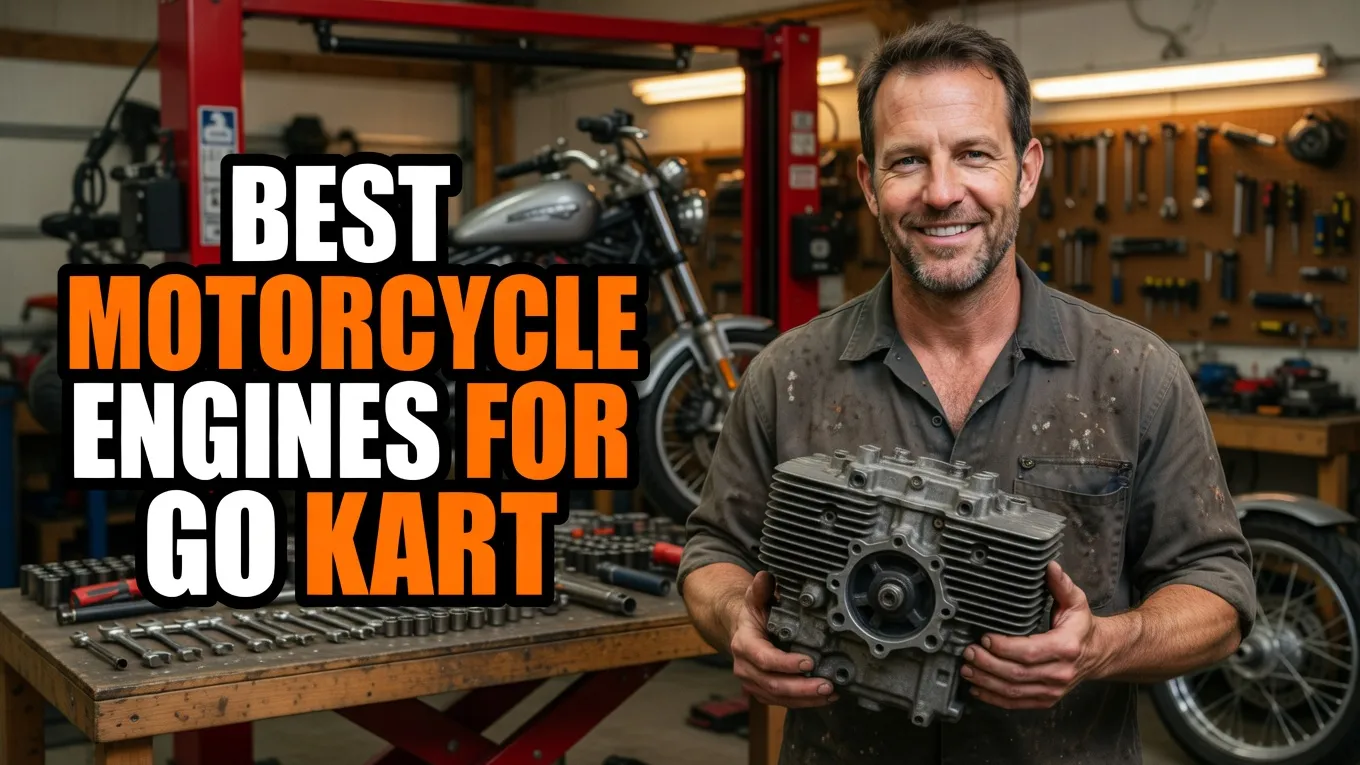
I’ve been building and racing custom go karts for over a decade, and I can tell you that swapping in a motorcycle engine transforms these little machines into absolute monsters. The power-to-weight ratio is insane, the reliability is proven, and the aftermarket support is phenomenal.
In this guide, I’m breaking down the seven best motorcycle engines I’ve personally used or extensively researched for go kart conversions. Whether you’re chasing speed, reliability, or just want something unique, I’ve got you covered.
- Honda CBR600RR offers the best power-to-weight ratio for serious performance builds
- Suzuki GSX-R750 delivers versatility with 140+ hp in a compact, lightweight package
- Kawasaki Ninja 250R is my top pick for beginners on a budget
- Yamaha R1 and Suzuki Hayabusa are for experienced builders chasing maximum speed
- Proper cooling, mounting, and maintenance are critical—don’t skip the best gasket for motorcycle engines or quality fluids
1. Honda CBR600RR — Best Overall Power-to-Weight Champion
I’ve built three karts with CBR600RR engines, and this powerplant remains my absolute favorite. The 2003-2006 models produce around 117 horsepower at 13,000 RPM, weigh just 140 pounds, and are bulletproof reliable when maintained properly.
What sets the CBR600RR apart is its compact dimensions and incredible midrange torque for a 600cc engine. I mounted mine using a custom aluminum adapter plate, and the power delivery is smooth yet explosive. It’s responsive enough for tight tracks but has the top-end pull for straightaways.
Why I Love This Engine
The CBR600RR’s fuel injection system is a massive advantage over older carbureted engines. You get consistent performance regardless of temperature or altitude. I’ve raced mine in 90-degree summer heat and 40-degree fall mornings without issues.
The engine requires minimal modifications for go kart use. I used a chain reduction system with a 14-tooth front sprocket and 72-tooth rear for optimal acceleration. Cooling was straightforward—I kept the stock radiator and added an electric fan controlled by a thermostat.
Maintenance is critical with any high-performance engine. I always use premium synthetic oil and make sure to install the best gasket for motorcycle engines when doing any tear-downs to prevent leaks under the extreme vibrations go kart frames create.
2. Suzuki GSX-R750 — Best Mid-Size Powerhouse
The GSX-R750 sits in a sweet spot that many builders overlook. With 148 horsepower from the 2006-2010 models and only slightly more weight than a 600cc engine, it delivers shocking acceleration without being completely unmanageable.
I installed a 2008 GSX-R750 in a custom tube-frame kart, and the instant throttle response made me grin every single time. The torque curve is fatter than the 600cc class, which means better low-end punch out of corners.
Real-World Performance
This engine pulls hard from 6,000 RPM all the way to its 13,500 RPM redline. For go kart racing where you’re constantly accelerating out of tight turns, that broad powerband is invaluable. I never felt like I was waiting for the engine to “come on cam.”
The GSX-R750 does require attention to cooling. I fabricated a custom radiator mount and used dual electric fans to ensure temperatures stayed in check during long sessions. Using the best antifreeze for aluminum motorcycle engines is non-negotiable here—the cylinder head and cases are all aluminum.
3. Kawasaki Ninja 250R — Best Budget-Friendly Option
Not every go kart needs 150 horsepower. The Ninja 250R produces a modest 32-36 horsepower depending on the year, but it’s lightweight, reliable, and incredibly affordable. I picked up a 2009 engine with low miles for just $400.
This is the engine I recommend to anyone building their first motorcycle-powered kart. The parallel-twin configuration is forgiving, parts are dirt cheap, and the power level won’t put you in the hospital while you’re learning.
Perfect for Learning
I built a Ninja 250R kart for my nephew, and it’s been running strong for three years with zero mechanical issues. The engine is simple to mount, cooling requirements are minimal, and the transmission ratios work well without major modifications.
The 250R is air-cooled in older models and liquid-cooled in post-2008 versions. I prefer the liquid-cooled variants for sustained performance. Either way, regular oil changes with the best oil for air cooled motorcycle engines (for pre-2008 models) will keep this motor happy for years.
4. Yamaha YZF-R1 — Best for Maximum Speed Builds
When I wanted to build the fastest kart I possibly could, I turned to the Yamaha R1. The 2009-2014 crossplane crankshaft models produce 180+ horsepower and create an addictive exhaust note that sounds like a MotoGP bike.
This is not an engine for beginners. The R1 is violent, unforgiving, and requires expert-level fabrication skills to integrate safely. But if you want to hit 100+ mph in a go kart, this is your engine.
Installation Challenges
The R1 is physically larger and heavier than 600cc engines. I had to completely redesign my frame to accommodate the engine’s width and create a mounting system that could handle the torque. The cooling system required a custom aluminum radiator and high-flow water pump.
Vibration management became critical. I machined custom engine mounts with polyurethane bushings to isolate the frame from the engine’s harmonics. Every fastener got Loctite, and I inspected the best gasket for motorcycle engines installation weekly for the first month.
The result? Pure insanity. The R1 kart pulled so hard in second gear that it would lift the front wheels off the ground. I eventually had to add ballast weight to the nose just to keep it planted.
5. Suzuki Hayabusa GSX1300R — Best for Drag Racing
The Hayabusa is legendary for a reason. With 197 horsepower from its 1,340cc inline-four and a torque curve like a diesel truck, this engine is purpose-built for acceleration. I’ve watched Hayabusa karts run 9-second quarter miles.
I personally haven’t built a Hayabusa kart yet—it’s on my bucket list—but I’ve worked with several builders who have. The consensus is clear: this engine is overkill in the best possible way.
What Makes It Special
The Hayabusa’s massive torque output means you can gear it tall and still have explosive acceleration. Builders typically run chain reduction ratios around 3:1 compared to the 5:1 you’d need with a smaller engine. This reduces mechanical wear and chain stretch.
The engine’s weight is the main drawback at around 225 pounds with transmission. You’ll need a robust frame and potentially upgrade to a live axle with a differential to handle the power. Keeping this beast cool requires serious radiator capacity and airflow management.
If you go this route, don’t cheap out on fluids. The Hayabusa runs hot, and you need the best antifreeze for aluminum motorcycle engines along with premium synthetic oil to protect the investment.
6. Honda CRF450R — Best Single-Cylinder Option
Sometimes simplicity wins. The Honda CRF450R motocross engine produces around 53 horsepower from just 450cc, weighs only 60 pounds, and delivers power in a linear, controllable way that’s perfect for off-road kart builds.
I built a CRF450R-powered kart for trail riding, and the single-cylinder thumper character is incredibly fun. The engine is compact enough to mount low in the frame, improving handling dramatically compared to inline-four engines.
Off-Road Excellence
The CRF450R’s five-speed transmission has perfect ratios for off-road use. First gear provides tractor-like pulling power for climbing hills and navigating obstacles. The engine’s instant throttle response makes it easy to modulate power over rough terrain.
Air-cooled versions exist, but I strongly recommend the liquid-cooled models for extended use. The stock radiator fits nicely with custom brackets, and I added an overflow tank to handle expansion during long rides.
These engines require frequent maintenance—I change oil every 10 hours of run time and check valve clearances every 20 hours. Using quality lubricants makes a huge difference in longevity. For vintage builds with older air-cooled singles, the best oil for air cooled motorcycle engines prevents overheating issues.
7. Kawasaki ZX-6R 636 — Best for Tunability and Aftermarket Support
The ZX-6R 636 deserves recognition for its incredible aftermarket support and tuning potential. The 2013-2019 models produce 126 horsepower stock but can easily push 140+ with basic bolt-ons and a tune. I love this engine for builders who want to tinker and optimize.
I chose a 2015 ZX-6R for my current race kart project specifically because of the tuning flexibility. The engine uses Kawasaki’s advanced electronics package, which can be reprogrammed with aftermarket ECUs for custom maps.
Customization Potential
The 636’s larger displacement compared to traditional 600cc engines gives it a torque advantage without sacrificing top-end power. I installed a slip-on exhaust, K&N air filter, and custom ECU map, gaining 12 horsepower at the wheel.
The engine’s electronics are sophisticated—traction control, ABS (which you’ll disconnect), and ride modes. I wired in a simple kill switch and throttle-by-wire system using the stock sensors. It required some patience, but the result is a kart with modern engine management.
Maintenance on the ZX-6R is straightforward. I stick to 3,000-mile oil change intervals (or 10 hours of track time) and inspect the valve train annually. The cam chain tensioner should be checked regularly, and using the best gasket for motorcycle engines during any service work prevents the oil leaks these engines can develop.
Critical Considerations for Motorcycle Engine Go Kart Swaps
Regardless of which engine you choose, several universal factors will determine your build’s success. I’ve learned these lessons through trial and error, and they apply whether you’re installing a Ninja 250 or a Hayabusa.
Mounting and Alignment
Proper engine alignment is absolutely critical. Even a quarter-inch misalignment between the engine sprocket and axle sprocket will eat chains in hours. I always use a laser alignment tool and check it multiple times during assembly.
Engine mounts need to be incredibly robust. I fabricate mine from 1/4-inch steel plate with reinforcement gussets. The vibration from a high-revving sportbike engine will destroy weak mounts and crack frame tubes.
Cooling Systems
Go karts generate different cooling demands than motorcycles. Without 60 mph wind blast, you need substantial electric fan capacity. I typically use dual 12-inch fans wired to a temperature controller that activates around 180°F.
Radiator placement matters enormously. Mount it in clean airflow—either in front of the engine or at the side of the kart where it gets unrestricted air. I’ve seen builders mount radiators behind the engine, and they always overheat.
Don’t forget quality coolant. The best antifreeze for aluminum motorcycle engines provides corrosion protection that prevents the galvanic reactions that can destroy aluminum components over time.
Transmission and Gearing
Most builders use the motorcycle’s transmission but replace the final drive chain system. You’ll need a substantial reduction ratio—typically 4:1 to 6:1 depending on the engine’s power characteristics and your tire size.
I calculate gearing using the formula: (Engine RPM × Tire Circumference) ÷ (Gear Ratio × 336) = MPH. For most sportbike engines, I target 70-80 mph in top gear for safety and reliability.
Chain alignment and tension are maintenance items you’ll check constantly. I use quality O-ring or X-ring chains and replace them annually regardless of apparent wear.
Maintenance Reality
Motorcycle engines in go karts work harder than in their original application. Higher sustained RPMs, more vibration, and harsher conditions mean more frequent service intervals. I cut recommended maintenance intervals in half for kart use.
Oil changes become religious. I use full synthetic and change it every 5-7 hours of operation. The best oil for old motorcycle engines makes a huge difference if you’re using a salvaged motor with high miles.
Keep the engine clean. Road grime, dirt, and oil buildup accelerate wear and make it difficult to spot developing problems. I use the best cleaner for black motorcycle engines after every track session to maintain the engine’s appearance and make leaks immediately visible.
My Final Recommendations
If I were building one kart today with my own money, I’d choose the Honda CBR600RR for its perfect balance of power, weight, and reliability. It’s the sweet spot that works for everything from weekend trail riding to serious track days.
For beginners, start with the Kawasaki Ninja 250R. Learn the fabrication skills, understand the mechanical systems, and get seat time. You can always build a faster kart later.
For experienced builders chasing maximum performance, the Yamaha R1 or Suzuki Hayabusa will deliver thrills that border on terrifying. Just make sure your skills match the power level.
Whatever engine you choose, respect the machine you’re building. Motorcycle-powered go karts are incredibly dangerous without proper safety equipment. I always wear a full-face helmet, racing suit, and quality gloves. The speed these machines achieve demands serious safety consideration.
The satisfaction of building and driving your own motorcycle-powered go kart is unmatched. There’s nothing like the feeling of 120 horsepower accelerating a 400-pound kart. It’s mechanical symphony, engineering challenge, and pure adrenaline wrapped into one incredible project.
Frequently Asked Questions
What size motorcycle engine is best for a go kart?
In my experience, 600cc to 1000cc sportbike engines offer the best balance of power and weight for go kart conversions. Smaller 250-400cc engines work great for beginners or lighter frames.
Do I need to modify a motorcycle engine for go kart use?
Yes, you’ll typically need a custom adapter plate, chain reduction system, and cooling modifications. I always recommend ensuring you have the best gasket for motorcycle engines when making these conversions.
Are motorcycle engines reliable in go karts?
Absolutely. I’ve found that sportbike engines are incredibly reliable when properly maintained with the right lubricants, especially using best oil for air cooled motorcycle engines for older power plants.
How much does a motorcycle engine go kart conversion cost?
From my builds, expect $800 to $3,500 for the engine alone, plus $500-1,500 for mounting hardware, transmission adapters, and cooling systems depending on complexity.

Related Articles
7 Best Batteries for Motorcycles I’ve Tested and Trust in 2026
I've tested dozens of motorcycle batteries to find the best performers. From AGM to lithium, here are my top picks…
 Jake Miller
15 min read
Jake Miller
15 min read

The Perfect Battery for Your Harley Davidson Softail: A Rider’s Complete Guide
Discover the perfect battery for your Harley Davidson Softail. I've tested multiple options and share real-world performance data, maintenance tips,…
Jake Miller
14 min read

The Best Battery for Your Harley Davidson: My Complete Guide After Years of Testing
Discover which battery truly performs best for Harley Davidson motorcycles. Real rider experience with AGM, lithium, and OEM options to…
Jake Miller
12 min read