
Best Motorcycle Gloves for Safety and Comfort: My Honest Picks After Years of Riding
 Jake Miller
10 min read
Jake Miller
10 min read
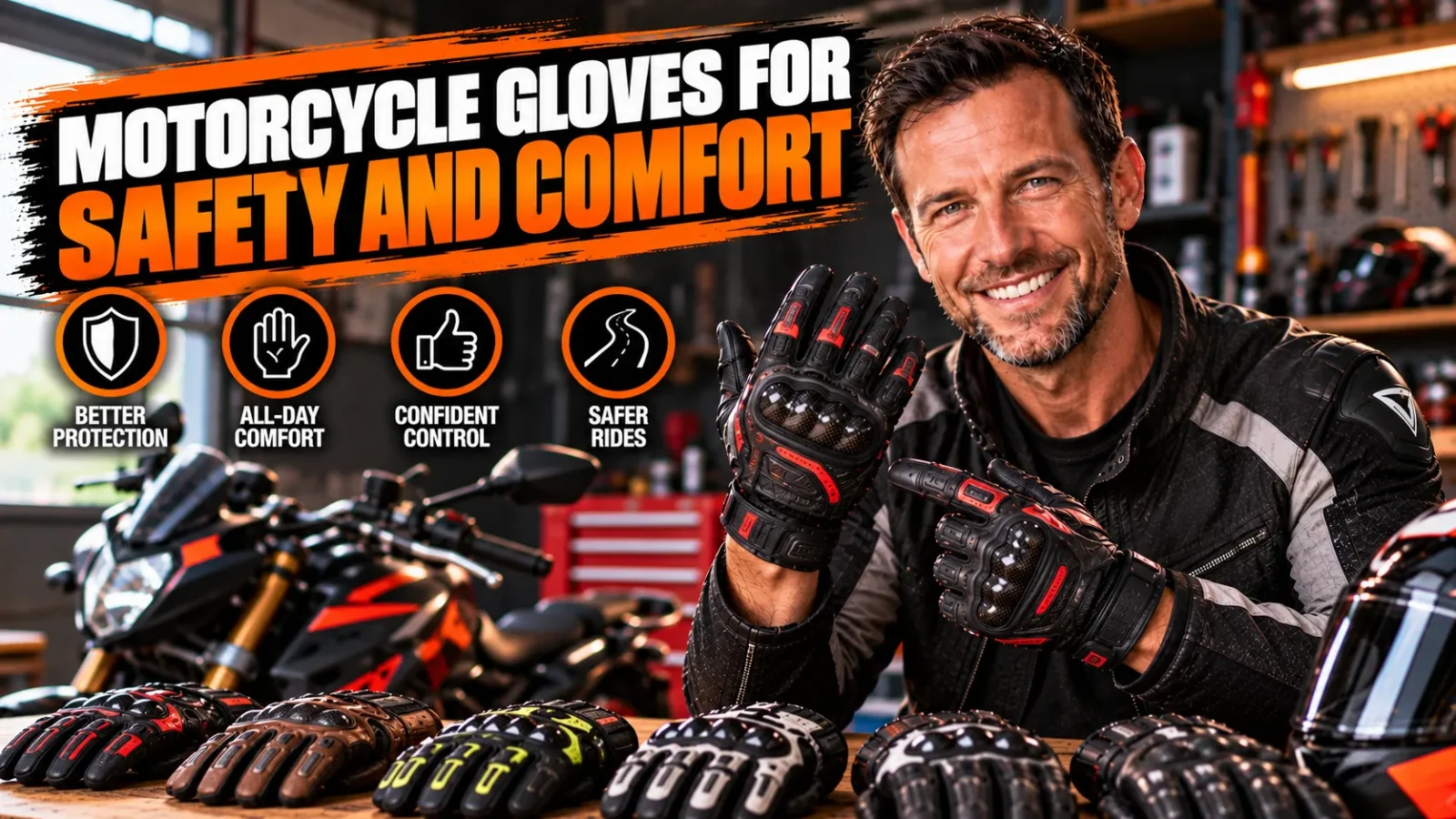
I’ve gone down at 40 mph on a backroad with nothing but a gravel shoulder to greet me, and the only reason I still have full use of my hands today is because I was wearing the right gloves. That crash changed how I shop for gear forever.
Since then, I’ve tested more pairs of motorcycle gloves than I can count on both hands (pun fully intended). Some were amazing, some fell apart after a season, and a few genuinely surprised me with how well they balanced protection and everyday wearability.
In this guide, I’m sharing my honest, hands-on take on the best motorcycle gloves for safety and comfort, based on real miles, real weather, and yes, a couple of real crashes. If you want an even deeper dive into materials, sizing, and certifications, my Ultimate Guide to Motorcycle Gloves covers everything I couldn’t fit here.
- The best motorcycle gloves combine hard knuckle armor, palm sliders, and abrasion-resistant materials without sacrificing dexterity.
- Fit matters more than price — a $60 glove that fits perfectly beats a $200 glove that’s loose at the wrist.
- Different seasons demand different gloves; I never rely on one pair year-round.
- CE certification is the single best indicator of real protection, not marketing buzzwords.
- My top picks below cover every riding style, from daily commuting to track days.
Why I Stopped Cutting Corners on Gloves
Early in my riding days, I treated gloves as an afterthought. I grabbed whatever looked cool and matched my jacket. That mindset lasted until my first real slide.
Your hands are almost always the first thing to hit the ground in a fall. It’s instinct — we brace ourselves with our palms. Without proper protection, that instinct can cost you tendons, skin, or worse.
I’m not exaggerating when I say gloves are the single most-used piece of safety gear on your body. You touch your grips, levers, and controls thousands of times per ride. That constant contact means comfort isn’t a luxury — it directly affects your control and reaction time.
The Real Cost of a Bad Glove Choice
I’ve seen riding buddies end up with road rash on their palms because their “fashion” gloves had zero abrasion resistance. One friend needed skin grafts after a low-speed parking lot tip-over — all because his gloves were more style than substance.
That’s the kind of story that sticks with you. It’s why I now treat glove shopping with the same seriousness as picking a helmet.
What I Actually Look For in Safe, Comfortable Gloves
Over the years, I’ve developed a mental checklist I run through every time I try on a new pair. It’s saved me from buying plenty of gloves that looked great online but felt wrong in person.
Hard Knuckle Protection
I won’t ride without some form of knuckle armor anymore. Whether it’s a hard plastic shell, carbon fiber, or a reinforced composite, this piece absorbs impact that would otherwise go straight into your bones.
The best designs let the armor float slightly over the knuckle rather than sitting rigid, so you keep natural hand movement while still getting coverage.
Palm Sliders and Reinforced Stitching
When you go down, your palm often drags across pavement. A hard slider puck redirects that friction instead of letting your skin absorb it directly.
I also check the stitching along the palm and fingers. Exposed seams are the first thing to blow out in a slide, so I look for gloves with covered or double-stitched seams in high-wear zones.
Material Quality
Leather remains my go-to for serious abrasion resistance. Full-grain leather especially holds up incredibly well over time and actually gets more comfortable the more you wear it.
That said, I’ve had great experiences with textile gloves reinforced with Kevlar or Cordura, particularly for warmer weather when leather feels too stiff and hot.
Fit and Dexterity
A glove can have every safety feature in the book and still be a bad choice if it doesn’t fit right. I always test dexterity by trying to grip my phone, work a zipper, and pull the clutch lever before I buy.
If I can’t operate my kill switch or turn signal smoothly, that glove is going back on the shelf no matter how protective it claims to be.
CE Certification
This is the detail I trust more than any marketing claim. CE-rated gloves (Level 1 or Level 2 in Europe, or similar standards elsewhere) have actually been tested for abrasion, tear, and impact resistance.
I always check for this label before buying online, especially since photos can make a glove look more protective than it really is.
My Top Picks for Safety and Comfort
These are the gloves I’ve personally worn for extended periods, not just tried on in a shop and reviewed from memory. Each one earned its spot through actual riding.
Alpinestars GP Plus R V2 — My All-Around Favorite
I’ve put thousands of miles on this pair, and they’ve never let me down. The hard knuckle protector is substantial without feeling bulky, and the leather palm has broken in beautifully over time.
What really sold me was the pre-curved finger design. It sounds like a small thing, but it eliminates that stiff, unnatural feel a lot of gloves have straight out of the box.
Best for: Sport riding, daily commuting, and anyone who wants one glove that does almost everything well.
Rev’It Sand 4 — Best for Warm Weather Comfort
When summer temperatures climb, this is the pair I reach for. The perforated leather and mesh panels move a surprising amount of air without feeling flimsy or unprotected.
I’ve worn these on 100°F days and never felt like I was cooking my hands, which is more than I can say for a lot of “summer” gloves I’ve tried.
If hot-weather riding is your main concern, I’d also point you toward my full breakdown of the best motorcycle gloves for summer, where I compare several options side by side.
Held Steel — Best Budget Pick Without Sacrificing Safety
I was skeptical of this one at first because of the price, but it genuinely surprised me. The goat leather palm is tough, and the knuckle protection held up fine during a low-speed slide I had testing it out.
It’s not flashy, but it does exactly what a glove is supposed to do at a price that doesn’t sting.
Dainese Rain Overgloves — Best for Wet Rides
I keep a pair of these stuffed in my tail bag at all times. Riding in the rain without proper wet-weather gloves is miserable, and honestly a little dangerous once your grip starts slipping.
These slide right over my regular gloves and keep my hands dry without adding a ton of bulk. For a deeper look at wet-weather options, my guide to the best motorcycle gloves for rain covers several styles I’ve personally tested in downpours.
Racer Gloves USA Sekky — Great Budget Summer Option
I picked these up on a whim before a summer trip and ended up genuinely impressed. They’re breathable, reasonably protective for the price point, and held up better than I expected after a full riding season.
If you’re watching your budget but still want something legitimately usable in the heat, check out my roundup of best cheap motorcycle gloves for summer for more picks like this.
Gloves I Recommend for Newer Riders
When friends ask me what to buy for their first pair, I usually steer them toward something forgiving but still properly protective. New riders drop bikes more often — it’s just part of the learning curve.
I always tell them not to skimp here, even on a first bike. My detailed picks in the Best Beginner Gloves for Motorcycle article are exactly what I recommend to people just starting out.
What Beginners Should Prioritize
I tell every new rider the same thing: focus on knuckle protection and palm sliders first, style second. You can always upgrade to something flashier once you’ve got some miles under your belt.
Fit also matters more for beginners because you’re still learning how your hands should feel on the controls. A glove that’s too tight or loose can actually slow down your reaction time when you need it most.
A Quick Word for the Women Riders Out There
I’ve heard from plenty of female riders that unisex gloves just don’t fit right, and I get it after watching my partner struggle through the same issue for years. Length, palm width, and finger taper all differ enough that a dedicated women’s fit makes a real difference.
For warmer months specifically, I always point people toward my picks in the best summer leather motorcycle gloves for women guide, where fit and breathability were both major factors in my testing.
How I Test Comfort Beyond Just “Trying Them On”
Anyone can tell if a glove feels okay for the first thirty seconds in a store. Real comfort shows up after two hours on the highway, not two minutes at the counter.
The Grip Fatigue Test
I ride at least an hour straight in any new glove before forming an opinion. If my hands start cramping or the material bunches up around my palm, that’s an immediate red flag.
Good gloves distribute pressure evenly across your grip, so you’re not fighting the material every time you adjust your throttle.
The Weather Swap Test
I also test gloves across different temperatures whenever possible. A glove that feels great at 70°F might feel suffocating at 90°F or freezing at 45°F.
This is exactly why I don’t own just one pair — I rotate based on season, and I’d genuinely recommend you do the same rather than trying to force one glove to do everything.
The Post-Ride Check
After every long ride, I check my hands for hot spots, numbness, or red pressure marks. These are early warning signs that a glove doesn’t fit as well as it should, even if it felt fine when I put it on.
Ignoring these signs is how riders end up with chronic hand fatigue or circulation issues over time. It’s a small habit that’s saved me a lot of discomfort.
Common Mistakes I See Riders Make
I’ve made most of these mistakes myself, so I say this with zero judgment. But learning from them will save you time and money.
Buying Based on Looks Alone
I get it — some gloves just look incredible. But I’ve learned the hard way that style should never come before checking the actual protective specs and CE rating.
Ignoring the Break-In Period
Leather gloves especially need time to mold to your hands. I always wear new gloves around the house or on short rides before committing to a long trip, so I’m not stuck with blisters halfway through.
Sticking With One Pair Year-Round
I mentioned this earlier, but it’s worth repeating. Using your summer gloves in winter (or vice versa) is one of the most common ways riders end up uncomfortable and, frankly, less safe on the road.
Skipping the Wrist Closure Check
A glove that flies off your hand in a crash isn’t protecting anything. I always make sure the wrist strap is snug enough that I can’t pull the glove off without unfastening it first.
My Final Take
After years of testing, crashing, and riding through every kind of weather imaginable, I’ve landed on one core belief: the best motorcycle gloves for safety and comfort aren’t the flashiest or most expensive ones on the shelf.
They’re the ones that fit your hands properly, meet real safety standards, and match the actual riding you do. My personal rotation includes a mix of the gloves I mentioned above, and I switch based on season and trip length.
If you take one thing away from this article, let it be this: never treat gloves as an afterthought. Your hands will thank you, especially on the day you least expect to need that protection.
Frequently Asked Questions
What makes a motorcycle glove safe versus just comfortable?
A truly safe glove has hard knuckle protection, palm sliders, reinforced stitching, and abrasion-resistant materials like leather or Kevlar. Comfort comes from fit, breathability, and flexibility, but safety features should never be sacrificed for a softer feel.
How do I know if my motorcycle gloves fit correctly?
A properly fitted glove should feel snug with almost no dead space at the fingertips, but you should still be able to make a full fist and operate your levers naturally. If you can easily pull the glove off without loosening the wrist closure, it’s too big.
Are expensive motorcycle gloves always safer?
Not necessarily. Price often reflects brand name, materials, or extra features like heating elements, but many mid-range gloves from brands like Alpinestars or Rev’It offer excellent CE-rated protection. Check out my Best Beginner Gloves for Motorcycle guide for budget-friendly options that don’t skimp on safety.
Can I use the same gloves for summer and winter riding?
I don’t recommend it. Summer gloves are built for airflow and breathability, while winter gloves need insulation and waterproofing. I keep at least two pairs in rotation, and you can see my favorites in my best motorcycle gloves for summer roundup.

Related Articles
8 Best Waterproof Motorcycle Gloves for Summer Riding
I tested and researched the 8 best waterproof motorcycle gloves for summer, balancing breathability, dry hands, and all-day comfort. Find…
Jake Miller
10 min read
10 Best Motorcycle Gloves for Protection That I’d Actually Trust My Hands To
I've crashed, dropped bikes, and tested dozens of gloves. Here are the 10 best motorcycle gloves for protection I genuinely…
Jake Miller
11 min read
9 Best Mechanix Gloves for Motorcycle Riding You Can Actually Trust
I've tested Mechanix gloves on real rides—here are the 9 best models for motorcycle riding, from impact protection to cold-weather…
Jake Miller
11 min read