
8 Best Motorcycle Riding Shorts for Impact Protection and Saddle Comfort
 Jake Miller
12 min read
Jake Miller
12 min read
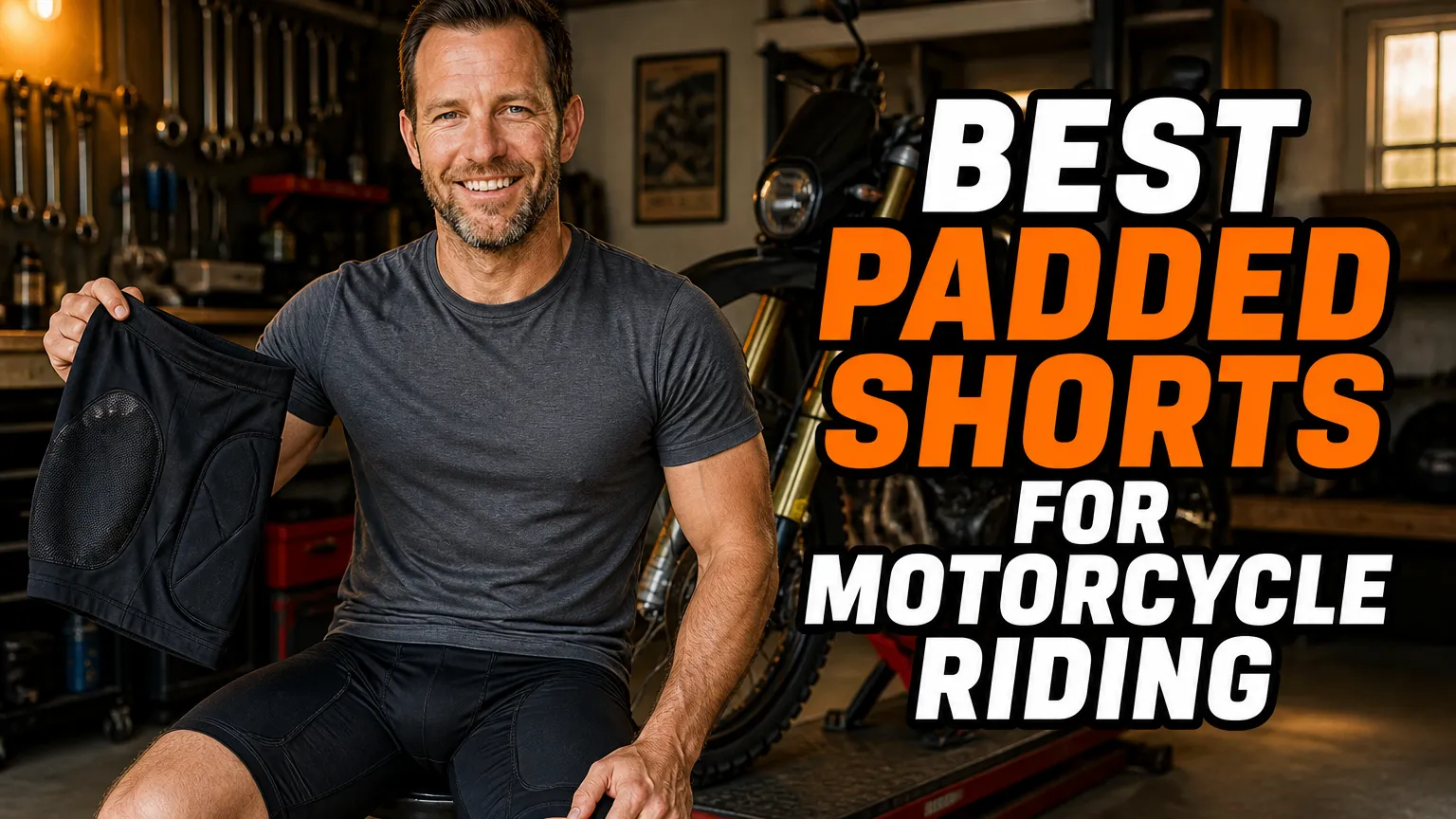
When I look for padded shorts for motorcycle riding, I first ask what I need the padding to do. Impact shorts are designed to add coverage at areas such as the hips and tailbone; chamois shorts are meant to soften pressure from a firm saddle. Those are different jobs, and one type may not do the other well.
My picks below include both kinds, so I can match the choice to a commute, trail ride, or long day in the saddle. I also check how a pair fits under my riding pants, whether its protectors have a stated impact rating, and whether the product is actually intended for motorcycle or off-road use.
- I choose impact shorts for extra hip or tailbone coverage, not slide protection.
- I choose chamois shorts when saddle pressure, rather than impact coverage, is my main concern.
- Leatt, Alpinestars, Fox, and Troy Lee Designs offer established impact-short options.
- I check pad placement, fit under riding pants, and care instructions before buying.
How I Choose Padded Shorts for a Ride
I separate these products into two groups. Impact shorts use foam or protective inserts to help cover parts of the pelvis and upper legs, while cycling-style chamois shorts add a shaped pad between the rider and the seat. Some riders want one function; others may prefer to layer both, provided the fit remains comfortable.
I never treat shorts as a replacement for abrasion-resistant motorcycle pants. A padded insert can add targeted impact coverage, but it does not make ordinary fabric safe for sliding on pavement. I pair any shorts with suitable riding trousers and other protective gear, and I look for protectors with a clearly stated certification where available.
1. Leatt 3DF 5.0 Impact Shorts — My Pick for Trail and Off-Road Coverage
The Leatt 3DF 5.0 Impact Shorts are a purpose-built option I consider when I want close-fitting protection under riding trousers. Leatt’s 3DF impact foam is designed to remain flexible while moving and to absorb impact energy, and the shorts use a ventilated stretch construction for a snug, layer-friendly fit.
I like this style for trail and off-road riding, where I may be moving around on the bike and want coverage that stays close to my body. The shorts include protection around the hip and thigh areas; I check the specific model’s product label and current documentation for the exact protector locations and certification before purchasing.
What I’d check before buying
I would try the Leatt 3DF 5.0 Impact Shorts on with the pants I actually ride in. A pad that shifts away from the hip during a riding crouch is less useful, and a waistband that bunches can become distracting over a long day. I also follow the maker’s care instructions to avoid damaging the foam or fabric.
For riders assembling a broader off-road kit, I’d consider these alongside guidance on best protective gear for motorcycle trail riding. Shorts can be one part of a kit, not the whole plan.
2. Alpinestars Bionic Action Protection Shorts — My Pick for a Close, Light Layer
The Alpinestars Bionic Action Protection Shorts are another protective-underlayer option I’d consider for off-road or spirited riding. The model combines stretch mesh with impact protectors, including hip coverage, and is designed to sit close to the body beneath riding clothing. That low-profile shape can be helpful when I don’t want bulky layers under my pants.
Alpinestars identifies its hip protection as CE-certified on this product line. I still verify the exact version and protector markings, since specifications can vary by market or product update. For me, the important point is to check both the certification information and whether the pads cover the places I want protected.
Where it makes sense
I’d look at the Bionic Action shorts if I want a familiar motorcycle-gear brand and a fitted layer that works with compatible pants. I wouldn’t buy them expecting a padded seat or chamois, though: impact armor and saddle cushioning solve different problems.
When I’m comparing a full protective setup, I also use this guide to best gear for motorcycle safety top protective clothing and accessories as a reminder to consider the whole outfit, not just the shorts.
3. Fox Racing Baseframe Pro Shorts — My Pick for Flexible D3O Coverage
Fox Racing’s Baseframe Pro Shorts are an established action-sports protective short with D3O inserts. Their close-fitting construction is intended to layer beneath outerwear, and the combination of flexible textile and impact inserts makes them worth considering when I want coverage without a rigid shell.
I pay particular attention to the exact Baseframe version when shopping. Product generations and regional listings can differ, so I check the maker’s current specifications for the included pads, their locations, and any stated impact standard rather than assuming every listing describes the same configuration.
Fit and riding use
I’d try the Fox Baseframe Pro Shorts with my motorcycle pants before committing, especially if those pants already have built-in hip armor. Extra layers can create pressure points or cause pads to overlap awkwardly. For off-road use, I’d also check that the waistband and leg openings stay put when I stand on the pegs.
These are impact-oriented shorts, not a substitute for abrasion-resistant trousers. I see them as an additional layer for compatible riding gear, especially when the cut and pad position suit my body.
4. Troy Lee Designs 7855 Protective Short — My Pick for Upper-Leg Coverage
The Troy Lee Designs 7855 Protective Short is a recognizable protective-short model built around flexible, body-hugging fabric and D3O impact protection. Its design is aimed at action sports and includes coverage around areas such as the hips and thighs. I consider it when I want a fitted underlayer rather than a padded cycling seat insert.
Because this is not a pair of abrasion-resistant motorcycle pants, I would wear the 7855 under suitable riding trousers. I’d also inspect the current model details carefully: the locations and specifications of inserts can change between product versions, and the best fit depends on whether the pads line up with my hips while seated.
What I like about the design
For me, flexible construction matters as much as the presence of pads. If shorts restrict movement or bunch behind my knees, I’m less likely to wear them consistently. I’d check the waistband, leg length, and pad placement while standing, seated, and crouched over the bike.
The 7855 is most relevant to riders who want impact coverage. If my main issue is saddle soreness on a touring ride, I’d compare it with a dedicated chamois short instead of assuming protective foam will provide the same comfort.
5. EVS TUG Impact Short — My Pick for a Secure Protective Fit
The EVS TUG Impact Short is a motocross-oriented protective short designed to be worn under riding pants. EVS makes protective equipment for off-road riding, and the TUG style focuses on keeping impact padding close to the body. I’d consider it for dirt riding where a secure fit and coverage around the pelvis and upper legs are priorities.
Before buying, I’d check the exact product version for its listed protection zones, materials, and any certification details. I would not assume that every padded area carries the same rating, or that a general product description guarantees a particular level of protection.
My fit check
I’d move through a full range of riding positions while wearing the EVS TUG shorts. I want the pads to stay in place without digging into my hips, and I want the fabric to sit smoothly under my pants. If the shorts feel tight enough to restrict movement, I’d try another size or model rather than hoping they’ll loosen up.
For new riders, I’d pair this kind of comparison with a broader look at the best motorcycle clothing for beginners. Protective shorts are a useful extra for some riders, but core protective clothing should come first.
6. Moto-Skiveez Adventure Shorts — My Pick for Long Days in the Saddle
Moto-Skiveez Adventure shorts are designed around saddle comfort rather than impact armor. They use a cycling-style padded seat insert intended to reduce friction and pressure on longer rides, and the brand offers versions aimed at different riding needs. I’d consider the Adventure model when my motorcycle seat leaves me uncomfortable after several hours.
The main difference from the impact shorts above is important: a chamois is not a hip protector. I would not count a cushioned seat pad as impact armor, and I’d still wear properly protective motorcycle trousers. I’d check the current product listing for its pad shape, fabric, sizing, and care instructions.
When I’d choose a chamois
I’d try the Moto-Skiveez Adventure shorts if saddle pressure is the problem I’m trying to solve. Fit is personal: a pad that feels supportive to one rider may create seams or pressure points for another. I’d test them on a shorter ride before relying on them for a full touring day.
They may also be useful for riders planning warm-weather trips, but I’d think about ventilation across my whole kit. I refer to this overview of the best motorcycle gear for summer when I’m balancing comfort with protective coverage in hot conditions.
7. Moto-Skiveez Street Shorts — My Pick for Everyday Saddle Comfort
Moto-Skiveez Street shorts are another option I’d look at when I want a cycling-style chamois under everyday riding clothes. Their purpose is to add cushioning at the saddle, not to provide impact protection. That makes them a more relevant choice for commuting or casual rides where seat discomfort is the issue I’m trying to address.
I’d compare the Street model’s current cut and pad profile with the shape of my riding pants. A bulky insert can bunch under a close-fitting trouser, while a pad that is too thin may not make a noticeable difference. I would also confirm the sizing chart rather than choosing by my usual casual-shorts size.
Comfort without confusing the job
For me, the benefit of a dedicated chamois is that it is shaped for contact with the seat. It can help manage friction and pressure, but it does not replace hip armor or abrasion-resistant fabric. If I need both comfort and impact coverage, I’d test a layered setup carefully to make sure it remains comfortable and does not move around.
8. Moto-Skiveez Sport Shorts — My Pick for a More Active Riding Position
Moto-Skiveez Sport shorts round out my comfort-focused picks. Like the brand’s other chamois options, they are intended to cushion the rider at the saddle rather than act as protective armor. I’d consider this type of short if my riding position puts consistent pressure on the seat and I want a dedicated underlayer for that contact point.
I would check the current model’s precise fit, inseam, and pad construction before ordering. I’d also think about how long I’ll be seated, whether I’ll be standing frequently, and whether the shorts stay comfortable under my outer trousers. The best choice is the one that works with my particular seat and riding posture.
My practical test
I’d start with a short ride and pay attention to seams, heat, and any sensation of the pad shifting. If the shorts create new pressure or bunch under my pants, I’d try another cut rather than assuming more padding is automatically better. Comfort is individual, so I treat a short test ride as useful information.
How I Decide Between Impact Padding and Saddle Padding
If I want extra coverage over my hips or upper thighs, I look at impact shorts such as the Leatt, Alpinestars, Fox, Troy Lee Designs, or EVS options. I check the protector locations and stated standards, and I wear them under motorcycle trousers that provide appropriate abrasion resistance. I never treat a foam insert as permission to ride in ordinary, unprotected pants.
If my main concern is soreness from a long time on the seat, I look at a chamois short such as a Moto-Skiveez model. That pad is made for comfort at the saddle and should not be mistaken for crash protection. I may choose one category or the other depending on the ride, but I make sure I understand what each item is designed to do.
What I Check Before I Buy
- Pad purpose: I confirm whether the product is built for impact coverage, saddle cushioning, or both.
- Coverage and certification: I check the product’s current label and maker documentation for pad locations and any stated rating.
- Fit under my gear: I try the shorts with my riding pants and check that pads do not shift, overlap awkwardly, or create pressure.
- Heat and movement: I look for a fit that allows me to sit, stand, and move without pinching or restricting my riding position.
- Care requirements: I follow the maker’s washing and drying instructions so the fabric and protective inserts retain their intended shape.
My best padded shorts for motorcycle riding depend on the problem I’m solving. For added impact coverage, I’d start by comparing the purpose-built protective options and verifying their current specifications. For saddle comfort, I’d focus on a well-fitting chamois, test it on a shorter ride, and remember that it does not replace protective motorcycle clothing.
Frequently Asked Questions
What kind of padded shorts should I wear for motorcycle riding?
I choose impact shorts for hip and tailbone coverage, or chamois shorts for added saddle comfort. Some riders may want both.
Do padded motorcycle shorts replace armored riding pants?
No. I treat padded shorts as an extra layer; they do not provide the abrasion resistance of motorcycle riding pants.
Can I wear mountain-bike impact shorts on a motorcycle?
I can use them for added impact coverage under compatible riding pants, but I check their fit and certification and never rely on them for slide protection.
How should motorcycle padded shorts fit?
I look for a close, stable fit that keeps pads over my hips and tailbone without pinching, bunching, or restricting movement.

Related Articles

5 Best Armored Motorcycle Shorts for Racing: CE Protection, Fit & Track-Day Picks
Compare five armored motorcycle shorts for racing, with notes on fit, impact protection, ventilation, and what I check before buying…
Jake Miller
12 min read

7 Best Motorcycle Riding Jeans for 5’9 Riders: Fit, Armor and Comfort
Compare seven protective motorcycle jeans that suit 5'9 riders, with practical notes on inseams, armor placement, stretch, and value to…
Jake Miller
10 min read

8 Best Motorcycle Touring Trousers for Comfort, Weather Protection, and Long Miles
Compare eight touring motorcycle trousers for comfort, weather protection, ventilation, and protection, with practical tips to help me choose the…
Jake Miller
12 min read