
7 Best Motorcycle Rain Gear Buys for Staying Dry Without Overspending
 Jake Miller
13 min read
Jake Miller
13 min read
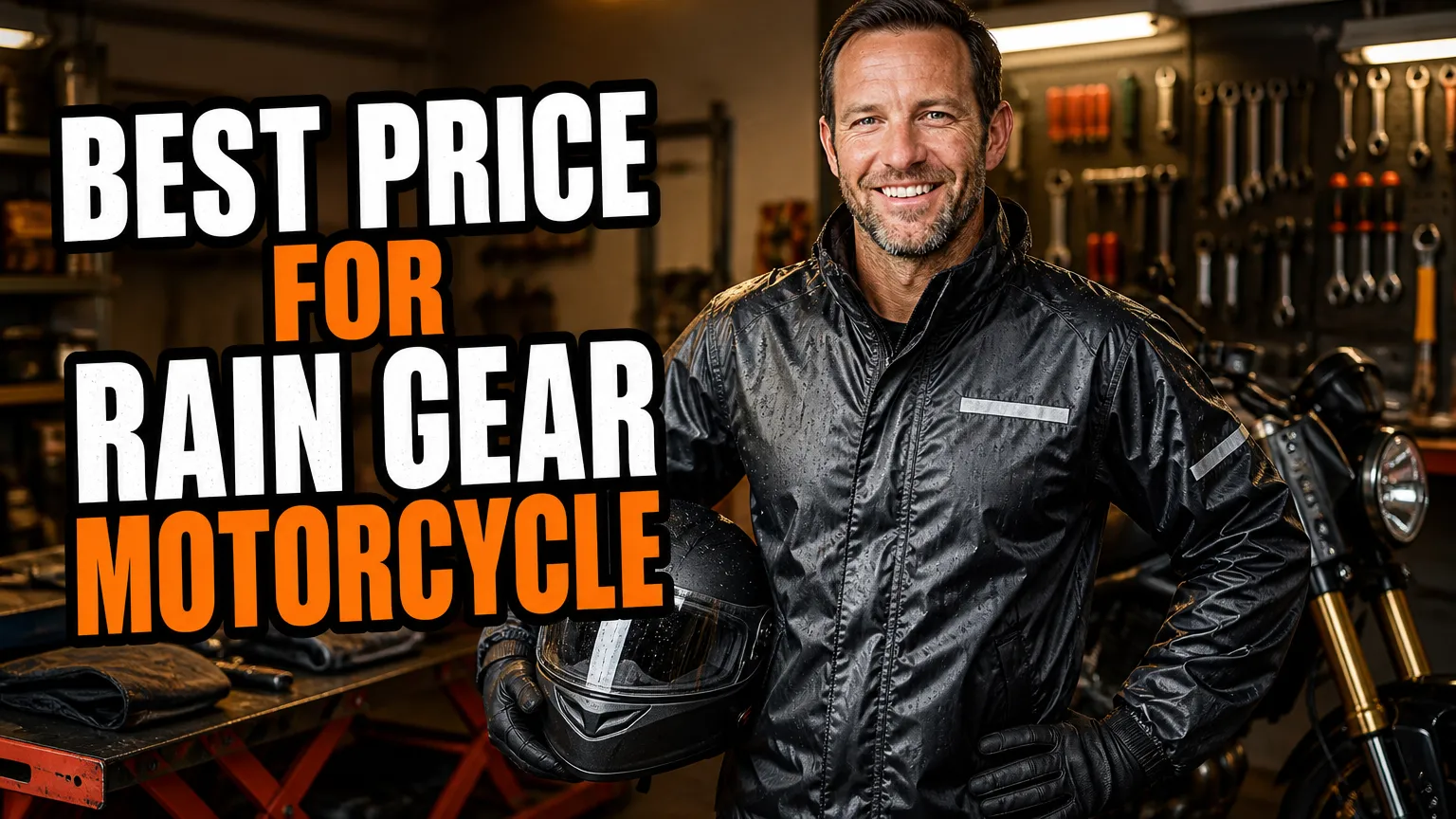
When rain catches me on a ride, I want gear that goes on quickly, fits over my protective layers and keeps water from working through the seams. The lowest sticker price isn’t always the best value: a suit that leaks, flaps hard at speed or is awkward to pull on can turn a bargain into a frustrating purchase.
In this guide, I compare real motorcycle rainwear at different price points and explain what I’d pay attention to before ordering. If you’re searching for the best price for rain gear motorcycle riders can actually use, I’d weigh the cost against coverage, fit and how often I expect to ride in wet weather.
- I look at total cost, fit over protective gear and seam coverage, not just the sale price.
- For occasional rides, Frogg Toggs Road Toadz and Nelson-Rigg SR-6000 are sensible value options to compare.
- For regular touring, I’d consider more feature-rich options such as the Alpinestars Hurricane Rain V2 or KLIM Forecast.
- I always check sizing, current prices and return terms because stock and discounts vary by retailer.
1. Frogg Toggs Road Toadz Motorcycle Rain Suit — My Budget-Friendly Starting Point
When I want an inexpensive, lightweight suit for occasional wet-weather rides, I start by comparing the Frogg Toggs Road Toadz Motorcycle Rain Suit. Frogg Toggs is known for lightweight rainwear, and Road Toadz is made as motorcycle over-gear rather than as a replacement for my riding jacket or pants. I’d expect to find it at an entry-level price, often around $50 to $90 USD depending on size and seller.
What appeals to me most is the packable design: I can keep a rain suit stowed on the bike without giving up much luggage space. I still make a point of checking the fit over my actual jacket, gloves and riding pants, because a rain suit that’s too tight can restrict movement, while excess material may flap at speed.
Where I see the value
I’d consider Road Toadz for commuting, backup storage or rides where a compact layer matters more than premium tailoring. Before I buy, I check the current product description for the exact construction and closure details, since product specifications and versions can change. I also treat it as weather protection, not impact protection: my armored riding gear stays underneath.
For riders assembling a complete wardrobe, I’d pair this kind of over-suit with the basics in my guide to best motorcycle clothing for beginners. My first priority is still gear that fits and protects in a fall; staying dry is important, but it doesn’t substitute for that foundation.
2. Nelson-Rigg SR-6000 Stormrider Rain Suit — My Practical Value Pick
The Nelson-Rigg SR-6000 Stormrider Rain Suit is another option I’d check when I want a dedicated two-piece motorcycle rain suit without jumping into premium pricing. It’s built as an outer rain layer, with a jacket and pants designed to go over riding gear. I commonly see it in the approximate $70 to $120 USD range, though the price depends on the retailer and available sizes.
I like the flexibility of a two-piece arrangement: I can put on just the jacket if rain is light or the forecast changes during a ride. For steady rain, I make sure the jacket and pants overlap properly when I’m seated in my normal riding position. That seated-fit test matters because the gap between layers can become a weak point on the road.
What I check before ordering
I would inspect the Stormrider’s current sizing chart, closure design and visibility details before choosing a size. A rain layer needs enough room for my armor and warm layers, but it shouldn’t balloon so much that it becomes distracting at speed. I also compare the final price with shipping and return costs rather than relying on a headline discount.
For me, this is a sensible middle-ground candidate for everyday use: more purpose-built than grabbing general-purpose rainwear, but usually still accessible compared with high-end touring systems. I’d browse the wider range of best clothes for motorcycle riding if I were also deciding whether my underlying riding clothes are suitable for the conditions I ride in.
3. Tour Master Elite II Rain Suit — My Touring-Oriented Midrange Choice
The Tour Master Elite II Rain Suit is one I’d consider when I want a motorcycle-specific rain suit from a brand with a long history in touring apparel. The two-piece design makes it easier for me to get dressed at a fuel stop than a one-piece suit, and it’s intended to be worn over riding clothing. Depending on stock and retailer, I’d expect prices to land roughly around $90 to $150 USD.
At this price, I look closely at details rather than assuming every suit offers the same level of protection from prolonged rain. I check the product listing for its waterproof materials, seams and closures, and I read the care instructions so I know how to keep the outer layer working as intended. I also check whether the trousers and jacket are sold together in the size I need.
Why I’d compare it with cheaper options
For a rider who tours in changeable weather, the value of the Elite II may be in its motorcycle-oriented cut and easy layering. I’d try it over my own jacket and pants, then reach forward as if holding the bars to see whether the sleeves ride up or the waist pulls open. That simple check tells me more than judging the suit on a hanger.
I wouldn’t pay extra just for a familiar brand name, but I would compare the Elite II’s fit and return policy against budget models. When safety is part of the same shopping trip, I also refer to my overview of best gear for motorcycle safety top protective clothing and accessories. I keep rainwear in the comfort-and-weather layer category, not the armor category.
4. Oxford Rainseal Over Suit — My Compact Option for Everyday Carry
The Oxford Rainseal Over Suit is a product I’d put on my comparison list when I want a packable over-suit from a well-known motorcycle accessories brand. Oxford sells rainwear for riders who need a layer over their regular kit, and Rainseal is offered as an over-suit rather than protective outerwear. I’d check live listings for the exact version and expect pricing to vary, often around $70 to $130 USD.
My main buying question is how easily I can pull the suit on over boots, gloves and a jacket when a shower begins. I look at the entry points and closures, then check whether the leg openings and cuffs work with my particular boots and gloves. A suit can have a good price and still be poor value for me if I can’t get it on quickly by the roadside.
How I’d use it
I’d pack Rainseal for commuting or touring when a sudden shower is more likely than a full day of rain. I’d also look at the suit’s visibility features and confirm the current product specs rather than assuming every color or model year is identical. For sustained heavy rain, I’d want to be especially careful about fit, overlap and the condition of closures.
Because a waterproof layer can feel warm, I think about the weather I ride in most often before buying. If heat and airflow matter more than rain coverage on most of my trips, I’d also compare the recommendations in best motorcycle gear for summer. I’d rather choose a practical layer for my real riding conditions than buy features I rarely use.
5. Alpinestars Hurricane Rain V2 — My Feature-Rich Two-Piece Pick
The Alpinestars Hurricane Rain V2 is a two-piece rain suit I’d consider when I want motorcycle-specific design from a major riding-gear brand. It’s intended to be worn over a rider’s normal equipment, with a waterproof outer layer and details designed for wet-weather use. I’d compare current prices around $120 to $190 USD, recognizing that color, size and regional availability can shift the total.
What I value here is the dedicated motorcycle orientation, not the assumption that a higher price automatically means a better fit. I check the product listing for the current material and construction details, then verify the sizing against the jacket and pants I plan to wear underneath. I also consider whether the cuffs and leg openings can close neatly around my gloves and boots.
When I think the extra cost makes sense
I’d be more inclined to pay for the Hurricane Rain V2 if I ride often, travel in unpredictable weather or want a coordinated jacket-and-pants setup. Before committing, I’d compare it directly with the Tour Master and Nelson-Rigg options, including shipping and the return policy. If my rain gear only comes out twice a year, I may not get enough use from the extra spend.
I also remind myself that rain protection is only one piece of trail or touring preparation. For off-road riding, I’d start with appropriately protective equipment and consult best protective gear for motorcycle trail riding before choosing an outer rain layer. The base kit still has to suit the riding I’m doing.
6. REV’IT! Cyclone 4 H2O Jacket and Acid 4 H2O Pants — My Mix-and-Match Setup
Instead of buying a single suit, I can build a two-piece system from the REV’IT! Cyclone 4 H2O Jacket and REV’IT! Acid 4 H2O Pants. These are separate rainwear pieces, so I check that I’m adding both items to my cart if I want full coverage. Combined pricing commonly lands in a broad range of about $140 to $240 USD, depending on sales and the sizes in stock.
I like the flexibility of choosing jacket and pants separately, especially if I need a different size on top and bottom. The Cyclone 4 H2O is a waterproof over-jacket, while the Acid 4 H2O is a matching waterproof over-pant; neither replaces the protective clothing I wear underneath. I check the latest product specifications and size charts because construction and availability can vary by market.
My price-check strategy for separate pieces
For this setup, I compare the combined total rather than the jacket price alone. I also check whether the pants have the closures and fit I need over my riding trousers and boots. A discounted jacket isn’t a complete bargain if the matching pants are hard to find or push the overall cost beyond another suit I prefer.
I’d consider this approach if I value separate sizing or already own one piece of compatible rainwear. For an all-in-one purchase, I’d compare it with a conventional suit and make sure the combined cost includes both pieces. That’s the kind of detail that makes a search for the best deal more useful than simply sorting a shopping page from lowest to highest price.
7. KLIM Forecast Jacket and Pants — My Premium Choice for Frequent Wet-Weather Miles
The KLIM Forecast Jacket and KLIM Forecast Pants are a premium rainwear pairing I’d investigate if I ride regularly in wet conditions and want a more technical setup. They’re sold as separate pieces, so I check the total carefully; a full set may cost roughly $300 to $450 USD, depending on current pricing and availability. That’s a very different budget from an occasional-use emergency suit.
KLIM’s Forecast range is associated with technical waterproof construction, but I still verify the exact materials and specifications on the current model listing before buying. I pay particular attention to the fit over my riding gear, the coverage at the waist and the ease of getting the pants on over boots. Premium construction is useful only if the pieces work with the gear I already own.
Who I think should consider the investment
I’d look hardest at the Forecast pairing if I tour often, encounter long stretches of rain or expect to use the set repeatedly over several seasons. I’d also compare the warranty, care requirements and replacement availability. If I ride mostly in dry weather, I’d probably put that money toward other protective equipment or choose a less expensive suit that I’m comfortable keeping packed on the bike.
For me, this option illustrates why “best price” doesn’t always mean the smallest number. A higher upfront cost can make sense when I use the gear often and value its construction, but it’s not an automatic recommendation for every rider. I’d base the decision on real use, fit and total cost rather than price alone.
How I Find a Better Deal on Motorcycle Rainwear
When I compare prices, I first make sure I’m comparing like with like. A jacket-only listing may look cheaper than a complete suit, and two-piece products may be priced separately. I add the pieces I need, shipping and any return costs before deciding which option is genuinely less expensive.
Next, I confirm that the product is designed to fit over motorcycle gear. I check the brand’s size chart, look for room at the shoulders and knees, and consider how the fabric will sit when I’m in a riding position. When possible, I try the suit over my own jacket, pants, boots and gloves before taking it on a long ride.
Details I never skip
- Waterproof construction: I check the manufacturer’s current claims about the fabric, seams and closures.
- Fit and coverage: I make sure the jacket and pants overlap while seated and that the suit doesn’t restrict movement.
- Packability: I consider whether the suit fits in my luggage or the storage space I have on the bike.
- Visibility: I look for reflective details or high-visibility color options, without treating them as a substitute for riding carefully.
- Return terms: I check whether I can exchange a size if the suit doesn’t fit over my regular kit.
I also try not to confuse a rain suit with protective riding apparel. I keep my helmet, abrasion-resistant clothing and armor in place beneath any over-suit, and I make sure the rain layer doesn’t interfere with their fit. For a broader look at how I choose riding clothes, I use best clothes for motorcycle riding as a starting point.
My Final Take on Paying for Rain Gear
If I needed inexpensive backup coverage, I’d compare the Frogg Toggs Road Toadz with the Nelson-Rigg SR-6000 and check which one fits my gear better at the current price. For a regular commuter or tourer, I’d also try on the Tour Master Elite II, Oxford Rainseal and Alpinestars Hurricane Rain V2 before deciding. For frequent wet-weather miles, I’d weigh the REV’IT! pieces and KLIM Forecast set against how much use I’d actually get.
My best deal is the suit that keeps me covered, fits comfortably over protective clothing and is easy enough to put on when the weather turns. I’d compare current retailer prices, verify the exact product details and avoid choosing by discount percentage alone. That’s how I find rain gear I’m more likely to carry, wear and appreciate when I need it.
Frequently Asked Questions
How much should I spend on motorcycle rain gear?
I’d budget roughly $50 to $150 for a practical over-suit, and more for premium materials, frequent touring or a more tailored fit.
Is a one-piece or two-piece motorcycle rain suit better?
I prefer a one-piece suit for maximum coverage, while a two-piece setup is easier to put on and lets me use only the jacket or pants.
Can I wear motorcycle rain gear over my regular riding gear?
Yes. I choose an over-suit sized to fit over my jacket and pants without restricting movement, and check the brand’s sizing chart before buying.
What should I check before buying rain gear for riding?
I check waterproof construction, closures, fit over armor, visibility, packability and return terms, then compare the total price of the pieces I need.

Related Articles

5 Motorcycle Wrist Braces and Guards I’d Choose for Confident Riding
Compare five wrist braces and guards I’d consider for street and dirt riding, with fit, support, glove compatibility, and buying…
Jake Miller
11 min read

7 Under Armour Base Layers I’d Choose for Comfortable Motorcycle Rides
Discover seven Under Armour base layers for hot and cold rides, plus my fit tips and safety advice for wearing…
Jake Miller
10 min read

8 Best Motorcycle Base Layers for Staying Warm on Cold Rides
Compare eight rider-ready thermal base layers, from merino to synthetic options, with fit, warmth, layering advice, and picks for cold-weather…
Jake Miller
11 min read