
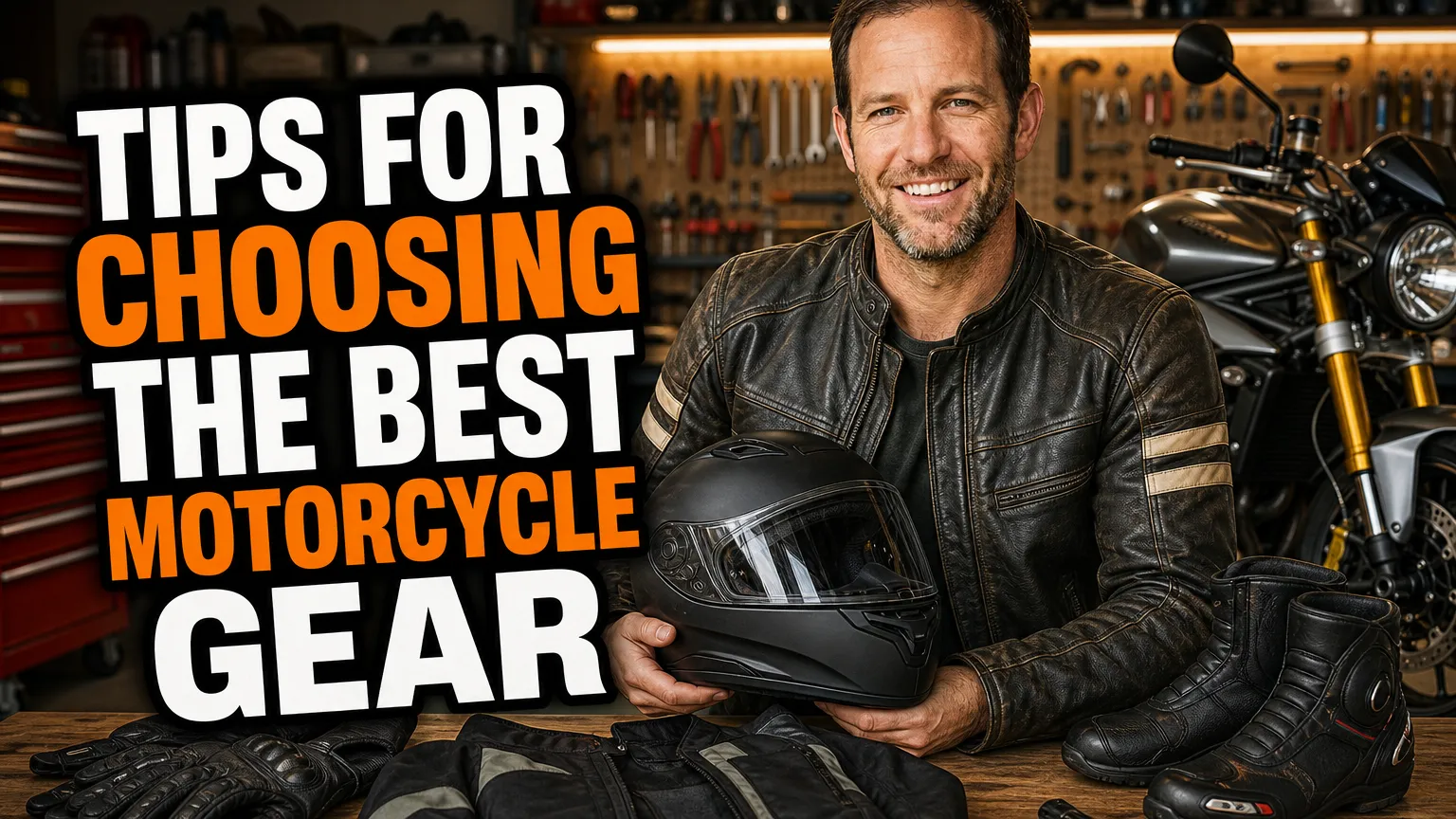
I used to think choosing motorcycle gear was mostly about picking a jacket that looked right and a helmet that matched my bike. After enough miles in changing weather, I learned that comfort, fit, protection, and visibility matter just as much as appearance. These are the tips for choosing the best motorcycle gear that I rely on when I shop for a new piece or upgrade my setup.
My goal is simple: I want gear that feels comfortable enough to wear every ride and is designed to help protect me when the unexpected happens. I also want it to suit the weather, roads, and kind of riding I actually do, rather than the imaginary adventures I might take someday.
- I prioritize a certified helmet that fits securely and comfortably.
- I check that armor stays in place when I move into my riding position.
- I choose gear for my climate, riding style, and real-world budget.
- I inspect and maintain my gear so it can keep doing its job.
I Start With Protection That Fits
When I shop for motorcycle gear, I think about protection before color, brand, or matching sets. Gear cannot prevent every injury, but I look for pieces designed for riding and made with protective features in the areas most exposed in a fall. Just as importantly, I choose gear I will genuinely wear every time I ride.
I Give My Helmet the Most Attention
I try on helmets in person whenever I can because the right fit is personal. I want the padding to feel evenly snug around my head, without sharp pressure points, and I check that the helmet stays in place when I move my head. If it shifts easily or feels painful after a short try-on, I keep looking.
I check the helmet’s safety certification and confirm that the model meets the requirements where I ride. Certifications and regulations can differ by country, so I read the label and current local guidance instead of relying on a marketing claim. I also make sure the chin strap fastens securely and that I can see clearly through the visor in my normal riding position.
My helmet needs to suit my riding, too. I consider ventilation, visor options, noise, weight, and whether I can wear it comfortably for my usual trip length. After an impact, I replace a helmet even if I cannot see damage; I also follow the manufacturer’s guidance on care and replacement.
I Check Armor and Coverage in Riding Position
For jackets and pants, I look for abrasion-resistant construction and impact armor at the shoulders, elbows, hips, and knees. I check what protection is included, whether it is removable, and whether the garment allows an upgrade. When a product references a recognized armor standard, I read the specifications rather than assuming every pad offers the same protection.
Fit matters because protective panels only help as intended if they stay in place. I sit as I would on my bike, bend my elbows and knees, and check whether the armor still covers the areas it is meant to cover. A jacket that seems fine standing in a shop can ride up once I reach for the bars.
When I want to compare protective layers and useful accessories, I also consult this guide to the best gear for motorcycle safety top protective clothing and accessories. I use it as a starting point for research, then check that any item I consider matches my fit, riding conditions, and local requirements.
I Look for a Fit I Can Ride In
I do not buy riding gear based on how it fits when I am standing still. I move around in it, reach forward, crouch slightly, and imagine how it will feel after an hour on the bike. The aim is a close, secure fit that lets me move naturally without creating uncomfortable pressure or pulling at the seams.
I Try Every Layer I Plan to Wear
If I expect to wear a base layer or warm mid-layer, I try it under the jacket before deciding on a size. I check the sleeves, cuffs, collar, and waist for gaps that could let in wind or rain. With pants, I check that the waistband stays comfortable and the knees still line up with their armor when I bend them.
I also pay attention to closures and adjusters. I want cuffs that work with my gloves, pockets I can reach safely while stopped, and fasteners that do not dig in when I sit. A few minutes of testing can save me from discovering a frustrating fit issue halfway through a long ride.
I Balance Comfort With a Secure Feel
I avoid gear that feels loose enough to shift around at speed, but I do not force myself into a size that restricts movement. Tight spots can become painful as the miles add up, while excess room can make armor less likely to stay where I need it. If I am between sizes, I check the brand’s measurements and return policy, then test the fit with my usual layers.
For newer riders, I like having a practical starting point rather than buying a full wardrobe all at once. This guide to the best motorcycle clothing for beginners can help me think through useful essentials before I compare individual pieces.
I Match Materials to My Riding Conditions
I have learned that no single material or outfit is ideal for every ride. A hot commute, a rainy weekend, and a cold morning call for different features, so I start by being honest about where and when I ride most. That helps me avoid buying gear that looks versatile but ends up uncomfortable in my regular conditions.
I Think About Heat, Rain, and Ventilation
For warm weather, I look for ventilation that can move air while still keeping protective coverage in place. Mesh can feel much cooler than a heavy jacket, but I check the garment’s construction and protective features rather than judging it by airflow alone. I also consider whether vents are easy to open and close with gloves on.
For wet weather, I think about whether I want a waterproof riding suit, a removable liner, or separate rain layers. I check how the closures work around the neck, wrists, and waist, because water can find its way through small gaps. I also make sure any waterproof option will be comfortable enough for the temperatures I expect.
My everyday choices are guided by function as much as style. When I compare options for a full outfit, I find it useful to review ideas for the best clothes for motorcycle riding and then narrow them down to the conditions I personally encounter.
I Plan for Cold Rides Before I Need to
Cold air can make a ride miserable surprisingly quickly, so I plan layers before the temperature drops. I look for gear that blocks wind and helps keep warmth in without making it difficult to move or operate the controls. I also pay attention to hands, feet, and neck, which can get uncomfortable before the rest of me does.
For longer or colder rides, I compare specific options in this guide to the best gear for riding motorcycle in cold weather stay warm and protected. I also consider a face covering that fits comfortably under my helmet, using this guide to the best winter face mask for motorcycle riding to explore useful features.
I Make Visibility Part of My Gear Choice
I want other road users to have the best chance of noticing me, especially in rain, low light, or busy traffic. That is why I consider reflective details and brighter colors when I choose jackets, helmets, and additional layers. I do not rely on color alone, but I treat visibility as one more practical feature worth considering.
I also check how the gear looks from different angles, not just from the front in a product photo. Reflective panels that are visible from the sides and back can be useful, and I think about how they work with the rest of my outfit. For night rides, I make sure my lights are working and never assume clothing alone makes me easy to see.
I Shop With a Realistic Budget
I do not assume the most expensive gear is automatically the right choice for me. Instead, I compare construction, fit, protective features, warranty details, and the cost of replacing parts like liners or armor. I would rather buy a well-fitting essential from a reputable maker than stretch my budget for features I will not use.
If I need to buy several items, I prioritize the pieces I need for safe, comfortable riding first. I make a list, check whether the gear works together, and look for reputable retailers with clear sizing and return policies. I avoid buying used helmets because I may not know their impact history, and hidden damage is not worth the uncertainty to me.
I Think About the Cost Per Ride
Durability affects the real value of my gear. I inspect seams, zippers, snaps, and adjustment points, and I read care instructions before I buy. If I ride often, a versatile item that holds up to regular use may be a better investment than something cheaper that wears out quickly.
I also leave room in my budget for maintenance. Cleaning products that suit the material, replacement armor when needed, and repairs from a qualified service can help me get more use from gear I already own. I treat this as part of the purchase price, not an unexpected extra.
I Test and Maintain My Gear Over Time
Once I buy gear, I keep checking the fit and condition instead of assuming it will stay protective forever. I look for torn fabric, damaged seams, worn closures, cracked components, and armor that has shifted or deteriorated. If anything makes me question whether a piece is still doing its job, I contact the manufacturer or replace it rather than guessing.
I follow the care label because the wrong cleaning method can damage certain materials or finishes. I let gear dry fully, store it away from excessive heat and direct sunlight, and keep it where it will not be crushed or snagged. For a helmet, I use products and cleaning methods approved by its manufacturer.
My final check is a simple one: can I put everything on comfortably, fasten it correctly, and move freely in my riding position? If I cannot, I adjust the fit or rethink the item before heading out. The gear I value most is the gear I can wear properly, ride comfortably in, and maintain with confidence.
Choosing well does not mean chasing every new feature or buying a perfectly matching set. I focus on a secure helmet, protective coverage, dependable fit, weather-appropriate layers, and pieces I will use consistently. That approach has helped me feel more prepared on everyday rides and more comfortable when conditions change.
Frequently Asked Questions
What motorcycle gear should I buy first?
I start with a properly fitted, certified helmet, then add a protective jacket, gloves, riding pants, and over-the-ankle boots.
How should a motorcycle helmet fit?
I look for a snug, even fit with no painful pressure points, and I make sure the helmet stays secure when I move my head.
Is motorcycle gear supposed to feel tight?
I want gear to fit close enough to keep armor in place, but not so tight that it restricts movement or causes discomfort.
How often should I replace motorcycle gear?
I replace a helmet after an impact and inspect all gear regularly for worn seams, damaged closures, compromised armor, or other signs of deterioration.

Related Articles

5 Motorcycle Wrist Braces and Guards I’d Choose for Confident Riding
Compare five wrist braces and guards I’d consider for street and dirt riding, with fit, support, glove compatibility, and buying…
 Jake Miller
11 min read
Jake Miller
11 min read

7 Under Armour Base Layers I’d Choose for Comfortable Motorcycle Rides
Discover seven Under Armour base layers for hot and cold rides, plus my fit tips and safety advice for wearing…
Jake Miller
10 min read

8 Best Motorcycle Base Layers for Staying Warm on Cold Rides
Compare eight rider-ready thermal base layers, from merino to synthetic options, with fit, warmth, layering advice, and picks for cold-weather…
Jake Miller
11 min read