
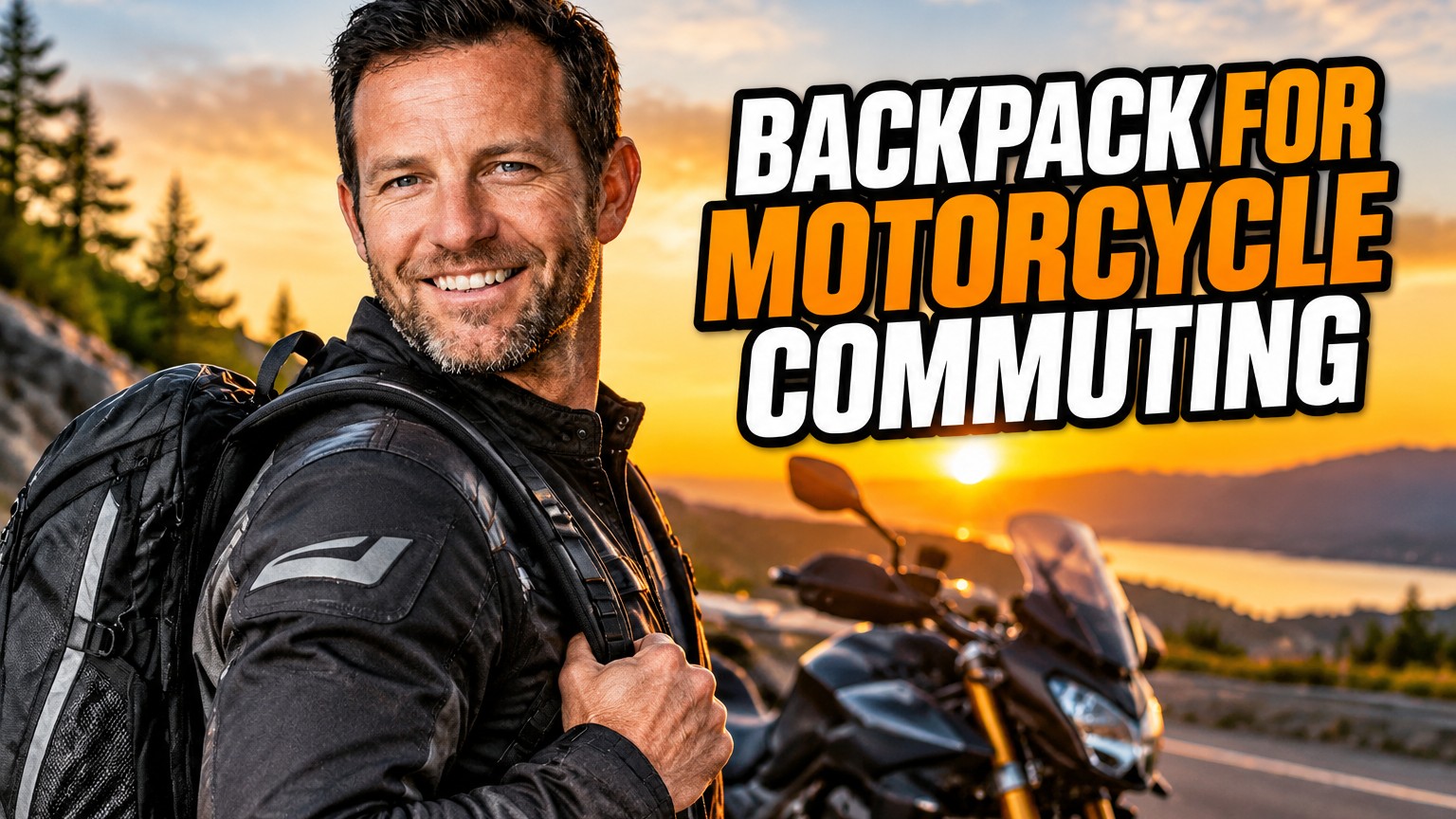
I’ve been commuting by motorcycle for over eight years, and I can tell you that choosing the right backpack completely changes your daily ride. A poorly designed bag will shift around, catch wind, make you sweat, and potentially put your laptop at risk when it inevitably rains.
After testing dozens of backpacks through everything from California heat waves to Pacific Northwest downpours, I’ve learned exactly what separates a great commuter backpack from one that’ll frustrate you every single morning. The best ones disappear on your back, keep your gear bone-dry, and actually make commuting more enjoyable.
- Motorcycle-specific backpacks with chest/waist straps prevent dangerous shifting at highway speeds
- Waterproof construction (not just water-resistant) is essential for protecting electronics and work essentials
- The 20-30L capacity range offers the sweet spot between storage and aerodynamics for daily commuting
- Laptop compartments should be padded and positioned close to your back for weight distribution
- Reflective materials significantly improve visibility during early morning and evening commutes
1. Kriega R25 Backpack — Best Overall for Daily Commuting
The Kriega R25 is my personal daily driver, and it’s held that spot for three years running. This 25-liter British-made pack uses Kriega’s unique Quadloc harness system that distributes weight across your chest and shoulders instead of pulling backward like traditional straps.
I’ve tested the R25 through countless commutes, and the difference in comfort compared to standard backpacks is immediately noticeable. The Quadloc system keeps the bag locked to your torso even when you’re leaning into corners or accelerating hard on highway on-ramps. There’s zero bouncing or shifting.
What Makes the Kriega R25 Stand Out
The bag is 100% waterproof with welded seams and a roll-top closure. I’ve ridden through absolute downpours without a single drop reaching my laptop or documents inside. The materials are RF welded rather than stitched, which is the same construction method used in whitewater rafting gear.
Inside, there’s a separate laptop sleeve that fits up to a 15-inch laptop, positioned against your back for optimal weight distribution. I appreciate that Kriega didn’t overdo it with internal organization—there’s one main compartment and the laptop sleeve, which keeps things simple and maximizes usable space.
The R25 runs around $230, which is premium pricing, but the build quality justifies it. Mine still looks nearly new after three years of five-day-a-week commuting. The zippers are YKK Aquaguard, the fabric shows minimal wear, and the Quadloc buckles work as smoothly as day one.
2. OGIO Mach 5 — Best for Tech-Heavy Commuters
If you’re hauling serious tech gear, the OGIO Mach 5 is purpose-built for that mission. I’ve used this 23-liter pack for commutes where I needed my laptop, tablet, multiple chargers, and work documents all organized and protected.
The Mach 5 features what OGIO calls their “Turbine” back panel, which is essentially a suspended mesh design that creates an air gap between the pack and your back. During summer commutes, this makes a real difference in reducing sweat buildup compared to packs that sit flat against your back.
Organization That Actually Makes Sense
What sets the Mach 5 apart is the internal organization. There’s a dedicated, heavily padded laptop compartment, a separate tablet sleeve, and multiple smaller pockets for cables, power banks, and accessories. I can grab exactly what I need without digging through a single large compartment.
The pack includes both a chest strap and a removable waist belt. I always use both for motorcycle commuting—they keep the Mach 5 stable at highway speeds and prevent the load from shifting when you lean into turns.
OGIO includes a built-in rain cover that stows in a dedicated bottom pocket. While the pack itself is only water-resistant (not fully waterproof like the Kriega), I’ve found the rain cover deploys quickly and provides solid protection. Just remember to pull it out before the rain starts. At around $130, it’s a solid mid-range option that doesn’t compromise on features.
3. Ortlieb Velocity High Visibility — Best Waterproof Option
I tested the Ortlieb Velocity High Visibility during an especially wet winter, and it might be the most waterproof backpack I’ve ever used. Ortlieb is a German company known for making expedition-grade waterproof gear, and the Velocity brings that same technology to motorcycle commuting.
This 23-liter pack uses a roll-top closure with a massive reflective strip that wraps around the entire rolled section. During dark morning commutes, car headlights hit that strip and you light up like a Christmas tree—visibility is legitimately excellent.
Serious Waterproofing for Serious Weather
The Velocity is constructed from PVC-coated polyester with welded seams. There are no zippers on the main compartment, which eliminates the most common water entry point. I’ve deliberately ridden through heavy rain to test it, and the contents stayed completely dry every time.
Inside, there’s a padded laptop sleeve accessible through a separate zippered opening, so you don’t have to unroll the top to grab your computer. This design detail shows Ortlieb actually thought about real-world commuting use rather than just making a waterproof sack.
The suspension system is simpler than the Kriega’s Quadloc—traditional padded shoulder straps with chest and waist straps. It’s comfortable enough for daily use, though not quite as sophisticated in weight distribution. At $170, you’re paying for genuine waterproofing that’ll outlast most other packs on the market.
One consideration: if you need to store an E-ZPass tag in your bag, the Ortlieb’s thick waterproof material might interfere with the signal more than mesh-lined packs. I keep mine in a jacket pocket instead.
4. Chrome Barrage Cargo — Best for Maximum Capacity
When I need to haul more than just laptop and lunch—maybe gym clothes, groceries, or extra gear—I reach for my Chrome Barrage Cargo. This 32-liter pack is at the upper end of what I’d consider comfortable for motorcycle commuting, but it excels when you need serious carrying capacity.
Chrome originally made messenger bags for bike couriers, and that heritage shows in the Barrage’s bombproof construction. The outer shell is 1050-denier ballistic nylon with a waterproof truck tarpaulin liner. I’ve accidentally dropped this pack, scraped it against garage walls, and generally beat it up—there’s not a mark on it.
Expandable Design for Variable Loads
The Barrage uses Chrome’s “Expanding Frame System,” which is a metal internal frame that you can adjust to compress the pack when it’s not fully loaded. This matters on a motorcycle because a half-empty 32-liter pack will still catch wind and bounce around unless you can cinch it down.
The roll-top closure allows you to adjust the pack’s height based on what you’re carrying. On light days, I roll it down tight and secure it with the compression straps. When I’m hauling a full load, I open it up to maximum capacity.
Chrome includes a padded laptop compartment that fits up to a 17-inch laptop, plus a separate external pocket for quick-access items. The suspension system features wide, padded shoulder straps and an adjustable sternum strap, though there’s no waist belt—something I wish Chrome had included at this capacity.
At $225, the Barrage Cargo is premium-priced, but it’s genuinely built to last a lifetime. Chrome backs it with a lifetime warranty, which they actually honor based on multiple courier friends who’ve made warranty claims. If you’re considering investing in a larger capacity bag for longer trips, check out my guide to the best motorcycle bags for long trips.
5. Alpinestars City Hunter Backpack — Best Budget Pick
Not everyone wants to drop $200+ on a commuter backpack, and I respect that. The Alpinestars City Hunter delivers motorcycle-specific features at around $90, making it my top budget recommendation for riders just getting started with two-wheeled commuting.
This 25-liter pack includes features I consider essential: a padded laptop compartment (fits up to 15 inches), chest and waist straps to prevent shifting, and reflective detailing for visibility. The materials aren’t as premium as packs costing twice as much, but they’re perfectly adequate for daily commuting.
Surprising Features at This Price Point
What impressed me about the City Hunter is what Alpinestars included despite the budget-friendly price. There’s a dedicated helmet compartment at the bottom of the pack with a mesh liner to contain the smell—surprisingly useful when you need to bring your helmet inside.
The pack is water-resistant rather than waterproof, and it includes a rain cover stored in a bottom zippered pocket. I’ve used it in moderate rain without issues, though I wouldn’t trust it in a serious downpour without deploying the cover.
The suspension system is basic but functional—padded shoulder straps, adjustable chest strap, and a removable waist belt. It’s comfortable for my 30-minute commute, though I notice the load shifting slightly more than with premium packs during aggressive riding.
At under $100, the City Hunter is ideal for new riders who want motorcycle-specific features without committing to premium prices. It’s also a good choice if you’re in the experimental phase of figuring out exactly what features matter most to you.
6. Mosko Moto Backcountry 25L — Best for Adventure Commuters
I’ll admit the Mosko Moto Backcountry 25L is overkill for pure commuting, but if your commute occasionally turns into an impromptu weekend adventure—or if you’re riding an adventure bike and want gear that matches—this pack is exceptional.
Mosko Moto specializes in adventure motorcycle luggage, and the Backcountry brings that expedition-grade construction to a commuter-friendly size. The pack is completely waterproof with a roll-top closure and welded seams, using a heavy-duty TPU-coated fabric that feels indestructible.
Modular System for Expanding Needs
What makes the Backcountry unique is its PALS webbing (similar to MOLLE) covering the exterior. You can attach additional Mosko Moto pouches, tool rolls, or other gear when you need extra capacity. For pure commuting, I leave it clean, but I’ve added a hydration reservoir and tool roll for longer rides.
Inside, there’s a padded sleeve that works for a laptop, though it’s not as purpose-built as packs designed specifically around laptop carry. The Backcountry is really designed around adventure riding priorities—waterproofing, durability, and modularity—with commuting as a secondary use case.
The suspension system includes wide, heavily padded shoulder straps, a padded back panel, and both chest and waist straps. Everything is adjustable and robust, designed for all-day comfort even on rough trails. For commuting, it’s more than adequate—arguably more comfortable than necessary.
At $249, this is premium pricing for what’s essentially a crossover pack. I recommend it if you’re serious about weekend adventure riding but also need something that’ll work for Monday morning commutes. If you’re purely commuting and never hitting dirt roads, there are more commute-optimized options for less money.
7. Patagonia Black Hole Pack 25L — Best for Style-Conscious Commuters
The Patagonia Black Hole Pack 25L isn’t marketed as motorcycle gear, but I’ve found it works surprisingly well for commuting while looking significantly less tactical than most motorcycle-specific packs. If you’re parking at an office where showing up in full moto gear raises eyebrows, this pack transitions seamlessly from bike to boardroom.
The Black Hole is constructed from 100% recycled polyester ripstop with a TPU film laminate, making it highly weather-resistant. It’s not technically waterproof like the Ortlieb or Kriega, but I’ve commuted through rain with it multiple times without water intrusion. Patagonia includes a DWR (Durable Water Repellent) coating that beads water effectively.
Commuter-Friendly Organization
Inside, there’s a padded laptop sleeve that fits a 15-inch laptop, positioned against your back panel. The main compartment opens via a large U-shaped zipper, giving you full access to the interior—much easier for packing and unpacking than top-loading designs.
The pack includes both a chest strap and a hideaway waist belt. I always deploy both for riding, which keeps the Black Hole stable at speed. When I arrive at work, I can tuck the waist belt into its pocket for a cleaner look.
What I appreciate about this pack is its minimalist aesthetic. It doesn’t scream “motorcycle gear” with aggressive styling or excessive reflective materials. There are subtle reflective hits for safety, but they’re integrated tastefully. This matters if your commute is just one part of your day and you don’t want to carry obviously technical gear into client meetings.
At $149, the Black Hole occupies a middle ground in pricing. You’re paying partly for Patagonia’s build quality and environmental commitments (Fair Trade certification, recycled materials, lifetime repair service) and partly for the brand name. For riders who value style alongside function, it’s a solid choice. If you’re specifically looking for laptop-focused bags for motorcycle adventures, this one transitions well between uses.
What to Look For in a Motorcycle Commuter Backpack
After years of testing different packs, I’ve identified the features that actually matter for daily motorcycle commuting. Not every pack needs every feature, but understanding these priorities helps you choose the right one for your specific needs.
Stability and Security Systems
This is non-negotiable: your pack must include both chest and waist straps. A backpack that shifts or bounces at 65 mph isn’t just annoying—it’s dangerous. It affects your center of gravity and can pull you off balance during emergency maneuvers.
I’ve tested packs with and without proper stabilization, and the difference is dramatic. Packs secured with chest and waist straps feel like they disappear on your back. Packs without them feel like you’re wrestling a restless animal.
Weatherproofing That Actually Works
I distinguish between water-resistant and waterproof, and it matters. Water-resistant packs use coatings or treatments that shed light rain. Waterproof packs use welded seams, roll-top closures, or waterproof zippers that’ll keep contents dry in heavy, sustained rain.
For commuting, I strongly recommend genuinely waterproof construction or at minimum a quality rain cover. I’ve had too many near-misses with unexpected rain and expensive electronics to trust water-resistance alone.
Capacity and Aerodynamics
The sweet spot for daily commuting is 20-30 liters. This size fits a laptop, lunch, change of clothes, and daily essentials without creating excessive wind resistance or affecting your riding position.
I’ve tested larger packs, and above 35 liters, you really start feeling the aerodynamic drag at highway speeds. The pack catches wind like a sail, and you’ll unconsciously hunch forward to compensate, leading to neck and shoulder fatigue.
Laptop Protection
If you’re carrying a laptop (and most commuters are), the sleeve should be padded and positioned against your back. This placement centers the weight close to your spine, improving balance and reducing the sensation of carrying a load.
Cheap packs put laptop compartments in the outer section, away from your back. This creates a moment arm that pulls you backward, especially noticeable during acceleration or when leaning forward into the wind.
Visibility Features
Reflective materials aren’t optional for commuting—they’re essential safety equipment. Most of my commuting happens during dawn or dusk when visibility is lowest. Backpacks with large reflective panels or strips significantly increase your visibility to cars approaching from behind.
I prioritize packs with reflective materials integrated into the design rather than just a small logo patch. When car headlights hit a pack like the Ortlieb Velocity, you’re unmissable.
Final Thoughts on Choosing Your Commuter Pack
The best backpack for motorcycle commuting is the one you’ll actually use every day without frustration. I’ve found that riders who invest in quality, motorcycle-specific packs stick with motorcycle commuting longer because the experience is simply more pleasant.
If I had to choose just one pack from this list for general-purpose commuting, I’d still reach for my Kriega R25. The Quadloc harness system, genuine waterproofing, and thoughtful design make every commute better. But I recognize it’s a significant investment, and packs like the Alpinestars City Hunter prove you don’t need premium prices to get started.
Whatever pack you choose, prioritize the core essentials: stability systems to prevent shifting, weatherproofing to protect your gear, appropriate capacity for your needs, and visibility features for safety. Everything else is personal preference based on your specific commuting scenario and style priorities.
The difference between commuting with a proper motorcycle backpack versus a standard pack is night and day. Your ride becomes more comfortable, your gear stays protected, and you arrive at work without the shoulder fatigue that comes from fighting an unstable load. That’s worth the investment.
Frequently Asked Questions
What size backpack is best for motorcycle commuting?
I’ve found that 20-30 liters works best for daily commuting. This size fits a laptop, lunch, change of clothes, and essentials without being bulky or affecting aerodynamics on the bike.
Can you wear a regular backpack on a motorcycle?
Yes, but I don’t recommend it. Regular backpacks lack chest and waist straps to prevent shifting at speed, aren’t aerodynamic, and usually aren’t waterproof. A motorcycle-specific backpack makes commuting much safer and more comfortable.
Should a motorcycle commuter backpack be waterproof?
Absolutely. I’ve been caught in unexpected rain too many times. A waterproof backpack protects your laptop, documents, and electronics. Look for welded seams and roll-top closures or a quality rain cover.
Do motorcycle backpacks need armor?
Not necessarily for commuting. I prioritize visibility, comfort, and storage over armor in a backpack. Your riding jacket and pants should handle impact protection. Focus on features that make daily use easier.

Related Articles

7 Best Hydration Backpacks for Motorcycle Riding in 2026
Discover the best hydration backpacks for motorcycle riding. I've tested top models to help you stay hydrated on long rides…
 Jake Miller
15 min read
Jake Miller
15 min read

7 Best Motorcycle Tires for a New Bagger in 2026
Discover the top motorcycle tires for your new bagger in 2025. I've tested these models for grip, longevity, and touring…
Jake Miller
11 min read

7 Best Bagger Motorcycles for Beginners in 2026
Discover the best bagger motorcycles for beginners. I've tested and reviewed 7 top models that blend comfort, manageability, and touring…
Jake Miller
15 min read