
9 Best Tents for Motorcycle Camping: Packable Shelters I Actually Trust on Two Wheels
 Jake Miller
10 min read
Jake Miller
10 min read
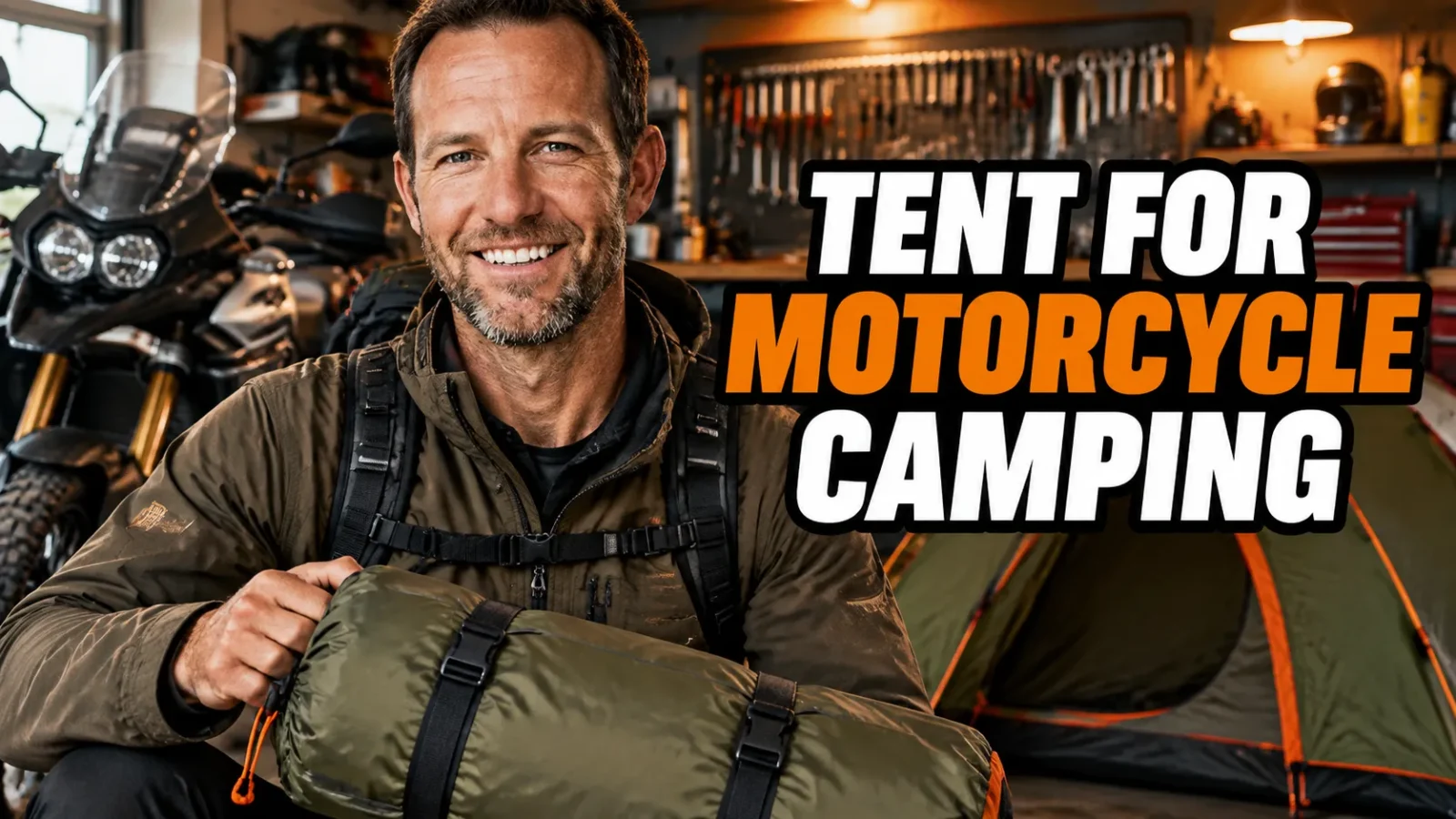
After a decade of strapping tents to tail racks, tank bags, and every questionable bungee setup imaginable, I’ve learned one hard truth: the best tent for motorcycle camping is the one that packs small, survives vibration, and pitches fast when you’re exhausted at a muddy campground at 9 PM.
I’ve ridden thousands of miles with shelters ranging from $80 Amazon specials to $600 ultralight mountaineering tents. Some leaked. Some rattled apart on washboard gravel. A few became permanent residents of my panniers. This list is the result of that trial and error.
Before any big trip, I also go through my maintenance checklist, which includes checking my charging system with the what are the different types of motorcycle batteries ultimate guide so I don’t get stranded far from camp. A dead battery ruins a trip faster than a bad tent.
- My overall pick is the Big Agnes Copper Spur HV UL2 for the best balance of weight, pack size, and livability.
- Budget riders should look hard at the REI Co-op Half Dome SL 2+ — it’s tough, affordable, and roomy enough for two.
- For pure bikepacking minimalism, the MSR Hubba Hubba and NEMO Dragonfly are hard to beat.
- Always check packed length before buying — anything over 20 inches is a pain to lash to a sportbike.
1. Big Agnes Copper Spur HV UL2 — My Overall Pick for Motorcycle Camping
If you forced me to own only one tent for the rest of my riding life, this would be it. The Copper Spur HV UL2 is the tent I recommend to nearly every rider who asks me what to buy.
It weighs around 3 pounds packed, which is absurd for a two-person shelter. The “HV” stands for high volume, meaning the walls are more vertical so you actually get usable headroom instead of a claustrophobic coffin shape.
Why it works on a bike
The packed size is roughly 19 x 6 inches, so it slides into a saddlebag or lashes neatly across a rear seat. The DAC poles are lightweight aluminum and have survived years of vibration on my bikes without a single stress crack.
It’s freestanding, dual-door, dual-vestibule, and sets up in about three minutes once you’ve done it twice. The vestibules are big enough for a helmet, boots, and a tank bag.
The downside is price — you’re looking at $450 to $500 new. But I’ve had mine for five seasons and it still looks nearly new. That’s value, not expense.
2. REI Co-op Half Dome SL 2+ — Best Budget-Friendly Option
Not everyone wants to drop $500 on a tent, and honestly, you don’t have to. The REI Co-op Half Dome SL 2+ is the tent I hand to friends who are just getting into moto camping.
It retails around $230 to $260, weighs about 4.5 pounds packed, and the “2+” designation means it’s slightly roomier than a standard two-person tent. I can sit up comfortably and still have room for my gear beside me.
Real-world durability
I’ve used this tent on rocky Colorado campsites and soggy Pacific Northwest weekends. The bathtub floor has held up fine, and the rainfly has never let me down in a proper downpour.
The tradeoff is weight and pack size. At 4.5 pounds and roughly 20 inches packed, it’s not the sleekest option for a sportbike with limited luggage. On a touring bike with panniers, though, you’ll never notice it.
If you’re wrenching on your bike before a trip, don’t forget the fluids. I always check my oil situation using guides like the best motor oil for 4 stroke motorcycle before heading out. Mechanical trouble at a remote campsite is no fun.
3. MSR Hubba Hubba 2 — The Bikepacking Classic
The MSR Hubba Hubba 2 has been a staple of the bikepacking and backpacking world for years, and for good reason. It’s light, it’s tough, and it packs tiny.
At roughly 3.5 pounds packed, it’s slightly heavier than the Copper Spur but noticeably more affordable at around $350 to $400. The design is symmetrical, so both sleepers get equal space and their own door — a small thing that matters a lot when you’re sharing with a riding buddy.
Setup and weather protection
The Hubba Hubba uses a unified pole structure that’s genuinely fast to pitch, even in wind. I’ve set mine up in a howling Wyoming thunderstorm and stayed bone dry.
The rainfly creates two decent vestibules, and the tent is freestanding so you can pitch it on hard ground without staking. That’s a big deal at motorcycle rallies where you’re often parked on gravel or pavement.
My only gripe is that the interior is a touch short for tall riders. At 6’2″, I brush the walls when I stretch out. If you’re over six feet, size up.
4. NEMO Dragonfly 2P — Best for Stormy Weather
If you ride in wet climates — think the Rockies, the Appalachians, or anywhere in the UK — the NEMO Dragonfly 2P deserves a serious look. It’s the most weatherproof tent on this list in my experience.
NEMO builds it with a sharp, angular profile that sheds wind beautifully. It also has a “landing zone” vestibule that’s genuinely large enough to stage wet gear without dragging mud into your sleeping area.
Packed size and weight
It weighs around 3.5 pounds and packs to roughly 19.5 x 5.5 inches. That’s small enough to fit in most panniers or a large tail bag.
Price sits around $400 to $450. It’s not cheap, but I’ve ridden through multi-day rain in this tent without a single leak. The proprietary OSMO fabric resists stretching when wet, which is a real problem with cheaper polyester flys.
If you’re doing long-distance touring in variable weather, this is a tent I’d trust without hesitation.
5. Kelty Late Start 2 — Best Value Under $200
Here’s a tent for riders who want something simple, cheap, and reliable. The Kelty Late Start 2 usually sells for around $150 to $180, and it does the basics extremely well.
It’s a freestanding two-pole design that goes up in under two minutes. The pre-bent poles create near-vertical walls, so you get more usable interior space than the price suggests.
Where it shines and where it doesn’t
The Late Start 2 weighs about 5.5 pounds packed, which is on the heavier side. It also packs a bit long at around 22 inches. On a bike with panniers, no problem. On a sportbike with a small tail bag, it’s awkward.
The materials are basic — no fancy ultralight fabrics — but I’ve used mine for three seasons of casual moto camping and it’s held up fine. For a rider who camps a handful of times per year, this tent is a smart, low-risk purchase.
Combine it with good bike maintenance and you’re set. I keep my engine happy using the top engine oil for 4 stroke motorcycle guides before every long trip. A well-maintained bike and a dependable tent make for a stress-free adventure.
6. Big Agnes Tiger Wall UL2 — Best Ultralight for Minimalists
If you’re the type of rider who counts every gram, the Big Agnes Tiger Wall UL2 is the tent for you. At roughly 2 pounds 3 ounces packed, it’s one of the lightest two-person shelters on the market.
It uses a semi-freestanding design — you need to stake out the foot end — but once it’s up, it’s remarkably stable. The single-door layout saves weight, and the interior is surprisingly livable thanks to the high-volume architecture.
Who should buy it
This tent is for the rider who values pack size above all else. It compresses to about 18 x 5 inches, meaning it disappears into even a modest tail bag.
Price is around $400 to $450. The tradeoff for the low weight is thinner fabrics, so you need to be a bit gentle with it. I wouldn’t throw this tent around a gravel campsite the way I would the REI Half Dome.
But if you’re covering big miles and counting every ounce, the Tiger Wall UL2 is worth every penny.
7. Marmot Tungsten 2P — Toughest Budget All-Rounder
The Marmot Tungsten 2P is the tent I recommend to riders who want something that can take a beating without costing a fortune. It sits around $220 to $250.
It weighs about 5 pounds packed and uses a freestanding, dual-door, dual-vestibule design. The “zone pre-bend” pole structure creates vertical walls at both the head and foot, which gives it a roomy, almost square interior feel.
Durability I’ve actually tested
Marmot uses a 68D polyester floor and fly on this model — noticeably thicker than the ultralight options above. I’ve pitched mine on sharp desert rock and abrasive granite without a footprint, and the floor is still intact.
It’s not a lightweight tent, and it’s not the smallest packed option. But if you’re hard on your gear, it’s a fantastic choice that won’t make you wince every time you drag it out of the bag.
8. Naturehike Cloud Up 2 — Best Cheap Ultralight Pick
Before you dismiss this one, hear me out. The Naturehike Cloud Up 2 costs around $100 to $140 and weighs in at roughly 3.5 pounds. It’s a genuinely impressive ultralight tent for the money.
It’s a freestanding design based on a classic wedge shape, and it pitches fast. The 20D silicone-coated nylon fly sheds rain well, and I’ve used mine on several multi-day trips without leaks.
The honest caveats
The materials are thinner than premium brands, and the stakes that come with it are genuinely awful — replace them immediately. The interior is also tight for two adults; I’d call it a generous one-person tent for a rider with gear.
That said, for the price, nothing on this list comes close on a dollars-per-gram basis. If you’re testing the waters of moto camping and don’t want to commit $400, start here.
And while you’re prepping, make sure your oil is sorted. I use guides like the best engine oil for 4 stroke motorcycle in india when I’m riding in hot climates, since heat is brutal on engines and tents alike.
9. REI Co-op Passage 2 — Best for Two-Up Touring
If you ride two-up, you need more room than a standard two-person tent provides. The REI Co-op Passage 2 is a solid, affordable choice that gives couples genuine space at around $160 to $190.
It’s a freestanding, dual-door design that weighs about 5 pounds packed. The interior is a comfortable 88 x 52 inches, which is enough for two adults to sleep without feeling like sardines.
Why couples like it
Two doors and two vestibules mean each rider gets their own entry and their own storage space — no climbing over each other at 2 AM. The rainfly is fully seam-taped and the floor is durable enough for real-world use.
The main downside is pack size, which is on the larger end. On a touring bike with full luggage, it’s totally manageable. On a smaller bike, plan your packing carefully.
For two-up travelers on a budget, I think this is the smartest pick on this entire list. It’s straightforward, reliable, and cheap enough that you won’t cry if it gets a tear.
As always, keep your machine in shape with a good routine — I lean on the best engine oil for motorcycle references before any big tour. Your tent gets you through the night; your engine gets you to the next campsite.
Final Thoughts on Picking Your Shelter
My honest recommendation comes down to how you ride. If you tour on a big adventure bike with panniers, the REI Co-op Half Dome SL 2+ or Marmot Tungsten 2P will serve you brilliantly for years.
If you’re on a sportbike or bikepacking rig where every inch of space counts, spend the money on the Big Agnes Copper Spur HV UL2 or Tiger Wall UL2. The pack size advantage is worth the premium.
And if you’re just starting out, grab the Naturehike Cloud Up 2 or Kelty Late Start 2. Learn what you actually need before dropping serious cash.
Whatever you choose, remember that the best tent for motorcycle camping isn’t the most expensive one — it’s the one that’s still in one piece, dry, and packed small when you roll into camp after a long day in the saddle. Ride safe, and I’ll see you out there.
Frequently Asked Questions
What size tent is best for motorcycle camping?
For solo riders, a 2-person tent is usually ideal because you get space for your gear without much weight penalty. If you ride two-up, look at a 3-person model like the Big Agnes Copper Spur HV UL3 so you both have breathing room.
Can I strap a tent to my motorcycle without panniers?
Absolutely. A lightweight tent like the Big Agnes Copper Spur HV UL2 or MSR Hubba Hubba packs down small enough to lash to your rear seat or tank bag with ROK straps. Just keep the weight low and centered.
Is a freestanding tent better for motorcycle camping?
In my experience, yes. Freestanding designs like the NEMO Dragonfly let you pitch on hard-packed campsites, gravel, or even concrete where you can’t drive stakes. They’re far more forgiving when you roll in after dark.
How much should I spend on a motorcycle camping tent?
Budget around $150 to $250 for a solid entry-level option, and $400 plus for a premium ultralight shelter. I think the REI Co-op Half Dome SL 2+ hits the sweet spot for most riders.

Related Articles

7 Best 1-Person Tents for Motorcycle Adventures: Lightweight Shelters Tested for the Road
I've pitched these 7 one-person motorcycle tents across thousands of miles. From Big Agnes to MSR, here's the best 1…
Jake Miller
10 min read

9 Best Budget Tents for Motorcycle Touring That Actually Survive the Road
I've slept in cheap tents across 30,000+ touring miles. Here are 9 genuinely good budget tents for motorcycle touring, with…
Jake Miller
10 min read

7 Best 2-Person Tents for Motorcycle Camping: Packable Shelters I Actually Trust
I've pitched these 7 two-person tents on real moto trips. From Big Agnes to MSR, here's what actually fits in…
Jake Miller
10 min read