
8 Best Motorcycle Navigation Mounts for Secure, Shake-Free Riding
 Jake Miller
12 min read
Jake Miller
12 min read
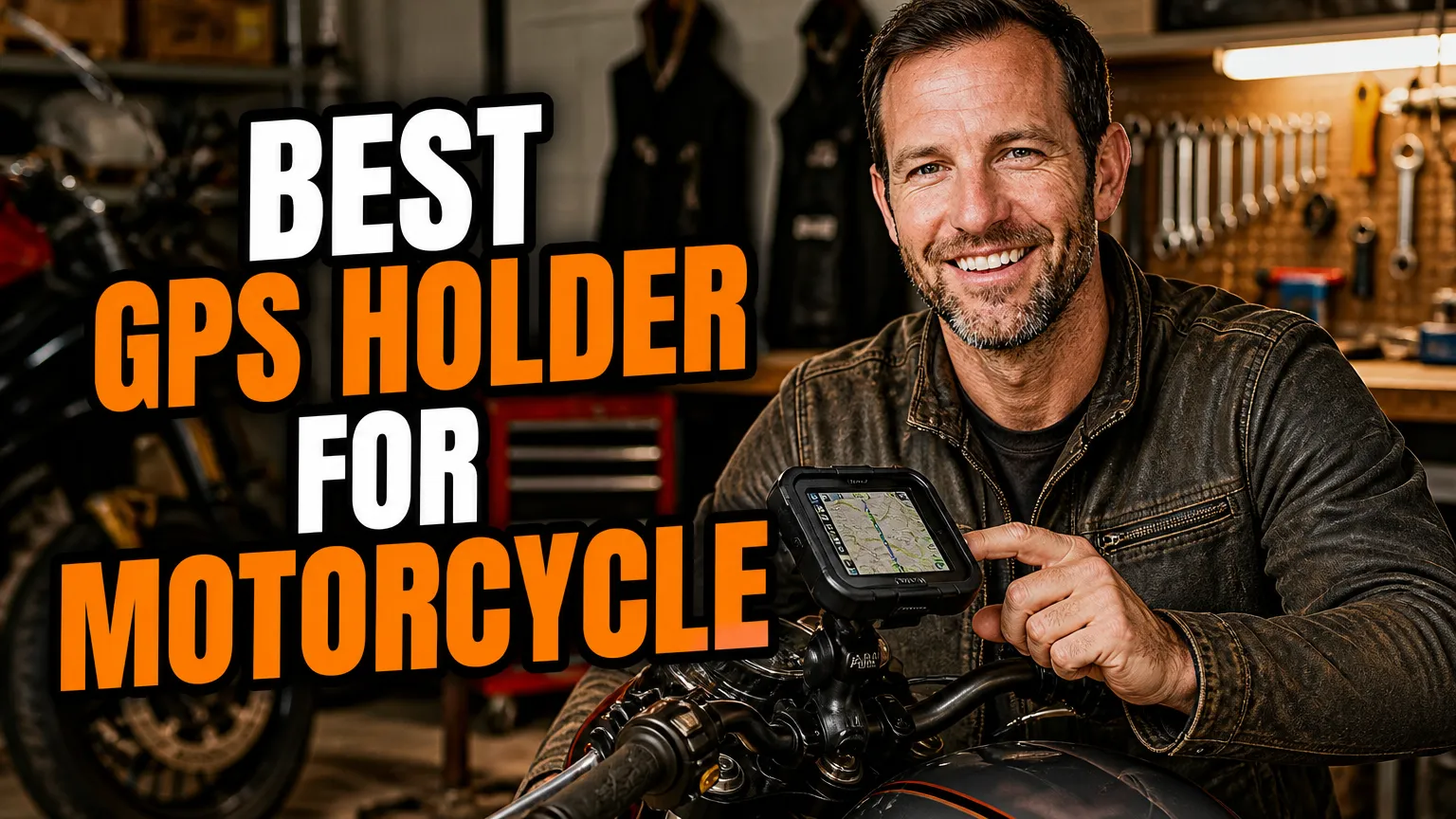
I’ve learned that a good navigation screen is only useful if I can see it clearly and trust it to stay put. The best gps holder for motorcycle riding depends on whether I’m mounting a smartphone or a dedicated Garmin, and on how much vibration, weather, and rough terrain my bike will see.
Below, I’ve picked eight real mounts I’d consider for different setups, from compact phone mounts to purpose-built GPS cradles. I also explain what I check before buying, because handlebar diameter, device compatibility, and camera protection matter as much as the mount’s advertised features.
- I’d choose Quad Lock or SP Connect for a phone-based navigation setup with a compatible case.
- I like a dedicated Garmin powered cradle for clean power and a secure, device-specific fit.
- I’d pick Touratech when locking security matters more than a low price.
- I check fit, vibration control, screen visibility, and power access before ordering any mount.
1. Garmin zūmo XT2 Motorcycle Mount — Best Dedicated Powered Cradle
When I want a purpose-built navigation setup, I like the Garmin zūmo XT2’s motorcycle mount because it’s designed around the XT2 rather than trying to grip a range of unrelated devices. The powered cradle connects to the bike’s electrical system, so I can keep the GPS charged on long rides instead of depending on a battery alone.
The XT2 itself has a large, bright 6-inch display and is built for outdoor use, while the motorcycle mount gives it a defined docking position. I appreciate that the screen is easy to read at a glance and that the mount’s device-specific fit feels more reassuring than a universal clamp on rough roads.
What I’d check before buying
I’d confirm that the mount is the correct one for the zūmo XT2 and that my bike has a suitable place to attach its hardware. Garmin mounts are not automatically interchangeable across generations, so I wouldn’t assume an XT cradle will fit an XT2, or vice versa.
This is my choice when I’ve already committed to the XT2 ecosystem. The mount is often supplied as part of a GPS kit, so I’d check the box contents before buying a separate cradle; replacement and accessory pricing can vary by retailer.
2. Touratech Locking Mount for Garmin zūmo XT2 — Best for Added Security
I’d look at Touratech’s locking mount for the Garmin zūmo XT2 when I want more peace of mind during touring stops. It’s a model-specific accessory, not a universal holder, and its locking design helps discourage someone from simply lifting the GPS out of its mount.
For me, that extra retention is useful on a trip where I’m regularly stopping for fuel, food, or photos. Touratech is known for adventure-bike accessories, and its GPS mounts are aimed at riders who expect their cockpit equipment to cope with sustained use on imperfect roads.
Why I’d choose it
I’d pay more for this style of mount if security and a close fit matter more to me than keeping the setup lightweight or inexpensive. A lock is a deterrent, not a guarantee against theft, so I’d still remove the GPS when leaving the motorcycle unattended for a long time.
Before ordering, I’d verify the exact XT2 compatibility and the mounting arrangement for my motorcycle. If I’m still comparing navigation devices, I’d first read about the best gps for adventure motorcycle touring to decide whether a dedicated unit suits my rides.
3. Garmin zūmo XT Motorcycle Mount — Best Match for the Original XT
If I own the original Garmin zūmo XT, I’d use its matching motorcycle mount rather than trying to adapt an XT2 cradle. The powered mount is made to hold the original XT and supply power from the motorcycle, which makes it a practical option for regular navigation rather than occasional short trips.
I like the simplicity of putting the device into a cradle built for its shape and connections. Compared with a phone holder, I don’t have to add a separate phone case or wonder whether a universal clamp will cover a button or press against the screen.
My compatibility note
I’d double-check the model name on both my GPS and the mount before purchasing. Garmin’s zūmo XT and XT2 are separate devices, and I wouldn’t count on their mounting hardware being interchangeable just because the names are similar.
For a rider choosing a Garmin from scratch, I’d compare navigation features and mounting options together. My research would include this guide to the best garmin gps for motorcycle before I settled on a device and its matching cradle.
4. Quad Lock Motorcycle Handlebar Mount Pro with Vibration Dampener — Best for a Secure Phone Setup
I like the Quad Lock Motorcycle Handlebar Mount Pro when I want to navigate with my phone and prefer a positive twist-lock connection. The mount works with a compatible Quad Lock case or universal adaptor, and the optional vibration dampener sits between the mount and the bike to help reduce vibration reaching the phone.
That dampener is the part I’d pay particular attention to if I’m using a smartphone with optical image stabilization. Motorcycle vibration can be hard on phone cameras, so I see vibration control as useful protection, not just a comfort feature. I’d still check my phone manufacturer’s guidance and avoid assuming any mount eliminates all risk.
What I like about the setup
The mount’s rotating head lets me set the phone in portrait or landscape orientation, and the system keeps the phone close to the bars. I find that convenient for map apps, although I’d make sure the screen doesn’t block my instrument cluster or interfere with steering movement.
The mount and vibration dampener are commonly sold as separate components or in bundles, so I’d check exactly what’s included. I’d choose Quad Lock if I’m happy to use its case or adaptor and want a streamlined phone-based cockpit.
5. SP Connect Moto Mount Pro with Anti Vibration Module — Best Adjustable Phone Mount
SP Connect’s Moto Mount Pro is another phone-navigation mount I’d consider for its compact, handlebar-mounted design. It uses SP Connect’s phone case or a compatible attachment, and its twist-to-lock interface lets me attach and remove the phone without a bulky universal clamp around the screen.
I’d pair it with the SP Connect Anti Vibration Module if my motorcycle produces a lot of vibration or I’m concerned about my phone camera. The module is an additional piece in many configurations, so I’d check whether a particular package includes it instead of assuming the basic mount provides vibration damping.
Where I think it works best
I’d use this setup when I want a tidy, low-profile mount and I’m comfortable investing in the matching case system. I’d test the phone’s viewing angle while seated on the bike, because a mount that looks well positioned in the garage can be harder to read once I’m wearing gloves and riding in bright sun.
Compared with a dedicated GPS cradle, SP Connect gives me the flexibility of using my phone for maps, music, and other ride tools. I’d also plan for charging on longer rides, since screen brightness and navigation can drain a phone faster than I expect.
6. RAM Mounts X-Grip with RAM-B-149Z-UN7U — Best Versatile Universal Holder
For a more adjustable, universal approach, I’d consider the RAM Mounts X-Grip with the RAM-B-149Z-UN7U handlebar mounting kit. The X-Grip uses spring-loaded arms to hold a compatible phone, while the RAM ball-and-socket system gives me room to adjust the screen angle and position.
I like the flexibility when I switch between devices or want to position the phone away from a crowded cockpit. Because the X-Grip contacts the phone at its corners, I’d make sure the arms don’t press buttons and would use the included safety tether on bumpy roads.
Trade-offs I’d keep in mind
This isn’t a sealed, weatherproof cradle, and it doesn’t lock the phone into a proprietary case interface. I’d check the phone’s dimensions against the holder’s stated range, particularly if I use a thick case, and I’d take extra care to secure the tether before setting off.
I’d pick the RAM X-Grip if adjustability and broad device compatibility are my priorities. If I’m using a phone with a sensitive camera, I’d separately consider how I’m managing vibration rather than assuming the ball mount itself protects the device.
7. Peak Design Motorcycle Bar Mount — Best Premium Low-Profile Phone Mount
I’d choose the Peak Design Motorcycle Bar Mount if I wanted a polished, low-profile phone setup built around Peak Design’s Mobile ecosystem. It’s designed for use with a compatible Peak Design phone case, and the SlimLink connection uses a mechanical attachment rather than relying only on magnets to hold the phone in place.
The motorcycle mount includes vibration management as part of its design, which is a useful feature for phone navigation. I also like that a compatible case can work across other Peak Design Mobile accessories, giving me a reason to consider the system beyond the motorcycle itself.
My setup advice
I’d check that the mount fits my handlebar diameter and that I’m buying the correct version for my cockpit. Then I’d sit on the bike and confirm the screen remains visible without limiting access to the controls or obscuring the dashboard.
This is a premium choice, and I’d compare its total cost with the case and any other accessories I need. I’d select it for its compact design and ecosystem, rather than expecting it to work with every phone straight out of the box.
8. Hondo Garage Perfect Squeeze — Best Heavy-Duty Adjustable Phone Clamp
The Hondo Garage Perfect Squeeze is a robust, adjustable phone holder I’d consider for a motorcycle that sees plenty of rough pavement or adventure riding. Its spring-loaded clamping mechanism is designed to grip a range of phone sizes, and the adjustable arms let me set the contact points around my particular device.
I like that it can accommodate phones with different dimensions without requiring the same proprietary case-and-twist system as some competitors. The mount is typically paired with a compatible ball or bike attachment, so I’d make sure I’m buying the complete setup I need rather than just the phone clamp.
When I’d spend more
I’d choose the Perfect Squeeze if I value a substantial, adjustable clamp and want to use my existing phone case. I’d still confirm that my case fits the holder, check that the clamp doesn’t press the side buttons, and use any recommended retention accessory for rough routes.
It costs more than many basic phone mounts, so I’d compare it with Quad Lock, SP Connect, and RAM before deciding. My pick would depend on whether I prefer a tight adjustable grip, a quick proprietary attachment, or a more flexible ball-and-socket arrangement.
How I Choose a Motorcycle Navigation Mount
I start with the device
Before I shop, I decide whether I’m mounting a smartphone or a dedicated GPS. A phone holder gives me access to familiar navigation apps, while a device-specific Garmin cradle can offer a more direct fit and a hardwired power connection.
I also check the exact model and case dimensions. A holder that fits one generation of GPS or phone may not fit the next, and even a small change in case thickness can affect how securely a clamp closes.
I think about vibration, weather, and power
Vibration matters most to me when a smartphone camera is involved, so I consider a dedicated dampener and follow the phone maker’s advice. I also check whether a mount’s materials and construction suit regular rain and outdoor use, rather than assuming that a weather-resistant GPS makes every part of the setup waterproof.
For longer trips, I plan how I’ll keep the screen powered. A powered GPS cradle can simplify that job, while phone users may need a USB outlet or another charging arrangement that stays secure and protected from the elements.
I check fit on the bike before riding
I make sure the mount fits the bar or cockpit location, then turn the handlebars fully from side to side to check for interference. I also confirm that I can read the display without looking too far away from the road and that the mount doesn’t cover important gauges or switches.
After installation, I give the device a careful tug and take a short test ride before relying on it for a long trip. For riders planning a longer expedition, I’d also compare navigation options in this overview of the best gps for round the world on motorcycle.
My Final Picks
If I’m using a compatible smartphone, I’d start by comparing the Quad Lock Handlebar Mount Pro with Vibration Dampener and the SP Connect Moto Mount Pro with Anti Vibration Module. Both give me a secure, case-based attachment, but the best choice for me comes down to which phone ecosystem I prefer and how I want to manage vibration.
If I use a Garmin, I’d stick with the matching powered mount for my exact zūmo model, or choose Touratech when added locking security is important. I’d treat fit and retention as essential, not optional: a well-chosen holder keeps navigation easy to see and helps me focus on the ride.
For a BMW R1200GSA-specific setup, I’d also review this guide to the best motorcycle gps for bmw r1200gsa, since cockpit layout can affect what fits comfortably. And if I’m considering TomTom as an alternative to Garmin, I’d compare the tomtom rider 550 best gps for adventure motorcycle riding before choosing my navigation system.
Frequently Asked Questions
Can I use a phone mount as a motorcycle GPS holder?
Yes. I use a phone mount with a compatible case or grip, but I look for secure retention and vibration protection before relying on it for navigation.
Do I need vibration damping on a motorcycle GPS mount?
I consider it especially worthwhile for smartphone cameras, which can be damaged by prolonged engine vibration. A dedicated GPS may have different vibration tolerances, so I check its manufacturer guidance.
Is a locking GPS mount worth the extra cost?
For touring stops or leaving my bike briefly, I value a locking mount because it can deter casual removal. I still take expensive electronics with me whenever practical.
How do I choose the right motorcycle navigation mount?
I match the holder to my device, handlebar or cockpit, and riding conditions. I also check clearance, power access, vibration control, and whether the mount needs a tether or lock.

Related Articles

6 Best Motorcycle Phone Mounts That Keep Your Phone Charged on the Road
Compare six dependable motorcycle phone mounts with wireless or USB charging, including fit, power wiring, vibration protection, weather resistance, and…
Jake Miller
10 min read

5 Best Motorcycle Phone Mounts for Naked Bikes and Open-Cockpit Riding
I compare secure, vibration-conscious phone mounts for naked and touring bikes, with fit notes, real trade-offs, and setup tips for…
Jake Miller
11 min read

7 Best Phone Mounts for Sport Bikes: Secure, Vibration-Smart Picks
Compare secure phone mounts for sport bikes, including clip-on fit, vibration control, case systems, prices, and my practical picks for…
Jake Miller
12 min read