
Motorcycle Clutch Slipping: How I Diagnosed Mine, What It Cost, and How to Fix Yours
 Jake Miller
10 min read
Jake Miller
10 min read
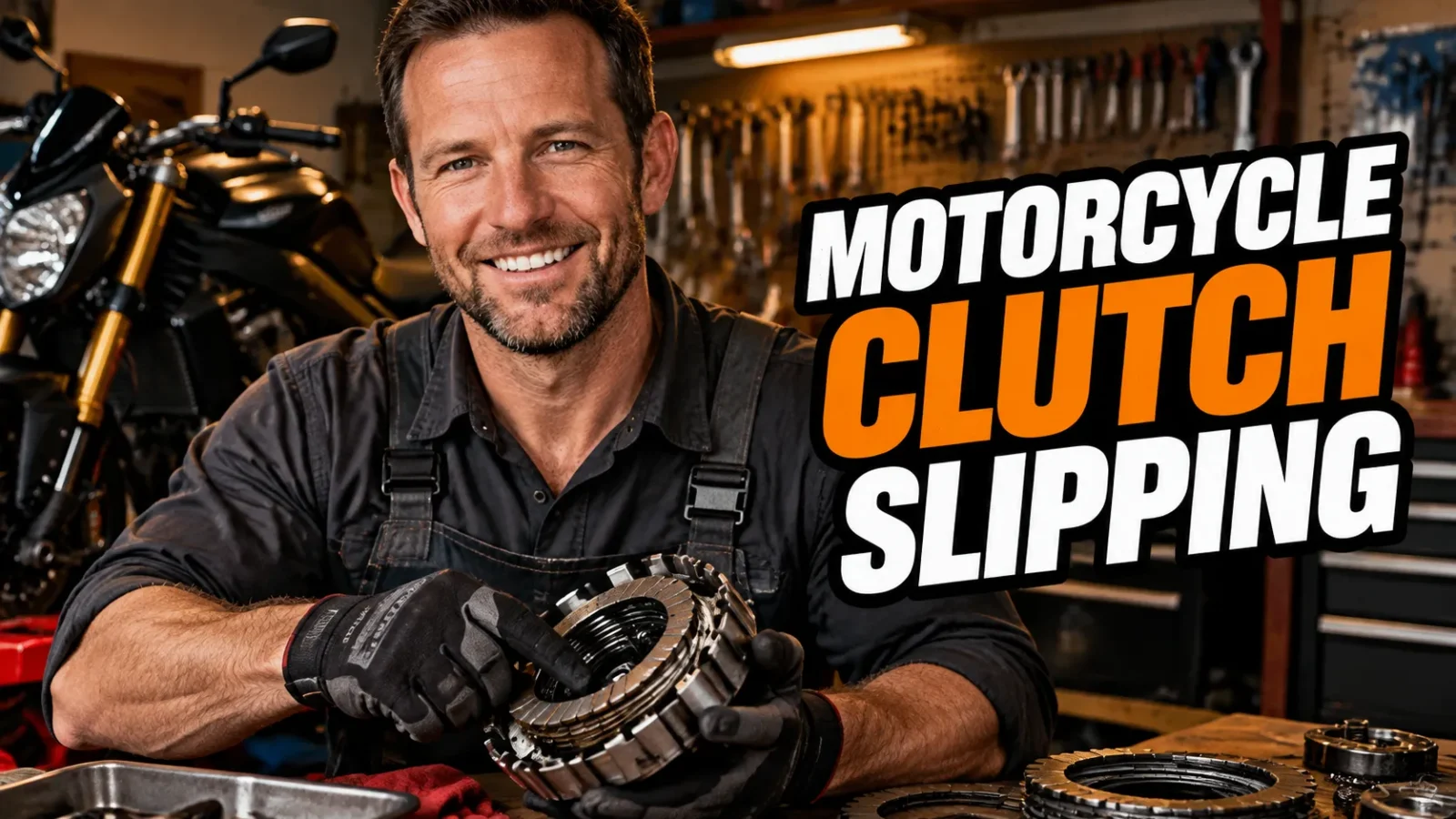
I still remember the exact stretch of highway where I first felt it. I was on my Street Glide, rolling on the throttle to pass a slow camper, and the tach jumped to 4,500 RPM while the speedometer just sat there like it was on strike. The engine was screaming. The bike was not accelerating. That is the moment I learned what motorcycle clutch slipping actually feels like, and it is nothing like the vague description you read in service manuals.
Since then I have dealt with slipping clutches on three different bikes, helped a handful of friends diagnose theirs on my garage floor, and made a couple of expensive mistakes along the way. This is everything I wish somebody had told me the first time it happened.
- RPM rising faster than road speed is the number one symptom, especially in a tall gear under load.
- Check clutch lever free play and fluid level before you buy a single part. It is free and it fixes a surprising number of cases.
- Car oil with friction modifiers can make a wet clutch slip. Use a JASO MA or MA2 rated oil.
- Glazed or worn friction plates are the next most likely culprit, and heat is what kills them.
- Slipping is self accelerating. What starts as a cheap adjustment can become a full clutch job fast.
What a Slipping Clutch Actually Feels Like
The textbook definition is that the clutch cannot fully transmit engine torque to the transmission. That is accurate but useless when you are trying to figure out whether your bike has a problem.
Here is what it feels like in the real world. You twist the throttle, the engine note rises sharply, and the bike accelerates lazily, almost like it is towing something invisible. The mismatch between sound and motion is the giveaway.
I have also noticed it shows up worst in the tallest gear. On my bike, fourth and fifth gear at wide open throttle exposed the slip long before first or second ever did, because that is when the clutch has the most torque to hold.
The Symptoms I Check For First
Over the years I have built a mental checklist. If two or more of these show up on a test ride, I stop riding and start diagnosing.
- RPM climbs without matching speed gain, particularly under hard acceleration.
- Weak acceleration that feels like the bike lost 20 horsepower overnight.
- Struggling on hills or with a passenger, when it used to pull fine.
- Engagement happening way out at the end of lever travel, or the opposite, engaging almost instantly.
- A sharp, acrid burning smell after a hard pull. That is friction material cooking.
- Shuddering or jerky engagement when you let the lever out from a stop.
One thing that trips people up: a dragging clutch and a slipping clutch are different problems with different causes. If your bike creeps forward at a stop with the lever pulled in, that is drag, not slip. I have watched guys replace perfectly good plates chasing the wrong symptom.
The Real Causes, Ranked by How Often I See Them
After enough garage sessions, you start noticing a pattern. The dramatic failures get all the attention online, but the boring stuff causes most of the problems.
1. Improper Adjustment (The Free Fix)
This is the one I check before anything else, and it is the one people skip. If there is no free play at the lever, the clutch can never fully engage, which means it is slipping constantly, just slightly, all the time.
On a cable clutch, you want a small amount of slack before you feel resistance. On a hydraulic setup, you want a clean lever with no sponginess. Getting this wrong by a few millimeters is enough to cause real slip under load.
If you ride a Harley, the procedure is specific enough that it is worth doing properly rather than guessing. I followed this guide on clutch adjustment on harley davidson the second time around and it took me twenty minutes, most of which was removing the derby cover.
2. Worn or Glazed Friction Plates
Plates wear out. That is normal and expected somewhere north of 30,000 miles depending on how you ride. What matters is the difference between worn and glazed.
Worn plates are thin. Glazed plates still have material left but the surface has been cooked into a hard, shiny film that cannot grip. I have pulled plates that measured perfectly in spec and still slipped like crazy because they were glazed.
Glazing almost always comes from heat. Which brings me to the next point.
3. The Wrong Oil
This one bit me personally, and it was embarrassing. I topped off with a jug of car oil I had in the garage, and within 200 miles my clutch was slipping. Modern car oils often contain friction modifiers designed to reduce drag, and those additives do exactly the wrong thing inside a wet clutch.
Look for “energy conserving” on the API label. If you see it, do not put it in a bike with a wet clutch. Use a JASO MA or MA2 rated motorcycle oil instead.
4. Contaminated Plates From a Leaking Seal
If your bike is losing transmission or primary fluid and you cannot find an external leak, the seal between the transmission and the clutch area may be weeping. Oil on friction plates ruins them, and no amount of cleaning brings them back reliably.
This is also one of those places where a clutch symptom and a transmission symptom get tangled up together, which is why I always look at the whole drivetrain rather than just the clutch pack.
5. Weak Clutch Springs
Springs lose tension over time, and heat accelerates that. If your plates measure in spec but the clutch still slips, weak springs are a strong candidate. They are cheap, and replacing them while you are already in there is almost a no brainer.
How I Diagnose a Slipping Clutch in My Own Garage
I do not start pulling covers until I have narrowed things down. Here is the order I work in, and it has saved me a lot of wasted time.
Step one: the tall gear test. Find a safe stretch of road, get into a tall gear at low RPM, and roll on the throttle hard. If the revs flare without a corresponding surge of acceleration, you have confirmed slip.
Step two: check free play at the lever. Cold and hot, because heat changes cable tension. If there is none, adjust it and retest before doing anything else.
Step three: check fluid level and condition on a hydraulic system. Dark, gritty fluid or a low reservoir points toward a hydraulic issue rather than a mechanical one.
Step four: smell and inspect the oil. Burnt smelling oil is a strong clue. So is a magnetic drain plug covered in friction material sludge.
Step five: pull the cover and measure. Only now do I break out the calipers and compare plate thickness against the service limit. I also look at the surface. Shiny and glassy means glazed. Dark and crumbling means worn out.
Why Wet Clutches Behave Differently
Most modern street bikes run a wet clutch, which means the whole assembly lives in an oil bath. That design is brilliant for longevity and heat management, but it also means the oil you choose is a functional part of your clutch, not just lubrication.
If you want the full picture of how that system works and why oil chemistry matters so much, this explanation of how does a wet clutch work is the clearest one I have found. Understanding it changed how I think about oil changes entirely.
The short version: friction plates and steel plates alternate in a stack, bathed in oil, squeezed together by spring pressure. The oil has to lubricate without being too slippery. That balance is delicate, and it is exactly why the wrong additive package destroys grip.
When It Is Not the Clutch At All
I wasted an afternoon once chasing a clutch problem that turned out to be a transmission issue. The symptoms overlapped almost perfectly, and I only figured it out after the clutch checked out clean.
If you have adjusted free play, replaced plates, and the bike still feels wrong, it is time to look further back in the drivetrain. Known harley davidson transmission problems can produce slipping sensations, weird noises, and shifting complaints that riders misdiagnose as clutch failure for months.
Things that point away from the clutch: whining or grinding that changes with road speed rather than engine speed, difficulty finding neutral that gets worse when hot, and a slipping feeling that only appears in specific gears.
Fixing It: What I Actually Do
My process is boring and it saves money. Adjust first. Ride it. If it is fixed, great. If not, change the oil and filter with a JASO MA rated product and ride it again.
Only after those two steps do I open the clutch. At that point, if I am already in there, I replace the friction plates, check the steels for warping, and put in fresh springs. Doing the labor twice costs more than the parts.
One thing I have learned the hard way: do not try to save glazed plates by scuffing them up. It works for a few hundred miles and then you are back inside the cover, except now you are also out the price of a gasket and an afternoon.
Preventing the Next One
Prevention is mostly about heat and oil discipline. Use the right oil every single time, even for a top off. Do not slip the clutch excessively in traffic or on hill starts. Keep your free play in spec.
I also stopped abusing the clutch during hard launches. It is fun for about ten seconds and it costs hundreds of dollars in plates and springs. I would rather spend that money on tires.
And check your adjustment every few thousand miles, or any time the lever feel changes. It takes five minutes and it is the single highest return maintenance task on the whole bike.
My Honest Take
Motorcycle clutch slipping feels catastrophic when it happens, but the vast majority of cases I have dealt with came down to adjustment or oil. Neither costs much to fix, and both are things you can handle in your own garage with basic tools.
The riders who get into trouble are the ones who ignore it. A slipping clutch generates heat, heat glazes plates, and glazed plates slip harder. That loop tightens fast, and a free adjustment becomes a full clutch job in a matter of weeks.
So if your revs are climbing faster than your speedometer, do not wait for it to get worse. Park it, check the free play, check the oil, and work through the list. In my experience, you will find your answer long before you need to order a single part.
Frequently Asked Questions
How do I know if my motorcycle clutch is slipping?
The classic sign is engine RPM climbing without matching speed gain, especially under hard acceleration in a tall gear. If you roll on the throttle and the tach rises faster than the speedometer, your clutch is slipping.
Can the wrong oil cause clutch slipping?
Absolutely. Car oils with friction modifiers, usually labeled “energy conserving,” can make a wet clutch slip. Stick with a JASO MA or MA2 rated motorcycle oil and the problem often disappears.
Is a slipping clutch always a worn out clutch?
No. In my experience, improper lever free play, a stretched cable, or air in a hydraulic line causes just as many slipping complaints as worn plates do. Check adjustment first, because it is free.
How long can I keep riding with a slipping clutch?
Not long. Slipping creates heat, heat glazes the plates, and glazed plates slip even more. It is a self accelerating failure, so fix it before a cheap adjustment turns into a full clutch job.

Related Articles

Motorcycle Chain Keeps Getting Loose? Why It Happens and How I Finally Fixed It
Motorcycle chain keeps getting loose no matter how often you adjust it? I break down the causes, from worn sprockets…
Jake Miller
10 min read

Loose Motorcycle Chain Symptoms: 9 Warning Signs I Learned the Hard Way
Loose motorcycle chain? I walk through the symptoms I've felt and heard, how to measure slack in 5 minutes, and…
Jake Miller
11 min read

Motorcycle Clutch Problems Symptoms: 9 Warning Signs I Wish I’d Caught Sooner
Slipping, dragging, or a mushy lever? I break down the real motorcycle clutch problems symptoms I've found on my own…
Jake Miller
10 min read