
7 Telltale Signs Your Motorcycle Battery Is Dying (And What To Do About It)
 Jake Miller
12 min read
Jake Miller
12 min read
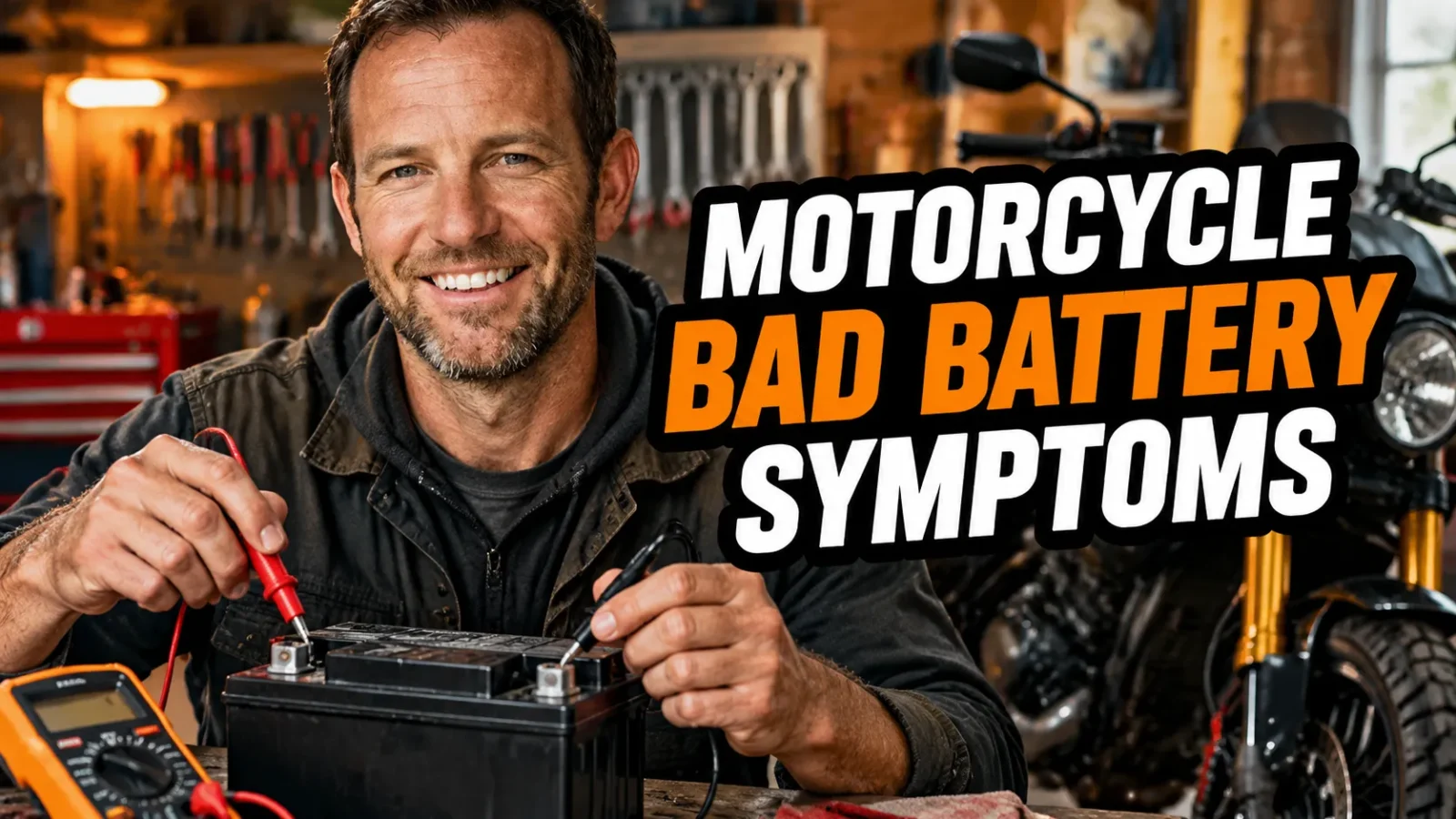
I’ve been riding motorcycles for over fifteen years, and I can tell you from experience that a dying battery always announces itself before it completely fails. The problem is, most riders miss the early warning signs until they’re standing in a parking lot with a bike that won’t start.
Understanding motorcycle bad battery symptoms has saved me from being stranded more times than I can count. Today, I’m sharing everything I’ve learned about recognizing when your battery is on its last legs, so you can replace it on your schedule, not your battery’s.
- Slow cranking and clicking sounds are the most obvious signs your battery is failing
- Dim lights and flickering gauges indicate insufficient voltage from a weak battery
- Difficulty starting after sitting overnight suggests your battery won’t hold a charge
- Most batteries last 2-5 years; testing voltage regularly helps catch problems early
- Replacing a battery before complete failure prevents being stranded and protects your bike’s electronics
The Dreaded Slow Crank: Your First Warning Sign
In my experience, the slow crank is where most battery problems become obvious. When you hit the starter button and hear that labored, sluggish “rrrr-rrrr-rrrr” sound instead of the normal quick turnover, your battery is telling you it’s struggling.
I first noticed this symptom on my old Suzuki V-Strom. The engine would eventually start, but it took longer each time. This is your battery’s way of saying it can’t deliver enough amperage to spin the starter motor at proper speed.
Don’t ignore this warning. I’ve seen riders convince themselves it’s just cold weather or a “quirk” of their bike. It’s not. A healthy battery cranks consistently, regardless of minor temperature changes.
What’s Actually Happening Inside Your Battery
When a battery ages, the lead plates inside deteriorate and sulfation builds up. This reduces the battery’s capacity to hold and deliver charge. The starter motor is the most power-hungry component on your motorcycle, so it’s the first thing to suffer.
I’ve tested dozens of batteries showing this symptom, and voltage readings typically show 11.5-12.2 volts instead of the healthy 12.6-12.8 volts. That small difference makes a huge impact on cranking power.
The Click Of Death: When Your Battery Can’t Deliver
If slow cranking is a warning, the clicking sound is a red alert. I remember hearing this for the first time on my Yamaha FZ-07 and initially thought my starter relay had failed. Nope—it was the battery.
Click. Click. Click. That’s the sound of your starter solenoid engaging but not having enough power to actually turn the motor. The battery has just enough juice to close the relay, but nothing left to crank the engine.
Why This Happens
The clicking occurs because your battery voltage drops dramatically under load. When you press the starter button, the initial voltage might be acceptable, but the moment the starter tries to draw current, the voltage collapses.
I’ve measured batteries that show 12.4 volts at rest but drop to 8 volts or lower under load. That’s a failing battery, and no amount of charging will fix it permanently. It’s time for replacement.
Dim Lights Tell A Dim Story
My headlight becomes my battery health indicator, especially during night rides. When I notice my headlight isn’t as bright as usual, or it dims when I rev the engine instead of brightening, I know something’s wrong with my electrical system.
A healthy charging system should make your lights brighter as RPMs increase. If your lights stay dim or actually get dimmer, your battery isn’t holding charge properly and your charging system is struggling to compensate.
The Dashboard Warning Light Show
Along with dim headlights, I’ve experienced flickering dashboard lights, gauges that reset randomly, and warning lights that illuminate without reason. These electrical gremlins almost always trace back to insufficient voltage from a dying battery.
Modern motorcycles have sensitive electronics that require stable voltage. When battery voltage fluctuates, these systems go haywire. I’ve seen this cause false error codes and even trigger limp mode on fuel-injected bikes.
Unlike symptoms of overheating motorcycle issues which usually present consistently, electrical problems from a bad battery can be intermittent, making them harder to diagnose initially.
Starting Issues After Your Bike Sits Overnight
This symptom drove me crazy before I understood what was happening. My bike would run perfectly all day, but the next morning it would barely turn over or not start at all.
A healthy battery maintains its charge when the bike is off. A failing battery self-discharges rapidly. If you can ride all day without issues but struggle to start the next morning, your battery has lost its ability to hold a charge.
The Parasitic Drain Factor
Modern motorcycles have small parasitic draws from the ECU, clock, and alarm systems. These tiny draws are normal and shouldn’t drain a healthy battery overnight. But when your battery is weak, even these small draws can deplete it.
I’ve tested this by disconnecting the battery overnight. If the bike starts fine in the morning with a freshly reconnected battery but struggles after staying connected, the battery itself is the problem, not the parasitic draw.
Electrical Accessories Acting Strange
My heated grips stopped working properly before I realized my battery was dying. They’d work at idle but cut out when I used the turn signals. This kind of weird behavior points straight to voltage problems.
I’ve also experienced GPS units that reset randomly, USB charging ports that don’t provide full power, and Bluetooth communicators that disconnect constantly. All these symptoms disappeared after I replaced the battery.
Prioritizing Power Under Load
When voltage drops, your motorcycle’s electrical system prioritizes essential functions. Accessories and convenience features suffer first. If your phone charges slowly from your bike’s USB port or your auxiliary lights dim when you brake, check your battery voltage.
These symptoms can sometimes overlap with what are the symptoms of a bad engine control module, but battery issues are far more common and easier to diagnose with a simple voltage test.
Physical Signs Your Battery Is Failing
Not all battery symptoms are electrical. I always perform a visual inspection because physical deterioration tells its own story. A swollen or bloated battery case means internal damage from overcharging or excessive heat.
I’ve seen batteries so swollen they wouldn’t fit back into the battery tray. This happens when internal gasses build up from overcharging or cell failure. If your battery case looks puffy or distorted, replace it immediately—it could leak or even rupture.
Corrosion And Crusty Terminals
White, blue, or green crusty buildup around your battery terminals indicates active corrosion. While some corrosion is normal over time, excessive buildup can indicate that your battery is venting gases through damaged seals.
I clean my terminals regularly with a wire brush and baking soda solution, but if corrosion keeps returning quickly, it usually means the battery is failing internally. The acid is escaping somewhere it shouldn’t.
The Smell Test
A healthy battery shouldn’t smell like anything. If you notice a rotten egg smell (sulfur) or any strong chemical odor near your battery, that’s a bad sign. It means the battery is overheating, overcharging, or has internal damage.
I caught this once before it became a bigger problem. The smell was subtle but noticeable when I opened the seat. Testing showed the voltage regulator was overcharging, which was cooking the battery. Both needed replacement.
Age And Mileage Matter More Than You Think
Even if my battery shows no obvious symptoms, I start watching it closely after three years. Most motorcycle batteries last between two and five years, depending on usage and maintenance.
I keep records of when I installed each battery. When it approaches the three-year mark, I test it more frequently and keep a replacement ready. Proactive replacement is cheaper and less stressful than roadside emergencies.
How Riding Habits Affect Battery Life
My daily commuter bike’s battery lasts longer than my weekend canyon carver’s battery. Short trips and frequent starts are harder on batteries than long highway rides. If you mostly do short trips, expect your battery to wear out on the shorter end of its lifespan.
Cold weather also accelerates battery death. My bikes stored in unheated garages need batteries more often than those kept in climate-controlled spaces. Temperature extremes are brutal on battery chemistry.
Testing Your Battery The Right Way
I don’t guess about battery health—I test it. Every rider should own a basic multimeter. Testing takes two minutes and gives you definitive answers instead of guessing based on symptoms.
Here’s my testing routine: First, I check voltage with the bike off. A healthy battery reads 12.6-12.8 volts. Below 12.4 volts indicates it needs charging. Below 12.0 volts means it’s significantly discharged.
The Load Test Is Critical
Resting voltage only tells half the story. I perform a load test by checking voltage while cranking the engine. A healthy battery shouldn’t drop below 10.5 volts under load. If it drops to 9 volts or lower, the battery is failing.
Most auto parts stores will load test your battery for free if you bring it in. I’ve done this when I wanted a second opinion before spending money on a replacement. It’s worth the effort.
Charging System Check
Before blaming the battery, I always verify the charging system is working. With the engine running at 2000-3000 RPM, voltage should read 13.5-14.5 volts. Lower than 13 volts means your charging system isn’t keeping up, which will kill even a new battery.
Higher than 15 volts indicates overcharging, which will cook your battery and damage your bike’s electronics. I’ve replaced voltage regulators to solve this problem several times.
When To Replace Versus When To Charge
I get asked this constantly: “Can I just charge my battery instead of replacing it?” Sometimes yes, often no. If your battery is less than two years old, discharged from sitting, and shows no physical damage, charging might revive it.
But if your battery is over three years old, struggles to hold a charge, or shows any physical deterioration, replacement is the only real solution. I’ve wasted time and money trying to nurse dying batteries back to health when I should have just replaced them.
Choosing The Right Replacement
When I replace a battery, I research carefully. Not all batteries are equal, and choosing the right type matters. AGM batteries cost more but last longer and handle vibration better than conventional flooded batteries.
I’ve written extensively about this in my guide on best battery brand for motorcycle options. The brand matters less than matching specifications and choosing quality construction.
For riders wondering what is the best battery for a motorcycle, the answer depends on your bike and riding style. Sport bikes need different batteries than touring bikes.
Speaking of touring, I’ve tested numerous options for long-distance bikes. My recommendations for the best 6 battery for touring motorcycle applications focus on capacity and reliability over thousands of miles.
Prevention: Making Your Battery Last Longer
I’ve learned that proper maintenance extends battery life significantly. I use a battery tender whenever my bike sits for more than a week. This keeps the battery at optimal charge without overcharging.
Regular riding is the best maintenance. Batteries that sit unused sulfate faster and lose capacity. If I can’t ride for weeks, I disconnect the battery or keep it on a tender to prevent discharge.
Terminal Maintenance Matters
I clean my battery terminals twice a year and apply dielectric grease to prevent corrosion. This simple five-minute task has prevented countless electrical problems. Clean connections mean better charging and more reliable starting.
Tight connections are equally important. I check terminal tightness regularly because vibration can loosen them. A loose connection creates resistance, which leads to poor charging and starting problems that mimic a bad battery.
The Real Cost Of Ignoring Battery Symptoms
Ignoring battery symptoms costs more than just the price of a new battery. I’ve seen weak batteries damage starters from excessive cranking. I’ve watched riders burn out starter solenoids by repeatedly trying to start with insufficient power.
A failing battery can also damage your bike’s voltage regulator and ECU. The voltage fluctuations stress these components, potentially causing expensive failures. A $100 battery replacement is cheap compared to a $800 ECU.
The Inconvenience Factor
Beyond the financial cost, there’s the frustration and danger of being stranded. I’ve been stuck in parking lots, at gas stations, and once on a mountain road because I ignored battery symptoms. It’s embarrassing, inconvenient, and sometimes dangerous.
Now I replace batteries at the first consistent sign of trouble. The peace of mind is worth far more than the cost of being proactive. I’d rather schedule a replacement on my terms than deal with an emergency situation.
Final Thoughts From The Saddle
After years of dealing with battery issues on my own bikes and helping fellow riders diagnose theirs, I’ve learned that batteries rarely fail without warning. The key is recognizing the symptoms early and acting on them.
Don’t wait until you’re completely stranded. If you’re experiencing any of these symptoms—slow cranking, clicking, dim lights, starting issues after sitting, or strange electrical behavior—test your battery and charging system. A $10 multimeter can save you hundreds in towing fees and repairs.
I keep a spare battery for my primary bike and test all my batteries at the start of every riding season. This simple habit has eliminated surprise failures and kept me riding instead of wrenching. Trust me, your future self will thank you for being proactive about battery maintenance.
Frequently Asked Questions
How do I know if my motorcycle battery is bad?
Common signs include slow or weak engine cranking, dim headlights, clicking sounds when starting, electrical accessories malfunctioning, and difficulty starting after the bike sits overnight.
Can a bad motorcycle battery damage other components?
Yes, a failing battery can cause voltage fluctuations that may damage sensitive electronics like the ECU, fuel injection system, and charging system components over time.
How long should a motorcycle battery last?
Most motorcycle batteries last between 2-5 years depending on usage, maintenance, climate, and battery type. AGM batteries typically outlast conventional lead-acid batteries.
Should I replace my motorcycle battery or try to charge it first?
If your battery is less than 3 years old and shows no physical damage, try charging it first with a smart charger. If it won’t hold a charge or is older, replacement is usually the better option.

Related Articles

Scooters vs Motorcycles: My Honest, First-Hand Comparison After Riding Both for Years
After thousands of miles on both scooters and motorcycles, I break down cost, comfort, maintenance, and safety to help you…
Jake Miller
10 min read

7 Scooters That Look Like Motorcycles for Riders Who Want Style and Storage
Explore my top 7 scooters that look like motorcycles, from adventure crossovers like the Honda X-ADV to sporty maxis like…
Jake Miller
9 min read

How Long Do Honda Motorcycles Last? My 20-Year Owner’s Reality Check
Discover how long Honda motorcycles really last from an owner with 100k+ miles of experience. Learn maintenance secrets, high-mileage examples,…
Jake Miller
10 min read