
10 Best Motorcycle Accessories to Make Every Ride Safer, Smarter, and More Comfortable
 Jake Miller
12 min read
Jake Miller
12 min read
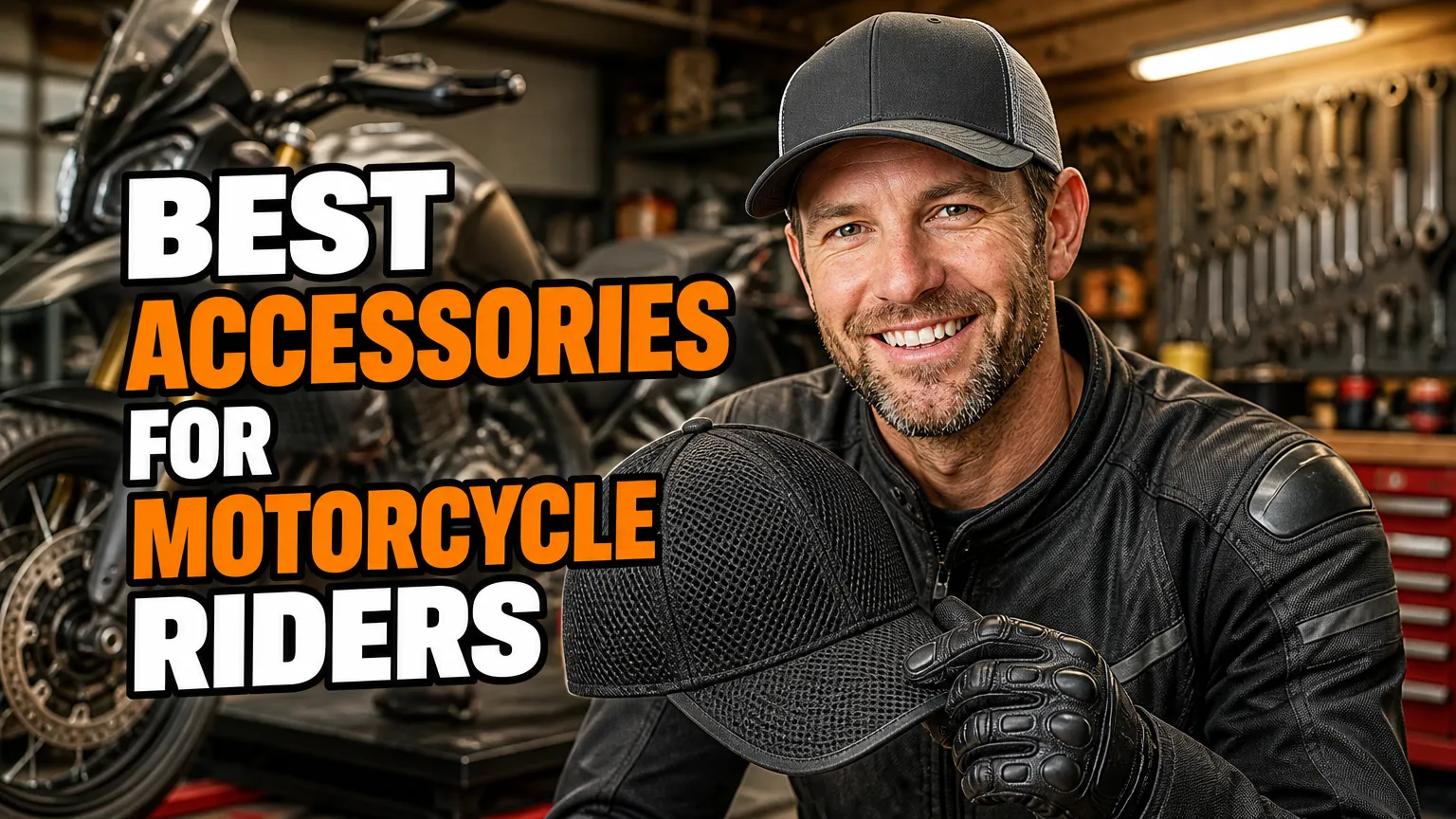
I’ve found that a few well-chosen accessories can make a motorcycle ride safer, more comfortable, and easier to manage. The best accessories for motorcycle riders aren’t necessarily the most expensive ones; they’re the pieces I’ll actually use, that suit my bike, and that work for the kind of riding I do.
- I prioritize protective upgrades, including an airbag system and earplugs.
- I choose communication, navigation, and phone mounts that are practical on my bike.
- I use luggage, tire monitoring, and security gear to make longer rides easier to manage.
- I match comfort accessories to my climate, clothing, and typical riding distance.
These are ten specific products I’d consider, from everyday essentials to useful upgrades for touring. I always check fitment, current product guidance, and local rules before buying, especially for electronics and protective equipment.
1. Alpinestars Tech-Air 5 — Best Wearable Airbag System
When I want an added layer of impact protection, I look at the Alpinestars Tech-Air 5. It’s a self-contained electronic airbag system designed to be worn under a compatible motorcycle jacket, with sensors and an algorithm that monitor riding dynamics and trigger deployment when the system detects a crash scenario.
I like that the Tech-Air 5 is intended to work independently rather than requiring a tether to the bike. Its built-in protection includes the airbag coverage described by Alpinestars for the chest and back, and the system’s status can be checked through its companion app. I still treat fit and compatibility as essential: I follow the manufacturer’s jacket requirements and make sure there’s enough room for the airbag to inflate.
What I check before riding
I charge the system, check its status, and read the care and inspection instructions before relying on it. An airbag isn’t a substitute for a properly fitting helmet, jacket, gloves, trousers, and boots, but I see the Tech-Air 5 as a meaningful extra layer in a broader protection setup. For more help choosing that foundation, I also refer to this guide to best gear for motorcycle safety top protective clothing and accessories.
2. Cardo Packtalk Edge — Best Motorcycle Communication System
I find a communication system especially useful on group rides, where a quick voice message can be easier than trying to signal a change of route. The Cardo Packtalk Edge is a helmet-mounted communicator with Dynamic Mesh Communication, Bluetooth connectivity, and 40 mm JBL speakers. It also uses Cardo’s magnetic Air Mount to make attaching and removing the unit straightforward.
The Packtalk Edge is designed to be waterproof, and Cardo advertises up to about 13 hours of talk time, though real battery life depends on how I use it. I appreciate having voice-controlled functions available, but I set up the pairing and volume before I leave rather than fiddling with controls while moving. Speaker positioning matters, too: I take time to place them near my ears and test the fit with my helmet on.
My practical setup tip
I keep navigation prompts and conversations at a level that doesn’t drown out what’s happening around me. Even a good communicator can become distracting if I keep adjusting it, so I make my settings while parked and use the Packtalk Edge only when it helps me ride more smoothly.
3. Quad Lock Motorcycle Handlebar Mount with Vibration Dampener — Best Phone Mount
For navigation on familiar roads or quick access to a route, I like the Quad Lock Motorcycle Handlebar Mount paired with its Vibration Dampener. The mount uses Quad Lock’s twist-lock attachment system, while the dampener is designed to reduce high-frequency vibration reaching the phone. I check the handlebar diameter and available space on my specific bike before ordering.
I consider the dampener an important part of the setup, but I don’t treat any mount as a guarantee against camera damage. Some phone cameras are sensitive to prolonged motorcycle vibration, and the mount cannot eliminate all of it. I also secure the phone correctly, check that the locking mechanism has engaged, and avoid interacting with the screen while riding.
When I reach for this setup
I use a phone mount for short trips and as a convenient backup, rather than assuming my phone is the right tool for every long tour. If I’m using the Quad Lock system, I test the angle and visibility while parked first. I want the display to be easy to glance at without obscuring the road or pulling my attention away from traffic.
4. Garmin zūmo XT2 — Best Dedicated Motorcycle Navigator
When I’m planning longer routes, I prefer a dedicated navigation unit such as the Garmin zūmo XT2. Its six-inch display is designed to be readable outdoors and usable with gloves, and the device is built for motorcycle use with a rugged, weather-resistant design. It includes motorcycle-specific routing features and supports downloadable maps, so I can plan beyond the roads I already know.
I value the XT2 most when a ride involves multiple stops, unfamiliar regions, or a route I’ve prepared in advance. I still check the map, power connection, and mounting security before departure, and I don’t assume any navigation device will have perfect coverage or routing everywhere. Like other electronics, the zūmo XT2 is a guide, not a replacement for paying attention to road signs and conditions.
How I decide between a phone and a navigator
If I’m riding locally, my phone may be enough. For a longer trip, I like having the Garmin zūmo XT2 set up specifically for navigation, which leaves my phone available for calls or other tasks at a stop. I also plan a simple route backup in case the battery, mount, or device has a problem.
5. Kriega US-20 Drypack — Best Compact Waterproof Luggage
I like the Kriega US-20 Drypack when I need more carrying capacity without fitting a permanent hard case. This tail bag offers 20 litres of storage and uses a roll-top waterproof main compartment to help keep the contents dry. Kriega’s US-Drypack system is modular, so I can attach compatible bags together if one bag isn’t enough for the trip.
My favourite detail is that I can pack items inside the main compartment without having to rely on a separate rain cover for its waterproof closure. I still make sure the bag is secured according to the instructions and keep heavy items low and firmly packed. Before riding, I tug on the straps and check that nothing can swing into the wheel, exhaust, or suspension.
What I pack in mine
For a day ride, I’d use the Kriega US-20 Drypack for a spare layer, basic rain gear, and small personal items. For a longer trip, I find the 20-litre capacity useful as part of a larger luggage setup rather than a complete replacement for every pannier. I measure my bike’s tail section before buying, since available mounting space varies considerably.
6. Oxford Boss Alarm 14mm Chain Lock — Best Heavy-Duty Security Accessory
When I park overnight or leave my motorcycle in a public place, I want a security device that’s more substantial than a small disc lock alone. The Oxford Boss Alarm 14mm Chain Lock combines a hardened 14 mm square-link chain with an alarmed lock. Oxford’s product design aims to make cutting and tampering more difficult, while the alarm adds an audible deterrent if the lock is disturbed.
I use a chain by routing it through a solid part of the motorcycle and securing it to an immovable object whenever one is available. The chain is heavy, so I think about how I’ll carry it before choosing it for everyday use. I also check the current product listing for the exact version, alarm details, and security ratings, since specifications and certifications can differ by market or product revision.
My security routine
I don’t rely on one lock to make a motorcycle theft-proof. I combine sensible parking with a suitable lock, and I avoid leaving the chain where it can rest directly on the ground if I can secure it differently. The Oxford Boss Alarm 14mm Chain Lock is a practical deterrent, but I treat good parking habits as part of the same security plan.
7. FOBO Bike 2 — Best Tire-Pressure Monitoring System
I find it easier to look after tires when I can check pressure without removing the valve caps and reaching for a gauge every time. The FOBO Bike 2 is a Bluetooth tire-pressure monitoring system that uses valve-mounted sensors to send pressure information to a smartphone app. It can help me spot a change sooner than I might notice by eye.
For me, the value is in having another prompt to check tire condition, not in outsourcing maintenance to an app. I still inspect my tires and confirm pressure with a reliable gauge when appropriate, following the motorcycle manufacturer’s recommended pressures. I also install the sensors carefully and check their fit with my wheel and valve type before I start riding.
Where I find it most useful
The FOBO Bike 2 makes the most sense to me on bikes I ride often or on longer trips where regular checks are especially important. I configure the app’s alerts while stopped and make sure I understand what a warning means before relying on it. If the system reports a problem, I pull over somewhere safe and inspect the tire rather than continuing to ride while staring at my phone.
8. Alpine MotoSafe Tour — Best Reusable Earplugs for Riding
I consider earplugs one of the simplest comfort and hearing-protection accessories I can carry. Alpine MotoSafe Tour earplugs are reusable motorcycle earplugs made with Alpine’s acoustic filters, designed to reduce wind and traffic noise while allowing useful sounds to remain audible. The Tour version is intended for touring and general riding, rather than being a completely sound-blocking plug.
I find a proper fit makes more difference than simply buying a particular brand. I follow the fitting instructions, keep the plugs clean, and replace them if they become worn or stop sealing comfortably. Even filtered earplugs change what I hear, so I practise using them in a safe setting and make sure I can still hear the sounds I need to monitor.
Why I keep a pair in my kit
Wind noise can wear on me during a long ride, even when the road speed seems moderate. The Alpine MotoSafe Tour is compact enough that I can keep it in a small case with my other riding essentials. I see earplugs as one part of a well-planned riding setup, alongside suitable clothing and a correctly fitted helmet.
9. Oxford HotGrips Pro Adventure — Best Heated-Grip Upgrade
On chilly rides, the Oxford HotGrips Pro Adventure heated grips can make my hands more comfortable by warming the palms. This is a specific heated-grip kit designed for adventure-style motorcycles, with a choice of heat settings and an integrated control arrangement. I check the handlebar size, wiring route, and fitment information for my bike before installing any heated electrical accessory.
Heated grips don’t warm the backs of my hands as effectively as they warm my palms, so I don’t expect them to replace insulated gloves. I also pay attention to the motorcycle’s electrical system and follow the installation instructions carefully, or have a qualified technician do the work. A neat installation matters: loose wiring near moving parts or hot surfaces is something I take seriously.
How I use heated grips
I start with a moderate setting and adjust only when safely stopped or using a control I can operate without taking my attention from the road. The Oxford HotGrips Pro Adventure work best for me as one piece of a cold-weather plan, not the entire plan. When temperatures drop, I also consider my layers and face protection, including this guide to the best winter face mask for motorcycle riding and advice on best gear for riding motorcycle in cold weather stay warm and protected.
10. Insta360 X4 — Best 360-Degree Riding Camera
When I want to record a ride, the Insta360 X4 gives me the option to capture 360-degree footage in up to 8K resolution. Its design lets me choose a viewpoint after recording, which I find helpful when I don’t know exactly what I’ll want to show while I’m riding. The camera also has a touchscreen and replaceable lens guards, according to Insta360’s product details.
I mount a camera securely and position it so it won’t obstruct my view, affect my control of the bike, or come loose in the wind. Before a ride, I check the attachment, battery, storage, and recording settings. I also think about privacy and local laws when filming, particularly if other road users or private property might appear in the footage.
My approach to filming responsibly
I set the camera up before moving and avoid adjusting it while riding. The Insta360 X4 is useful for capturing scenery or reviewing footage later, but I don’t let recording become the main event. My focus stays on the road, and I stop in a safe place if I need to check the camera or change a setting.
How I Choose Accessories That I’ll Actually Use
Before I buy any accessory, I ask whether it fits my motorcycle, my usual routes, and my budget. A navigation unit may be worthwhile for touring, while a compact bag or quality earplugs may make a bigger difference on my everyday rides. I also factor in installation, charging, maintenance, and how easy the item is to carry when I’m off the bike.
I start with safety and fit before adding convenience features. For advice on choosing clothing that works as a complete setup, I read about the best clothes for motorcycle riding and the best motorcycle clothing for beginners. I want every accessory to complement protective clothing rather than distract me from choosing it well.
My final rule is to test new gear while parked and make sure I understand how it works before a demanding ride. I check fasteners, charge batteries, confirm settings, and review manufacturer instructions, especially for anything connected to my motorcycle or worn for protection. That small bit of preparation helps me get more value from the accessories I choose and keeps my attention where it belongs: on the ride.
Frequently Asked Questions
What motorcycle accessories should I buy first?
I would start with protective gear that fits, quality earplugs, and a reliable way to communicate or navigate. I’d add luggage and comfort upgrades to suit the rides I actually take.
Are motorcycle phone mounts safe to use?
I use a mount designed for motorcycle vibration and follow the phone maker’s guidance. A vibration dampener can reduce exposure, but it cannot guarantee protection from camera damage.
Is an electronic airbag vest worth it for motorcycle riding?
In my view, an airbag system can add meaningful protection, but it must fit and be used according to its instructions. I treat it as an addition to, not a replacement for, certified protective gear.
Do heated motorcycle grips work in cold weather?
I find heated grips help keep my palms warm, but they do not warm the backs of my hands or replace insulated gloves. For longer cold rides, I combine them with suitable gloves and layers.

Related Articles

5 Motorcycle Wrist Braces and Guards I’d Choose for Confident Riding
Compare five wrist braces and guards I’d consider for street and dirt riding, with fit, support, glove compatibility, and buying…
Jake Miller
11 min read

7 Under Armour Base Layers I’d Choose for Comfortable Motorcycle Rides
Discover seven Under Armour base layers for hot and cold rides, plus my fit tips and safety advice for wearing…
Jake Miller
10 min read

8 Best Motorcycle Base Layers for Staying Warm on Cold Rides
Compare eight rider-ready thermal base layers, from merino to synthetic options, with fit, warmth, layering advice, and picks for cold-weather…
Jake Miller
11 min read