
8 Best Motorcycle Base Layers for Comfortable, Cold-Weather Rides
 Jake Miller
11 min read
Jake Miller
11 min read
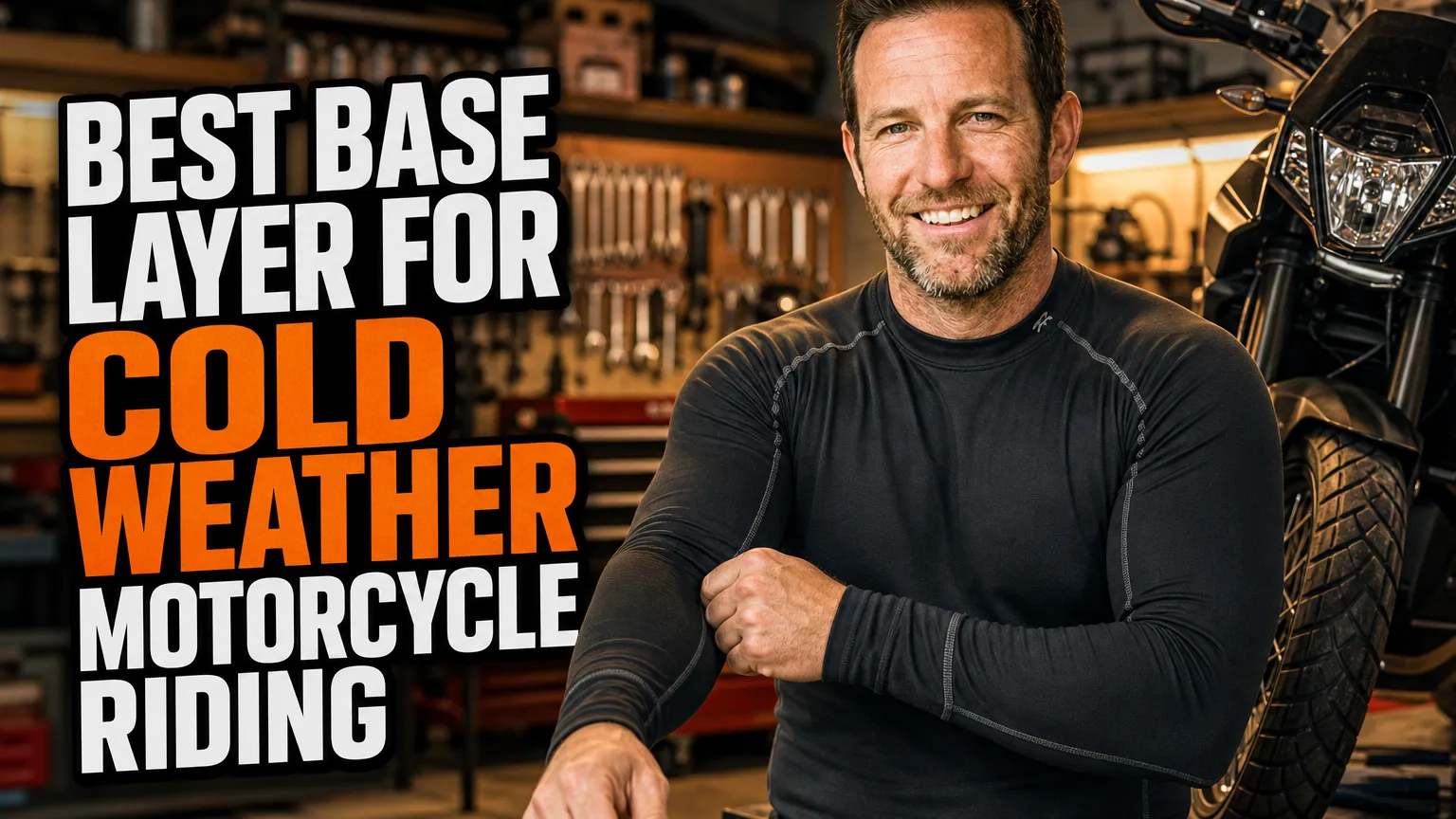
Cold-weather rides get much more manageable when I start with a comfortable base layer. The right shirt can move sweat away from my skin, add useful warmth, and fit smoothly under a riding jacket without restricting my reach to the bars. It won’t replace an insulating mid-layer or a windproof outer shell, but it can make the whole system work better.
- I’d choose the Smartwool Classic Thermal Merino Crew for dependable warmth and natural odor resistance.
- I’d pick the Patagonia Capilene Midweight Crew for quick-drying synthetic performance and easy care.
- I match fabric weight to the temperature, my riding effort, and how much insulation my outer layers provide.
- I treat a base layer as a comfort layer, never as a substitute for protective motorcycle gear.
How I choose a base layer for winter riding
I pay attention to warmth, moisture management, fit, and the rest of my clothing system. A thick thermal shirt may sound ideal, but if it makes my jacket tight or leaves me sweaty in traffic, it can create a new problem instead of solving one. I want a close-fitting layer that works with my riding posture and the temperatures I actually expect.
Merino wool is my choice when I want cozy warmth and less odor after repeat wear. Synthetic fabrics often dry faster and can be easier to wash, which I appreciate on multi-day trips. Either material can work well; I focus on the garment’s weight and fit rather than assuming one fabric is always best.
I also remember that a base layer doesn’t provide impact protection. I wear it under motorcycle clothing that fits properly and includes appropriate armor, and I use insulating and windproof layers as needed. For a complete setup, I’d also look at this guide to best gear for riding motorcycle in cold weather stay warm and protected.
1. Smartwool Classic Thermal Merino Base Layer Crew
When I want a straightforward merino option for genuinely chilly rides, I’d start with the Smartwool Classic Thermal Merino Base Layer Crew. It uses 100% merino wool in a heavyweight 250 g/m² knit, making it a warmer pick than lightweight travel tops. I like the natural feel of merino for long days when I want a layer that stays comfortable across changing conditions.
The fabric is designed to manage moisture and resist odor, and the crew-neck cut layers easily under most jackets. I’d expect to pay roughly $120–$145, depending on size and retailer. It costs more than many synthetic tops, so I’d consider it an investment for regular cold-weather use rather than a budget buy.
Why I’d choose it
I’d reach for this Smartwool shirt when warmth and comfort matter more to me than the lowest price. It works well as a close-fitting first layer beneath a mid-layer and a properly protective riding jacket. I’d still avoid overheating in it during hard exertion, since managing sweat matters just as much as adding insulation.
2. Icebreaker 200 Oasis Long Sleeve Crewe
The Icebreaker 200 Oasis Long Sleeve Crewe is my pick when I want merino without going as heavy as the Smartwool 250-weight option. Its 100% merino wool fabric is 200 g/m², which gives me a versatile middle ground for cool rides, changing weather, or layering beneath a warmer garment. I like that balance when I expect to move between cold roads and heated stops.
The crew neck and long sleeves make it easy to wear under motorcycle gear, and merino’s odor resistance can be useful when I’m traveling and can’t wash a shirt every night. Prices commonly land around $100–$120, though color and availability can affect the cost. I’d choose it over a heavier thermal when I want a less bulky first layer.
Where it fits in my kit
I think of the Oasis as a flexible foundation, not a complete cold-weather solution by itself. On a particularly cold ride, I’d add insulation and block wind with the layers over it. If I’m putting together a larger riding wardrobe, I’d compare it with other best clothes for motorcycle riding so each piece works together.
3. Patagonia Capilene Midweight Crew
I’d choose the Patagonia Capilene Midweight Crew when I want a synthetic layer that feels suited to active use. Its 100% recycled polyester fabric has a grid-style interior that helps create a warm, breathable feel without the bulk of a heavy fleece shirt. Patagonia also uses HeiQ Fresh odor control on this model, a useful detail when I’m wearing it on consecutive days.
It’s a practical option for riders who prefer a machine-washable synthetic to merino. I’d expect a price around $79, with the exact price varying by season and retailer. I’d use it as a first layer on cool rides or pair it with a warmer mid-layer when the temperature drops.
My reason to pick synthetic
I like synthetic fabric when quick drying and straightforward care are priorities. The Capilene Midweight Crew won’t feel identical to wool, and I wouldn’t choose it mainly for merino’s natural odor resistance. But for a rider who works up a sweat during stops, hikes, or other activities between rides, its lightweight, moisture-managing design is appealing.
4. Helly Hansen LIFA Merino Midweight Crew
The Helly Hansen LIFA Merino Midweight Crew combines two fibers for riders who want a balance of moisture management and wool warmth. Its construction pairs merino wool with LIFA fiber, a synthetic material Helly Hansen uses in its base-layer range. I’d consider it for long cold days when I want a technical layer that feels purpose-built for staying comfortable through activity.
The crew-neck design layers neatly under riding clothes, and the flatlock seams are intended to reduce irritation from seams rubbing against skin. Prices often sit around $100–$120. I’d check the current fabric details and care label before buying, since specifications can vary by product version and market.
When I’d wear it
I’d put this Helly Hansen top on when I’m planning a full day outdoors rather than a short commute followed by indoor time. The blend makes it an interesting alternative to a pure-merino shirt, especially if I value a technical construction. As with any base layer, I’d keep the fit smooth under my jacket and make sure the layers above it don’t limit movement.
5. KLIM Aggressor -3.0 Shirt
For a motorcycle-oriented option, I’d look at the KLIM Aggressor -3.0 Shirt. KLIM’s Aggressor range is designed for layering under riding gear, and the -3.0 version is the warmer-weight choice in the family. Its synthetic construction and close fit are intended to work as a technical first layer, rather than as a loose casual thermal top.
I’d expect to pay roughly $90–$110, depending on the retailer and current collection. The brand focus is a plus for me when I want a shirt that’s meant to fit into a motorcycle clothing system. I’d still check the specific model’s current fit and fabric information before ordering, particularly if I plan to wear it beneath a snug one-piece suit.
Why a riding-specific cut can help
I value base layers that stay comfortable in a riding position, where fabric bunching can become distracting across the shoulders or waist. I’d wear the KLIM Aggressor -3.0 beneath a protective jacket and add a wind-blocking layer if conditions call for it. It’s a clothing layer only, so I’d rely on my armored outer gear for crash protection.
6. Alpinestars Ride Tech Winter Top
The Alpinestars Ride Tech Winter Top is another model I’d consider when I want motorcycle-focused thermal underwear. Alpinestars designs the Ride Tech range for use under riding suits and gear, with a close-fitting, stretch construction intended to support movement. For cold-weather riding, I’d choose this winter version rather than a summer base layer designed mainly for cooling.
Prices are often around $80–$100, though they vary by market and retailer. I like the convenience of choosing a garment made with motorcycle layering in mind, especially if I’m already using Alpinestars gear. Before buying, I’d compare the garment’s size chart with my jacket and check that the sleeves and torso length suit my riding posture.
My fit check
I want a winter top to sit close to my skin without pulling across my shoulders when I reach for the handlebars. I’d also make sure its cuffs don’t bunch awkwardly beneath glove gauntlets. Those small fit details can make a bigger difference on the bike than an impressive-sounding fabric description.
7. Dainese Thermo LS
I’d consider the Dainese Thermo LS when I want a long-sleeve technical layer from a brand with a strong motorcycle apparel focus. Dainese makes this garment as thermal underwear for use beneath riding clothing, with a close-fitting design intended for layering. I’d look at it for cool-to-cold rides when I want a dedicated base layer rather than a bulky everyday sweatshirt.
The price is typically in the $70–$100 range, depending on the retailer and the version available. I’d check the product listing for the current fabric composition and care instructions, as details can change over time. The key thing for me is how comfortably it fits under the specific jacket I ride in.
How I’d build around it
I’d use the Thermo LS as the first layer, then adjust warmth with a mid-layer and weather-resistant outer gear. If cold air is sneaking in around my collar, adding a good neck covering can help; I’d compare options in this guide to the best item for neck when riding motorcycle in cold weather. A warm torso layer can’t compensate for a drafty neck opening.
8. Under Armour ColdGear Armour Mock Neck
The Under Armour ColdGear Armour Mock Neck is a useful non-motorcycle-specific option I’d consider for riders who want a technical synthetic shirt with extra neck coverage. Its ColdGear line uses a double-knit construction with a brushed interior, and the mock-neck style provides more coverage than a standard crew neck. I’d find that helpful under a jacket when I want a little less exposed skin around the collar.
The fabric is designed to stretch and manage moisture, and the top is generally priced around $55–$70. I like the lower price compared with many merino or motorcycle-branded layers. Because it isn’t motorcycle protective gear, I’d wear it only as a comfortable layer beneath a properly fitted jacket and armor.
Who I’d recommend it to
I’d pick the ColdGear Armour Mock Neck if I want easy-care synthetic performance and appreciate the extra collar height. I wouldn’t expect the same natural odor resistance as merino, and I’d check that the neck doesn’t feel restrictive beneath my riding jacket. Fit matters: I want coverage without pressure when I turn my head to check traffic.
How I make a base layer work on the bike
I start with a layer that sits smoothly against my skin, then add insulation according to the day’s forecast and the length of the ride. If I’m likely to sweat during a brisk ride or a warm stop, I avoid dressing so heavily that I’m damp before I get back on the bike. Once I’m moving, wind exposure can make even mild temperatures feel much colder.
- I match weight to conditions: a lighter layer suits milder weather, while a heavier thermal makes more sense in colder conditions.
- I check the full fit: I sit in my riding position and make sure the shirt doesn’t pull, bunch, or restrict my arms.
- I plan the complete system: I use insulation and weather protection over the base layer rather than expecting one shirt to do everything.
- I follow the care label: the right washing routine helps me get more use from merino and technical synthetics.
I also treat protective equipment as non-negotiable. A thermal top can improve comfort, but it does not offer the abrasion or impact protection of motorcycle gear. If I’m new to choosing riding kit, I’d use this overview of the best gear for motorcycle safety top protective clothing and accessories and this guide to best motorcycle clothing for beginners to understand how the pieces fit together.
My final picks
If I wanted one warm merino shirt for regular cold-weather use, I’d start with the Smartwool Classic Thermal Merino Base Layer Crew. For a lighter merino feel, I’d consider the Icebreaker 200 Oasis, while the Patagonia Capilene Midweight Crew is my synthetic choice for easy care and active layering.
I’d choose among the motorcycle-focused KLIM, Alpinestars, and Dainese options based on fit, availability, and how they sit beneath my existing gear. The best choice for me is the one that keeps me comfortable without compromising my jacket’s fit or my ability to move. Whatever I wear underneath, I make sure my outer riding gear still provides the protection I need.
Frequently Asked Questions
What material works best as a motorcycle base layer in cold weather?
I choose merino wool for natural warmth and odor resistance, or synthetic fabric for quick drying and easier care. The right choice depends on your pace, sweat level, and budget.
Should a motorcycle base layer fit tightly?
I look for a close, comfortable fit that sits smoothly under riding gear without restricting movement. Loose folds can feel uncomfortable beneath a snug jacket.
Can I wear a regular thermal shirt under motorcycle gear?
Yes. I use performance thermals made for active use, but I avoid bulky cotton because it can hold moisture and feel cold when damp.
Does a base layer replace motorcycle armor?
No. A base layer adds comfort, not impact protection. I wear it under properly fitted motorcycle gear with appropriate protective armor.

Related Articles

5 Motorcycle Wrist Braces and Guards I’d Choose for Confident Riding
Compare five wrist braces and guards I’d consider for street and dirt riding, with fit, support, glove compatibility, and buying…
Jake Miller
11 min read

7 Under Armour Base Layers I’d Choose for Comfortable Motorcycle Rides
Discover seven Under Armour base layers for hot and cold rides, plus my fit tips and safety advice for wearing…
Jake Miller
10 min read

8 Best Motorcycle Base Layers for Staying Warm on Cold Rides
Compare eight rider-ready thermal base layers, from merino to synthetic options, with fit, warmth, layering advice, and picks for cold-weather…
Jake Miller
11 min read