
From Nervous to Confident: My Practical Guide to Safer Motorcycle Riding
 Jake Miller
10 min read
Jake Miller
10 min read
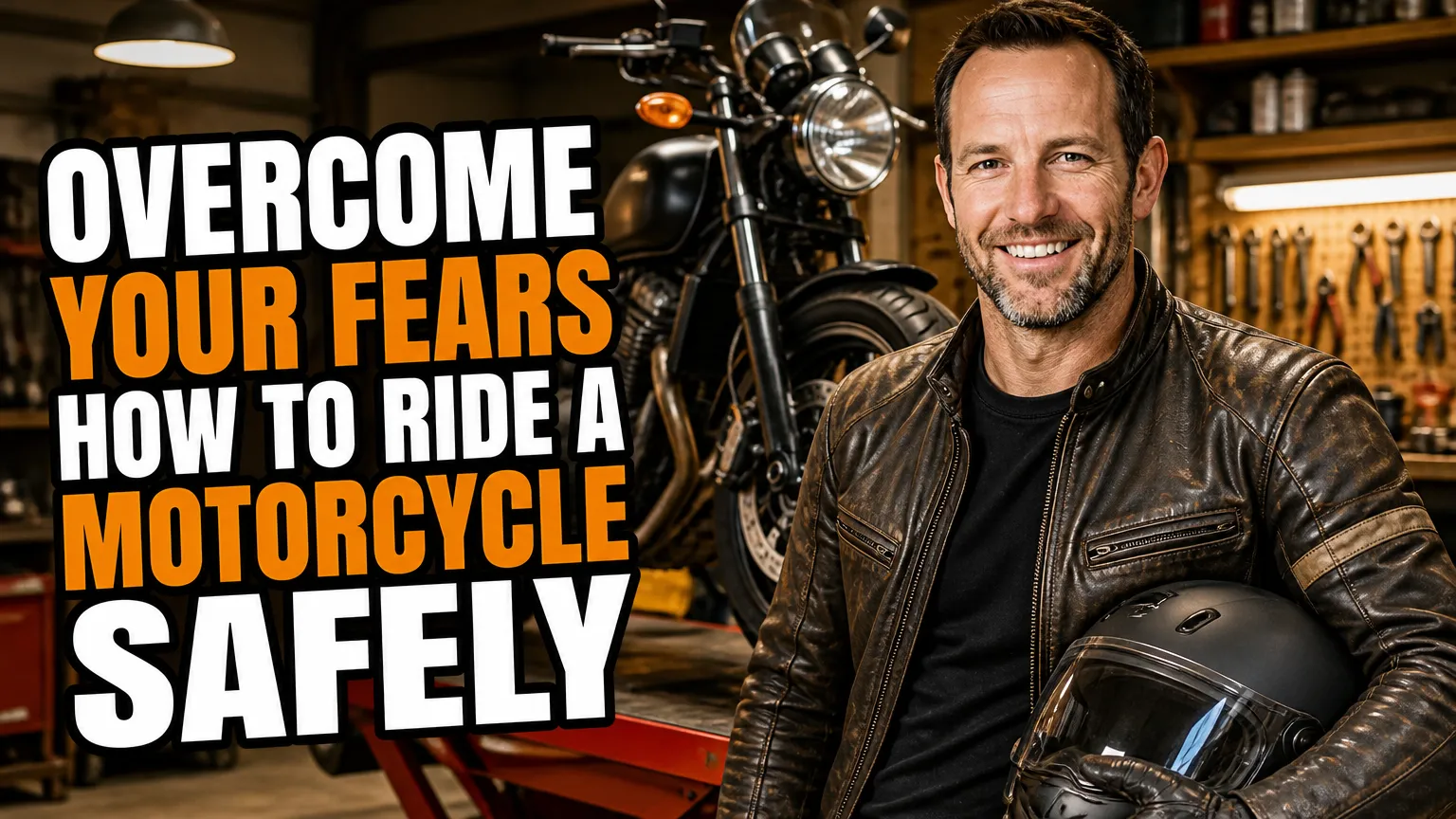
I still remember the mix of excitement and nerves I felt before some of my early rides. The motorcycle looked ready to go, but my mind was busy imagining every mistake I could make. I learned that confidence did not arrive all at once; I built it through preparation, practice, and choices that kept each ride manageable.
If you want to overcome your fears and learn how to ride a motorcycle safely, I believe the answer is not to ignore fear or rush past it. I treat nervousness as information: it can remind me to prepare, slow down, and improve my skills one step at a time.
- I build confidence with qualified training and gradual practice.
- I use protective gear and a motorcycle that suits my experience.
- I plan simple rides and stay within my limits.
- I treat fear as a cue to prepare, not as a challenge to prove myself.
I start by understanding what is making me nervous
When I feel anxious about a ride, I try to name the specific concern instead of letting it grow into a vague fear of everything. Am I worried about balancing at low speed, riding in traffic, taking a curve, or making a mistake in front of other people? A clear concern gives me something practical to work on.
I also remind myself that some caution is useful. Riding involves real risks, so feeling alert is not a personal failing. My goal is not to feel fearless; it is to stay focused enough to make thoughtful decisions and to avoid riding when anxiety is so intense that it interferes with concentration.
I separate useful caution from unhelpful pressure
Useful caution helps me check my tires, notice changing weather, and leave more space around other vehicles. Unhelpful pressure tells me I have to keep up with faster riders, take a route I do not know, or pretend to feel comfortable when I do not. I try to listen to the first kind and step away from the second.
I have found it helpful to set a small, specific goal for each practice ride. I might work on smooth starts and stops, or ride a familiar loop at a quiet time. A goal like “I will improve one skill” feels far more manageable than “I have to become a confident rider today.”
I get proper instruction before testing myself on the road
One of the most confidence-building decisions I made was to learn in a structured setting. A certified motorcycle safety course gave me time to understand the controls, practice foundational skills, and hear feedback from an instructor. I did not have to figure everything out while dealing with busy traffic at the same time.
Training requirements vary by location, so I check the rules where I live and look for a reputable course that suits my experience. Even riders who already have a license can benefit from a refresher or advanced class. I see instruction as a practical investment in skill, not as evidence that I am a poor rider.
I practice basic skills until they feel more familiar
Before I add more complicated conditions, I like to review the basics in a legal, controlled practice area. Starting smoothly, stopping predictably, turning at low speeds, shifting, and using the brakes with control all help me feel more at ease. I practice according to my instructor’s guidance and the motorcycle’s manual.
I keep practice sessions short enough that I can stay attentive. If I become tired, frustrated, or overwhelmed, I take a break instead of trying to force progress. When I return to a skill on another day, I often find that repetition has helped more than one long, stressful session would have.
I make each practice session a little more challenging
Once a skill feels steady, I add only one new challenge at a time. I might move from an empty lot to a quiet street, then gradually try a familiar route with a little more traffic. I avoid combining a new motorcycle, an unfamiliar road, poor weather, and heavy traffic into one ride.
This gradual approach gives me room to learn without asking myself to manage too many unknowns at once. I do not use another rider’s pace as my measuring stick. My progress is about becoming more consistent and making sound decisions, not about looking impressive.
I make comfort and protective gear part of my safety plan
Feeling physically secure helps me concentrate. I choose a motorcycle I can manage comfortably, with a riding position and controls that feel suitable for my body and experience. When I am shopping or borrowing a bike, I take time to understand its weight, seat height, throttle response, braking, and maintenance condition before I ride.
I do not assume that a motorcycle is automatically a good fit just because I like its appearance or performance. A bike that feels intimidating in a parking area may add unnecessary stress on the road. If I am unsure about the fit or condition, I ask a qualified instructor or mechanic for guidance before setting out.
I wear gear that is designed for riding
I wear a properly fitted, recognized-standard helmet every time I ride, along with eye protection, gloves, a protective jacket and pants, and sturdy footwear that covers my ankles. I look for motorcycle-specific gear with appropriate impact and abrasion protection, rather than assuming ordinary clothes will offer the same coverage.
Comfort matters, too. If my gloves pinch, my jacket restricts movement, or my helmet does not fit securely, I address that before a long ride. I also consider weather, visibility, and ventilation, because gear I can wear comfortably is more likely to be gear I use consistently.
Before each ride, I make a quick check of essential items such as the tires, lights, brakes, and controls. I follow the motorcycle manufacturer’s maintenance guidance and do not set off if I notice a problem I cannot assess or resolve safely. A brief routine helps me feel prepared without pretending that a check can eliminate every risk.
I plan rides that help me feel in control
For an early solo ride, I choose a familiar route with manageable traffic, reasonable road conditions, and somewhere safe to stop. I check the forecast and give myself plenty of time, so I do not feel pushed to speed or take risks because I am running late. I share my plan with someone I trust when it makes sense.
I also decide in advance that I can turn around or stop. That choice matters because I no longer feel trapped by the idea that I must finish a route to prove something. If traffic becomes overwhelming or the weather changes, I can take a safe break and reassess.
I leave room to observe and respond
On the road, I work to stay visible, leave space, and scan ahead for changes rather than focusing only on the vehicle directly in front of me. I pay attention to intersections, driveways, road surfaces, and vehicles that may turn or change lanes. I avoid assuming that another road user has seen me.
I find that a calm, predictable riding style is more useful than trying to react at the last second. I avoid riding in blind spots, keep a following distance that gives me time to respond, and adjust my position when conditions change. For more practical habits, I also review guidance on how to avoid accidents on a motorcycle.
I stay within posted speed limits and ride at a pace that leaves me able to handle the conditions. I do not ride under the influence of alcohol or drugs, and I avoid riding when fatigue, illness, or distraction makes it harder to focus. If my attention is not where it needs to be, I wait or find another way to travel.
I learn from safety information without letting it overwhelm me
It is sensible to understand that motorcycle riding carries risks, but I try to read safety information in a useful way. Headlines and large numbers can feel frightening without explaining the circumstances, location, or time period behind them. I look for context and use what I learn to make better choices, not to convince myself that every ride will end badly.
For example, when I want to explore regional road-safety context, I may read about how many motorcycle accidents in thailand. I treat statistics as a starting point for asking better questions about roads, traffic, protective equipment, and rider behavior rather than as a prediction about my own next ride.
I also find it useful to understand common contributing factors. Reading about how are most motorcycle accidents caused can help me think about choices I can influence, such as speed, visibility, attention, and preparation. No single article can account for every crash or guarantee that a particular technique will prevent one.
When I compare information across places, I check the source and make sure I understand what is being counted. Questions such as how many motorcycle accidents per year in the us and how many motorcycle accidents per year uk can lead to very different figures depending on the definition, reporting method, and year. I use reliable statistics to inform my judgment, not to replace careful riding.
I manage nerves before and during a ride
Before I start the engine, I give myself a moment to settle. I check that my gear is fastened, take a few slow breaths, and picture the first part of my route. This simple pause helps me switch from worrying about every possible outcome to focusing on the next useful action.
If I feel anxious during a ride, I avoid making abrupt decisions just to escape the feeling. When it is safe, I find a suitable place to pull over, take a break, and work out what is bothering me. I might need to check my route, adjust a piece of gear, or decide that the right call is to stop riding for the day.
I know when to postpone a ride
I do not treat riding as a test of bravery. If I feel panicked, unusually distracted, physically unwell, or unable to focus on the road, I postpone the ride. Choosing not to ride when I am not ready is a responsible decision, not a failure.
If persistent fear keeps me from riding or causes intense distress, I consider speaking with an instructor or a qualified mental health professional. An instructor can help identify a skill gap and suggest a sensible practice plan. Support from a professional can help me address anxiety that goes beyond ordinary first-ride nerves.
I measure progress by good decisions, not distance
When I first started, I thought confidence meant riding farther or taking on harder roads. I now think it means knowing what I can handle, recognizing what I still need to practice, and responding calmly when a situation changes. A short ride completed with attention and control is meaningful progress.
After a ride, I take a minute to reflect on what went well and what I want to improve. I might note that I felt more relaxed with smooth braking, or that a busy intersection deserves more practice with an instructor. I keep the lesson specific so I can use it on my next ride rather than turning one difficult moment into a judgment about myself.
My strongest advice is to build confidence through small, repeatable steps: learn from a qualified instructor, wear appropriate gear, maintain the motorcycle, and choose conditions that match your current ability. Fear does not have to disappear before I ride safely. With preparation, patience, and a willingness to stop when something does not feel right, I can make room for both caution and enjoyment.
Frequently Asked Questions
How can I overcome my fear of riding a motorcycle?
I recommend starting with a certified course, practicing in a quiet area, and building up gradually. I focus on one skill at a time rather than forcing myself into stressful situations.
What should I wear to ride a motorcycle safely?
I wear a properly fitted helmet, eye protection, gloves, a protective jacket and pants, and over-the-ankle footwear. I choose gear with recognized safety ratings and visibility features.
Should I ride a motorcycle if I feel nervous?
I first ask whether my nerves are manageable or distracting. If I cannot focus, I postpone the ride; if I feel alert but uncertain, I choose an easy route and ride within my limits.
What is the safest way to practice motorcycle riding?
I practice in a controlled, low-traffic area, ideally with a qualified instructor. I work on basic controls and low-speed maneuvers before adding traffic, distance, or more challenging conditions.

Related Articles

I Dropped My Motorcycle: What I Check Before Riding Again
A motorcycle tip-over may cause only cosmetic damage, but hidden leaks, bent controls, or brake trouble can make riding unsafe.…
Jake Miller
11 min read

Motorcycle vs. Bicycle: Which Is More Difficult to Ride?
I compare motorcycle and bicycle riding, from balance and controls to traffic, weight, and safety, so I can help you…
Jake Miller
10 min read

8 Smart Ways to Keep Your Motorcycle Steady When You Park on a Slope
Learn how I choose a safe spot, position my bike, use first gear and a sidestand pad, and secure it…
Jake Miller
12 min read