
8 Best Sunscreens for Motorcycle Riders Who Spend Hours on the Road
 Jake Miller
11 min read
Jake Miller
11 min read
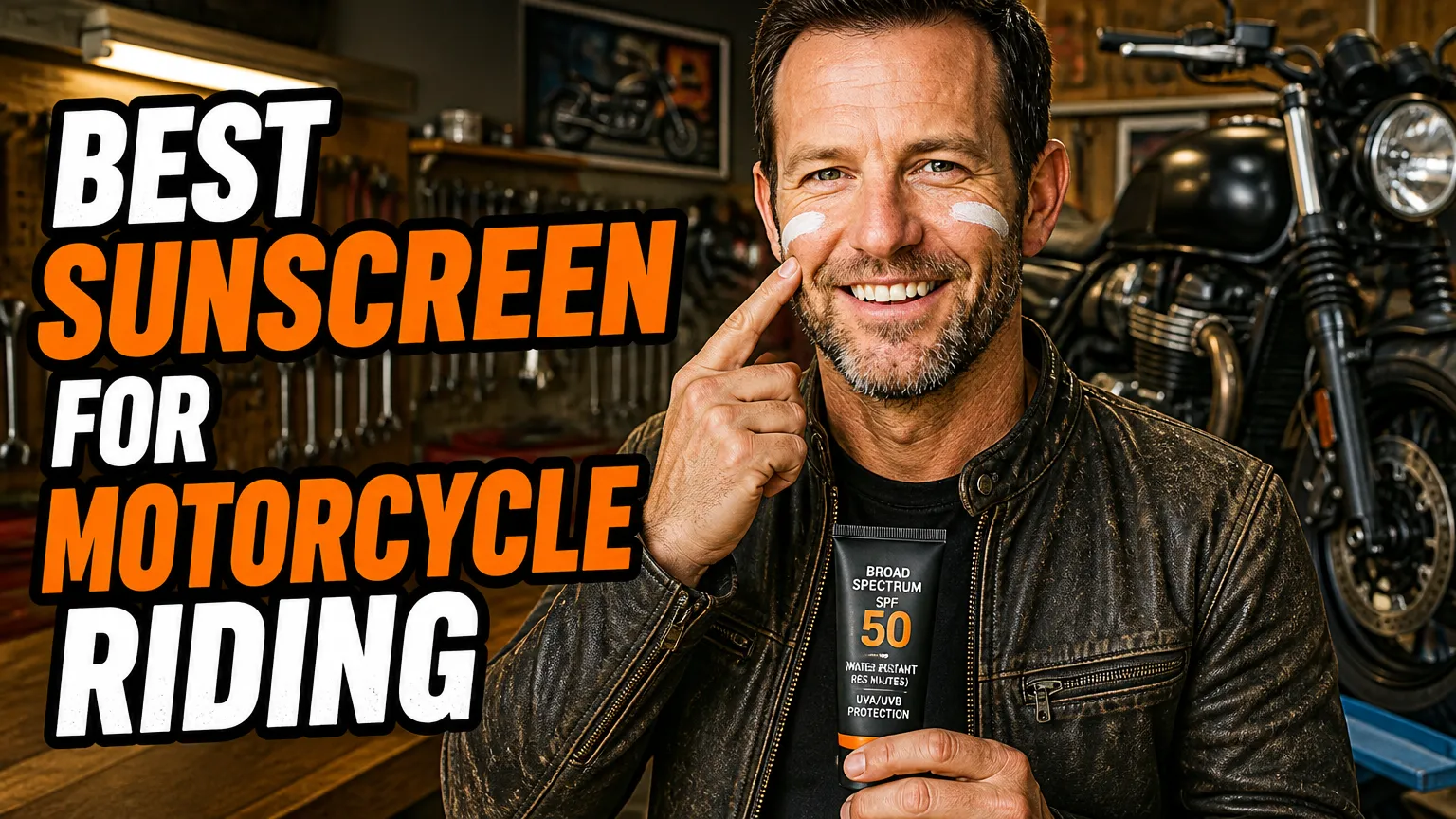
When I plan a motorcycle ride, sunscreen is part of my gear checklist, right alongside gloves and a charged intercom. A helmet, jacket, and riding pants cover a lot, but my face, neck, ears, and sometimes the backs of my hands still meet hours of daylight, wind, and sweat.
I choose a formula that fits the ride: broad-spectrum protection, a texture I can tolerate under a helmet, and water resistance when I expect to sweat. Below are eight specific products I’d consider, along with the trade-offs I weigh before buying. Formulas and prices can change, so I check the current label and local availability.
- I prioritize broad-spectrum SPF 30 or higher, with SPF 50 a sensible target for long rides.
- For sweat and repeated exposure, I check the label for 40- or 80-minute water resistance.
- My shortlist includes lightweight chemical, mineral, and sport formulas for different skin and riding needs.
- I treat sunscreen as a supplement to protective clothing, not a replacement for it.
1. La Roche-Posay Anthelios Melt-In Milk Sunscreen SPF 60 — Best All-Around Body Option
When I want a high-SPF lotion for my face, neck, and exposed arms, La Roche-Posay Anthelios Melt-In Milk SPF 60 is one of the first formulas I’d compare. It offers broad-spectrum SPF 60 and is labeled water resistant for up to 80 minutes, which makes it a practical choice for a warm ride or a stop where I’ll be outdoors.
The texture is designed to spread more easily than a thick, chalky mineral cream, though I still give it time to settle before pulling on a balaclava or putting my helmet on. Its price is usually in the mid-to-premium range for drugstore sunscreen, and the larger body size is more economical than relying on a small face-only tube.
Why I’d pack it
I like the combination of high SPF, broad-spectrum labeling, and water resistance for a long day on the road. I’d use it on exposed skin rather than assume a thin layer is enough: I apply a generous amount before gearing up and reapply according to the label, especially after wiping sweat from my face.
2. EltaMD UV Sport SPF 50 — Best for Sweaty, Active Days
EltaMD UV Sport SPF 50 is a broad-spectrum sunscreen labeled water resistant for up to 80 minutes. I’d put it on my shortlist for hot-weather touring, commuting in humid conditions, or any ride that includes walking around in the sun after I park.
It is a lotion rather than a dry-touch stick, so I’d spread it carefully across the nose, cheeks, ears, and neck and let it dry before putting on my helmet. It typically costs more than basic drugstore options, but I can see the appeal if I value a sport-oriented formula and want one product for riding and outdoor stops.
My application note
Even when a sunscreen is labeled water resistant, I don’t treat that as all-day protection. The stated 80-minute period is a reminder to reapply after enough time in water or heavy sweating, and my real-world habit is to check the label and plan a break rather than count on one morning application lasting through a full ride.
3. Neutrogena Ultra Sheer Dry-Touch SPF 55 — Best Lightweight Drugstore Pick
For an accessible option that many pharmacies carry, I’d consider Neutrogena Ultra Sheer Dry-Touch SPF 55. It offers broad-spectrum protection and is commonly labeled water resistant for up to 80 minutes; its dry-touch finish is intended to feel less greasy than a rich cream.
That lighter feel can be useful under a helmet, where heavy product may feel uncomfortable around my temples or forehead. It’s generally priced in the affordable-to-midrange bracket, though I’d still test it on a short ride first because sunscreen can sting eyes or react differently with individual skin.
Where it fits in my kit
I’d use this as a face-and-body option when I want an easy-to-find product rather than a specialized, expensive one. I’m careful around my eyes and avoid applying it so close to the lash line that sweat could carry it into them. If I know I’ll be sweating hard, I bring the bottle and follow its reapplication directions.
4. Blue Lizard Sensitive Mineral Sunscreen SPF 50 — Best Mineral Option for Sensitive Skin
When I prefer a mineral sunscreen, Blue Lizard Sensitive SPF 50 is a recognizable option to consider. Its active ingredients are zinc oxide and titanium dioxide, and the product is labeled broad spectrum and water resistant for up to 80 minutes. I’d check the current package because ingredient details can vary by formulation and market.
Mineral formulas can leave a visible cast, particularly if I apply enough for proper coverage or have a deeper skin tone. I’d rather take the time to rub it in evenly than use too little, and I’d test it at home before a long ride to see how it feels beneath my helmet and whether it transfers onto a neck gaiter.
My reason to choose it
I’d reach for Blue Lizard Sensitive when I want a mineral-based formula and am comfortable with a potentially less invisible finish. Its price is usually moderate, and I see the water-resistance claim as useful for sweaty outings, while still keeping in mind that I’ll need to reapply as directed.
5. Thinksport SPF 50+ Sunscreen — Best Mineral Pick for Outdoor Use
Thinksport SPF 50+ is another mineral sunscreen I’d consider for riding days that turn into outdoor days. The brand describes it as broad spectrum, and its label states water resistance for up to 80 minutes. I check the current ingredient panel before purchasing so I know exactly which formulation I’m getting.
Like other mineral lotions, it may feel thicker and can leave a white cast compared with many chemical sunscreens. That trade-off matters under a snug helmet: I apply it evenly, let it settle, and check whether it rubs onto my helmet liner or neck covering before committing to it for a full-day trip.
How I’d use it
I’d apply Thinksport to exposed skin before I put on my riding clothes, taking care not to miss the ears, hairline, and the back of my neck. It generally sits in the moderate price range, and I’d choose it for the mineral formulation rather than expecting it to disappear completely into the skin.
6. Banana Boat Sport Ultra SPF 50 — Best Value for Face and Body
Banana Boat Sport Ultra SPF 50 is a budget-friendly sport sunscreen I’d look at when I need a full-size bottle for repeated use. The product is sold as broad-spectrum protection and is labeled water resistant for up to 80 minutes. I always verify the exact package, since product lines and claims may differ by region.
Its sport positioning makes it a logical candidate for sweaty summer rides, but I still pay attention to comfort. A formula that works well on my arms may feel too heavy or irritating near my eyes, so I’d try it on a shorter trip before using it for a full day in the saddle.
What I like about the value
I’m more likely to apply enough sunscreen when I’m not trying to make a tiny, expensive tube last all season. Banana Boat Sport Ultra is often among the more affordable choices, which can make it convenient for covering larger exposed areas and keeping a backup bottle at home or in my travel kit.
7. Coppertone SPORT Sunscreen Lotion SPF 50 — Best Familiar Sport Formula
Coppertone SPORT SPF 50 is another widely available lotion I’d compare for riding in warm weather. It is marketed for active use, provides broad-spectrum protection, and commonly carries an 80-minute water-resistance claim. I’d read the specific bottle rather than assume every product with a similar name has identical directions.
For me, the main draw is practicality: it is a familiar, generally affordable type of sunscreen that I can often find at a grocery store or pharmacy before a trip. I’d apply it before putting on gloves and gear, then wash my hands so I don’t leave a slippery film on my grips or controls.
One detail I don’t overlook
Sport sunscreen still needs enough time and product to cover skin evenly. I make a point of protecting the exposed parts of my hands, especially if my gloves leave a gap at the wrist, and I check whether the cuff of my jacket covers that area once I’m seated in my riding position.
8. Supergoop! Unseen Sunscreen SPF 40 — Best Lightweight Face Formula for Shorter Rides
Supergoop! Unseen Sunscreen SPF 40 stands out for its clear, primer-like texture and broad-spectrum SPF 40 protection. I’d consider it when I care most about a lightweight, nearly invisible feel on my face under a helmet. It usually costs more than basic drugstore lotions, so I see it as a comfort-focused option rather than a budget pick.
There’s an important caveat for motorcycle use: Unseen is not generally positioned as a water-resistant sport sunscreen. I wouldn’t make it my first choice for heavy sweating, a very long hot-weather ride, or a day when I can’t reapply. I’d reserve it for shorter outings and follow the current label’s instructions.
When I’d leave it at home
If the forecast is hot, humid, or likely to involve vigorous activity, I’d choose one of the water-resistant options above instead. I also wouldn’t mistake a comfortable finish for a reason to apply less; I still cover all exposed areas and reapply as directed.
How I Choose Sunscreen for a Ride
I start with broad-spectrum coverage and SPF
I look for a label that says broad spectrum and choose at least SPF 30 for exposed skin. For long rides or strong sun, SPF 50 is a straightforward target, but it doesn’t mean I can skip reapplication or use a thin layer. I apply it generously before heading out and follow the product label.
I match the formula to the weather and my skin
For heat and sweat, I favor products labeled water resistant for 40 or 80 minutes. If I have sensitive skin or prefer mineral active ingredients, I compare options such as Blue Lizard Sensitive and Thinksport, knowing that texture and white cast can be part of the trade-off. For a lighter feel, I test a lotion on a short ride before trusting it for a longer one.
I protect the skin my gear leaves exposed
I pay special attention to my nose, cheeks, ears, neck, and the backs of my hands. The fit of my jacket, gloves, helmet, and face covering changes how much skin is exposed, so I check my riding posture and gear rather than assuming coverage while standing will be the same once I’m on the bike.
I also treat sunscreen as one piece of a larger protection plan. When I’m refreshing my kit, I compare best clothes for motorcycle riding and look at best gear for motorcycle safety top protective clothing and accessories for coverage and protective equipment ideas. Sunscreen helps protect exposed skin, but it cannot replace the protection of appropriate riding gear.
My Practical Sunscreen Routine Before and During a Ride
Before I gear up, I apply sunscreen to clean, dry skin and allow it to settle according to the directions. I don’t forget the hairline, ears, and neck, and I avoid getting product on my palms before gripping the bars. If I use a face covering, I apply sunscreen to the exposed areas it doesn’t cover.
On a longer trip, I carry a small, securely closed container or plan a stop where I can reapply without rushing. I follow the label’s timing, and I reapply after heavy sweating, towel drying, or wiping my face. A helmet visor can reduce direct exposure, but I don’t treat it as a replacement for sunscreen or protective clothing.
For new riders building a complete kit, I’d pair sun protection with a sensible gear checklist. These guides to best motorcycle clothing for beginners, best winter face mask for motorcycle riding, and best gear for riding motorcycle in cold weather stay warm and protected can help me think through other conditions and layers. I still make sunscreen decisions based on the skin my chosen gear leaves uncovered.
My best pick depends on the ride: I’d compare La Roche-Posay Anthelios Melt-In Milk or EltaMD UV Sport for water-resistant coverage, a mineral option if that’s my preference, and Supergoop! Unseen when a light face feel matters more than sweat resistance. Whatever I choose, I read the label, apply enough, and make reapplication part of the route plan.
Frequently Asked Questions
What SPF is best for motorcycle riding?
I look for a broad-spectrum sunscreen with SPF 30 or higher; SPF 50 is a practical choice for long rides and exposed skin.
Is sunscreen necessary under a motorcycle helmet?
Yes. A helmet and riding gear cover much of my skin, but my face, neck, ears, and any exposed areas still need sun protection.
How often should I reapply sunscreen on a ride?
I follow the label, usually reapplying at least every two hours and after heavy sweating or wiping my face. Water-resistant claims are generally limited to 40 or 80 minutes.
Can I rely on sunscreen instead of riding gear?
No. I use sunscreen on exposed skin and rely on certified protective clothing, gloves, and a helmet for coverage and impact protection.

Related Articles
8 Best Concealed-Carry Holsters for Motorcycle Riders Who Prioritize Secure Fit
Compare eight concealed-carry holsters for motorcycle riding, with fit, retention, carry-position, comfort, and safety tips to help you choose confidently.
Jake Miller
12 min read