
8 Best Motorcycle Balaclavas for Comfort, Warmth, and a Better Helmet Fit
 Jake Miller
11 min read
Jake Miller
11 min read
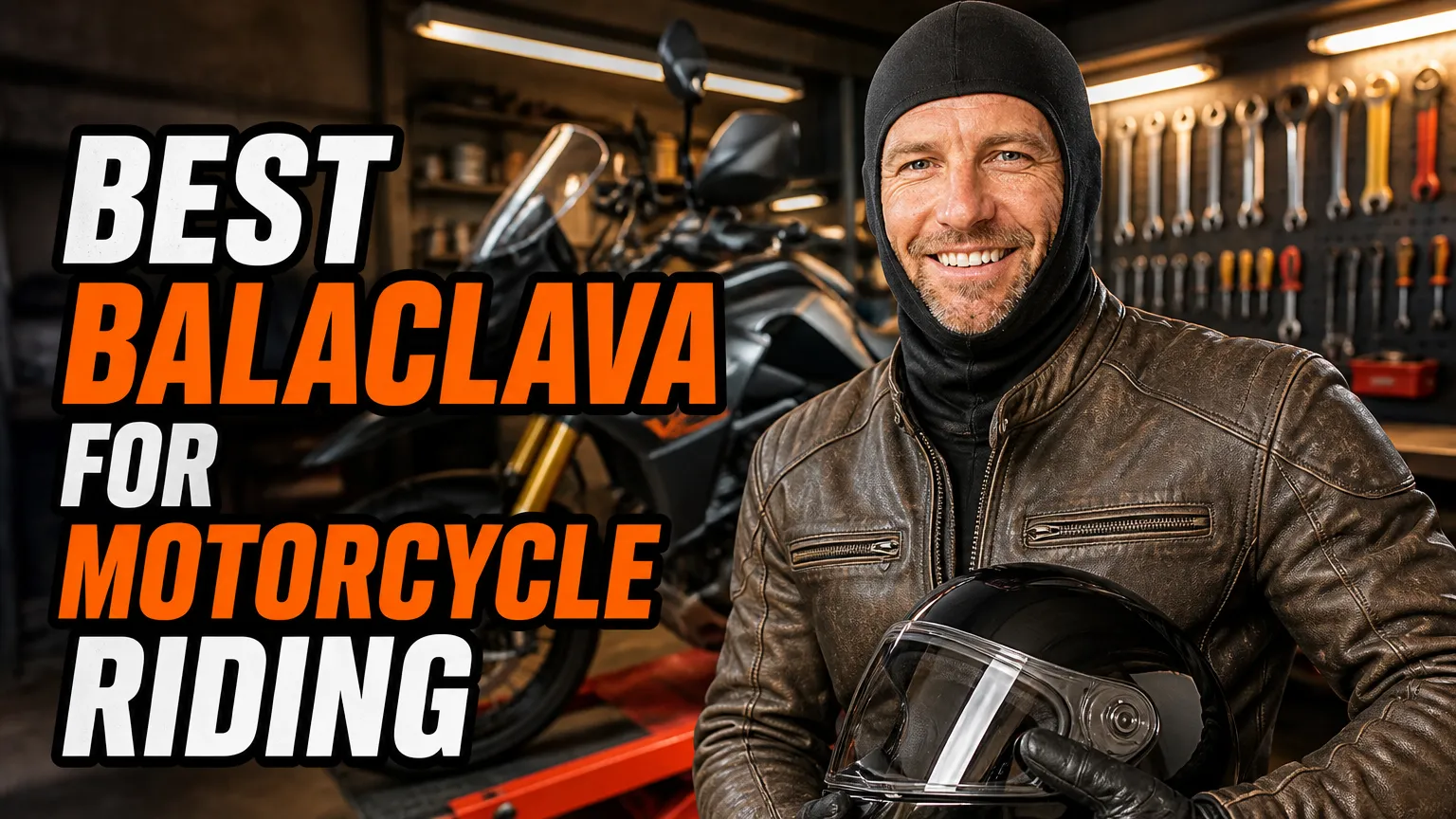
I find a good balaclava can make a real difference on a motorcycle ride: it helps manage sweat, reduces irritation from helmet padding, and adds useful coverage when the air turns cold. The best balaclava for motorcycle riding depends on your climate, helmet fit, and whether you value light breathability or extra wind protection most.
- I favor a thin, smooth balaclava for everyday use under a snug helmet.
- For cold rides, I look for a wind-blocking face panel and coverage that stays in place.
- Merino and technical synthetics can both work well; I choose based on weather and drying needs.
- I always check that a face covering does not affect helmet fit, breathing, or visor clarity.
Below, I’ve picked eight real models I’d consider for different riding conditions, from lightweight liners to warmer face coverings. Product availability and prices can change, so I treat price ranges as approximate and check current specifications before buying.
1. KLIM Covert Balaclava — My Pick for Lightweight Everyday Use
When I want a close-fitting layer without much bulk, I look at the KLIM Covert Balaclava. KLIM makes motorcycle-specific equipment, and this model is designed to sit beneath a helmet as a lightweight face and neck covering. Its stretchy construction is intended to feel close to the skin, making it a sensible choice for regular use in mild or changeable conditions.
Why I’d choose it
I like the idea of a minimal liner for absorbing perspiration and reducing direct contact between my skin and helmet padding. It can also make a helmet feel more comfortable on longer rides, provided the fabric lies flat and does not bunch around my ears or the crown of my head.
The Covert is not my choice for severe wind chill by itself: a thin balaclava cannot provide the same protection as a purpose-built wind-blocking face panel. I’d expect it to sit in the approximate mid-range price tier for motorcycle balaclavas, with actual prices varying by retailer and season.
2. KLIM Arctic Balaclava — My Choice for Cold, Windy Rides
For winter riding, I’d move up to the KLIM Arctic Balaclava. This model is designed for colder conditions and incorporates a wind-resistant face area, while the rest of the covering provides extended head and neck coverage. That combination makes it more targeted to exposed, chilly rides than an ultralight liner.
What I’d keep in mind
I’d check the exact version and current product details before ordering, since construction and availability can differ between seasons. A warmer, more protective face panel may also feel less airy than a thin fabric covering, so I’d pay attention to how it fits with my helmet’s chin area and ventilation.
For a cold-weather setup, I see the Arctic as one part of a system rather than a complete solution. I’d pair it with suitable layers and gloves, and use my guide to best gear for riding motorcycle in cold weather stay warm and protected to think through the rest of my kit.
3. REV’IT! Micro 2 Balaclava — My Pick for a Low-Bulk Helmet Liner
The REV’IT! Micro 2 Balaclava is another model I’d consider when I want a close-fitting, lightweight layer under my helmet. REV’IT! focuses on motorcycle apparel, and its balaclava is made for use beneath riding gear rather than as a heavy standalone winter face mask.
Best for day-to-day comfort
I value a smooth, flexible fit because thick seams and wrinkles can become irritating under a snug helmet. A thin liner can also help keep sweat from transferring directly onto helmet padding. For me, that makes the Micro 2 a practical option for commuting, touring, or rides when I want a little coverage without significantly changing the helmet fit.
I wouldn’t assume a light balaclava will block strong wind or provide substantial insulation. If that’s my main need, I’d compare it with a winter-specific design and check whether the covering reaches far enough down my neck to overlap my jacket collar. Pricing is usually in the accessible-to-midrange category, though I’d confirm the current listing.
4. Dainese D-Core Balaclava — My Pick for a Technical Base Layer
Dainese’s D-Core Balaclava is a technical face covering from a well-known motorcycle gear brand. D-Core garments are designed with moisture management and comfort in mind, which appeals to me when I’m wearing a helmet for extended periods or riding in conditions where I might sweat beneath my gear.
How I’d use it
I’d choose this kind of balaclava when I want a breathable layer that helps move moisture away from my skin, rather than a thick thermal hood. A technical fabric can be easier to wear across a range of temperatures, though it won’t replace a dedicated windproof barrier on a freezing ride.
As with any close-fitting liner, I’d test it with my own helmet before committing to a long trip. I’d make sure it doesn’t pull awkwardly at my ears, slide over my eyes, or change how the helmet sits. I’d also check Dainese’s current material and care details, since those can vary by product version.
5. Alpinestars Open Face Balaclava — My Pick for Face-and-Neck Coverage
The Alpinestars Open Face Balaclava is a recognizable motorcycle-oriented option for riders who want coverage over the head and neck while leaving the face area more open than a full face mask. I’d consider it when a closed face covering feels too restrictive, or when I want a simple layer between my skin and helmet padding.
Comfort and coverage
I find that face coverage is highly personal: some riders want fabric over the nose and mouth, while others prefer an open-face design for a less enclosed feel. This style can be appealing in milder weather, but it offers less protection from cold air reaching the face than a design with a wind-resistant panel.
I’d pay particular attention to the material’s stretch and seam placement, especially around the ears and hairline. A balaclava that seems comfortable in my hand may feel different once compressed beneath a helmet. For a broader look at how a face covering fits into a complete kit, I’d also review the best clothes for motorcycle riding.
6. Buff ThermoNet Balaclava — My Pick for Lightweight Thermal Versatility
The Buff ThermoNet Balaclava is an outdoor-oriented product that I’d consider for motorcycle use when I want a lightweight, insulating layer. Buff’s ThermoNet fabric is designed to provide warmth without the feel of a thick winter hood, and the balaclava format gives me more coverage than a simple neck tube.
Where it fits in my kit
I like versatile gear I can use on and off the bike, and this is the sort of piece I’d pack for cool-weather touring or wear beneath a helmet on a brisk commute. It can help reduce drafts around my head and neck, but I wouldn’t treat it as a dedicated windproof mask unless the particular version’s specifications say it includes wind-blocking material.
Because it is not exclusively a motorcycle product, I’d check for flat seams, comfortable helmet compatibility, and enough room around my nose and mouth. I’d also confirm the fabric composition and care instructions on the current model. A balaclava that dries quickly after washing is especially useful if I ride often.
7. BUFF Merino Lightweight Balaclava — My Pick for Natural-Fiber Comfort
When I want a natural-fiber option, I’d look at the BUFF Merino Lightweight Balaclava. Merino wool is valued for its soft feel and ability to manage moisture and temperature, making it a good candidate for layering beneath a helmet in cool but not extreme conditions.
Why merino may suit me
I appreciate that a lightweight merino layer can feel comfortable across a range of temperatures without the bulk of a heavy insulated hood. It can also be a useful choice for multi-day rides, when I want a layer I can wash and wear again. I’d still check the product’s exact wool percentage, fit, and care instructions before buying.
Merino is not automatically the best answer for every rider. Some people prefer synthetic fabrics because they dry quickly and often cost less, while others simply prefer the feel of wool. I’d compare both against my own skin sensitivity and typical ride conditions rather than choosing based on fabric reputation alone.
8. Seirus Magnemask Combo Clava — My Pick for Added Cold-Weather Coverage
The Seirus Magnemask Combo Clava is a more coverage-focused option I’d consider for cold rides. Seirus is known for cold-weather accessories, and this product combines a balaclava-style covering with a face mask component that uses magnets. That design is intended to help position the face covering, though I’d check the current product description for the exact configuration.
What I’d check before riding
More coverage can be welcome when the wind is biting, but I’d make sure the mask sits comfortably with my helmet and doesn’t press uncomfortably on my nose or mouth. I’d also check that I can breathe easily and that my breath isn’t fogging my visor. Those checks matter more to me than a feature list when I’m choosing winter gear.
This style may feel warmer and bulkier than a lightweight liner, so I’d try it with my actual helmet before relying on it for a long ride. If I’m shopping specifically for winter face protection, I’d compare it with my guide to the best winter face mask for motorcycle riding.
How I Choose a Balaclava for My Helmet and Riding Conditions
I start with fit, not warmth claims
For me, fit is the first test. I want the fabric to lie smoothly without thick seams, loose folds, or a tight edge that presses into my forehead. I try a balaclava beneath my own helmet because even a small amount of extra bulk can affect comfort and, in some cases, how securely the helmet fits.
I also check that the covering doesn’t interfere with the chin strap or helmet padding. If it shifts over my eyes, restricts my movement, or makes the helmet feel unstable, I don’t wear it on the road. A comfortable liner should work with my protective equipment, not compromise it.
I match coverage to weather
In mild weather, I usually prefer a thin, breathable layer that manages sweat and reduces friction. When temperatures drop, I look for more neck coverage and a wind-resistant panel. I don’t assume one balaclava can do every job equally well, so I choose based on the rides I actually take.
Wind protection also needs to work with my jacket collar. If cold air can rush between the balaclava and jacket, extra fabric over my head won’t solve the whole problem. I consider the rest of my clothing too, and use the best gear for motorcycle safety top protective clothing and accessories guide as a reminder to prioritize complete protective gear over comfort accessories alone.
I check breathability and visor fogging
A face covering should let me breathe easily, especially when I’m working hard or riding in stop-and-go traffic. I check how its nose and mouth area sits and whether my breath is directed toward the visor. If a balaclava causes persistent fogging or makes breathing uncomfortable, I look for another design rather than trying to tolerate it.
I also think about washing and drying. A balaclava worn often will collect sweat and oils, so I follow its care label and let it dry fully before storing it. Keeping helmet liners and face coverings clean helps me stay more comfortable, particularly on longer trips.
My Final Pick
If I wanted one balaclava for regular use, I’d start with a lightweight motorcycle-specific model such as the KLIM Covert or REV’IT! Micro 2, then check which fits my helmet and face best. For cold-weather rides, I’d compare the KLIM Arctic and Seirus Magnemask Combo Clava for their more protective approach to coverage.
I’d choose merino or a versatile outdoor balaclava when fabric feel and off-bike use matter most, while keeping in mind that a general outdoor product may not have motorcycle-specific details. New riders can also build a sensible clothing setup with the best motorcycle clothing for beginners guide. In the end, my best choice is the one that fits smoothly, suits the weather, and lets me ride comfortably without interfering with my helmet.
Frequently Asked Questions
What material is best for a motorcycle balaclava?
I look for moisture-wicking synthetic fabric for everyday riding, merino wool for natural temperature regulation, or a wind-blocking panel for cold, exposed rides.
Should a motorcycle balaclava cover my nose?
I prefer coverage that can protect my nose in cold weather but stays breathable and does not fog my visor or interfere with my helmet fit.
How should a balaclava fit under a motorcycle helmet?
It should sit smoothly without bulky seams or folds, allow easy breathing, and leave your helmet secure and correctly fitted.
Can I wear a regular outdoor balaclava for motorcycle riding?
Yes, if it is breathable, fits comfortably under your helmet, and does not interfere with the chin strap, visor, or your ability to breathe.

Related Articles

5 Motorcycle Wrist Braces and Guards I’d Choose for Confident Riding
Compare five wrist braces and guards I’d consider for street and dirt riding, with fit, support, glove compatibility, and buying…
Jake Miller
11 min read

7 Under Armour Base Layers I’d Choose for Comfortable Motorcycle Rides
Discover seven Under Armour base layers for hot and cold rides, plus my fit tips and safety advice for wearing…
Jake Miller
10 min read

8 Best Motorcycle Base Layers for Staying Warm on Cold Rides
Compare eight rider-ready thermal base layers, from merino to synthetic options, with fit, warmth, layering advice, and picks for cold-weather…
Jake Miller
11 min read